
The origins of the Muralla de Ávila can be traced back to the 11th century, during the period of Islamic rule in the Iberian Peninsula. However, the most significant phase of its construction occurred between the 11th and 14th centuries, under Christian rule, as part of the Reconquista – the Christian campaign to recapture the lands from Muslim control.
Ávila’s strategic location near the border between the Christian Kingdoms of Castile and León and the Muslim territories made it a crucial point of defense. To protect the city from potential attacks, the construction of the walls began. Over time, the walls were continuously enhanced and extended, with towers, gates, and battlements added to strengthen the city’s fortifications.
The Muralla de Ávila is an exceptional example of medieval military architecture, and it is one of the best-preserved city walls in Europe. The structure stretches for approximately 2.5 kilometers (1.5 miles) and encircles the entire historic center of Ávila. It stands as a testament to the craftsmanship and engineering prowess of the medieval builders.
The walls are constructed from granite blocks, which were abundant in the region, making the fortification sturdy and resilient. The average height of the walls is around 12 meters (39 feet), and their thickness varies between 2.5 to 3 meters (8 to 10 feet). The immense size and thickness of the walls made them almost impenetrable during the medieval era.
The fortifications are punctuated by eighty-eight semi-circular defensive towers, providing a picturesque and formidable sight. Among these towers, some are more significant than others, serving as key points for observation and defense.
The Muralla de Ávila features nine monumental gates, each with its own history and name. The most famous of these gates is the Puerta del Alcázar, which serves as the main entrance to the city. Other notable gates include the Puerta del Carmen, the Puerta del Puente, and the Puerta de San Vicente, each contributing to the walls’ distinct character and charm.
Visiting the Muralla de Ávila offers a truly immersive experience in the medieval past. As you walk along the walls, you’ll be treated to stunning panoramic views of the city and the surrounding landscape. The sense of history and the grandeur of the fortifications will undoubtedly leave you in awe.
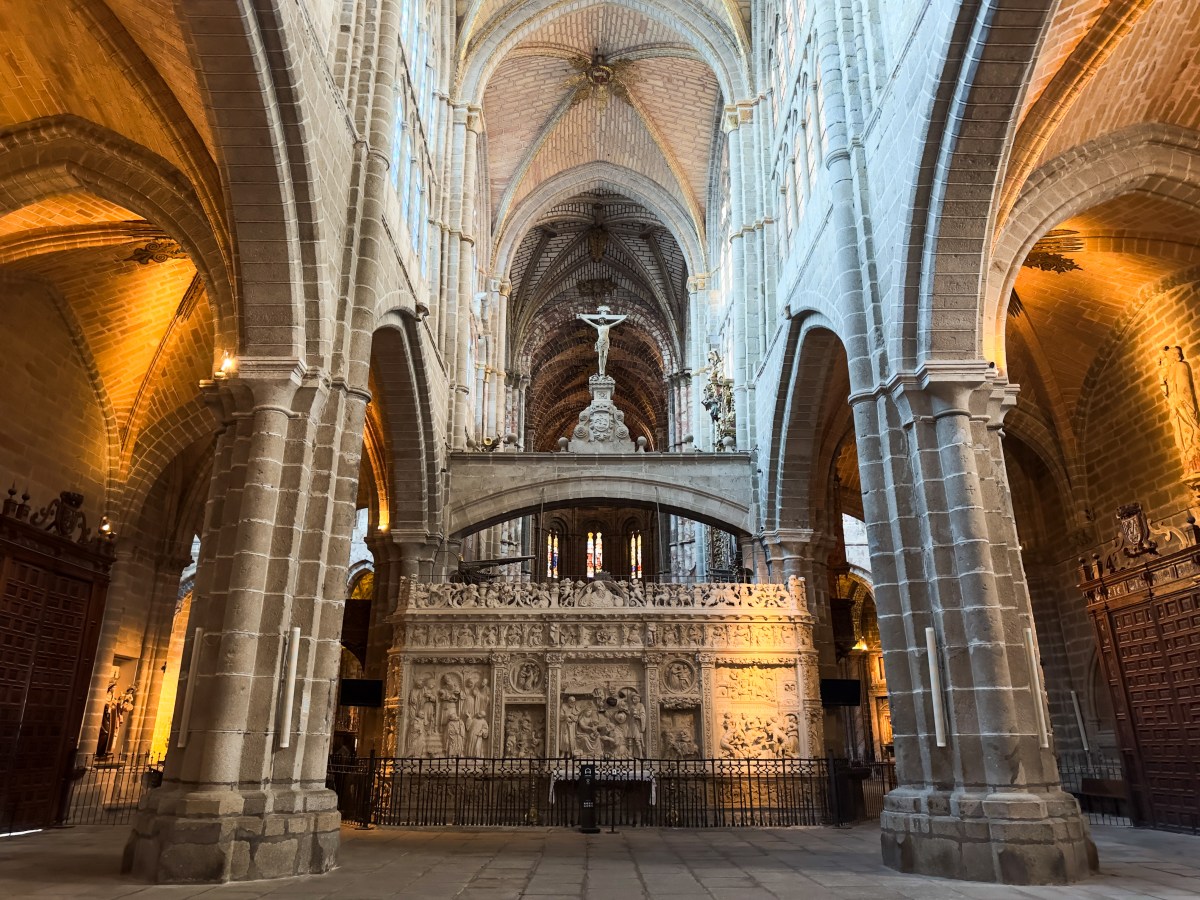
Furthermore, Ávila itself is a city steeped in history, with numerous other attractions to explore. Be sure to visit the magnificent Ávila Cathedral, a stunning example of Gothic architecture, and the Convento de Santa Teresa, the birthplace of the revered Spanish mystic, Saint Teresa of Ávila.
Photos



Ávila
Ávila is a lovely and historic city located in the heart of Spain, known for its well-preserved medieval walls and rich cultural heritage. If you’re considering visiting Ávila, you’re in for a treat as it offers a unique blend of history, architecture, and traditional Spanish culture. History and Architecture: The most striking feature of Ávila…
Thanks for visiting! I hope you have a great trip.
 Meticulous Meanderings