

Hello, I’m Veronica
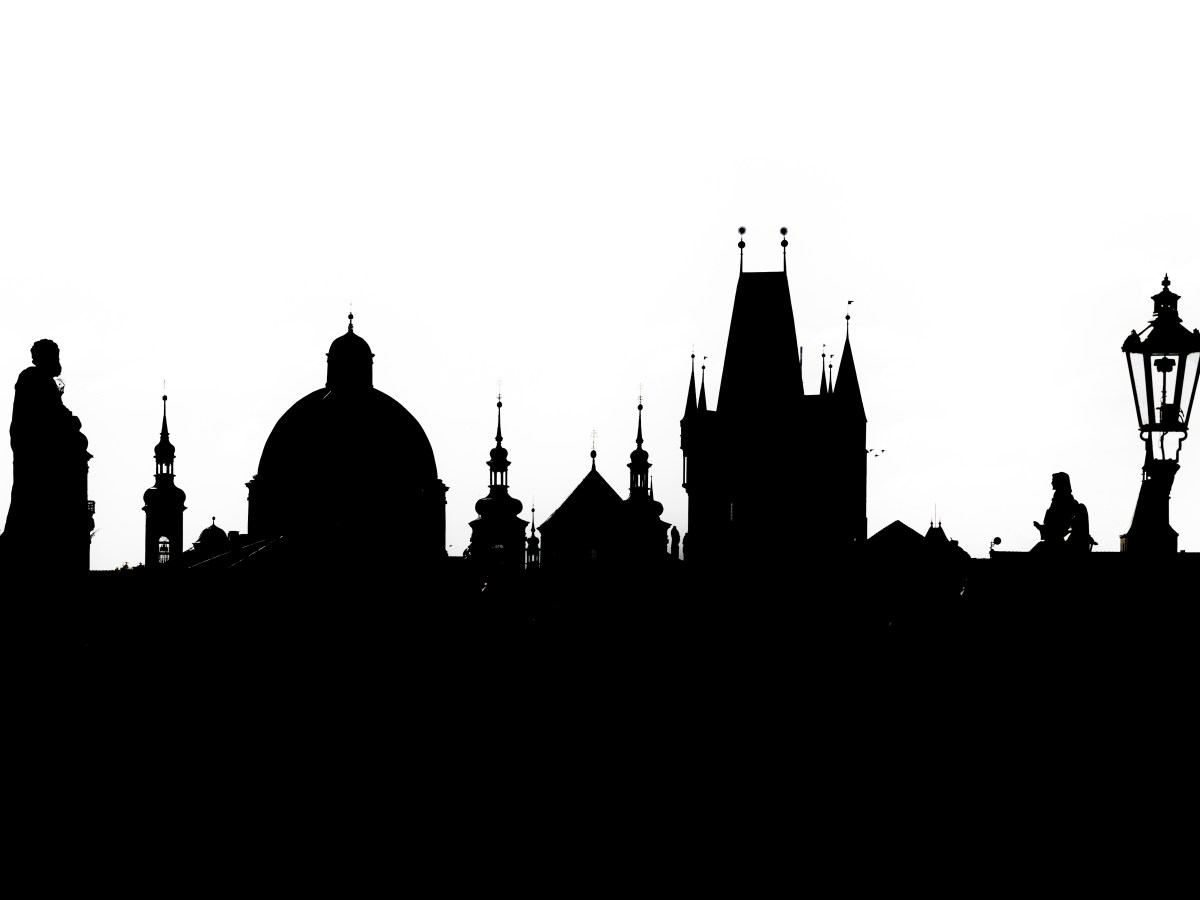
The sky is not completely dark at night. Were the sky absolutely dark, one would not be able to see the silhouette of an object against the sky.


-
Torre dos Clérigos
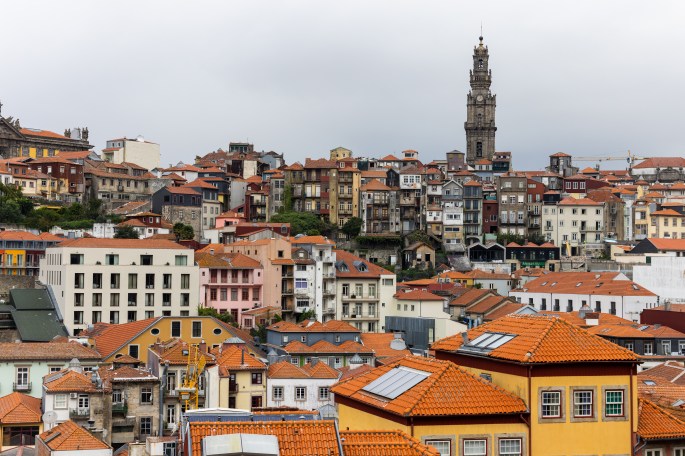
The Clérigos Tower is an iconic landmark that you must not miss when visiting Porto, Portugal. It is a magnificent structure located in the heart of the city and stands tall and proud, offering breathtaking panoramic views of the surroundings.
Rising to a height of approximately 76 meters (249 feet), the tower is part of the Clérigos Church complex, which also includes a beautiful baroque-style church. Designed by the renowned Italian architect Nicolau Nasoni, the tower was completed in 1763 and has since become one of Porto’s most recognizable symbols.
To reach the top of the tower, you will need to climb a narrow spiral staircase consisting of 225 steps. While the ascent may seem daunting at first, the reward at the summit is truly worth it. As you make your way up, you’ll notice the walls adorned with intricate details and historical artifacts, adding to the charm and sense of history.
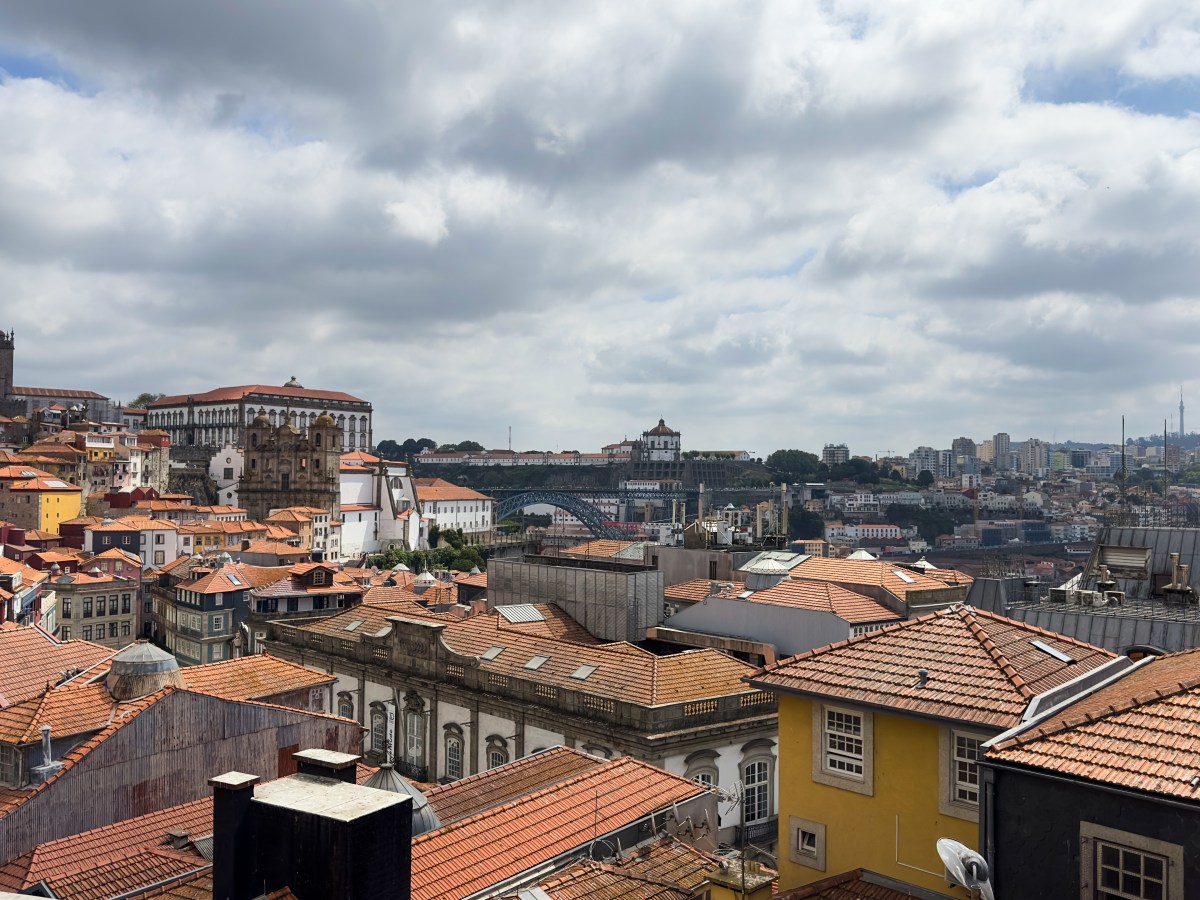
Once you reach the top, you will be greeted by a panoramic view of Porto’s historic center and its picturesque surroundings. On a clear day, you can see the meandering Douro River, the colorful tiled rooftops of the city, and even catch a glimpse of the Atlantic Ocean in the distance. It’s a magical experience that allows you to appreciate the city’s beauty from a unique perspective.
Beyond the stunning views, the Clérigos Tower offers a glimpse into Porto’s rich history and architectural heritage. The tower’s granite construction is a testament to the city’s craftsmanship, and its baroque style is a marvel to behold. As you explore the tower, you can also learn about its historical significance and the cultural importance it holds for the people of Porto.
Surrounding the tower, you’ll find a lively square where locals and tourists gather to relax and soak in the vibrant atmosphere. The area is filled with charming cafes, restaurants, and shops, making it an ideal spot to take a break, enjoy a meal, or indulge in some retail therapy.
Visit Notes
I bought a ticket online in advance and the ticket instructions told me to get in the priority access line when I got to the tower. I did that and got yelled at. I was told to just get in line with all the other people who were buying tickets. So, as far as I can tell, there is no benefit to buying your ticket online before you go. Just something to be aware of.
The tower climb takes you to the balcony of the church and through rooms with religious art and exhibits. The climb to the top of the tower isn’t bad and the stairs are stone rather than some of the towers that have rickety, terrifying wood stairs. I suffer from a fear of heights so being outside on the top of the tower was a little nerve wracking for me, but I’ve been on worse towers. The views are spectacular.

Discounted admission with the Porto.CARD
Photos


Other Sights
-
Praça Gomes Teixeira

Praça Gomes Teixeira, also known as Praça dos Leões, is a charming square located in the heart of Porto, Portugal. It is a must-visit destination for those exploring the city and looking to immerse themselves in its rich history and vibrant atmosphere.
The square is named after Gomes Teixeira, a renowned Portuguese mathematician, and is characterized by its distinctive layout and architectural features. One of the most prominent landmarks in the square is the Lion Fountain, which serves as its centerpiece. The fountain features four magnificent lions, surrounded by decorative elements.
Praça Gomes Teixeira is situated in the university district, and as such, it exudes a youthful and energetic ambiance. It is a popular meeting place for students, locals, and tourists alike, making it a fantastic spot for people-watching and soaking up the lively atmosphere. The square is also surrounded by various historic buildings, including the imposing facade of the University of Porto’s Faculty of Sciences.
One of the reasons why Praça Gomes Teixeira is so beloved is its proximity to other important attractions in Porto. Just a short walk away, you’ll find the iconic Livraria Lello, a stunning bookstore famous for its beautiful architecture and magical atmosphere. Additionally, the square is located near the vibrant Rua das Galerias de Paris, a street lined with trendy bars, restaurants, and nightlife options.
Visitors to Praça Gomes Teixeira can take their time to explore the square and its surroundings. There are benches where you can sit and relax, enjoying the pleasant surroundings and the buzzing energy of the city. It’s also a great place to start your walking tour of Porto, as many other attractions and neighborhoods are easily accessible from here.
Details
Praça de Gomes Teixeira 10, 4050-526 Porto, Portugal
Photos


Other Sights
-
Igreja do Carmo

How often do you find two churches, side by side, separated by a strange, one meter wide house? Well, you have the chance to see it in Porto.
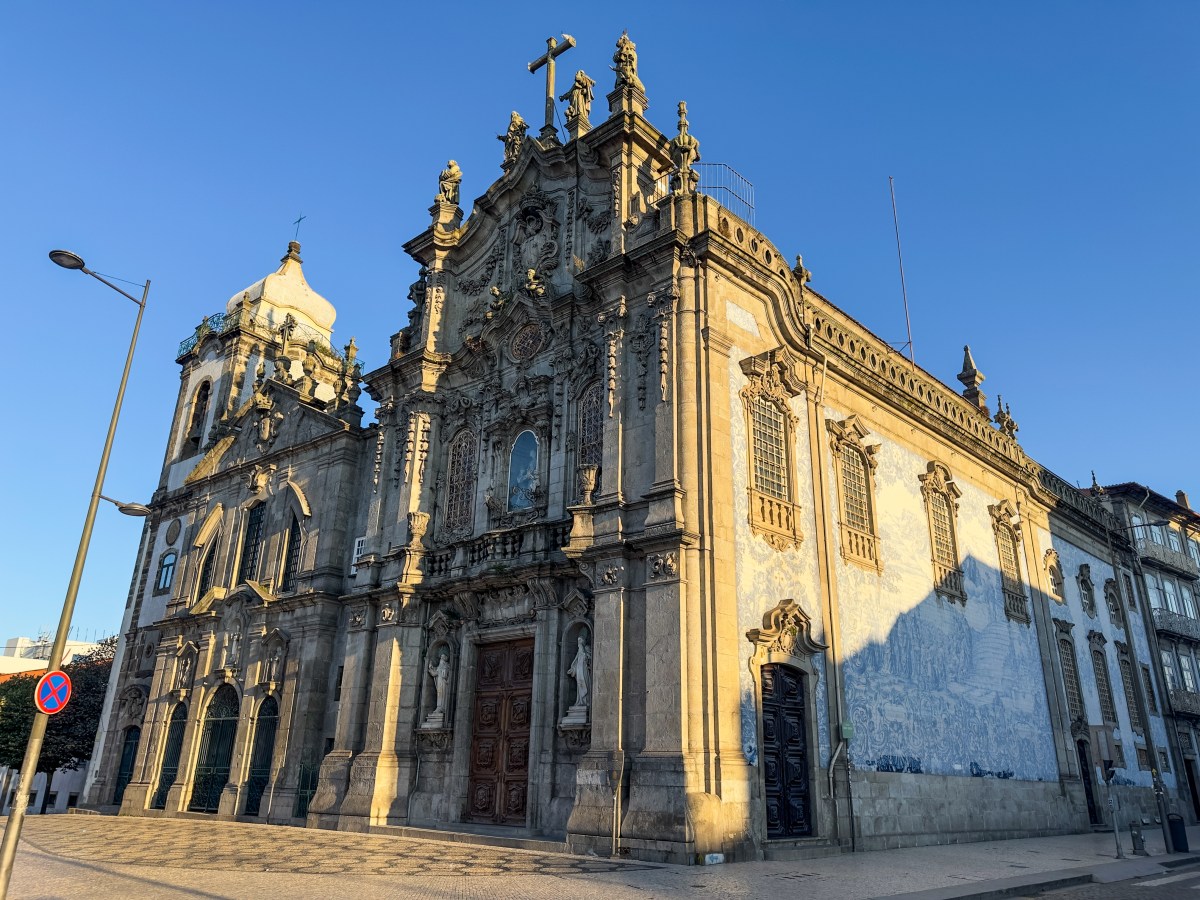
The Igreja do Carmo and the Igreja dos Carmelitas are two beautiful churches located on Rua do Carmo. The Igreja do Carmo was built for Carmelite monks, while the Igreja dos Carmelitas was built for Carmelite nuns. Some say the house in between was built to keep the nuns and the monks from fraternizing. The real reason is probably more pragmatic, it would have looked strange to have a skinny space between the two buildings. Whichever story you believe, the house was in use until the 1980’s for various purposes, including housing for the chaplains and the artists who worked on the churches.
The church on the right, the Igreja do Carmo is a striking example of the Baroque architecture that flourished in the 18th century. Its facade is adorned with intricate carvings and decorative elements, showcasing the craftsmanship of the time. The exterior is predominantly made of granite, which gives it a solid and majestic appearance. On the side of the building you will find a wall of azulejo tiles, added in 1912, detailing the founding of the Carmelite order.
As you enter the Igreja do Carmo, you will be amazed by the grandeur of the interior. The church features a single nave with ornate altarpieces and gilded details that create a sense of opulence. The beautiful ceiling frescoes add a touch of color and vibrancy to the space.
You can also visit the catacombs at the back of the church. The stairs will take you down to view some mummified remains of monks who served in the order, as well as the very ornate silverware of the order of Carmo.
Visit Notes
Let me say first that the outside of the church is gorgeous, even though during our visit the tiles were covered in some sort of protective gauze. I highly recommend seeing the outside.
The inside is another story. I’m not sure how much I enjoyed this visit. I think on my list of sights in Porto it’s somewhere near the bottom. I’m not entirely sure why… maybe it’s because everything just felt a little disappointing. I was expecting the catacombs to be more interesting, but it was just some bones in a hole. I was expecting the view from balcony at the front of the church to be better, but there wasn’t much to see. The church itself was dark and felt a little unloved. The house in between was uninteresting and smelled of mold.
There are much better things to see in Porto, my suggestion is to see the outside and save your money by skipping the inside.
Photos


-
Prague Royal Castle

(AKA Pražský hrad)
The Prague Castle, located in the heart of Prague, Czech Republic, is an architectural masterpiece and one of the most significant landmarks in the country. Its rich history spans over a millennium, and it holds great cultural, political, and historical importance.
The origins of Prague Castle date back to the 9th century when it was founded by Prince Bořivoj of the Premyslid Dynasty, which played a crucial role in the establishment of the Czech state. Over the centuries, the castle underwent numerous expansions and renovations, reflecting the evolving architectural styles and the changing rulers of the region.
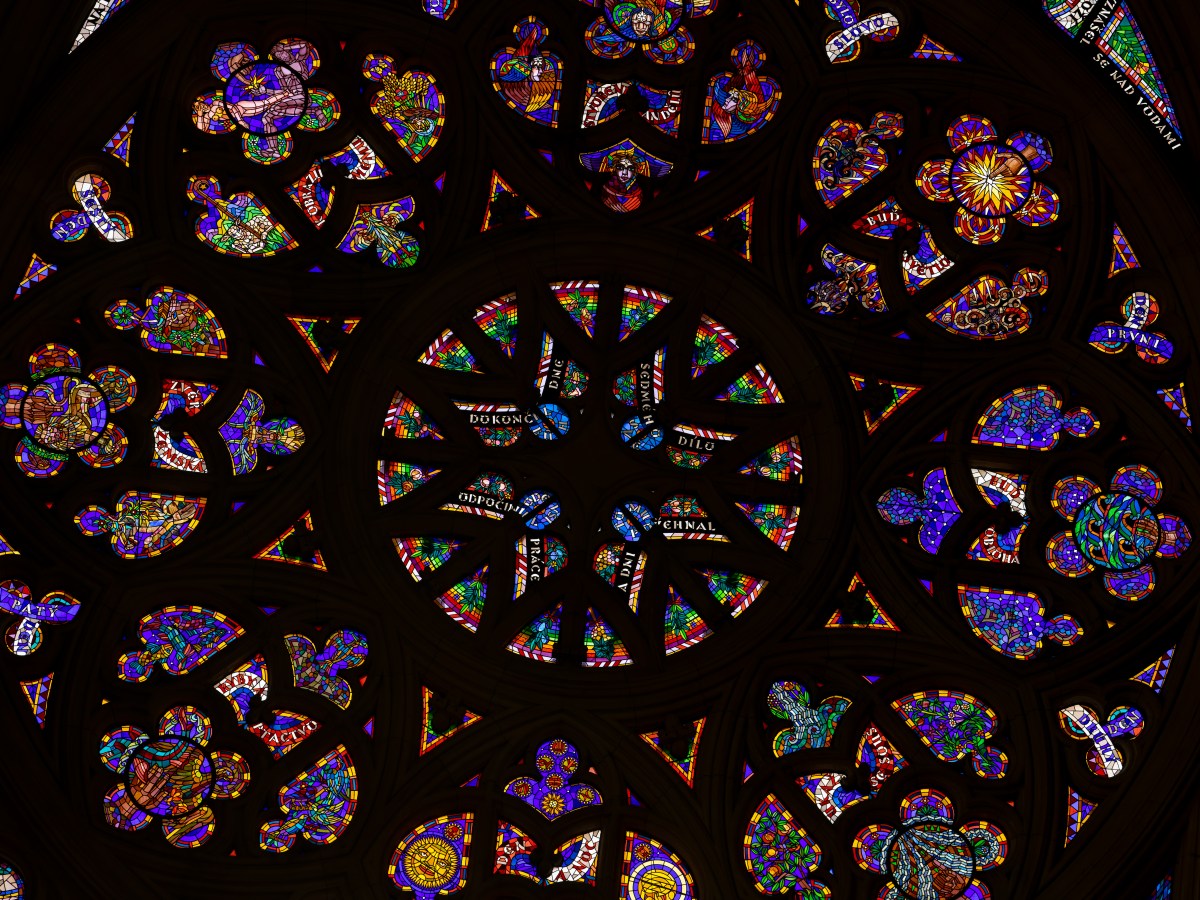
During the 14th century, Emperor Charles IV transformed Prague Castle into a luxurious Gothic residence, expanding it further and adding the iconic St. Vitus Cathedral, which became a symbol of the city. The cathedral’s construction took centuries to complete, blending Gothic, Renaissance, and Baroque elements, and its stunning stained glass windows and intricate details make it a must-see attraction within the castle complex.
In the following centuries, Prague Castle witnessed the rule of various dynasties and underwent further modifications. Notably, the Renaissance period left its mark with the addition of the Royal Garden, which served as a tranquil retreat for the ruling families.
The castle’s significance reached its peak during the reign of Rudolf II in the late 16th century. Rudolf II was a patron of the arts and sciences and attracted numerous scholars, alchemists, and artists to his court, making Prague a hub of cultural and intellectual activities.
In the early 18th century, the castle underwent a Baroque transformation under the Habsburg emperors. The notable architects of the time, such as Giovanni Santini and Kilian Ignaz Dientzenhofer, contributed to the grandeur of the castle complex. The elegant facades, grand halls, and beautiful gardens exemplify the Baroque style and create a magnificent ambiance.
During the 20th century, Prague Castle witnessed significant events in Czechoslovakia’s history. It became the residence of presidents and was at the center of political power. In 1989, the Velvet Revolution, a peaceful transition of power, started with mass demonstrations in Prague, leading to the end of communist rule in Czechoslovakia.
Today, Prague Castle serves as the official residence of the President of the Czech Republic and remains an important cultural and historical site. Visitors can explore its vast complex, including the Old Royal Palace, the Golden Lane with its charming historic houses, and the picturesque gardens with breathtaking views of the city.
Visiting Prague Castle provides a unique opportunity to immerse yourself in the rich history of the Czech Republic. From its medieval origins to the magnificent architectural styles that followed, the castle offers a captivating journey through time. The combination of stunning buildings, art collections, and panoramic vistas makes it a must-visit destination for anyone interested in history, architecture, and the cultural heritage of Prague.
St. Vitus Cathedral
(AKA Katedrála Sv. Víta) St. Vitus Cathedral is an architectural marvel and a must-see attraction for anyone visiting this historic city. It is one of the most prominent and significant religious landmarks in Prague and holds great cultural and historical importance. The cathedral’s construction began in the 14th century and spanned several centuries, resulting in…
St. George’s Basilica
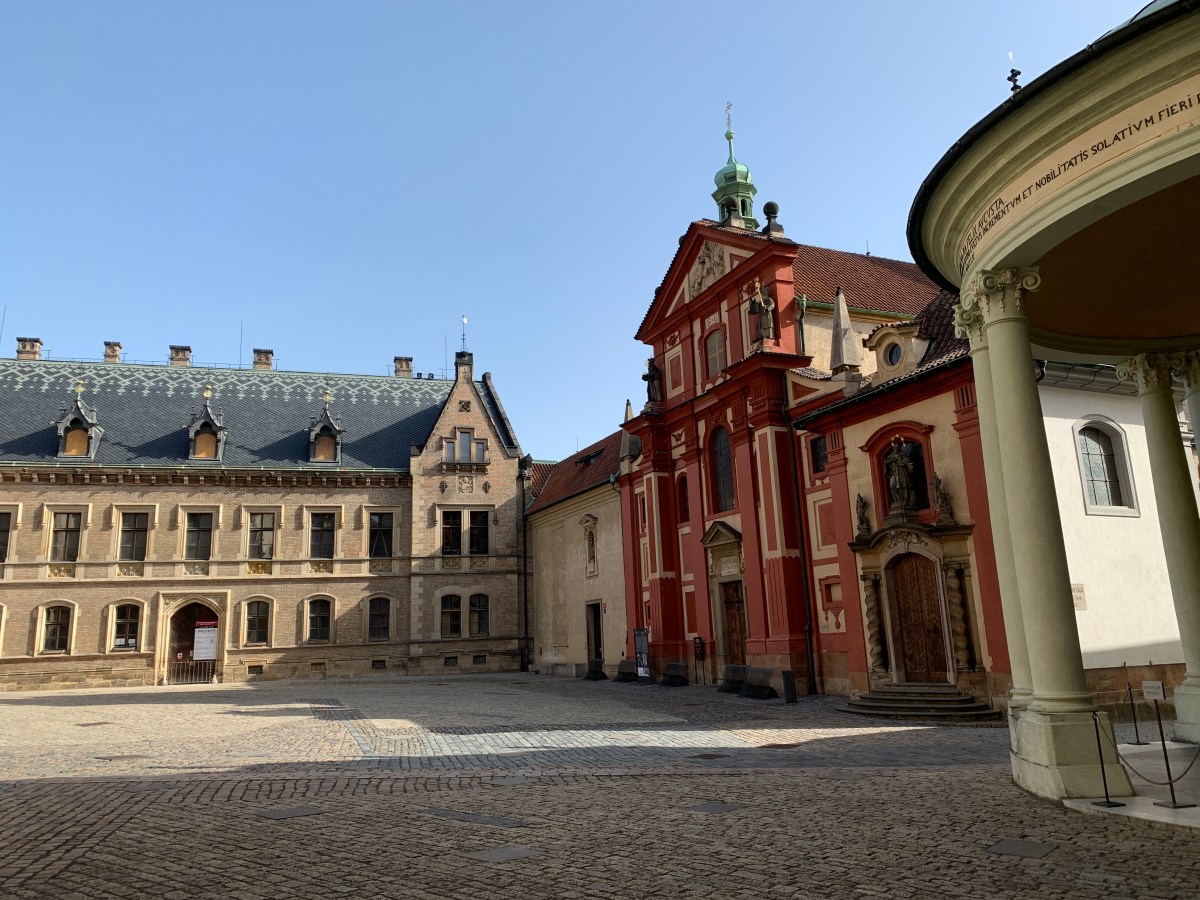
(AKA Bazilika Svatého Jiří) St. George’s Basilica is a magnificent architectural gem nestled within the Prague Castle complex in Prague, Czech Republic. It is one of the oldest surviving churches in the city, dating back to the 10th century, and is steeped in history and religious significance. As you approach the basilica, you’ll be captivated…
Golden Lane
The Golden Lane at Prague Castle is a charming and historic street tucked away within the magnificent Prague Castle complex, located in the heart of the city of Prague, Czech Republic. It is a must-visit destination for anyone interested in history, culture, and picturesque surroundings. The Golden Lane, also known as Zlatá ulička in Czech,…
Old Royal Palace
(AKA Starý Královský Palác) The Old Royal Palace, located within the Prague Castle complex in the enchanting city of Prague, Czech Republic, is a remarkable historical site that shouldn’t be missed by any visitor. With its rich history, architectural grandeur, and stunning views, the palace offers a captivating glimpse into the city’s royal past. The…
Visit Notes
The castle complex grounds open at 6:00, so you can walk around well before the crowds arrive. If you go that early you also get the benefit of having the Charles Bridge to yourself on the walk over.
You will buy a ticket to the “Prague Castle Circuit” which includes admission to the list of attractions above. There will likely be special exhibitions not included in the circuit ticket for which you can purchase admission separately.
Details
Hradčany, 119 08 Prague 1, Czechia
April through October
9:00 – 17:00
November through March
9:00 – 16:00
Attraction opening days and times can change with no warning.
Always double-check information with the official website before making any plans
Photos


Other Sights
-
Old Town Square

(AKA Staroměstské náměstí)
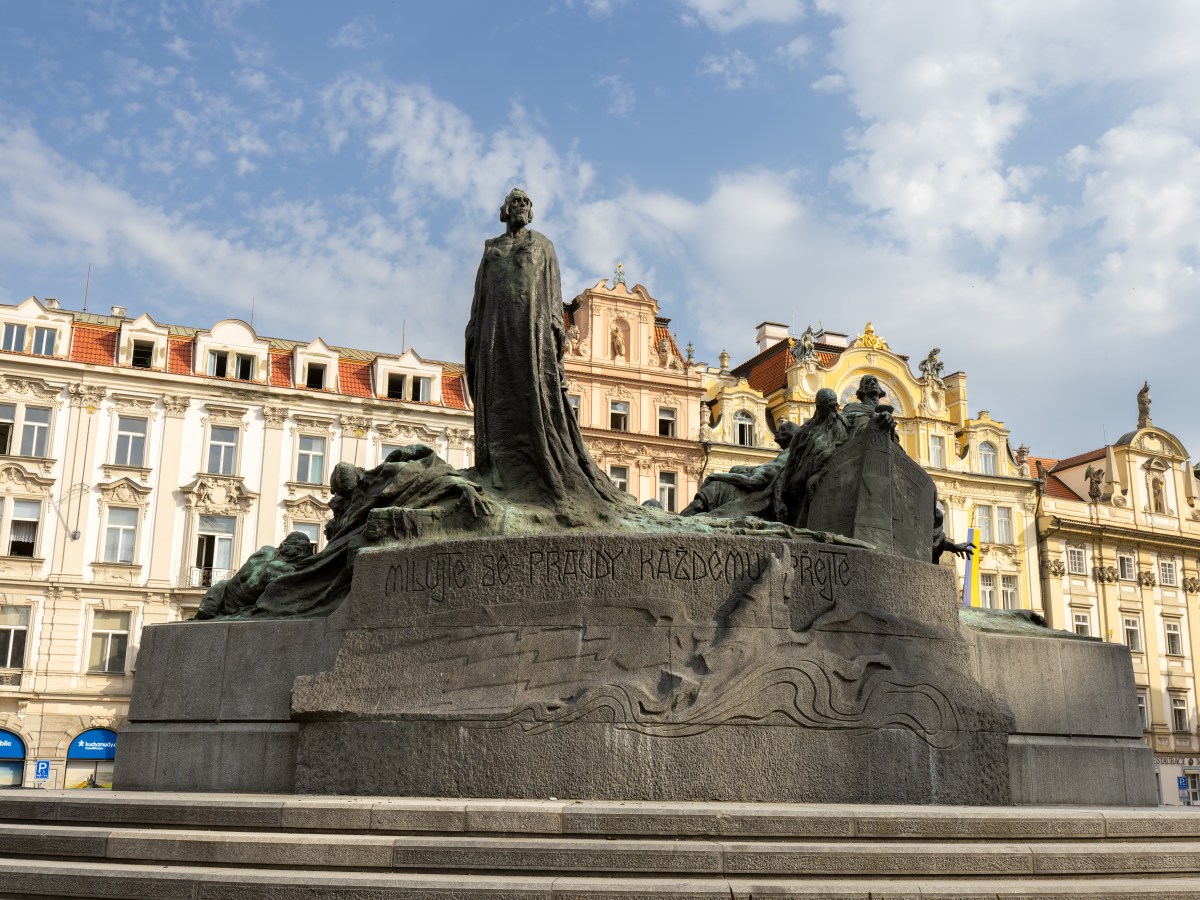
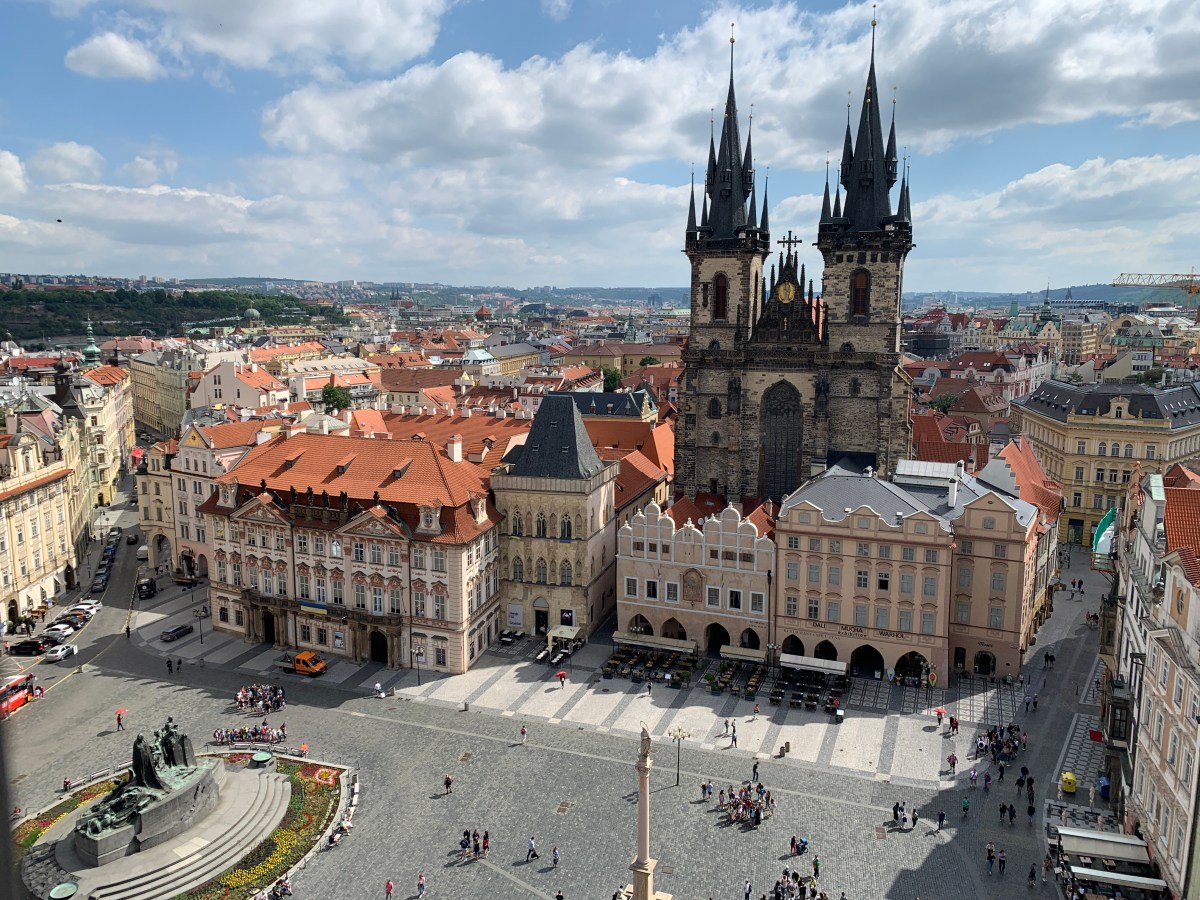
The square dates back to the 12th century and has witnessed countless significant events throughout the centuries. It is surrounded by stunning buildings representing various architectural styles, which beautifully blend together to create a unique and picturesque atmosphere.
One of the most prominent landmarks in Old Town Square is the Astronomical Clock, a masterpiece of medieval engineering and craftsmanship. This intricate clock, adorned with intricate sculptures and symbols, attracts crowds every hour as it comes to life, displaying a fascinating mechanical show.
Another architectural gem is the Church of Our Lady before Týn, a Gothic masterpiece with its soaring spires dominating the skyline. The church’s exterior is adorned with intricate stone carvings, while the interior features impressive vaulted ceilings and stunning artwork.
Old Town Square is also home to numerous colorful and elegant townhouses, some of which have been converted into restaurants, cafes, and shops. These establishments offer a perfect opportunity to take a break, indulge in delicious Czech cuisine, and soak up the vibrant atmosphere of the square.
As you explore the square, you will notice a bustling ambiance filled with street performers, artists, and market stalls. During the Christmas season, the square transforms into a winter wonderland with a magnificent Christmas tree and a charming market selling traditional crafts and tasty treats.
Aside from its architectural and cultural wonders, Old Town Square is an excellent starting point for exploring Prague’s other attractions. From here, you can easily access the famous Charles Bridge, the magnificent Prague Castle, and the charming streets of Lesser Town.
Visit Notes
You’ll want to walk around the square, probably several times. Like the Charles Bridge, I think there’s a law that all tourists have to visit. Take your time admiring the buildings and maybe get some ice cream. There are plenty of places to eat on the square, but I tend to avoid eating at very touristy places as the food is not as good. Maybe stick with the ice cream.
Details
Staroměstské nám., 110 00 Josefov, Czechia
Photos


Other Sights






















About Me
The sky is not completely dark at night. Were the sky absolutely dark, one would not be able to see the silhouette of an object against the sky.
Follow Me On
Subscribe To My Newsletter
Subscribe for new travel stories and exclusive content.
 Meticulous Meanderings
You must be logged in to post a comment.