
Hello, I’m Veronica
The sky is not completely dark at night. Were the sky absolutely dark, one would not be able to see the silhouette of an object against the sky.


-
The Church of Our Lady before Týn

(AKA Chrám Matky Boží před Týnem)
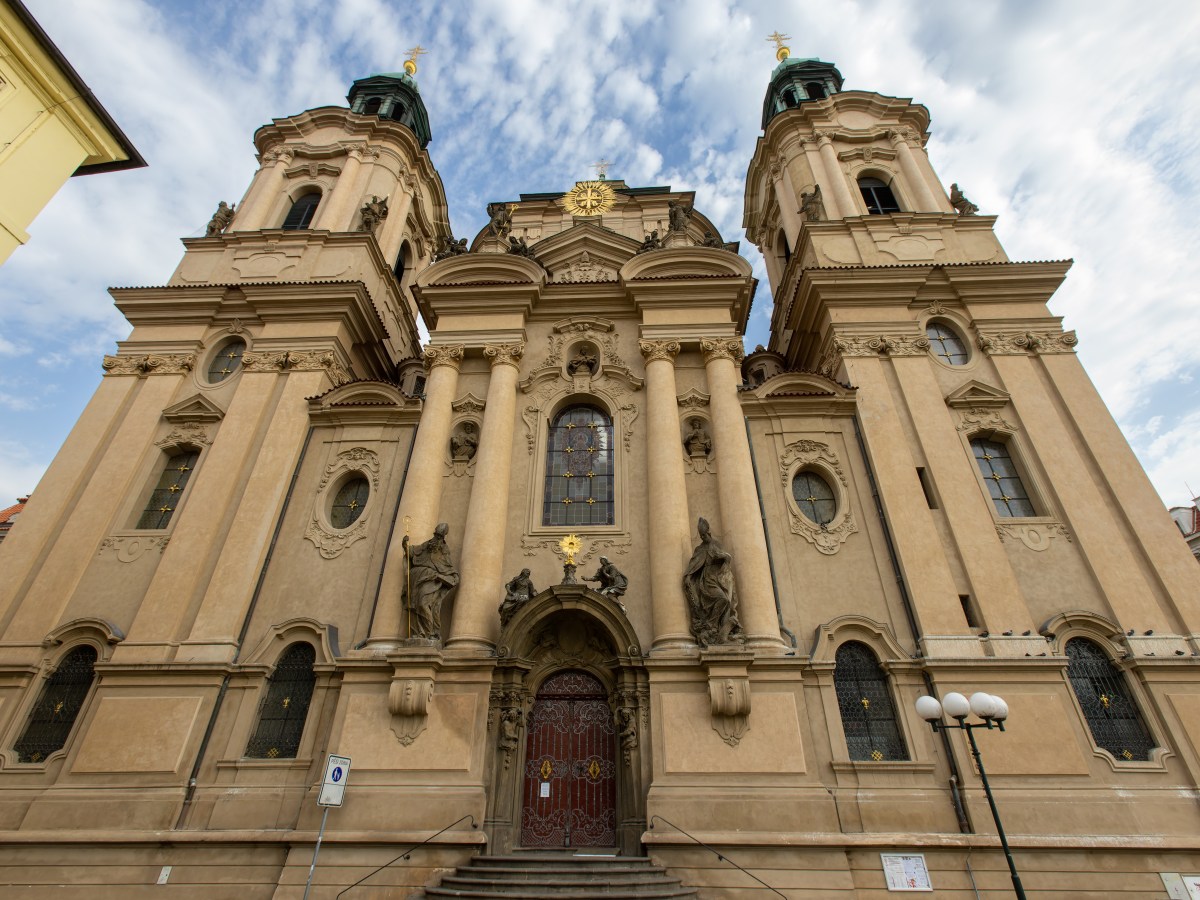
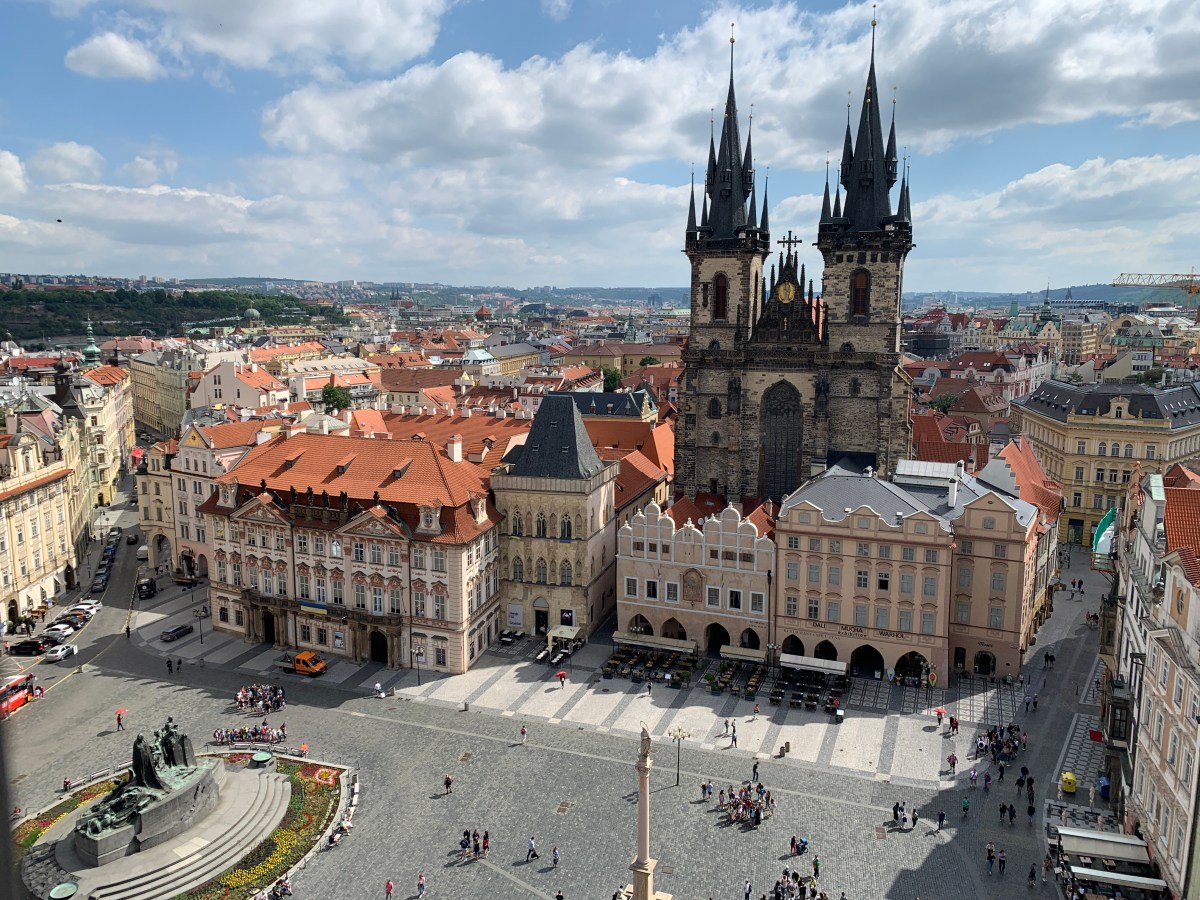
Located in the heart of Prague’s Old Town Square, the church is a prominent landmark that dominates the skyline with its two massive towers. It’s hard to miss and offers a striking visual experience from almost every angle.
As you approach the church, you’ll be captivated by its intricate and ornate exterior. The facade is adorned with a profusion of spires, sculptures, and decorative elements, showcasing the remarkable craftsmanship of the medieval architects and craftsmen. The most notable feature is the asymmetry of the towers: one is slightly taller and more slender than the other, creating a unique and visually intriguing effect.
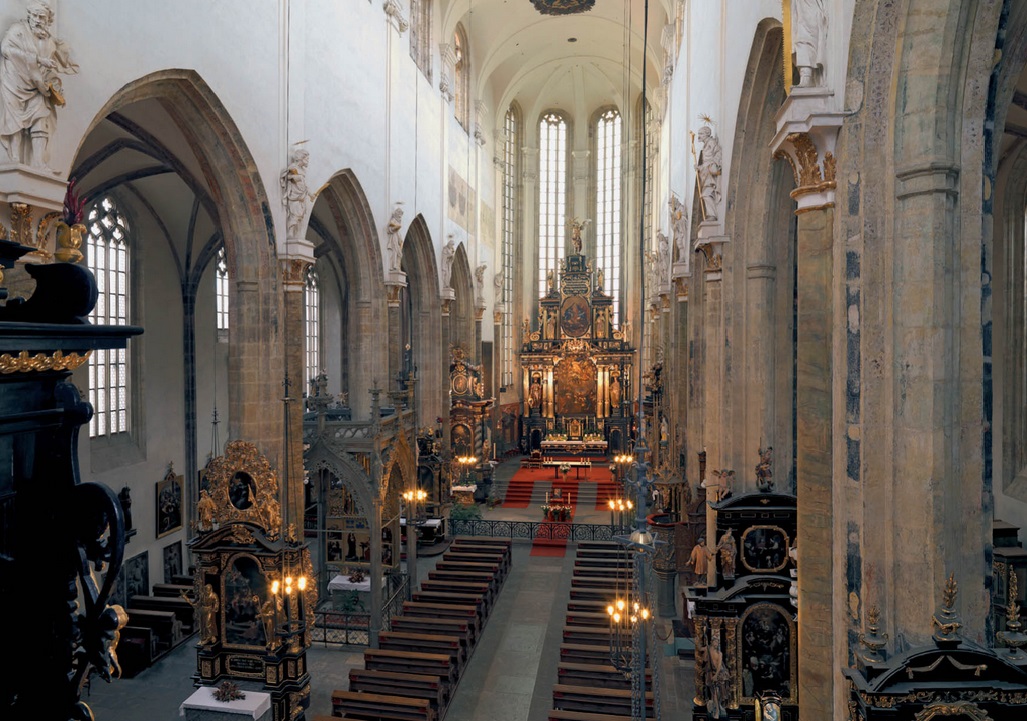
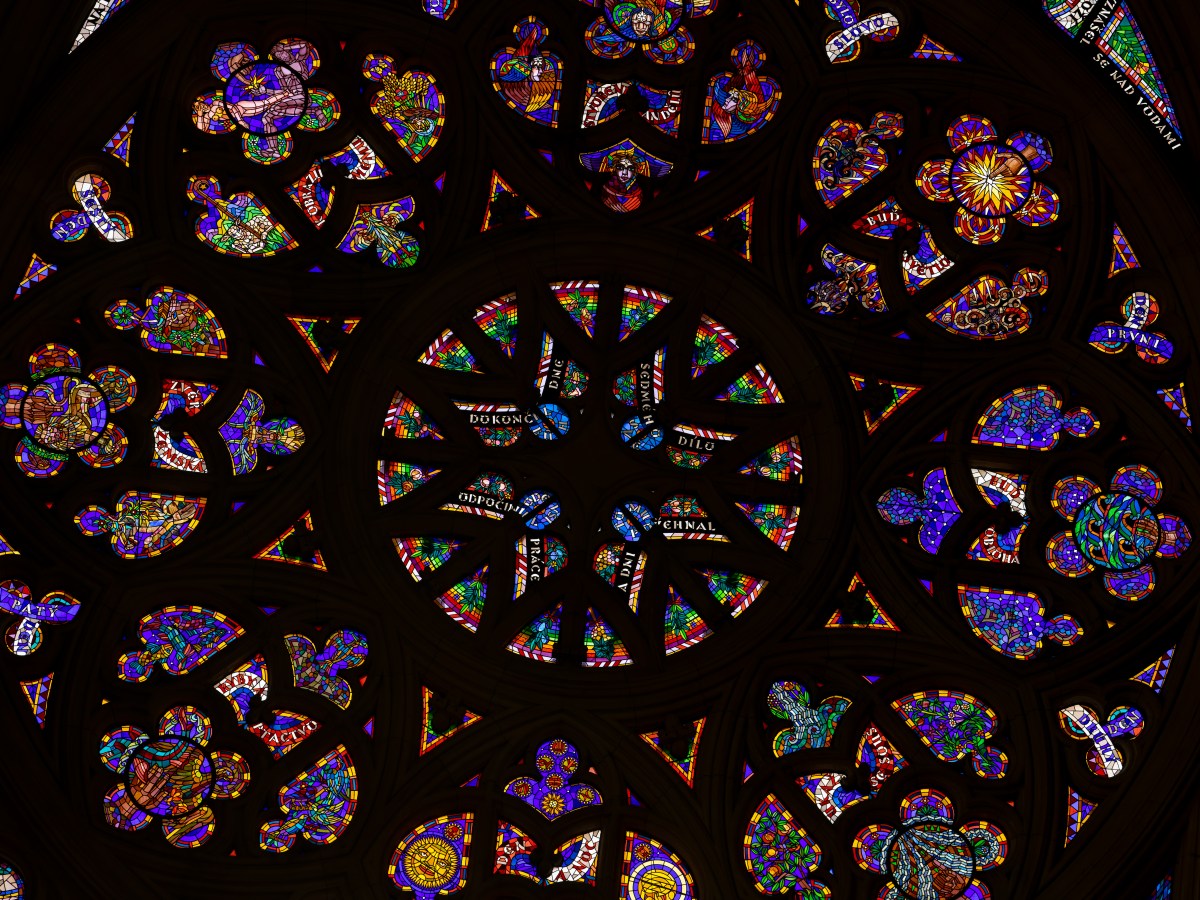
Step inside, and you’ll find yourself immersed in a breathtaking interior. The church’s grandeur is accentuated by its soaring vaulted ceilings, elaborate stained glass windows, and beautifully carved altars. The nave is spacious and adorned with numerous Baroque and Renaissance artworks, including the remarkable Baroque organ.
One of the most famous elements of the Church of Our Lady before Týn is the stunning main altar, which dates back to the 17th century. The altar is a masterpiece of Gothic and Renaissance sculpture, depicting scenes from the life of the Virgin Mary and Jesus. It’s a true feast for the eyes and a testament to the talent of the artists who created it.
Visit Notes
First thing to note, photography is not allowed in the church. That, of course, does not stop people, but really we should all be following the rules. They don’t need to let us into their beautiful architectural treasures and it could be taken away from us at any time.
While I thought this church was beautiful, it lacked…. something. I don’t know. This one just didn’t do it for me. It could be the fact that photography is not allowed and I was therefore not as engaged as usual. It just felt… cold. The views of the outside of the church top anything we saw inside, in my opinion.
My daughter is a music lover and is a big fan of the organ here, so I sprang for a postcard so she could have a picture.
Details
Address
Tuesday 10:00 – 13:00 and 15:00 – 17:00
Wednesday 10:00 – 13:00 and 15:00 – 17:00
Thursday 10:00 – 13:00 and 15:00 – 17:00
Friday 10:00 – 13:00 and 15:00 – 17:00
Saturday 10:00 – 13:00 and 15:00 – 17:00
Sunday 10:30 – 12:00
Attraction opening days and times can change with no warning.
Always double-check information with the official website before making any plans
Photos
© Milan Kincl 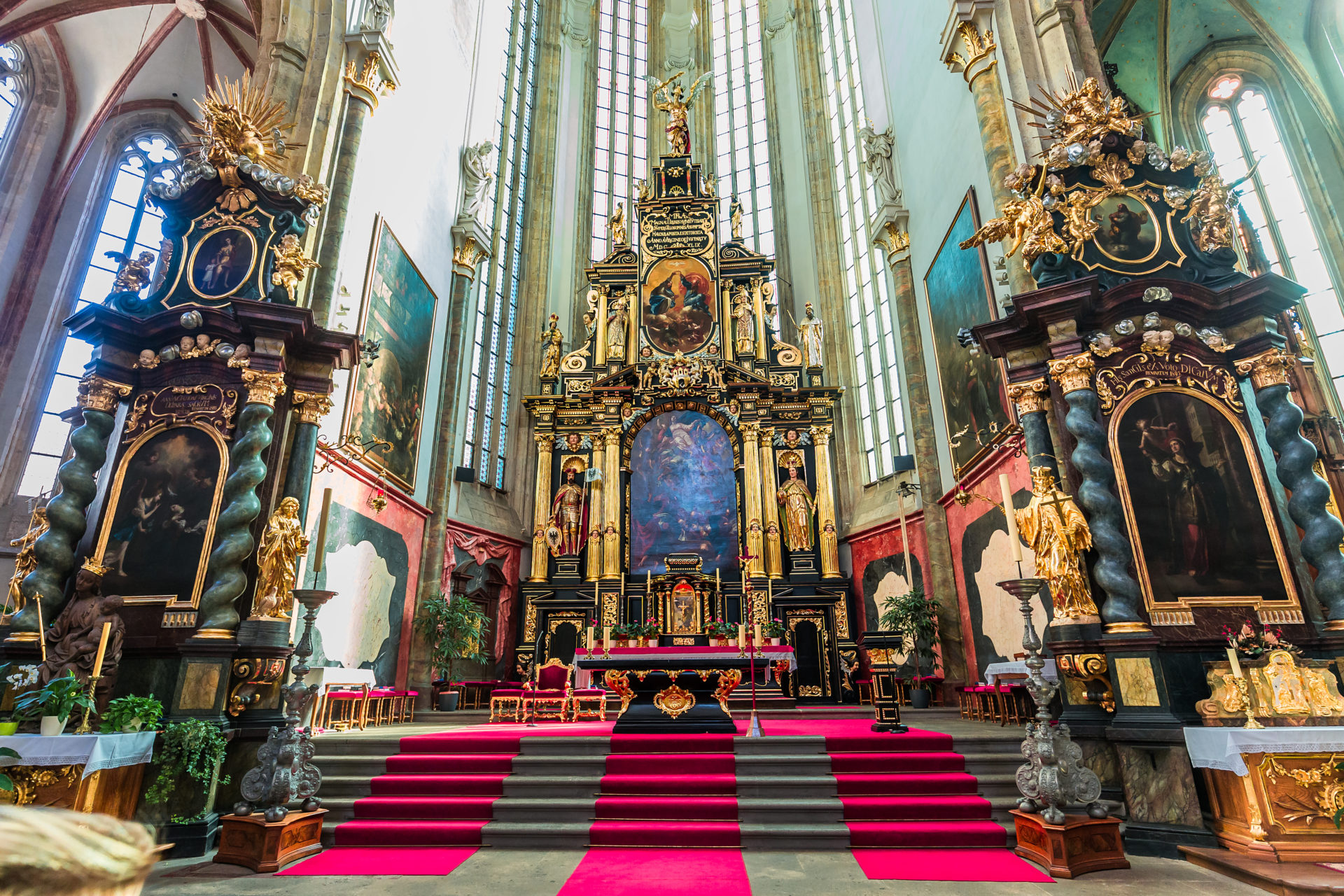
© Prague Guide 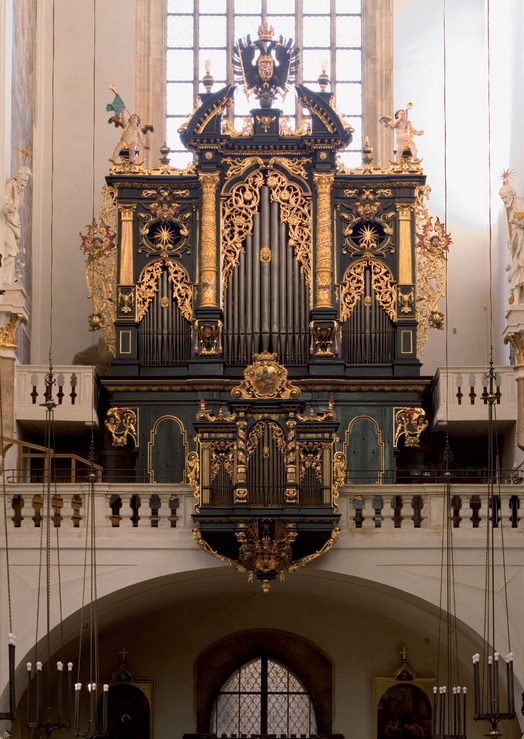
© Milan Kincl 
Other Sights
-
Vyšehrad Cemetery

One of the oldest cemeteries in Prague, Vyšehrad Cemetery has been the final resting place for many prominent figures in Czech history since its establishment in 1869. As you wander through the cemetery, you’ll encounter beautifully crafted tombstones and gravestones, each telling a unique story of the individuals laid to rest there.
The cemetery’s peaceful and serene atmosphere adds to its charm. It is a tranquil oasis away from the bustling city, where visitors can take a moment to reflect and appreciate the legacies of the people buried here. The setting, surrounded by ancient trees and overlooking the river, creates a picturesque and contemplative ambiance.
One of the most remarkable aspects of Vyšehrad Cemetery is its association with famous Czech artists, musicians, writers, and intellectuals. You will find the final resting places of renowned figures such as composer Antonín Dvořák, poet Jan Neruda, novelist Karel Čapek, and painter Alphonse Mucha. These personalities have left an indelible mark on Czech culture, and their graves serve as a testament to their contributions.
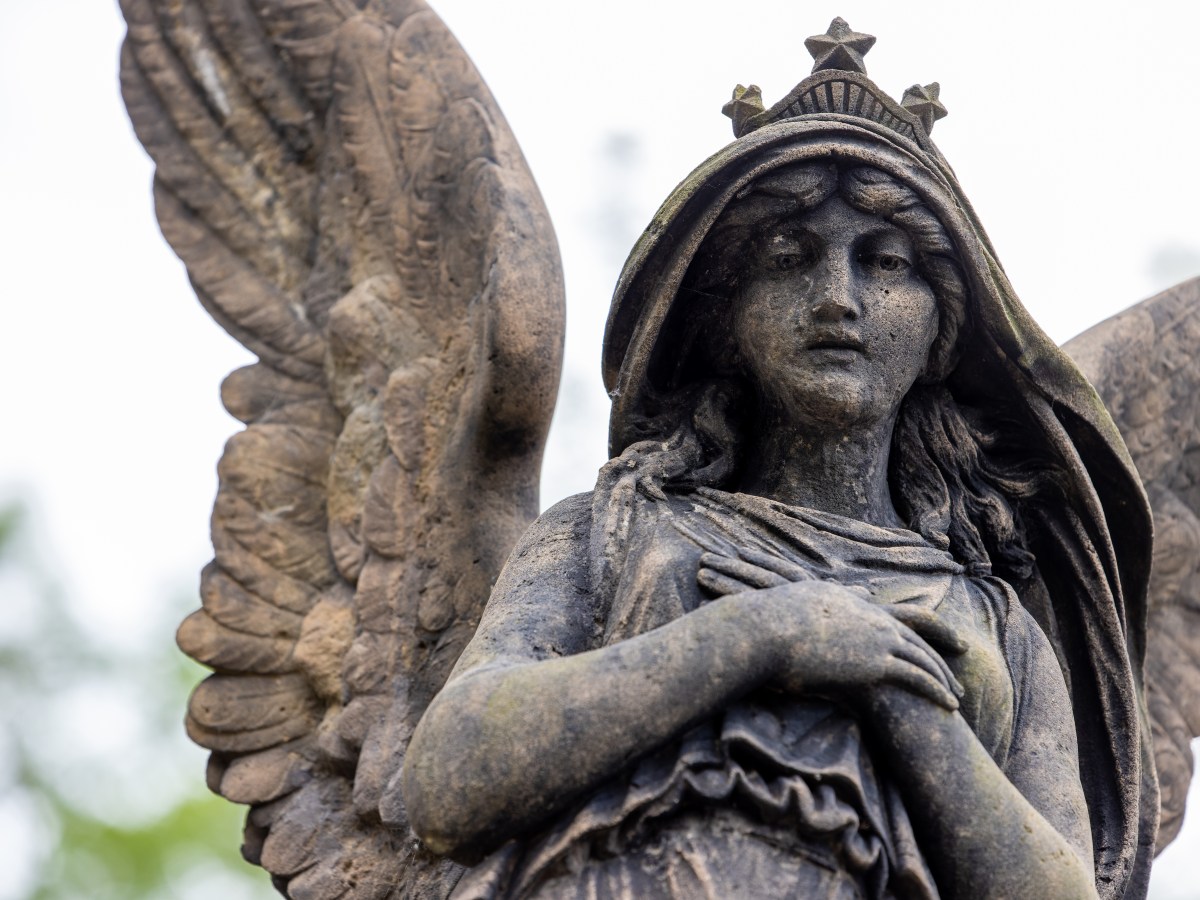
As you explore the cemetery, you’ll notice a diverse range of tombstone designs and architectural styles, reflecting the various artistic movements and tastes of different periods. From elaborate sculptures and Art Nouveau adornments to simple gravestones, each burial site has its own character, making the visit an artistic journey in itself.
To fully appreciate the significance of Vyšehrad Cemetery, it is recommended to visit with a guide who can provide insights into the lives and achievements of the individuals buried there. Many guided tours are available, allowing you to delve deeper into the stories and legacies behind the gravestones.
Visit Notes
If you enjoy cemeteries, this one is a delight. There are many fascinating tombstones to explore and very few people around. While you’re here do yourself a favor and visit the Saints Peter and Paul Basilica next door.
Details
K Rotundě, Vyšehrad, 128 00 Praha 2, Czechia
8:00 – 19:00
Attraction opening days and times can change with no warning.
Always double-check information with the official website before making any plans
Photos


Other Sights
-
Saints Peter and Paul Basilica

(AKA Bazilika svatého Petra a Pavla)
The Saints Peter and Paul Basilica in Prague, Czech Republic is a magnificent architectural masterpiece that stands as a prominent landmark in the city. Located atop the iconic Vyšehrad Hill, this basilica offers not only a religious experience but also a glimpse into the rich history and cultural heritage of Prague.
As you approach the basilica, you’ll be captivated by its commanding presence and striking Gothic Revival style. The twin towers, reaching towards the sky, provide a dramatic silhouette against the Prague skyline. The exterior is adorned with intricate details, including decorative sculptures and ornate stained glass windows that add a touch of grandeur to the building.
Upon entering the basilica, you’ll be welcomed by a sense of tranquility and serenity. The interior is a breathtaking display of Neo-Gothic architecture, featuring high vaulted ceilings, elegant arches, and an abundance of religious artwork. The play of light through the stained glass windows creates a mesmerizing kaleidoscope of colors that bathes the space in a heavenly glow.
One of the highlights of the basilica is the ornate main altar, which serves as the focal point of worship. It is adorned with intricate carvings and statues, representing various saints and biblical scenes. The side chapels also house beautiful altars and relics, offering visitors a chance for quiet reflection and prayer.
Beyond its architectural and religious significance, the Saints Peter and Paul Basilica offers breathtaking views of the Vltava River and the city of Prague from its elevated position. The nearby Vyšehrad fortress and cemetery provide a peaceful escape from the bustling city below, allowing you to immerse yourself in the tranquil atmosphere of this historic site.
Visit Notes
The basilica is out of the way of the main tourist sights in Prague. Vyšehrad is worth visiting and you could easily spend the day exploring the entire complex, including the basilica.
Outside the basilica you can wander through the cemetery, visiting the graves of notable Czech artists, musicians, writers, and intellectuals. Here you will find the graves of composer Antonín Dvořák, poet Jan Neruda, novelist Karel Čapek, and painter Alphonse Mucha.
Inside, the basilica is a riot of color. Every surface is painted with patterns and figures, and the result is stunning. There is also a small museum of religious artifacts to explore.
Details
V Pevnosti 159/5b, 128 00 Praha 2-Vyšehrad, Czechia
April to October
Monday, Tuesday, Wednesday, Saturday
10:00 – 18:00
Thursday, Friday
10:00 – 17:30
Sunday
11:00 – 18:00
November – March
Monday – Saturday
10:00 – 17:00
Sunday
11:00 – 17:00
Attraction opening days and times can change with no warning.
Always double-check information with the official website before making any plans
Photos


-
Powder Tower
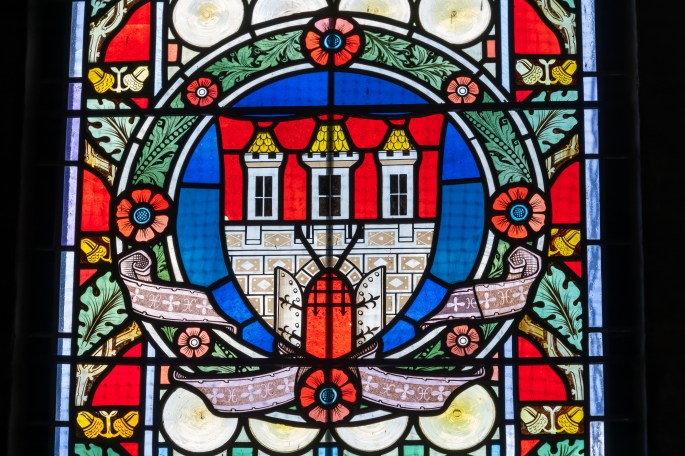
(AKA Prašná brána)
The tower, standing at a height of approximately 65 meters (213 feet), was originally built in the 15th century as part of the city’s fortifications. Its primary purpose was to serve as a ceremonial entrance to the Royal Route, which connected the Old Town with Prague Castle, the residence of Czech kings and queens.
As you approach the Powder Tower, you will be captivated by its Gothic-style architecture and intricate details. The tower is adorned with numerous sculptures, including depictions of Czech kings and coats of arms. Its distinctive dark grey color, which gives it its name, is a result of the black gunpowder that was stored inside the tower during the 17th century.
Upon entering the tower, you will find yourself immersed in a captivating exhibition that tells the story of Prague’s medieval past. The interior houses a museum dedicated to the history of the city’s fortifications, as well as various exhibits showcasing armor, weaponry, and medieval artifacts.
As you ascend the tower’s narrow spiral staircase, be prepared to be rewarded with breathtaking panoramic views of Prague’s historic center. From the top, you can admire the picturesque rooftops, the winding Vltava River, and the stunning spires of Prague Castle in the distance. It’s an ideal spot for photography enthusiasts or anyone seeking a bird’s-eye view of this enchanting city.
Visiting the Powder Tower is not only an opportunity to explore a fascinating historical monument but also a chance to delve into the cultural heritage of Prague. Its central location makes it easily accessible, and it serves as a gateway to some of the city’s most famous attractions, such as the Old Town Square and the Municipal House.
Visit Notes
One of many towers and viewpoints you can visit in Prague, the Powder Tower has some incredible views. The 186 stairs aren’t too scary and the balcony is enclosed enough to feel secure.
Details
Nám. Republiky 5, 110 00 Staré Město, Czechia
9:00 – 21:00
Attraction opening days and times can change with no warning.
Always double-check information with the official website before making any plans
Photos


-
Waldstein Garden

(AKA Valdštejnská zahrada)
As you step into the Waldstein Garden, you’ll be greeted by a serene ambiance and a sense of stepping back in time. The garden dates back to the 17th century and has retained its timeless charm throughout the centuries. It is named after Count Wallenstein, a prominent nobleman and military commander who once resided in the adjacent Wallenstein Palace.
The garden covers a significant area, providing ample space for leisurely strolls and exploration. Lush greenery, vibrant flowerbeds, and neatly trimmed hedges create a picturesque setting that will captivate your senses. The layout of the garden features a symmetrical design, adorned with statues, fountains, and ornate terraces.
One of the highlights of the Waldstein Garden is the stunning Sala Terrena, an impressive open-air arcade that overlooks the garden. This architectural masterpiece showcases intricate stonework and stunning frescoes, adding a touch of grandeur to the surroundings.
The garden is also home to a charming pond, where graceful swans glide across the water’s surface. The tranquil atmosphere around the pond makes it a perfect spot for reflection and relaxation.
During your visit, make sure to explore the various pathways that wind through the garden, leading you to hidden corners and cozy alcoves. You’ll discover quaint benches where you can sit and immerse yourself in the serenity of the surroundings, making it an ideal spot for a peaceful retreat from the bustling city.
The Waldstein Garden is not only a visual feast but also a haven for wildlife enthusiasts. As you wander through the garden, you might encounter squirrels scurrying among the trees or marvel at the array of bird species that call this garden their home. The harmonious coexistence of nature and historical architecture creates an enchanting environment that is a delight for both nature lovers and history buffs alike.
Whether you visit in the vibrant spring when the flowers are in full bloom, the lazy days of summer, or the crisp autumn months, the Waldstein Garden promises a memorable experience. It invites you to slow down, appreciate the beauty of nature, and relish the historical splendor that Prague has to offer.
Visit Notes
During our visit there was a group of folk singers serenading a crowd. We sat on a bench that was placed in the grass when a guard approached us and made us move the bench to the path. Apparently, you’re not allowed on the grass. I don’t know who put the bench there, but be advised, if you find a bench on the grass, it doesn’t belong there and you may get yelled at in Czech. Once the bench was in the proper place, it was a very pleasant spot to sit and rest.
There are white peacocks and peahens running around the place and it was fun finding and photographing them. There are fish and ducks in the pond, and owls in an enclosure.
Details
Letenská 123/4, 118 00 Malá Strana, Czechia
Monday to Friday
7:00 – 19:00
Saturday and Sunday
9:00 – 19:00
Attraction opening days and times can change with no warning.
Always double-check information with the official website before making any plans
Photos












About Me
The sky is not completely dark at night. Were the sky absolutely dark, one would not be able to see the silhouette of an object against the sky.
Follow Me On
Subscribe To My Newsletter
Subscribe for new travel stories and exclusive content.
 Meticulous Meanderings
You must be logged in to post a comment.