
Hello, I’m Veronica
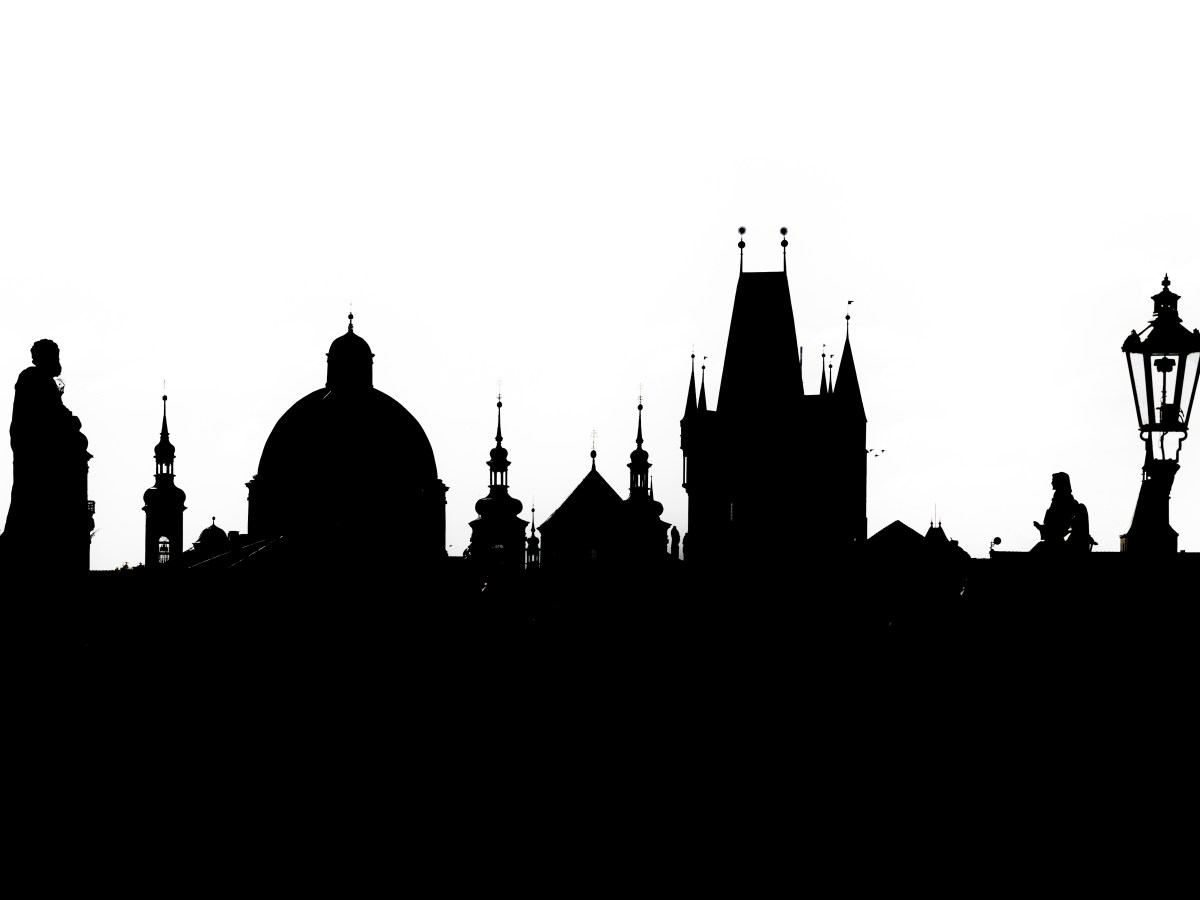
The sky is not completely dark at night. Were the sky absolutely dark, one would not be able to see the silhouette of an object against the sky.


-
St. Nicholas Church
(AKA Kostel sv. Mikuláše)
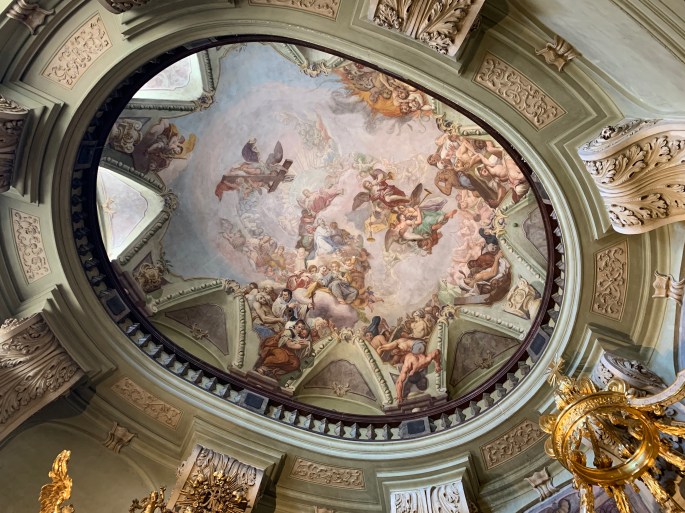
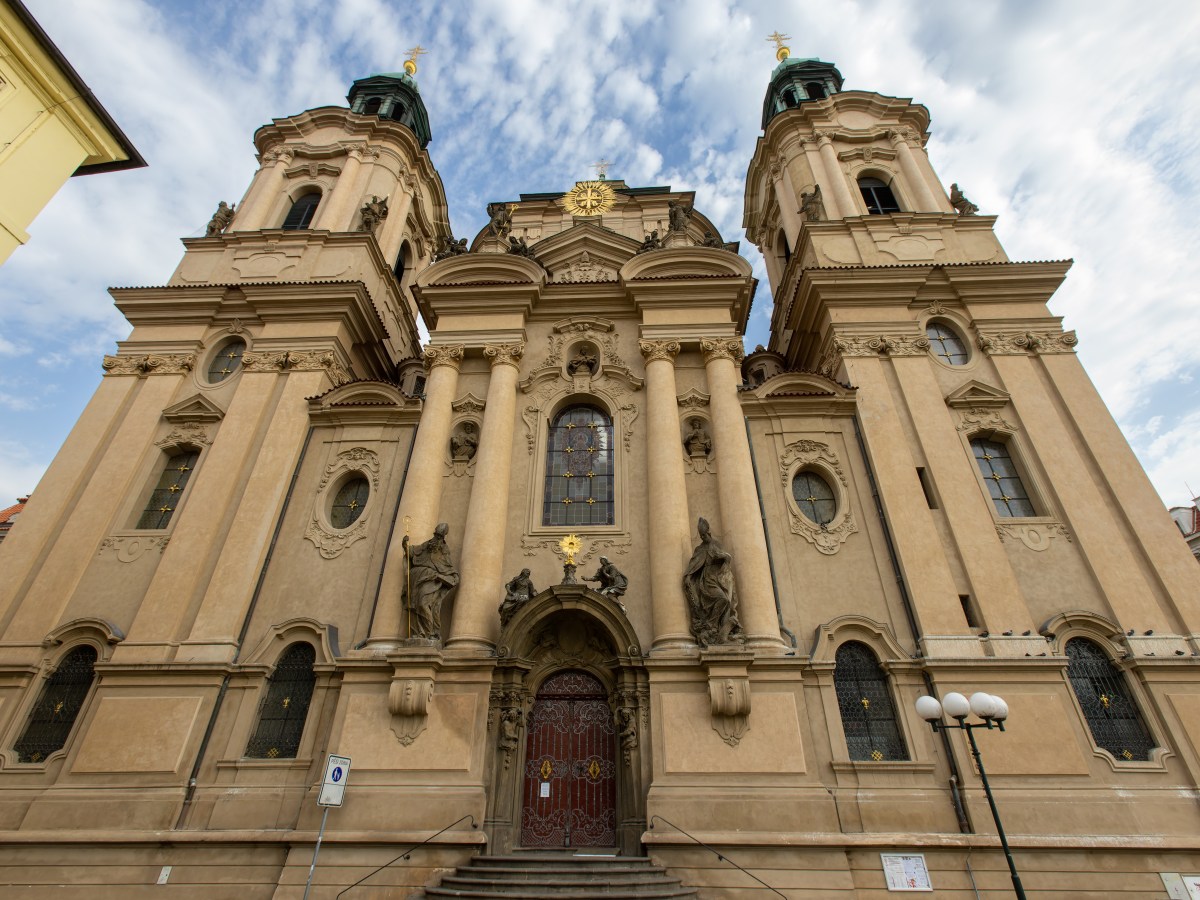
St. Nicholas Church, located in the Malá Strana district of Prague, Czech Republic, is an architectural gem and a must-visit destination for any traveler exploring this historic city. Known for its stunning Baroque style, the church stands as a testament to the grandeur and opulence of the era.
As you approach the church, you’ll be immediately struck by its impressive façade, adorned with intricate sculptures and decorative elements. The ornate design, characterized by its dramatic curves, columns, and statues, creates a sense of awe and majesty. The skillful craftsmanship and attention to detail are evident in every aspect of the church’s exterior.
Upon entering the church, you’ll be greeted by a magnificent interior that continues to captivate visitors. The high ceilings, adorned with frescoes and elaborate stucco work, create a sense of grandeur and spaciousness. The church’s interior is bathed in natural light that streams through the large stained glass windows, illuminating the ornate altars, statues, and religious artwork.
One of the most notable features of St. Nicholas Church is its breathtaking organ. Considered one of the finest Baroque organs in Europe, it boasts over 4,000 pipes and is a marvel both in terms of its visual appeal and musical capabilities. The organ is currently out of service and requires renovation.
The church also houses a collection of valuable relics and artifacts, including intricately carved wooden sculptures and religious paintings. Exploring these treasures offers a glimpse into the rich history and cultural significance of the church.
Beyond its architectural and artistic wonders, St. Nicholas Church also holds historical significance. It played a role in various important events throughout Prague’s history and has witnessed the passage of time, making it a true cultural and historical landmark.
Visiting St. Nicholas Church allows you to immerse yourself in the beauty of Prague’s architectural heritage while experiencing a place of worship that has stood the test of time. Whether you’re an art enthusiast, a history buff, or simply seeking a moment of tranquility and contemplation, this majestic church is sure to leave you in awe.
Visit Notes
This church is absolutely worth the visit. It has enough detail to keep you busy for a couple of hours if you choose. Make sure you climb the stairs to the balcony for a closer view of the ceiling and look for the 200-year-old graffiti carved into the wooden railings.
Details
Malostranské nám., 118 00 Malá Strana, Czechia
Tuesday to Sunday
9:00 – 17:45
Monday
9:00 12:45
Attraction opening days and times can change with no warning.
Always double-check information with the official website before making any plans
Photos


Other Sights
-
Lennon Wall

(AKA Lennonova zeď)
Located near the Charles Bridge in the picturesque neighborhood of Malá Strana, the Lennon Wall initially started as a tribute to John Lennon, the renowned musician and peace activist. Following Lennon’s tragic death in 1980, his image was painted on this ordinary wall, and people began expressing their emotions and thoughts about peace, love, and freedom through graffiti and colorful artwork.
Over the years, the Lennon Wall has evolved into a vibrant and ever-changing art installation. Artists from around the world and visitors alike have contributed their artistic expressions, resulting in a mesmerizing collage of paintings, quotes, lyrics, and symbols. The wall serves as a platform for individuals to express their hopes, dreams, and frustrations, making it a powerful testament to free speech and artistic freedom.
Beyond its artistic significance, the Lennon Wall carries historical and political importance. During the communist era in Czechoslovakia, expressing dissent was heavily censored and controlled. The wall became a symbol of rebellion and a meeting point for activists advocating for political change. It was a place where young Czechs gathered to voice their opposition to the regime and seek inspiration for a better future.
Today, the Lennon Wall continues to inspire locals and tourists alike. Its colorful facade and the messages of peace and love create a unique and enchanting atmosphere. Visitors are encouraged to bring their own markers and add their personal touch to the wall, making it an interactive experience.
As you visit the Lennon Wall, take the time to explore its intricate details, read the messages, and appreciate the collective artwork. Witness how it has transformed over time and how new layers of creativity are added almost daily. You might even encounter street performers playing music, further adding to the magical ambiance.
Visit Notes
When we visited there was an installation for poetry about the Russian invasion of Ukraine. It was fun inspecting the wall for interesting messages. Bring some sharpies to add your own message!
Details
Velkopřevorské nám., 118 00 Malá Strana, Czechia
Photos


Other Sights
-
Church of Our Lady Victorious and The Infant Jesus of Prague
(AKA Kostel Panny Marie Vítězné a Pražské Jezulátko)
The church is a beautiful Baroque-style building, constructed in the 16th century, with intricate architecture and stunning ornamental details. It is situated in the Lesser Town area of Prague, near the Prague Castle and other prominent landmarks, making it easily accessible for visitors.
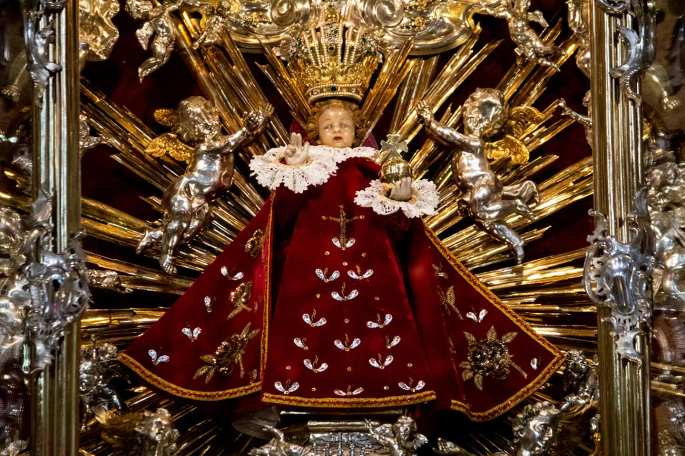
What makes the Church of Our Lady Victorious particularly famous is its association with the Infant Jesus of Prague, a small wooden statue of the child Jesus dating back to the 16th century. The statue, known for its miraculous powers and benevolent presence, is a significant religious icon and an object of veneration for many believers worldwide.
The interior is adorned with magnificent artwork, including exquisite frescoes, beautiful stained glass windows, and intricately carved altars. The main altar of the church is dedicated to Our Lady of Victory, with the Infant Jesus statue prominently displayed.
One of the most fascinating aspects of the Church of Our Lady Victorious is the Shrine of the Infant Jesus. Here, visitors can observe the venerated statue up close and witness the devotion of pilgrims who come from all corners of the globe to pay their respects. The Infant Jesus is dressed in various ornate garments, which are periodically changed throughout the year to reflect different liturgical seasons and feast days.
Visitors can also explore the adjacent Infant Jesus Museum, which provides a deeper insight into the history and significance of the statue. The museum showcases a collection of garments, crowns, and gifts that have been offered to the Infant Jesus over the centuries. It offers a fascinating glimpse into the devotion and faith of countless believers throughout history.
Additionally, the church hosts regular masses and prayer services, creating an opportunity for visitors to participate in the religious life of the community or simply find solace in the peaceful ambiance of the place.
Visit Notes
We were nearby, visiting the Vtrba Garden, so we stopped in to this church. There was a little crowd around the Infant Jesus so we waited patiently for an opening to get close. We took a few pictures and retreated. If you’re here to see the Infant, you might have to spend a fair bit of time waiting to get close. The rest of the church won’t take long to visit.
Details
Karmelitská 9, 118 00 Praha 1, Czechia
8:30 – 18:00
Attraction opening days and times can change with no warning.
Always double-check information with the official website before making any plans
Photos


-
The Vtrba Garden

(AKA Vrtbovská Zahrada)
The Vrtba Garden is a mesmerizing and enchanting garden nestled in the heart of Prague, Czech Republic. Located in the Lesser Town (Mala Strana) district, this hidden gem is a perfect escape from the bustling city streets.
The garden dates back to the 18th century and is considered one of the finest Baroque gardens in Europe. It was meticulously designed by František Maximilián Kaňka, a renowned Czech architect, and it showcases the elegance and grandeur of that era.
The garden is terraced, with each level offering a unique and picturesque view of the surrounding area. As you wander through the perfectly manicured hedges, flowerbeds, and pathways, you’ll be greeted with a symphony of colors and fragrances. The garden is meticulously maintained, ensuring that every corner is a visual delight.
One of the highlights of the Vrtba Garden is its stunning central staircase, adorned with intricate statues and decorative details. This architectural masterpiece leads to the upper terrace, where you’ll find a charming pavilion. From here, you can enjoy panoramic views of Prague’s iconic landmarks, including Prague Castle, St. Nicholas Church, and the Vltava River.
Visit Notes
This terraced garden is a peaceful respite from the rest of the city. When we visited there was a wedding reception on the lower terrace, so we couldn’t access that part of the garden. The ticket lady gave us a discount.
The rest of the garden was perfectly lovely and the views from the upper terraces were panoramic. We particularly enjoyed giving some of the bigger shrubberies a little shake. They wiggle like jello.
Details
Karmelitská 25, 118 00 Malá Strana, Czechia
10:00 – 19:00
Attraction opening days and times can change with no warning.
Always double-check information with the official website before making any plans
Photos


-
St. George’s Basilica

(AKA Bazilika Svatého Jiří)
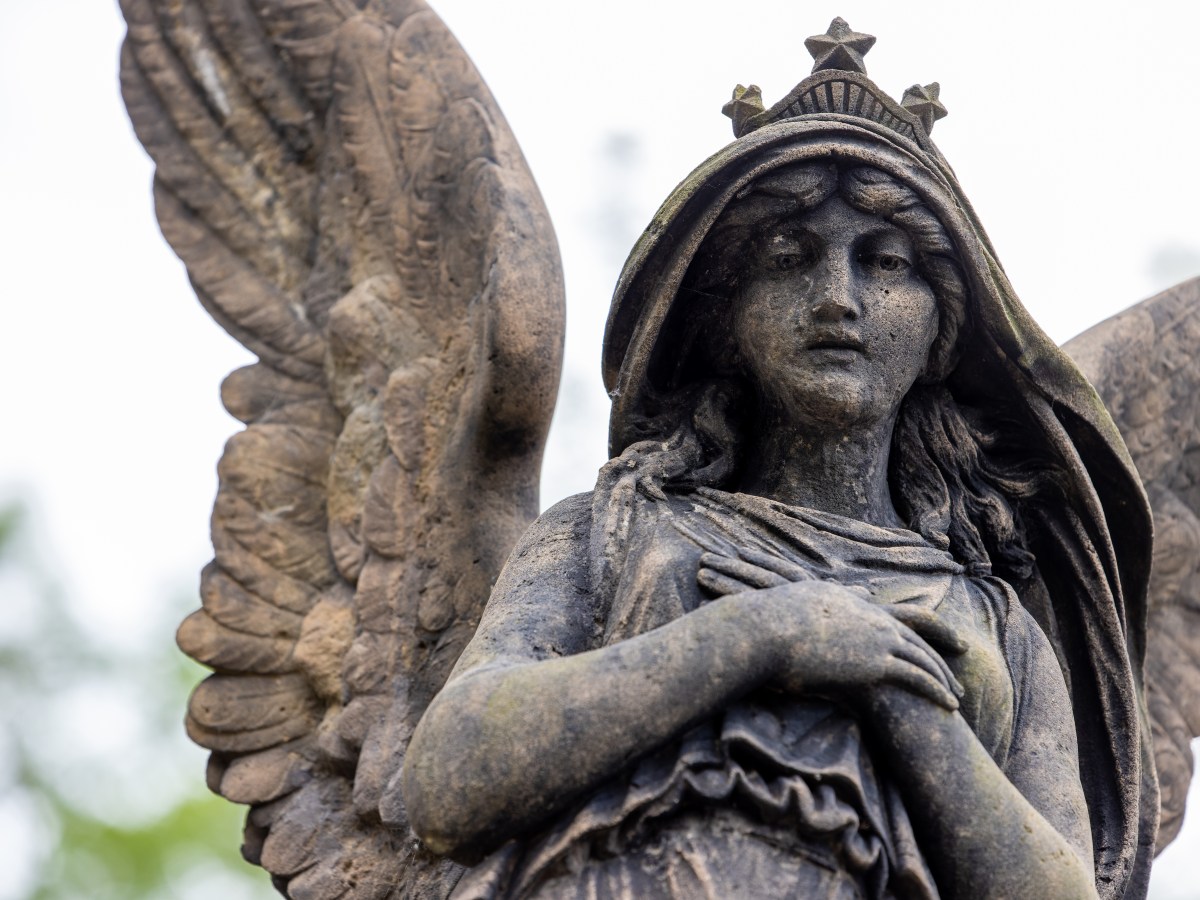
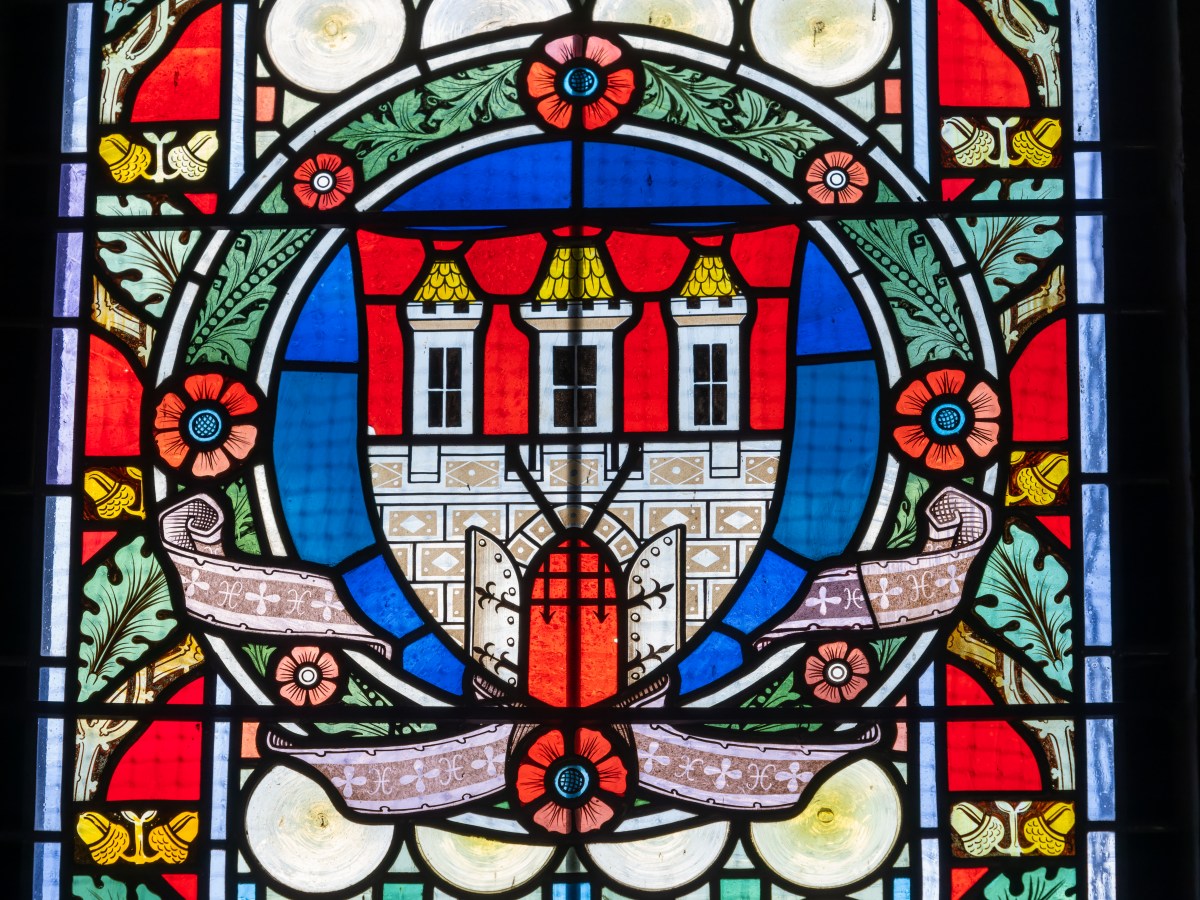
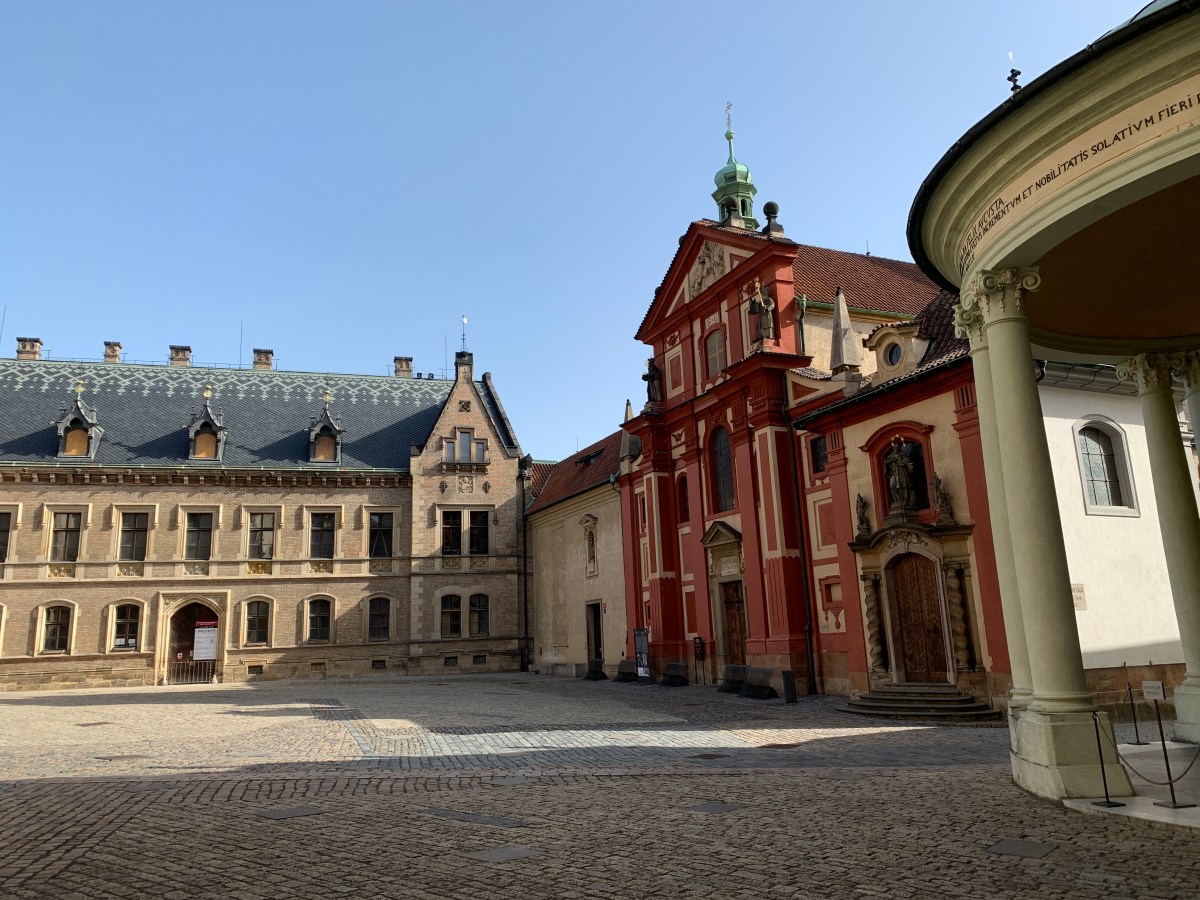
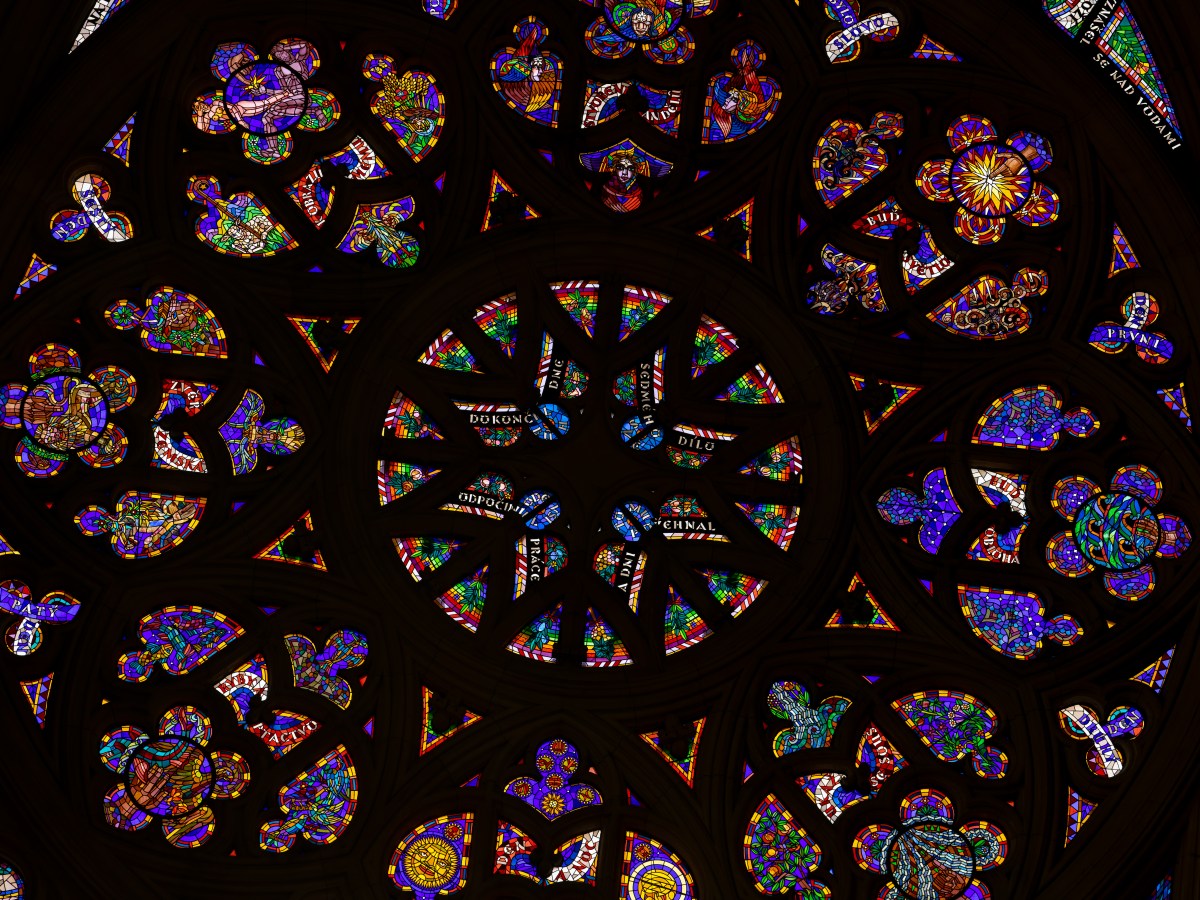
St. George’s Basilica is a magnificent architectural gem nestled within the Prague Castle complex in Prague, Czech Republic. It is one of the oldest surviving churches in the city, dating back to the 10th century, and is steeped in history and religious significance.
As you approach the basilica, you’ll be captivated by its Romanesque-style façade, adorned with intricate stonework and ornamental details.
The interior boasts a harmonious blend of Romanesque and Gothic architectural elements, creating a captivating atmosphere. The soaring nave, with its vaulted ceilings and gracefully arched windows, creates an aura of tranquility and reverence.
One of the highlights of the basilica is the breathtaking St. George’s Chapel, which houses an impressive collection of Baroque-era art and artifacts. As you explore this sacred space, you’ll come across the tombstones of prominent Czech nobles and members of the royal family, lending an air of historical significance to the place.
Another notable feature of St. George’s Basilica is the remarkable wooden sculpture of the Madonna and Child, known as the Madonna of St. George. This masterpiece, dating back to the 14th century, is revered for its intricate detailing and artistic craftsmanship.
Visiting St. George’s Basilica offers a chance to immerse yourself in Prague’s rich heritage and experience the city’s spiritual side. The tranquility, architectural splendor, and historical significance of this remarkable church make it a must-see destination for any visitor to Prague Castle.
Visit Notes
The basilica is included with your Prague Castle – Basic Circuit ticket. It won’t be nearly as crowded as St. Vitus, so it’s more pleasant to look around. It’s also not as large as St. Vitus so it can be a quick visit, if you so choose.
Details
Hradčany, 119 08 Prague 1, Czechia
April through October
9:00 – 17:00
November through March
9:00 – 16:00
Attraction opening days and times can change with no warning.
Always double-check information with the official website before making any plans
Photos













About Me
The sky is not completely dark at night. Were the sky absolutely dark, one would not be able to see the silhouette of an object against the sky.
Follow Me On
Subscribe To My Newsletter
Subscribe for new travel stories and exclusive content.
 Meticulous Meanderings
You must be logged in to post a comment.