

Hello, I’m Veronica
The sky is not completely dark at night. Were the sky absolutely dark, one would not be able to see the silhouette of an object against the sky.


-
National Pantheon
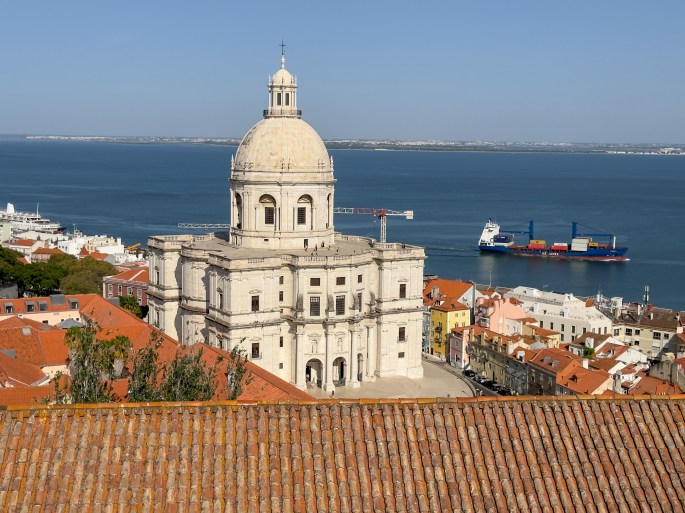
The National Pantheon, also known as the Panteão Nacional, is a magnificent historical monument located in Lisbon, Portugal. It is a must-visit attraction for anyone interested in history, architecture, and Portuguese culture.
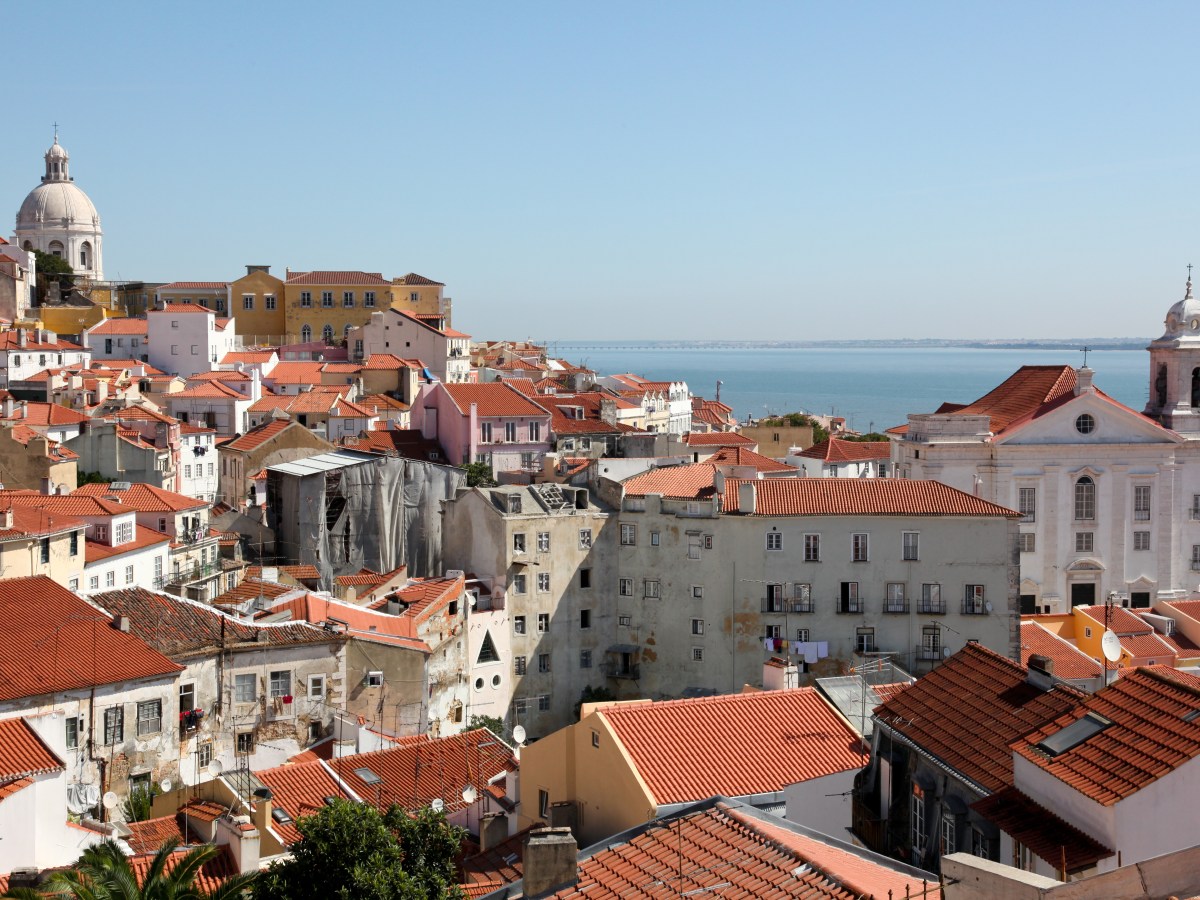
The building itself is an architectural masterpiece, with a striking dome that dominates the skyline of the Alfama district. Originally constructed as a church in the 17th century, it was later converted into the National Pantheon in the 20th century to honor notable Portuguese figures.
Inside, you’ll find a grand interior adorned with beautiful marble and intricate tilework. The main highlight is undoubtedly the colossal dome, which offers breathtaking views of the city from its rooftop. As you explore the various chambers and chapels, you’ll come across the final resting places of some of Portugal’s most revered individuals.
The National Pantheon serves as the burial site for many influential Portuguese personalities, including presidents, writers, poets, and famous explorers. Among them, you’ll find the tombs of renowned figures such as Vasco da Gama, the legendary explorer who discovered the sea route to India, and Luís de Camões, a celebrated poet considered Portugal’s national literary icon.
As you walk through the corridors, you’ll discover the tombstones and memorials that pay tribute to these significant individuals. The atmosphere is solemn and peaceful, offering visitors a chance to reflect on the rich history and contributions of these remarkable individuals to Portuguese society.
Beyond its historical and cultural significance, the National Pantheon is also an excellent vantage point to admire panoramic views of Lisbon. From the rooftop, you can enjoy sweeping vistas of the city, the Tagus River, and its iconic landmarks, such as the São Jorge Castle and the Lisbon Cathedral.
Visiting the National Pantheon provides a unique opportunity to delve into Portugal’s past, appreciate its architectural wonders, and pay homage to the individuals who shaped the nation’s identity. Whether you are a history enthusiast, a culture lover, or simply seeking an awe-inspiring experience, the National Pantheon in Lisbon is a destination that should not be missed.
Visit Notes
You should visit the Pantheon if for no other reason than the view from the rooftop. The building itself has some beautiful marble details you won’t want to miss. The climb to the rooftop happens in stages on perfectly normal stairs (unlike some tower climbs in European cities), allowing you to see the intricate marble flooring from the balconies above. You can even walk around the interior of the domed ceiling, though I have to admit to a fear of heights. The balcony up there feels very exposed to someone with this fear, but I managed it with the help of another tourist experiencing the same fears as me. Rest assured though, you don’t have to do this walk of death if you don’t want… it’s entirely optional.
Photos


Nearby Sights
Church of São Vicente de Fora
The Mosteiro de São Vicente de Fora, also known as the Monastery of Saint Vincent Outside the Walls, is a magnificent and historic monument located in Lisbon, Portugal. It is definitely worth a visit if you’re interested in exploring the city’s rich cultural and architectural heritage. First and foremost, the monastery is renowned for its…
Other Sights
-
National Tile Museum
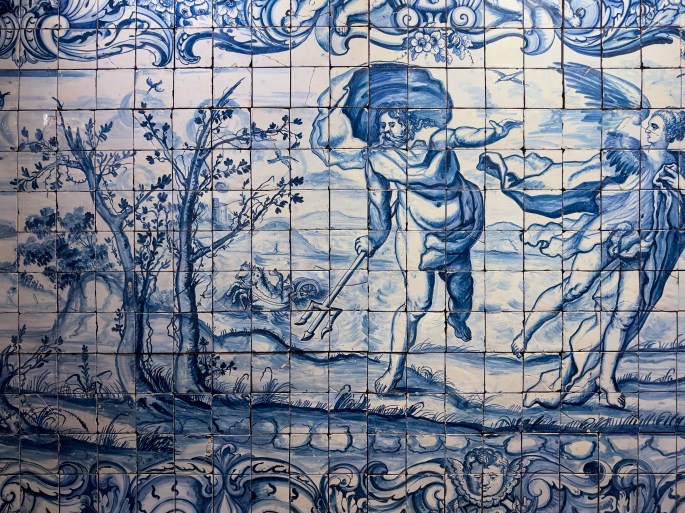
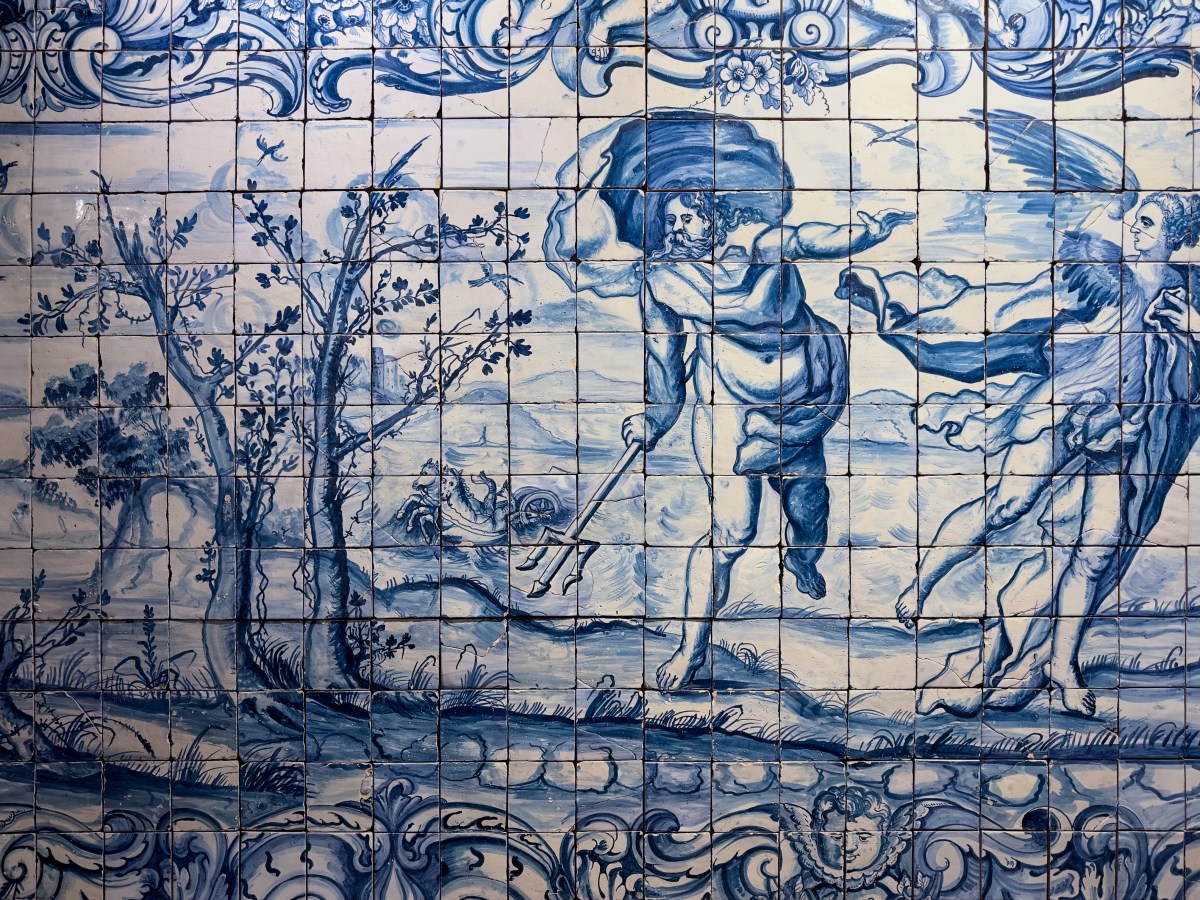
The National Tile Museum (Museu Nacional do Azulejo) in Lisbon is a captivating tribute to Portugal’s rich tradition of azulejos, the beautiful, decorative ceramic tiles that have adorned Portuguese architecture for centuries. Housed in the 16th-century Madre de Deus Convent, the museum itself is an architectural gem, combining Manueline, Mannerist, and Baroque styles.
Inside, the museum showcases a vast collection of tiles from the 15th century to the present day, illustrating the evolution of this uniquely Portuguese art form. The displays range from intricately painted individual tiles to elaborate tile panels depicting religious, historical, and everyday scenes. Particularly impressive is the enormous 23-meter-long tile panel depicting Lisbon before the 1755 earthquake, offering a fascinating glimpse into the city’s past.
Visitors can also explore the opulent former convent’s interior, including a stunning Baroque church with gilded woodwork, frescoed ceilings, and intricate tile decoration that highlights the skill and artistry of tilemakers throughout history. The museum provides insightful explanations about the techniques, materials, and designs used over the centuries, making it an educational experience as well as a visual feast.
The National Tile Museum is a must-visit for anyone interested in art, history, or architecture, and it offers a deeper understanding of Portugal’s cultural identity. Its peaceful atmosphere and beautifully curated exhibits make it a standout experience in Lisbon. Plus, the museum café offers a charming spot to relax within the convent’s peaceful courtyard.
Visit Notes
As far as I’m concerned, this is a “must-see” even though it’s a little further afield. My recommendation is to get there when they open, skip the first few rooms and make a beeline to the church so you can enjoy it alone for a while. You can then go back to the beginning and enjoy all the tile exhibits.

Take bus 759 to the Tile Museum. The bus makes stops at Praça da Figueira and Praça do Comércio. Exit the bus at stop Igreja Madre Deus (Museu Azulejo).
Photos


Other Sights
-
Dom Pedro IV Square

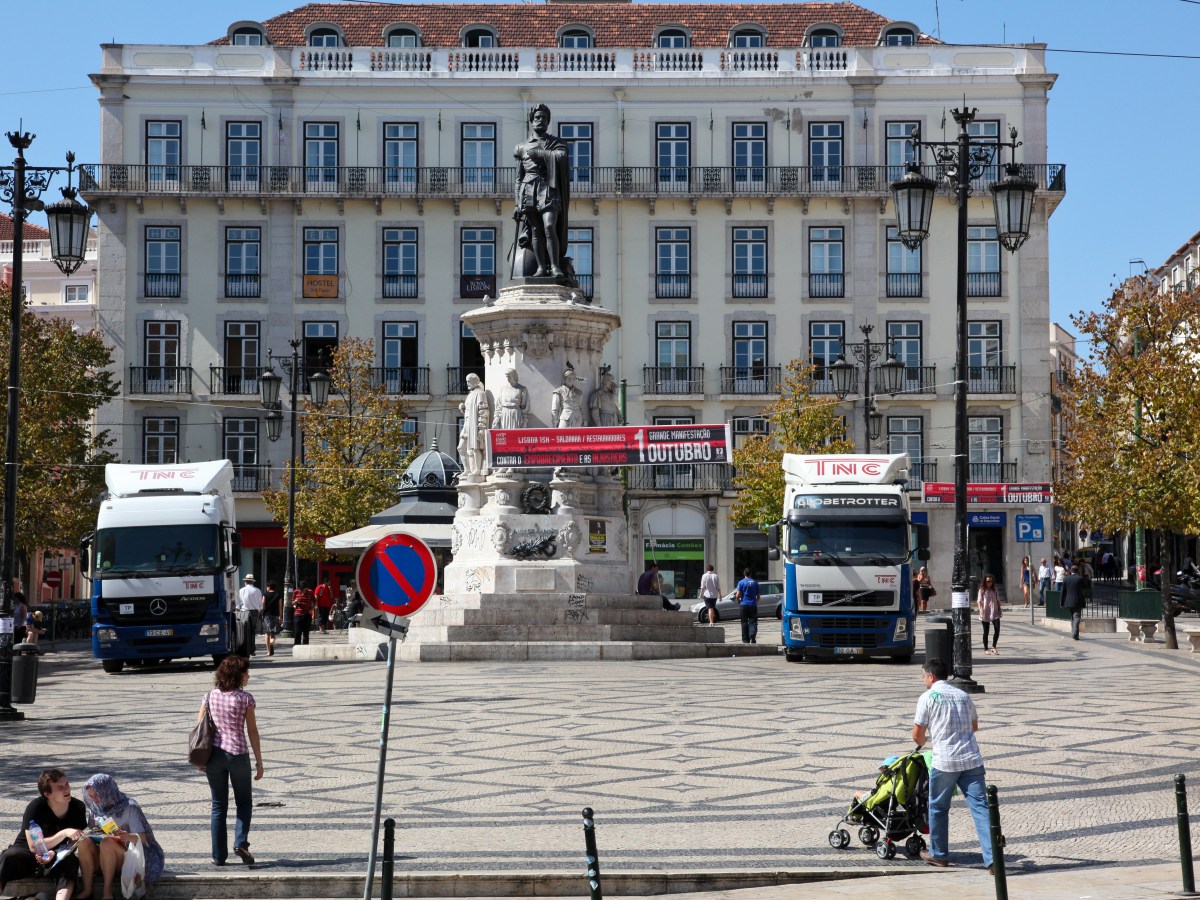
Also known as Rossio Square, the square is named after Dom Pedro IV, who was both the king of Portugal and the first emperor of Brazil. It has a rich historical significance and has been a central hub of activity for centuries. Its strategic location has made it a significant meeting point and a witness to many important events throughout Lisbon’s history.
One of the notable features of Dom Pedro IV Square is its stunning mosaic wave patterned pavement, known as “calçada portuguesa.” This traditional Portuguese style of pavement adds a unique charm to the square and makes it a perfect spot for taking photographs.
Surrounding the square, you’ll find several notable buildings and landmarks. The most prominent is the Dona Maria II National Theatre, an exquisite neoclassical building that serves as a cultural centerpiece of Lisbon. Its grand architecture and beautiful facade make it a popular spot for both locals and tourists.
Another remarkable sight is the Rossio Railway Station, an impressive structure that combines Gothic and Manueline architectural styles. The station’s façade features intricate details and decorative elements, adding to the overall charm of the square.
As you explore the square, you’ll also encounter a variety of shops, cafes, and restaurants. This bustling area is known for its vibrant atmosphere, and it’s an excellent place to relax, grab a cup of coffee, or enjoy a traditional Portuguese meal.
Dom Pedro IV Square is not only a historical and cultural hotspot but also a lively meeting point for locals. It is a gathering place where people come to socialize, listen to street performers, or simply enjoy the lively ambiance.
If you’re interested in exploring further, the square’s central location provides easy access to other popular attractions in Lisbon. Within walking distance, you’ll find the medieval quarter of Alfama, the historic neighborhood of Baixa, and the scenic viewpoints of São Jorge Castle.
Details
Praça Dom Pedro IV, 1100-193 Lisboa, Portugal
Photos


Nearby
Praça da Figueira
The Praça da Figueira is a lively and historic square in the heart of Lisbon’s Baixa district, offering a mix of local charm, history, and city life. Once the site of Lisbon’s main hospital, which was destroyed in the 1755 earthquake, the square was later transformed into a bustling marketplace and today serves as a…
Igreja de São Domingos
The Igreja de São Domingos in Lisbon is a church unlike any other, with a dramatic and haunting interior that tells a story of survival through centuries of disasters. Located near Rossio Square, this historic church was once one of the most important in Lisbon, serving as the site of royal weddings and significant events.…
Santa Justa Elevator
The Santa Justa Elevator (Elevador de Santa Justa), located in Lisbon, Portugal, is a magnificent piece of engineering and a popular tourist attraction. It was designed by engineer Raoul Mesnier du Ponsard and opened to the public in 1902. The elevator is an impressive iron structure that connects the lower Baixa district with the higher…
Carmo Convent
The Carmo Convent, located in Lisbon, Portugal, is an interesting historical site that stands as a poignant reminder of the devastating earthquake that struck the city in 1755. The convent, originally built in the 14th century, was severely damaged during the earthquake, leaving its magnificent Gothic architecture in ruins. Today, the Carmo Convent stands as…
-
Lisbon Cathedral

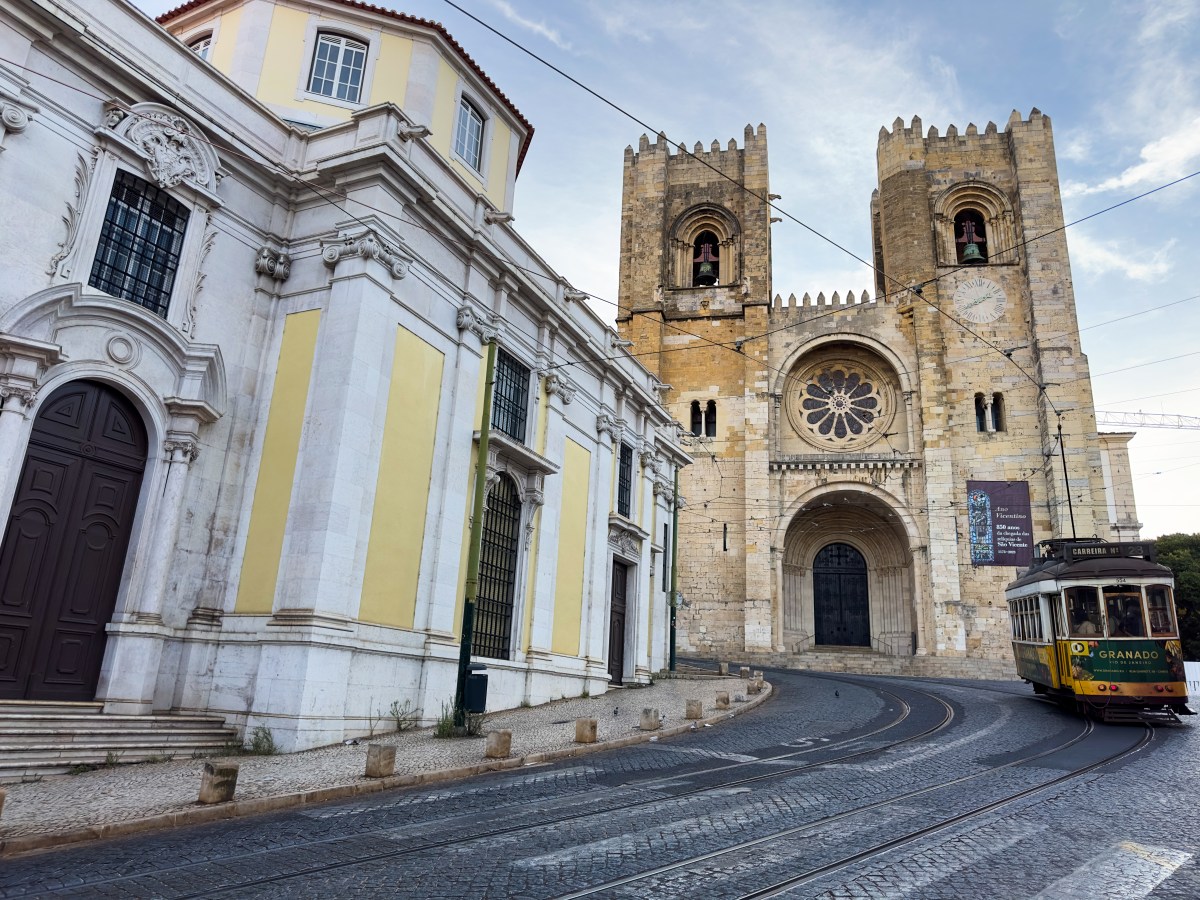
The Lisbon Cathedral, also known as Sé de Lisboa, is the city’s oldest and most important church, with a history dating back to the 12th century. Built soon after the Christian reconquest of Lisbon from the Moors in 1147, it has served as a powerful symbol of Portugal’s resilience and religious devotion ever since. Its design is a fascinating blend of Romanesque, Gothic, Baroque, and Neoclassical styles, reflecting centuries of architectural evolution and restoration.
The exterior of the cathedral resembles a fortress, with massive crenellated walls and two imposing bell towers that frame its grand, arched entrance. Stepping inside, visitors are greeted by a cool, dimly lit nave with high vaulted ceilings and stone pillars, creating a majestic and somewhat austere atmosphere. The Gothic ambulatory and chapels are particularly beautiful, with intricate details and relics on display.
The cathedral’s location in the Alfama district offers stunning views over Lisbon’s rooftops and the Tagus River. It’s a wonderful place to explore while meandering through the historic, winding streets of the old town. Whether you’re interested in architecture, history, or just soaking up the atmosphere of Lisbon’s oldest neighborhood, the Lisbon Cathedral is a must-see.
Visit Notes
What can I say? If you’re a fan of cathedrals, you’re going to enjoy your time here. The inside is rather plain compared to many of the other churches you will find in Lisbon. Many other churches here are literally dripping with gold details, but not the Sé. The beauty you’ll find here is quieter and more reserved. If nothing else, the lack of adornment is a refreshing break from the over-embellishment you’ll find elsewhere in town.
Be sure you go up to the balcony where you can enjoy a view over the interior of the cathedral and go outside onto the balcony under the rose window. You should also take a look through the cathedral’s museum.
Photos


Nearby
St. Anthony Church and Museum
The St. Anthony Church and Museum is a captivating destination that combines religious history and cultural heritage. If you’re considering visiting, prepare to be enchanted by its architectural beauty, intriguing artifacts, and the fascinating story of its namesake, Saint Anthony of Padua. The church itself is a magnificent example of Portuguese Baroque architecture. Its façade…
-
Jerónimos Monastery

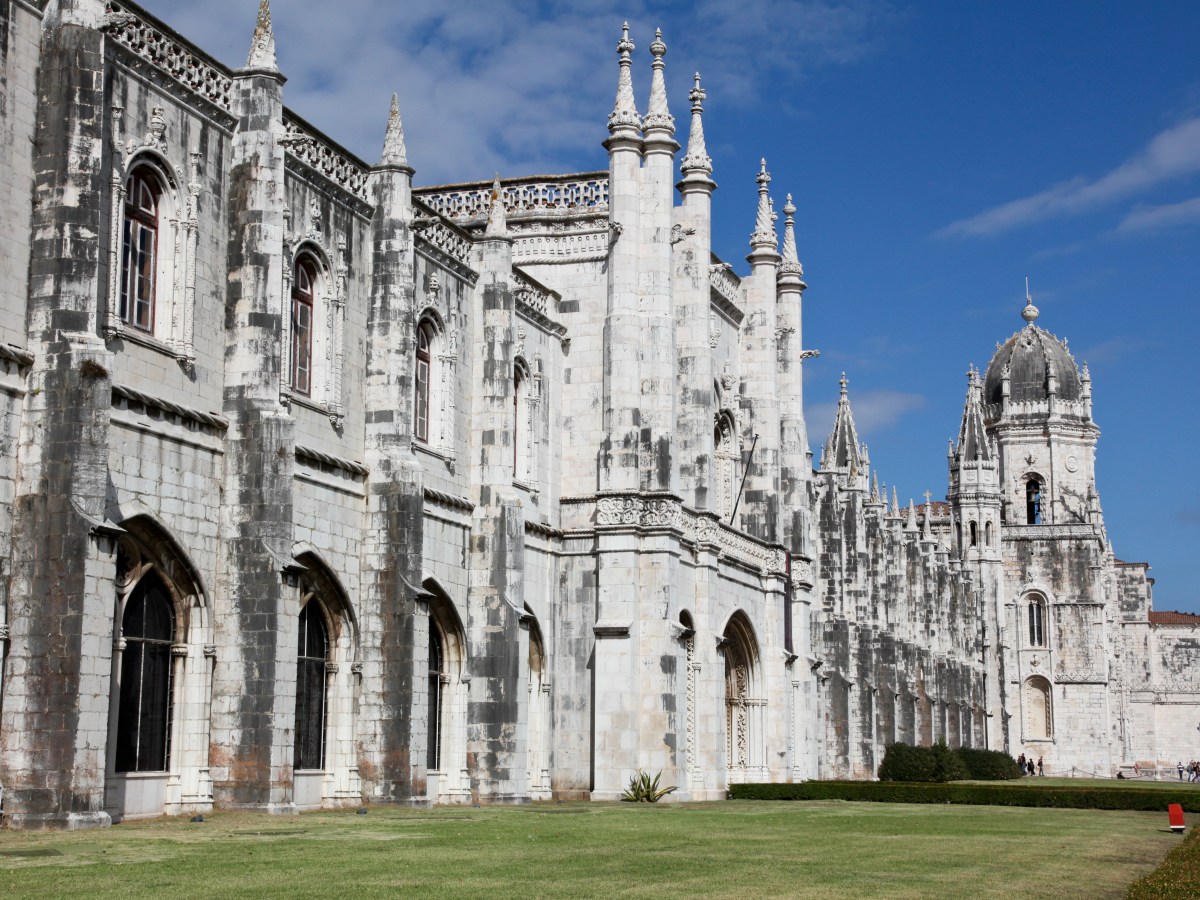
The Jerónimos Monastery (Mosteiro dos Jerónimos) and the adjoining Igreja de Santa Maria de Belém are stunning masterpieces of Manueline architecture located in the Belém district of Lisbon. Built to commemorate Vasco da Gama’s successful voyage to India and to honor the Virgin Mary, construction began in 1501 under King Manuel I and took nearly a century to complete.
The monastery’s elaborate facade is breathtaking, adorned with intricate carvings of maritime elements, ropes, spheres, and other motifs celebrating Portugal’s Age of Discovery. The ornate south portal, designed by João de Castilho, is particularly impressive, showcasing detailed sculptures of saints, royal figures, and scenes from the life of Saint Jerome.
Upon entering, visitors are struck by the grand two-story cloister, which is widely considered one of the most beautiful in the world. Its delicate arches, finely sculpted columns, and serene atmosphere offer a peaceful contrast to the grandeur of the exterior. Exploring the cloister reveals decorative elements inspired by nature, maritime exploration, and religious symbolism.
The Igreja de Santa Maria de Belém, the monastery’s church, features a magnificent vaulted ceiling supported by slender, tree-like columns that give the interior a feeling of spaciousness and elegance. The church is also the resting place of several notable figures, including Vasco da Gama and poet Luís de Camões, whose tombs are elaborately decorated and placed near the entrance.
The high altar and choir are remarkable for their Renaissance and Baroque artistry, with exquisite carvings and paintings that draw visitors’ attention. The natural light filtering through the stained-glass windows adds to the beauty and tranquility of the space.
Designated a UNESCO World Heritage Site in 1983, the Jerónimos Monastery is a must-see attraction in Lisbon. Its historical significance, architectural splendor, and serene atmosphere make it a highlight for visitors interested in Portugal’s Golden Age of Exploration.
Visit Notes
You know how there are sights where, if you arrive early enough, you can have the place to yourself for a while? Yeah, this isn’t one of those places. Expect crowds. The first time I visited, years ago, Lisbon wasn’t yet on the tourist radar and we got in quickly. This time, the line for entry stretched down the block. We chose to come back later in the day and got in with only a few minutes’ wait, which was a miracle.
The monastery and the adjoining church are both “must-see” attractions. The church is free to enter and you may not have to wait in line at all. The monastery requires a ticket which you can buy online or in a kiosk across the street. You may see people peddling “skip the line” tickets, but these don’t exist as of this writing. Also, be aware that the workers may periodically go on strike, closing the attraction for the day. I was fortunate enough to be staying around the corner, so I was able to keep checking the size of the line in between other sightseeing until it got down to a palatable size.
Don’t let all of this discourage you. Once you get inside, you’ll enjoy all the amazing details in both the church and the monastery. I took a lot of pictures. I’m talking in the thousands. I could go back tomorrow and take thousands more. I love the monastery and will visit every time I’m in Lisbon. The church holds services in the evenings and I sat in on a couple of them, just to quietly enjoy the incredible ambiance you only get from a centuries old church.
Photos


Nearby
Belém Tower
The Belém Tower (Torre de Belém) in Lisbon is one of Portugal’s most famous and picturesque landmarks, celebrated for its unique Manueline architectural style and historical significance. Built between 1514 and 1519 under the reign of King Manuel I, the tower was designed by architect Francisco de Arruda to serve as a fortress and ceremonial…
Monument to the Discoveries
The Monument to the Discoveries (Padrão dos Descobrimentos) in Lisbon is a striking and symbolic tribute to Portugal’s Age of Exploration during the 15th and 16th centuries. Located along the Tagus River waterfront in the Belém district, the monument was originally constructed in 1940 for the Portuguese World Exhibition and later rebuilt in 1960 to…
Museu Nacional dos Coches
The Museu Nacional dos Coches, also known as the National Coach Museum, is a must-visit attraction in Lisbon, Portugal, especially for history and art enthusiasts. Located in the picturesque neighborhood of Belém, the museum is housed in a stunning 18th century royal riding arena, which adds to its charm and historical significance. As you step…




















About Me
The sky is not completely dark at night. Were the sky absolutely dark, one would not be able to see the silhouette of an object against the sky.
Follow Me On
Subscribe To My Newsletter
Subscribe for new travel stories and exclusive content.
 Meticulous Meanderings
You must be logged in to post a comment.