
Hello, I’m Veronica
The sky is not completely dark at night. Were the sky absolutely dark, one would not be able to see the silhouette of an object against the sky.


-
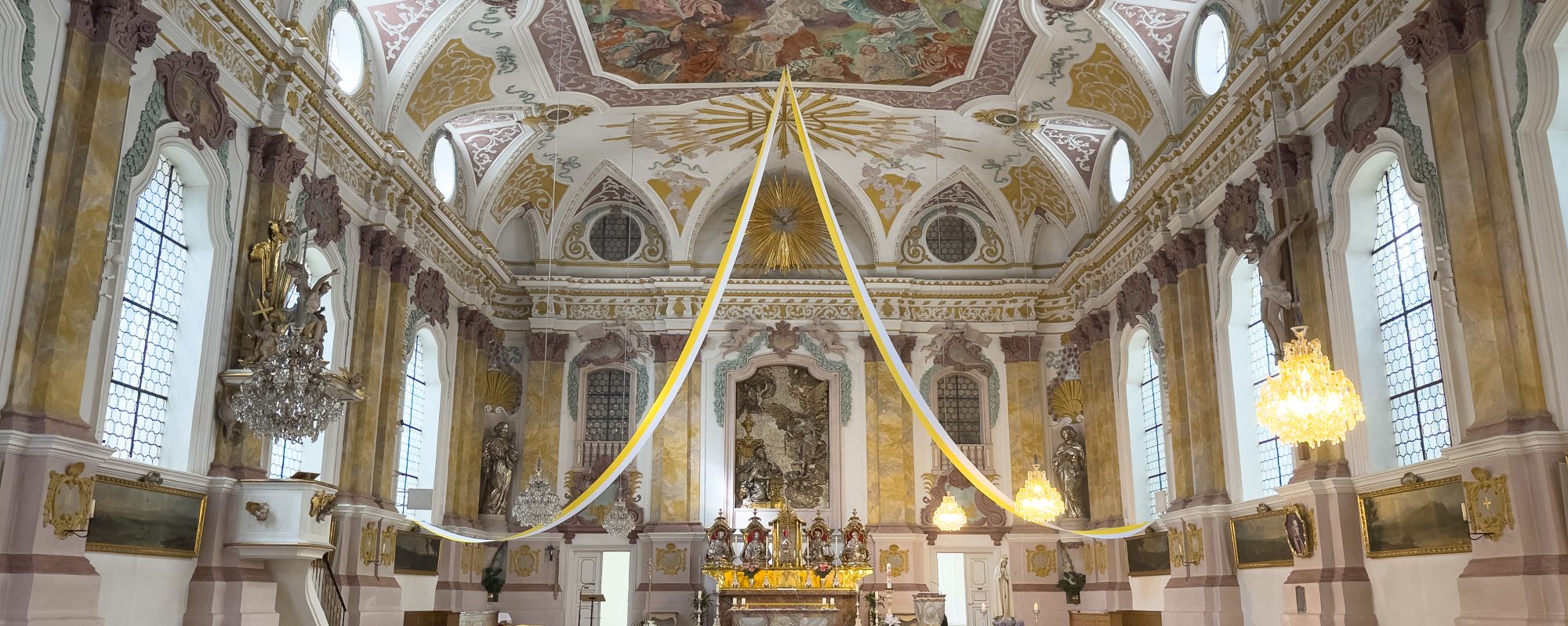
Convento de San Marcos

The Convento de San Marcos in León, Spain, stands as a monumental testament to the city’s rich history and architectural grandeur. Originally established in the 12th century as a modest shelter for pilgrims on the Camino de Santiago, the current edifice was constructed in the 16th century, evolving into one of the most significant examples of Spanish Renaissance architecture.
Approaching the convent, visitors are greeted by an exquisite Plateresque façade adorned with intricate stonework, medallions, and sculptures that celebrate both religious figures and the imperial power of Charles I. This elaborate exterior reflects the artistic transition between the Late Gothic and Renaissance periods, showcasing the craftsmanship of architects such as Juan de Orozco and Martín de Villarreal.
The convent’s interior reveals a harmonious blend of architectural styles. The church, with its Latin cross plan, features a sacristy designed by Juan de Badajoz el Mozo, notable for its three starred vaults. The Renaissance cloister offers a serene space, embodying the spiritual and communal life of the monastery.
Beyond its architectural splendor, San Marcos has played diverse roles throughout history. It has served as a monastery, hospital, prison, and currently functions as a luxury Parador hotel. Notably, during the Spanish Civil War, the convent was repurposed as a concentration camp, a somber chapter that adds depth to its historical narrative.
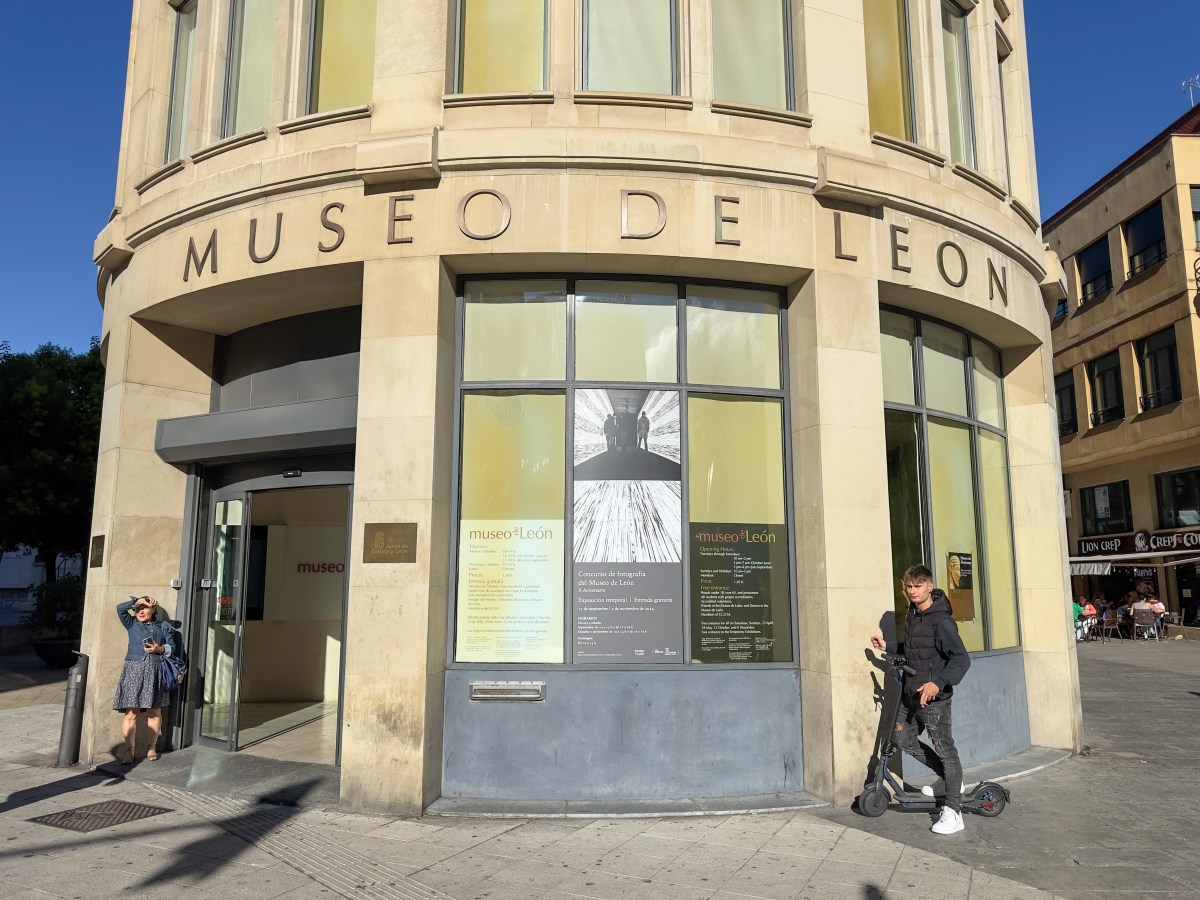
For those interested in cultural enrichment, the convent houses portions of the Museo de León, displaying artifacts that span from prehistory to the Renaissance, offering insights into the region’s diverse heritage.
Visiting the Convento de San Marcos provides a multifaceted experience, combining architectural beauty, historical significance, and cultural depth. Whether you’re a history enthusiast, an admirer of Renaissance art, or a traveler seeking unique accommodations, San Marcos offers an unforgettable journey through time.
Photos


Thanks for visiting! I hope you have a great trip.
-
Muralla de Astorga

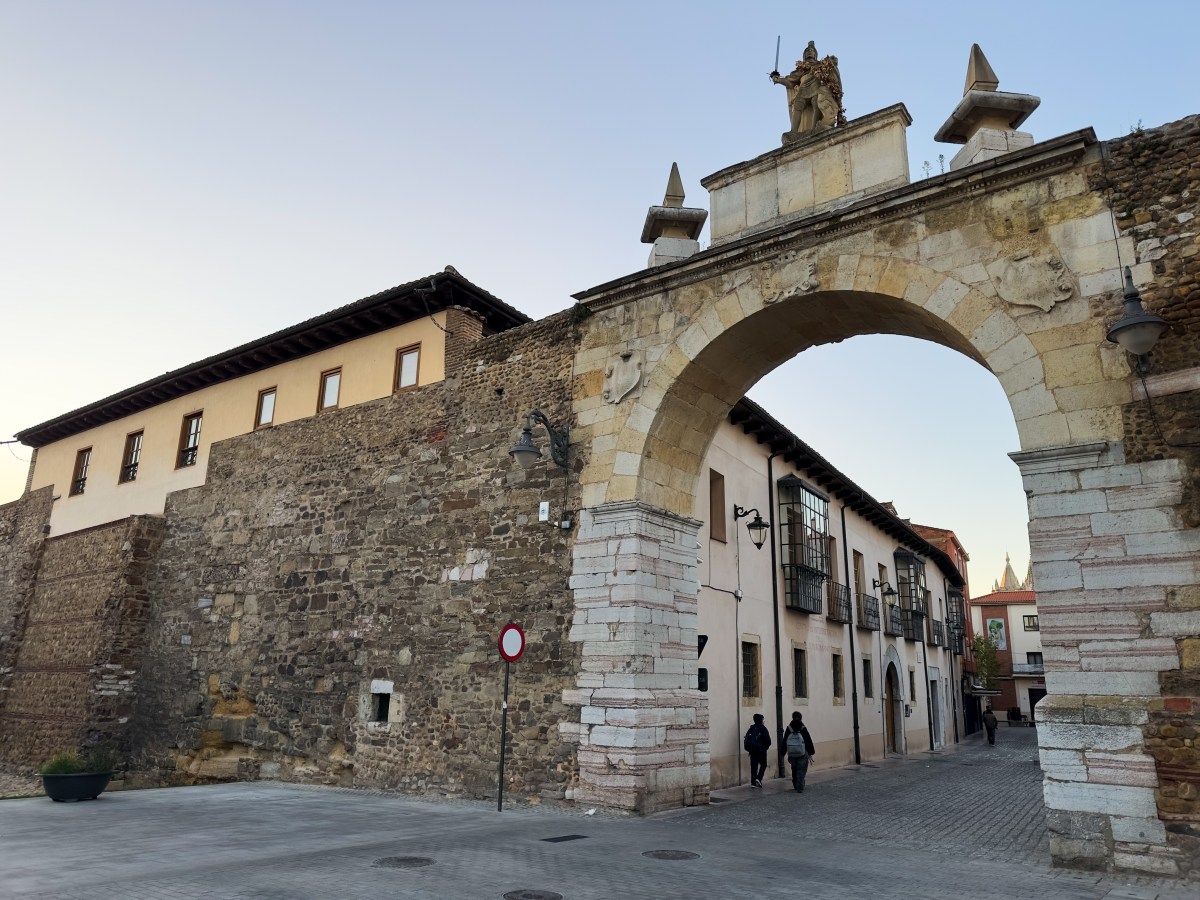
The Muralla de Astorga, encircling the historic center of Astorga in Spain’s León province, stands as a testament to the city’s rich and layered history. Originally established during the reign of Emperor Augustus in the 1st century BCE, the initial fortifications were dismantled by the century’s end. The walls that visitors encounter today primarily date back to the late 3rd or early 4th century CE, constructed in response to the Roman Empire‘s need to defend against increasing external threats.
Spanning approximately 2.2 kilometers and enclosing an area of 26 hectares, these robust walls, measuring between 4 to 5 meters in thickness, were engineered to withstand the challenges of their time. Crafted using local materials, the construction features a core of Roman concrete (opus caementicium) sandwiched between outer layers of unworked stone masonry.
Throughout the medieval period, the Muralla underwent various modifications to address evolving defensive needs. Notably, during the early 19th century, the Peninsular War inflicted significant damage on the structure, as both French and Spanish forces targeted the walls to prevent their strategic use.
Today, visitors can explore well-preserved sections of the Muralla, particularly along the Paseo de la Muralla, offering a scenic route atop the walls with panoramic views of Astorga’s historic landmarks, including the Episcopal Palace designed by Antoni Gaudí and the Cathedral of Santa María. Access to these areas is complimentary, providing an enriching experience for those interested in the city’s architectural and historical heritage.
A highlight of the Muralla is the Puerta Romana, the sole surviving gate from the original Roman construction. Located in the Parque del Melgar, this gateway offers a tangible connection to Astorga’s ancient past and is a must-see for history enthusiasts.
Whether you’re captivated by ancient Roman engineering, medieval fortifications, or simply wish to enjoy a leisurely walk with picturesque views, the Muralla de Astorga provides a compelling glimpse into the city’s storied past and enduring legacy.
Details
Av. las Murallas, 24700 Astorga, León, Spain
Photos


Astorga
Astorga, Spain, is a charming and historical town located in the province of León, in the northwestern part of the country. Nestled amidst picturesque landscapes, Astorga offers a unique blend of Roman, medieval, and modern influences, making it an ideal destination for travelers seeking both cultural immersion and natural beauty. One of the highlights of…
Thanks for visiting! I hope you have a great trip.
-
Church of Santa Marta

Situated adjacent to the Cathedral in Astorga, Spain, the Church of Santa Marta is a notable example of 18th-century Baroque architecture. According to tradition, it occupies the site of the house of Santa Marta, the city’s patron saint. The current structure was constructed between 1738 and 1741 under the guidance of Canon Bartolomé de Loredo, with the local community contributing to its completion.
The church’s interior features intricate plasterwork adorning its barrel-vaulted ceilings and dome over the transept. Visitors can view the revered image of Santa Marta, which holds significant cultural and spiritual importance for the residents of Astorga.
A distinctive aspect of the church is the “Celda de las Emparedadas” (Cell of the Walled-in Women), located adjacent to the entrance. Historically, this small chamber was used by women who chose to live a reclusive, penitential life, communicating with the church’s interior through a small window.
Despite its proximity to the grand Cathedral of Santa María, the Church of Santa Marta offers a more intimate and tranquil atmosphere. Its rich history and unique features make it a worthwhile visit for those interested in Astorga’s cultural and religious heritage.
Details
C. Sta. Marta, 2, 24700 Astorga, León, Spain
Photos


Other Sights
Astorga
Astorga, Spain, is a charming and historical town located in the province of León, in the northwestern part of the country. Nestled amidst picturesque landscapes, Astorga offers a unique blend of Roman, medieval, and modern influences, making it an ideal destination for travelers seeking both cultural immersion and natural beauty. One of the highlights of…
Thanks for visiting! I hope you have a great trip.
-
Capela e Torre dos Coimbras

The Capela e Torre dos Coimbras in Braga, Portugal, is a fascinating Renaissance-era complex that offers a glimpse into the city’s noble past. Located near the historic center, this site includes a 16th-century chapel and a striking stone tower, which once belonged to the influential Coimbra family—a noble lineage deeply tied to the region’s history.
The Chapel of the Coimbras is a beautifully preserved example of Renaissance architecture, featuring a harmonious combination of ornate stonework, intricate wood carvings, and richly decorated altars. Inside, you’ll find stunning frescoes and religious artwork that highlight the skill of local artisans from the period. The atmosphere is intimate and solemn, perfect for appreciating the craftsmanship and artistry of the time.
Adjacent to the chapel stands the Tower of the Coimbras, a sturdy stone structure that once served as a residence and defensive stronghold. Its imposing presence adds a touch of medieval charm to the site. While the tower itself is not always open to the public, its exterior is an impressive sight, showcasing well-preserved masonry and architectural details.
Visiting the Capela e Torre dos Coimbras offers a unique opportunity to explore a lesser-known yet historically rich corner of Braga. Whether you’re interested in Renaissance art, noble history, or simply beautiful architecture, this site is worth including in your itinerary.
Visit Notes
This is an interesting stop in Braga. It’s a small, one room chapel and a short tower you can climb mixed with a café. The chapel felt suitably historic, be sure to watch your step as the floor is extremely uneven. The tower was a single room at the top with some pretty stained glass, but the only views were out a little window, so not very impressive.
Entry seemed a bit pricey for what you get, but I would probably still do it again. Reading the reviews before I went a lot of people felt it was a rip-off, but I enjoyed it for what it was. If you have the time (and the extra money) then you should stop in just to say you did.
Photos


Braga
Braga, Portugal is a charming city located in the northwest part of the country. Known as the “Rome of Portugal,” Braga is deeply rooted in history and boasts a rich cultural heritage that dates back over 2,000 years. One of the first things you’ll notice when you arrive in Braga is its picturesque setting. Nestled…
Thanks for visiting! I hope you have a great trip.
-
Cabinet of Curiosities

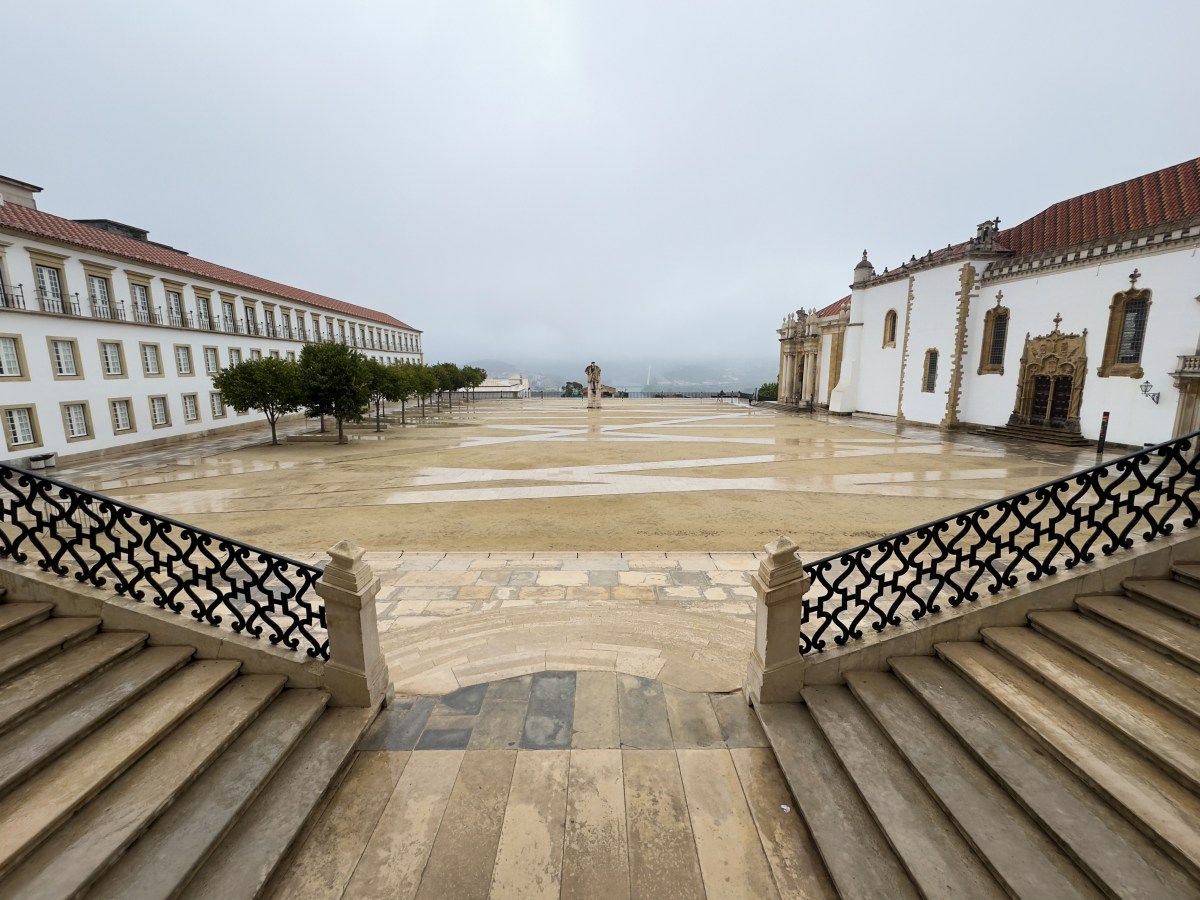
The Cabinet of Curiosities at Coimbra University is a fascinating and eclectic collection that offers visitors a glimpse into the natural history, scientific exploration, and academic curiosity that flourished during the Age of Enlightenment. Located within the Science Museum of the university, it showcases a wide variety of artifacts and specimens that were once used for educational and research purposes.
The collection includes mineral samples, botanical specimens, zoological artifacts, scientific instruments, and ethnographic objects gathered from various parts of the world. During the 18th and 19th centuries, cabinets like this one were created to display and study the wonders of the natural world, reflecting a growing desire to classify and understand the universe through empirical observation.
Visitors will find intriguing displays of taxidermy animals, preserved plants, and geological samples, along with antique scientific tools that were essential to early research in disciplines such as astronomy, physics, and biology. The Cabinet of Curiosities also highlights the university’s historic role in advancing scientific knowledge and its connections to global exploration.
The charming, somewhat chaotic arrangement of items enhances the sense of discovery, transporting you back to an era when scientific inquiry was driven by pure curiosity. Whether you are a history buff, a science enthusiast, or simply curious about the world, the Cabinet of Curiosities at Coimbra University offers a unique and enriching experience.
Visit Notes
“Eclectic” doesn’t begin to describe this wacky collection. There is no real rhyme or reason to the exhibits, the items seem to be arranged more for their artistic value than any scientific reason. There is nothing that describes what you’re seeing, it’s just a vast collection of weird and wonderful specimens from all over the world and through time. I loved it.
Photos


Other Sights
Coimbra
Coimbra is a charming and historic city located in central Portugal, known for its rich cultural heritage, prestigious university, and picturesque setting. If you’re considering visiting Coimbra, get ready to immerse yourself in a blend of medieval architecture, vibrant student life, and a vibrant local culture. One of the highlights of Coimbra is its renowned…
Thanks for visiting! I hope you have a great trip.

















About Me
The sky is not completely dark at night. Were the sky absolutely dark, one would not be able to see the silhouette of an object against the sky.
Follow Me On
Subscribe To My Newsletter
Subscribe for new travel stories and exclusive content.
 Meticulous Meanderings
You must be logged in to post a comment.