
Hello, I’m Veronica
The sky is not completely dark at night. Were the sky absolutely dark, one would not be able to see the silhouette of an object against the sky.


-
Palácio Real

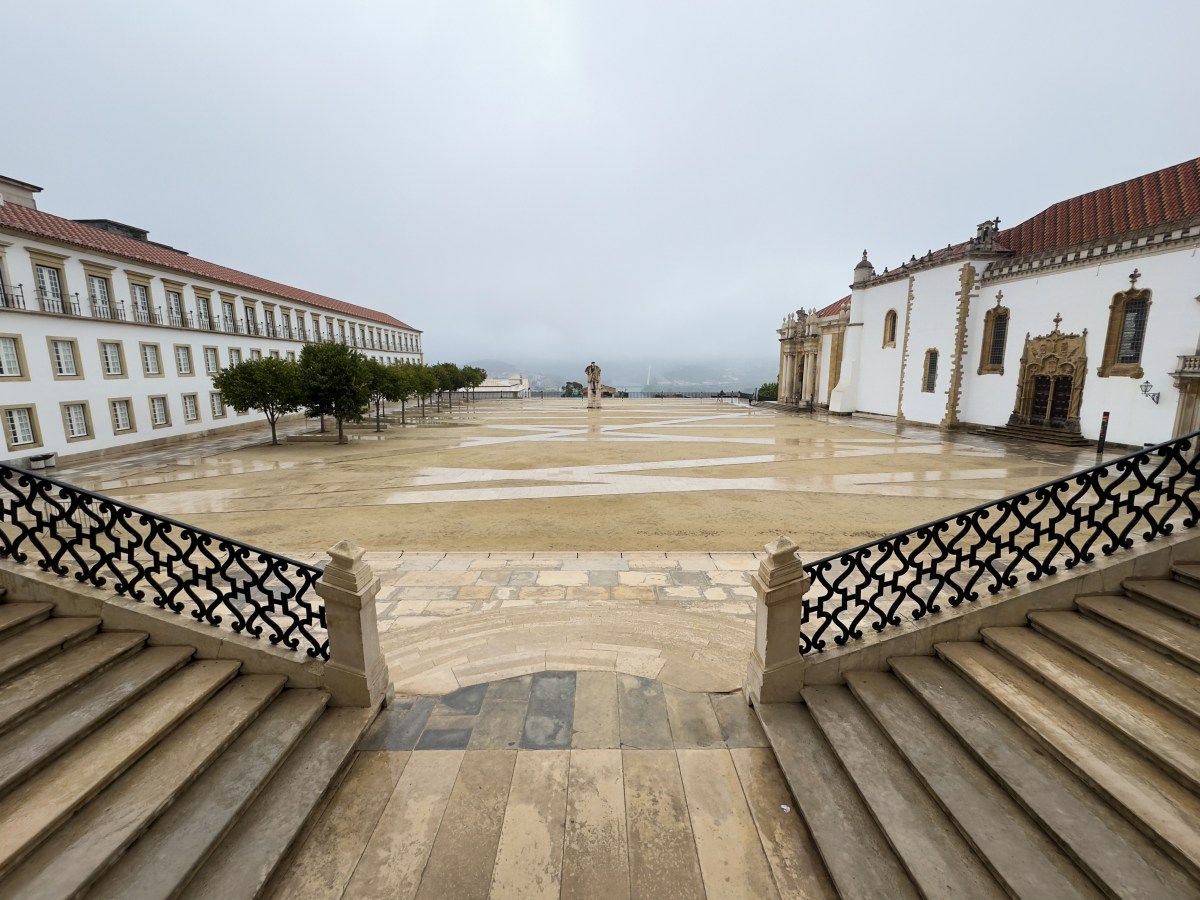
The Palácio Real at Coimbra University, also known as the Royal Palace of Alcáçova, is a magnificent historic complex that forms part of the UNESCO World Heritage Site of the University of Coimbra. Perched atop the hill of Alcaçova, it offers breathtaking views over the city and the Mondego River.
Dating back to the 12th century, the palace was originally a medieval royal residence for the Portuguese monarchy before being converted into a university building in 1537 by King John III. The architectural style is a blend of Gothic, Manueline, Renaissance, and Baroque influences, reflecting centuries of adaptations and additions.
One of the highlights of the Palácio Real is the Sala dos Capelos (Hall of Capes), the former throne room now used for academic ceremonies such as doctoral exams and formal events. Its lavish interior features 17th-century portraits of Portuguese monarchs, intricate woodwork, and stunning decorative elements.
Visitors can also explore the Sala dos Arqueiros (Hall of the Archers) and the Private Examination Room, both showcasing beautiful azulejo tilework and richly adorned ceilings. The palace’s Arcaded Courtyard provides a serene atmosphere, with its classical architectural lines and open-air elegance.
Stepping into the Palácio Real feels like traveling through time, as the building’s ornate interiors and grand halls speak of both its regal past and its centuries-old academic tradition. It is a must-see for anyone visiting the University of Coimbra, offering insight into Portugal’s royal history and the country’s most prestigious educational institution.
Visit Notes
I sometimes get a little intimidated by touring palaces because some European palaces are so vast. However, here there aren’t that many rooms included in the tour, so it doesn’t take very long to visit. The rooms that are available to view are elaborate and beautiful. I recommend taking the time to visit along with the other sights on the University grounds.
Photos


Other Sights
Coimbra
Coimbra is a charming and historic city located in central Portugal, known for its rich cultural heritage, prestigious university, and picturesque setting. If you’re considering visiting Coimbra, get ready to immerse yourself in a blend of medieval architecture, vibrant student life, and a vibrant local culture. One of the highlights of Coimbra is its renowned…
Thanks for visiting! I hope you have a great trip.
-
Capela de São Miguel

The Capela de São Miguel in Coimbra is a charming and richly decorated chapel located within the University of Coimbra, dating back to the early 16th century. It’s a striking example of Portuguese Manueline and Baroque architectural styles, blending intricate stonework and lavish decoration with a deep sense of history.
The chapel’s main entrance is adorned with a beautifully carved Manueline-style portal, featuring naturalistic motifs and symbolic designs. Upon entering, visitors are greeted by a stunning interior that includes vibrant azulejo tiles from the 17th century, which line the walls and depict religious scenes in shades of blue and white.
The wooden ceiling is an eye-catching feature, painted with geometric patterns and colorful details that contrast with the ornate Baroque elements found elsewhere. The high altar, carved in gilded wood, is a masterpiece of Baroque art, with its intricate sculptures and religious imagery.
One of the most impressive features of the chapel is its grand organ, built in 1733, boasting over 2,000 pipes and still playable today. Its richly decorated casing adds to the chapel’s opulent ambiance.
The Capela de São Miguel is not just an architectural gem but also a place of deep historical and cultural significance. It was once the university’s official chapel, where students and faculty would gather for religious ceremonies. Today, it remains a beloved part of the University of Coimbra’s tour, included with most tickets and offering visitors a glimpse into the spiritual and artistic heritage of this renowned institution.
Visit Notes
This is an adorable, but small chapel. It won’t take you long to visit and is included in most of the ticket combos for the university. Be sure to stop in.
Photos


Other Sights
Coimbra
Coimbra is a charming and historic city located in central Portugal, known for its rich cultural heritage, prestigious university, and picturesque setting. If you’re considering visiting Coimbra, get ready to immerse yourself in a blend of medieval architecture, vibrant student life, and a vibrant local culture. One of the highlights of Coimbra is its renowned…
Thanks for visiting! I hope you have a great trip.
-
Praça do Comércio
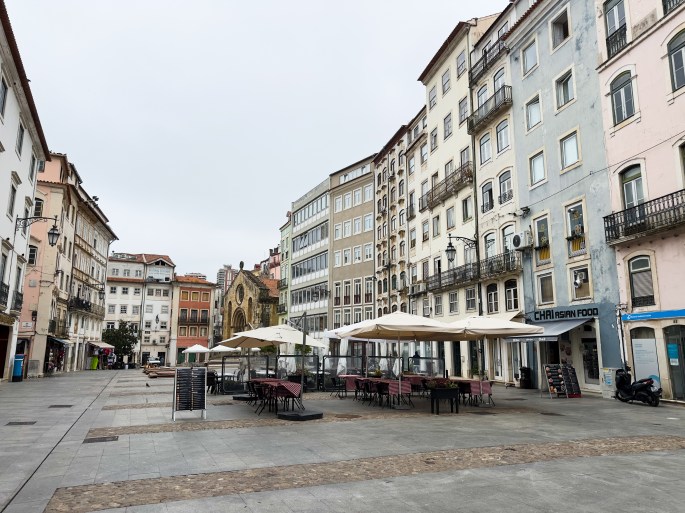
The Praça do Comércio in Coimbra is a vibrant and historic square located in the heart of the city’s lower town (Baixa). This lively plaza has been a commercial and social hub for centuries and remains a popular spot for both locals and visitors. Surrounded by charming 18th-century buildings, many with traditional Portuguese tiles, the square has a welcoming, timeless atmosphere.
At the center, you’ll find the Igreja de São Tiago, a beautiful Romanesque church dating back to the 12th century. Its presence adds a sense of historical depth to the bustling square. The surrounding area is filled with cafés, shops, and restaurants, where you can sit and enjoy a coffee or traditional Portuguese pastry while watching daily life unfold.
The square often hosts markets, festivals, and street performances, making it a lively spot throughout the year. Its central location makes it an excellent starting point for exploring Coimbra’s narrow medieval streets, local boutiques, and nearby attractions. Whether you’re looking to experience the city’s vibrant energy or delve into its rich history, Praça do Comércio offers a perfect blend of both.
Visit Notes
There are lots of cute little restaurants and shops here. It was raining on the day I visited, but it was still lively.
Details
Photos


Coimbra
Coimbra is a charming and historic city located in central Portugal, known for its rich cultural heritage, prestigious university, and picturesque setting. If you’re considering visiting Coimbra, get ready to immerse yourself in a blend of medieval architecture, vibrant student life, and a vibrant local culture. One of the highlights of Coimbra is its renowned…
Thanks for visiting! I hope you have a great trip.
-
Igreja de São Lourenço MASA

The Igreja de São Lourenço, also known as Igreja dos Grilos or MASA (Museu de Arte Sacra e Arqueologia), is a stunning baroque church located in Porto’s historic center, near the Episcopal Palace and the Ribeira district. Built by the Jesuits between 1577 and 1622, it boasts a grand, imposing façade with classical baroque detailing and twin bell towers. The church’s name, “Grilos” (Crickets), comes from the monks who later occupied it and were popularly nicknamed the “Grilos.”
Inside, visitors will find a richly decorated interior with beautiful gilded woodwork, intricate altarpieces, and impressive baroque art. The high altar, adorned with sculptures of saints and angels, is particularly breathtaking. The serene and elegant design creates a contrast to the bustling streets outside, making it a peaceful retreat for contemplation and admiration.
The church also houses the Museu de Arte Sacra e Arqueologia (MASA), which features an impressive collection of religious art, including sculptures, paintings, liturgical objects, and archaeological artifacts. The exhibits provide a fascinating insight into Portugal’s religious history and artistic heritage.
A visit to the Igreja de São Lourenço MASA is perfect for anyone interested in baroque architecture, sacred art, and the history of Porto. Its location near other important attractions makes it an easy and worthwhile addition to your itinerary.
Visit Notes
I had this place entirely to myself. I thought it was interesting, but it’s certainly not a must-see in Porto. The tower has great views, but if you had to pick a tower to visit then go to Torre dos Clérigos over this one. For some reason, climbing this tower felt terrifying to me. The stairs were stone just like Clérigos. The climb was enclosed. Maybe it’s because there was a lot of debris on the steps… it felt like no one had climbed it in forever and that messed with my head.
Details
Largo do Colégio, 4050-028 Porto, Portugal
Photos


Other Sights
-
Museu Nacional Soares dos Reis

The Museu Nacional Soares dos Reis in Porto is a prestigious art museum housed in the beautiful Palácio das Carrancas, an elegant 18th-century neoclassical building. Established in 1833, it is Portugal’s first public art museum and is named after António Soares dos Reis, a celebrated Portuguese sculptor.
The museum’s collections are rich and diverse, showcasing Portuguese art from the 16th to the 20th centuries, with a particular emphasis on 19th-century painting and sculpture. Visitors can admire works by Soares dos Reis himself, including his famous marble sculpture “O Desterrado” (The Exiled), which captures intense emotion and exquisite detail. Alongside sculptures, the museum exhibits paintings, ceramics, textiles, furniture, jewelry, and glassware, offering a comprehensive view of Portugal’s artistic heritage.
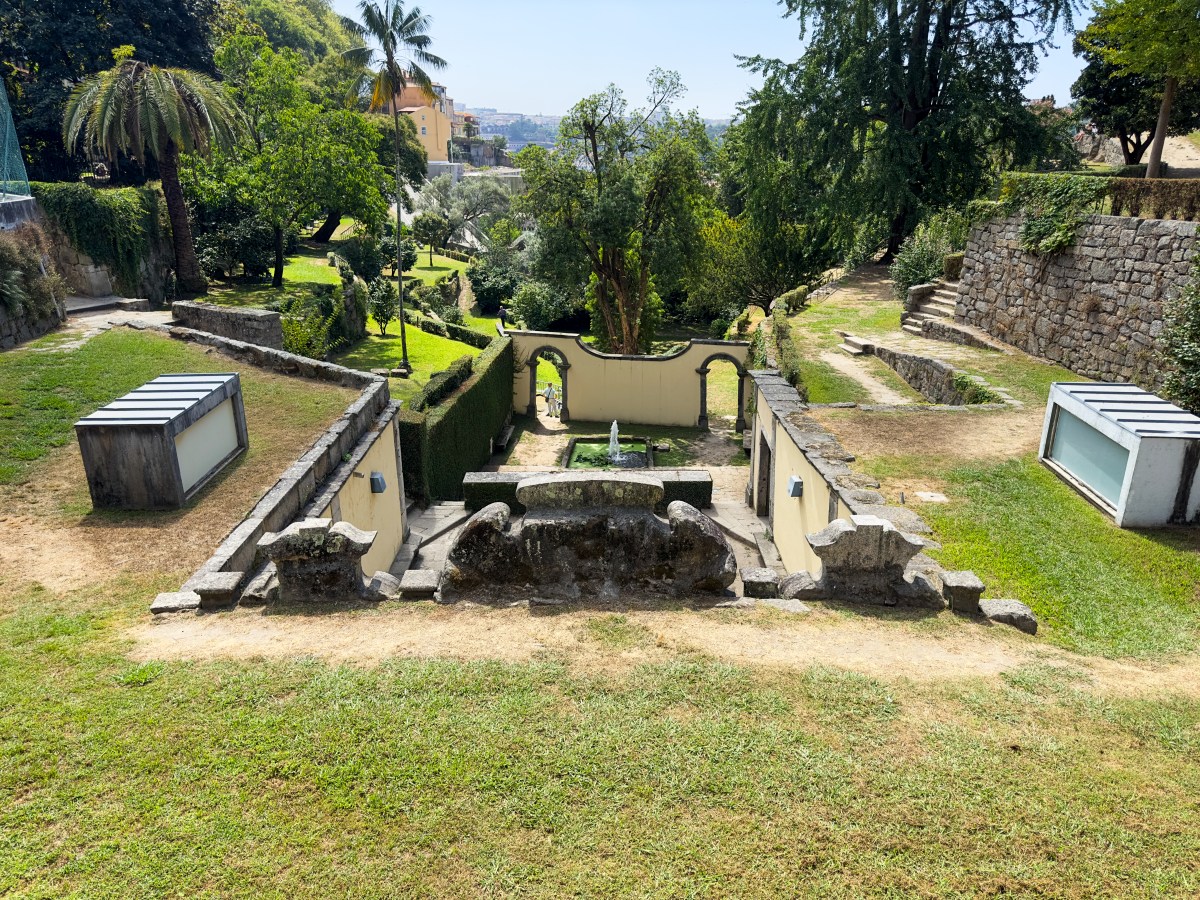
The museum’s galleries are thoughtfully arranged to highlight different artistic periods and styles, making it easy for visitors to follow the evolution of Portuguese art. Additionally, the peaceful garden and courtyard offer a pleasant space to relax and reflect on the art you’ve seen.
For anyone interested in art, history, or Portuguese culture, the Museu Nacional Soares dos Reis provides an inspiring and educational experience. Its impressive collection and beautifully restored building make it a must-visit cultural institution in Porto.
Visit Notes
The museum is near the Jardins do Palácio de Cristal so I grouped the two sights together. I enjoyed the museum. Was it the world’s best art museum? No, but it was an enjoyable way to get out of the heat in the afternoon and absorb some culture.
Photos


Other Sights




















About Me
The sky is not completely dark at night. Were the sky absolutely dark, one would not be able to see the silhouette of an object against the sky.
Follow Me On
Subscribe To My Newsletter
Subscribe for new travel stories and exclusive content.
 Meticulous Meanderings
You must be logged in to post a comment.