Hello, I’m Veronica
The sky is not completely dark at night. Were the sky absolutely dark, one would not be able to see the silhouette of an object against the sky.


-
Museum Tucherschloss und Hirsvogelsaal
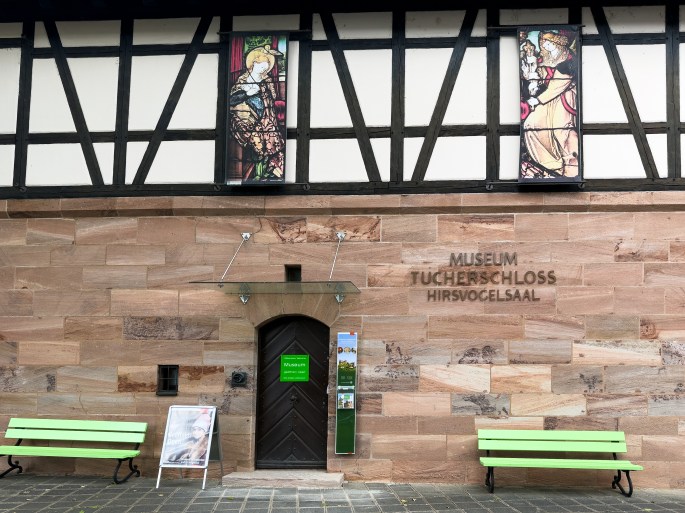
The Museum Tucherschloss und Hirsvogelsaal in Nuremberg is a hidden gem that offers a fascinating look into the life of Nuremberg’s wealthy patrician families during the Renaissance. Located just outside the historic Old Town, this beautifully restored 16th-century mansion and its adjoining banquet hall transport visitors back to the Golden Age of Nuremberg.
The Tucher family, one of Nuremberg’s most influential merchant dynasties, built this elegant Renaissance residence in the mid-1500s. Today, the Tucherschloss Museum showcases original furniture, artwork, and everyday objects that reflect the luxurious lifestyle of the city’s elite. Highlights include fine tapestries, exquisite silverware, and historical portraits, all carefully preserved to illustrate how a wealthy family lived during the Renaissance. The beautiful courtyard and gardens further enhance the authentic atmosphere.
Next to the mansion is the Hirsvogelsaal, an ornate hall built in 1534 for lavish feasts and celebrations. Although destroyed in World War II, it was faithfully reconstructed, including its magnificent painted ceiling by artist Georg Pencz, which depicts mythological scenes in stunning detail. Today, the hall hosts concerts, events, and special exhibitions, making it a place where history and culture come to life.
If you’re interested in Renaissance art, noble lifestyles, and historical architecture, the Tucherschloss and Hirsvogelsaal Museum is a must-visit. It offers a unique glimpse into Nuremberg’s past, away from the more well-known medieval sites, and is a perfect stop for those who appreciate historical elegance and cultural heritage.
Visit Notes
This is a small museum, so it won’t take much time to visit. I felt the most enjoyable part was the garden, which had a small art exhibit at the time. Unfortunately, the Hirsvogelsaal was closed for an event when we visited. We were able to briefly poke our heads inside before being told to leave and it was quite lovely. I wish we could have explored. The interior of the mansion had some beautiful stained glass but if you’re short on time in Nuremberg, I would spend my time elsewhere.
Photos


Nuremberg
Nuremberg (Nürnberg), Germany, is a city rich in history, culture, and medieval charm, making it a must-visit destination for travelers. Located in Bavaria, Nuremberg is best known for its well-preserved Old Town, impressive medieval architecture, and deep connections to both the Holy Roman Empire and World War II history. One of Nuremberg’s most striking features…
Thanks for visiting! I hope you have a great trip.
-
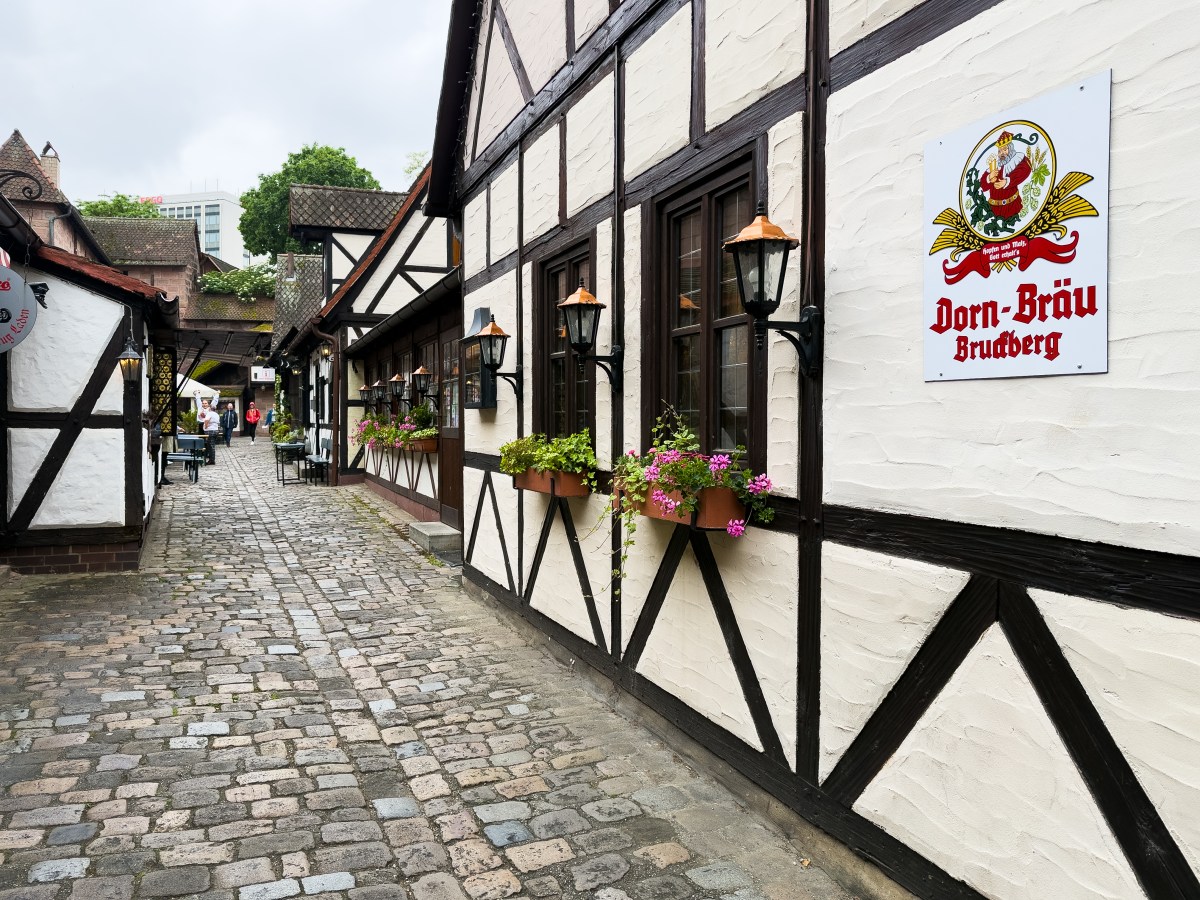
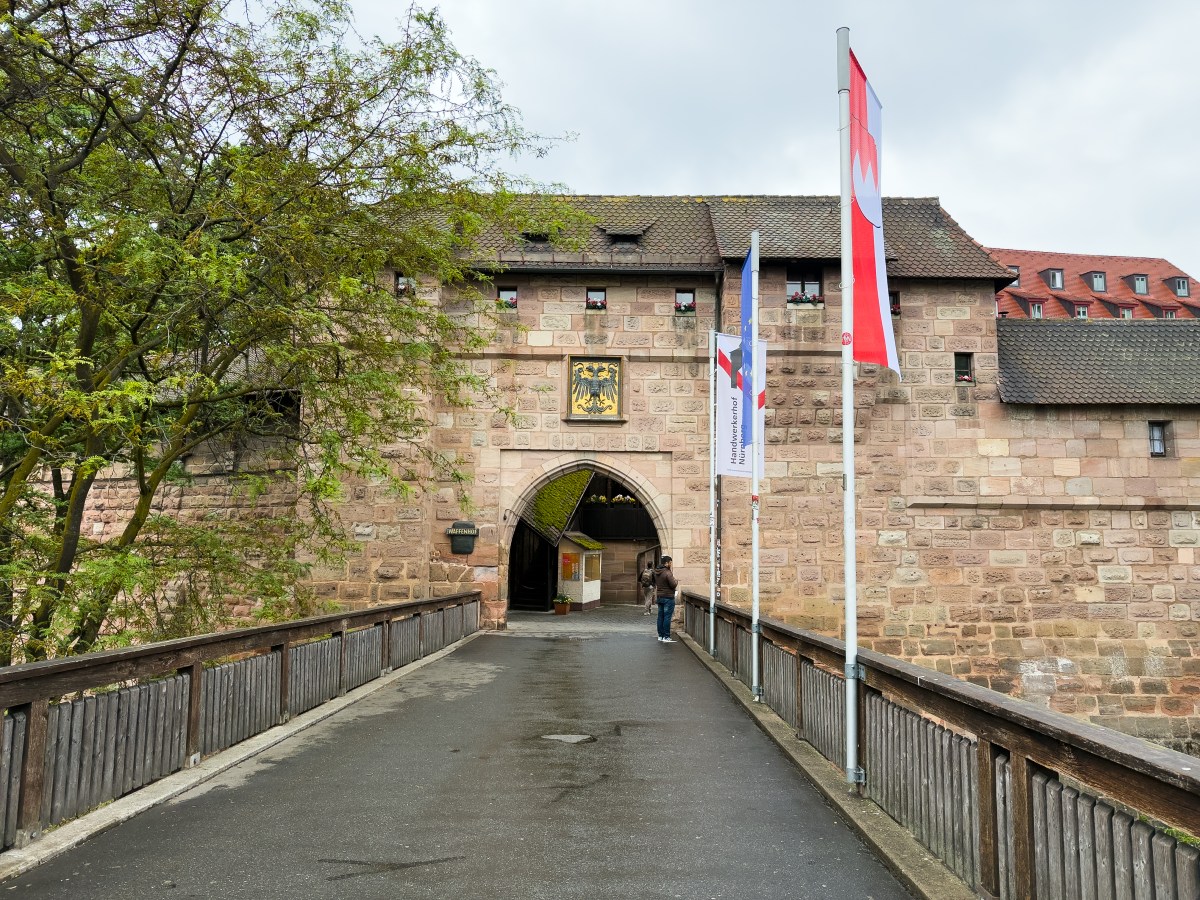
Handwerkerhof
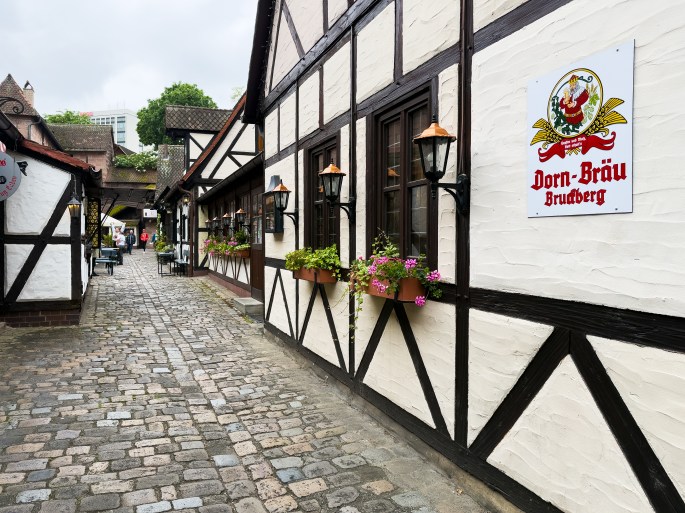
The Handwerkerhof in Nuremberg is a charming medieval-style courtyard that transports visitors back in time to experience traditional craftsmanship, local artistry, and Bavarian culture. Nestled just inside the historic Frauentor, near the main train station (Hauptbahnhof), this small enclave is a recreation of a medieval craftsmen’s district, surrounded by Nuremberg’s medieval city walls.
As you step into the cobblestone-lined alleyways, you’ll find half-timbered houses, cozy workshops, and artisan boutiques where craftsmen create and sell handmade goods such as wood carvings, glasswork, leather goods, and pewter figurines. It’s an ideal place to pick up unique souvenirs and authentic Nuremberg gifts.
Food lovers will also enjoy traditional Franconian specialties, including Nuremberg sausages (Nürnberger Bratwurst), pretzels, and gingerbread (Lebkuchen), which can be enjoyed in the inviting local taverns or beer gardens.
Despite its touristic charm, the Handwerkerhof preserves an authentic atmosphere, making it a perfect stop for visitors who want to experience old-world Nuremberg, right at the gateway to the city’s historic Old Town (Altstadt). Whether you’re looking for local crafts, delicious food, or a taste of medieval Germany, the Handwerkerhof is a delightful and memorable destination.
Visit Notes
We walked through here late in the morning, but nothing was open and didn’t seem like anything was happening. I’m guessing it’s something that will be livelier later in the day. It looked like there were some cute shops.
Photos


Other Sights
Nuremberg
Nuremberg (Nürnberg), Germany, is a city rich in history, culture, and medieval charm, making it a must-visit destination for travelers. Located in Bavaria, Nuremberg is best known for its well-preserved Old Town, impressive medieval architecture, and deep connections to both the Holy Roman Empire and World War II history. One of Nuremberg’s most striking features…
Thanks for visiting! I hope you have a great trip.
-
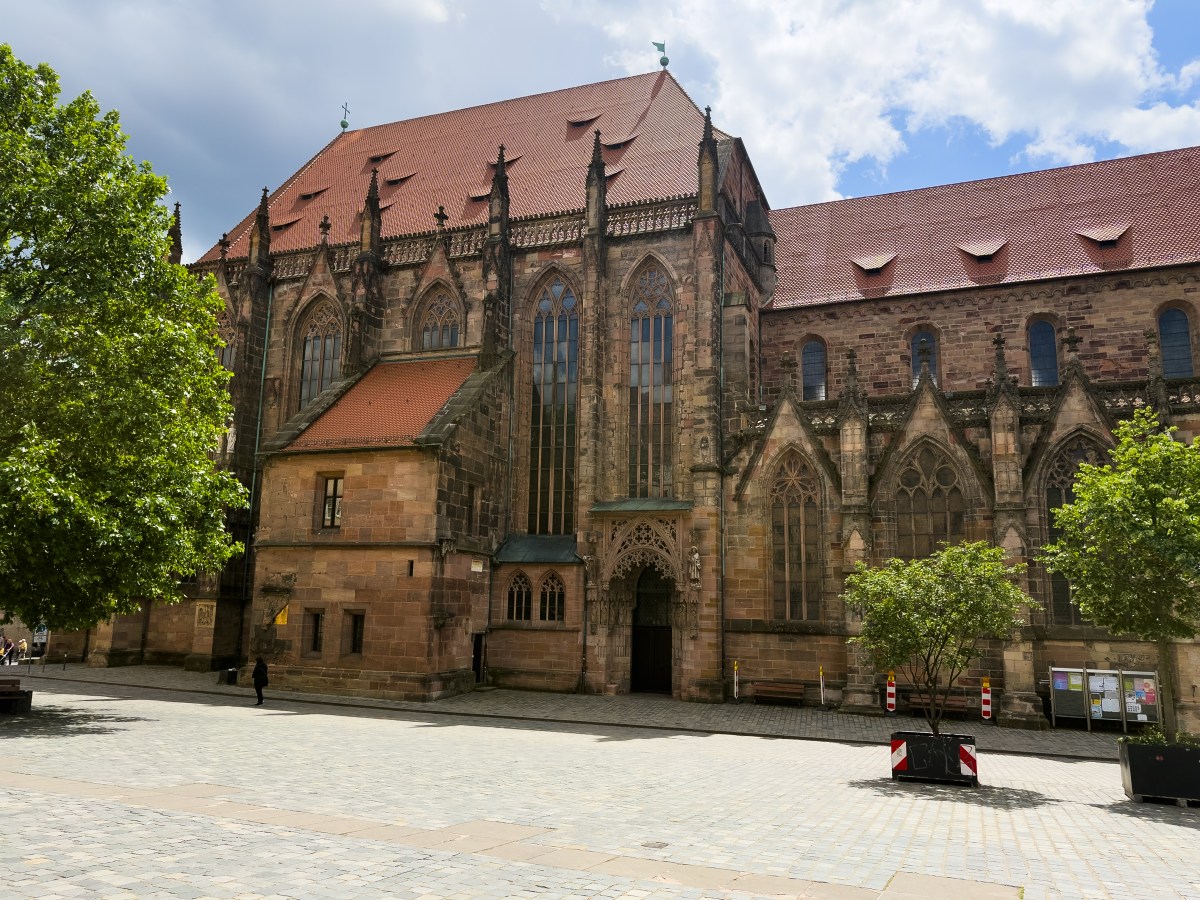
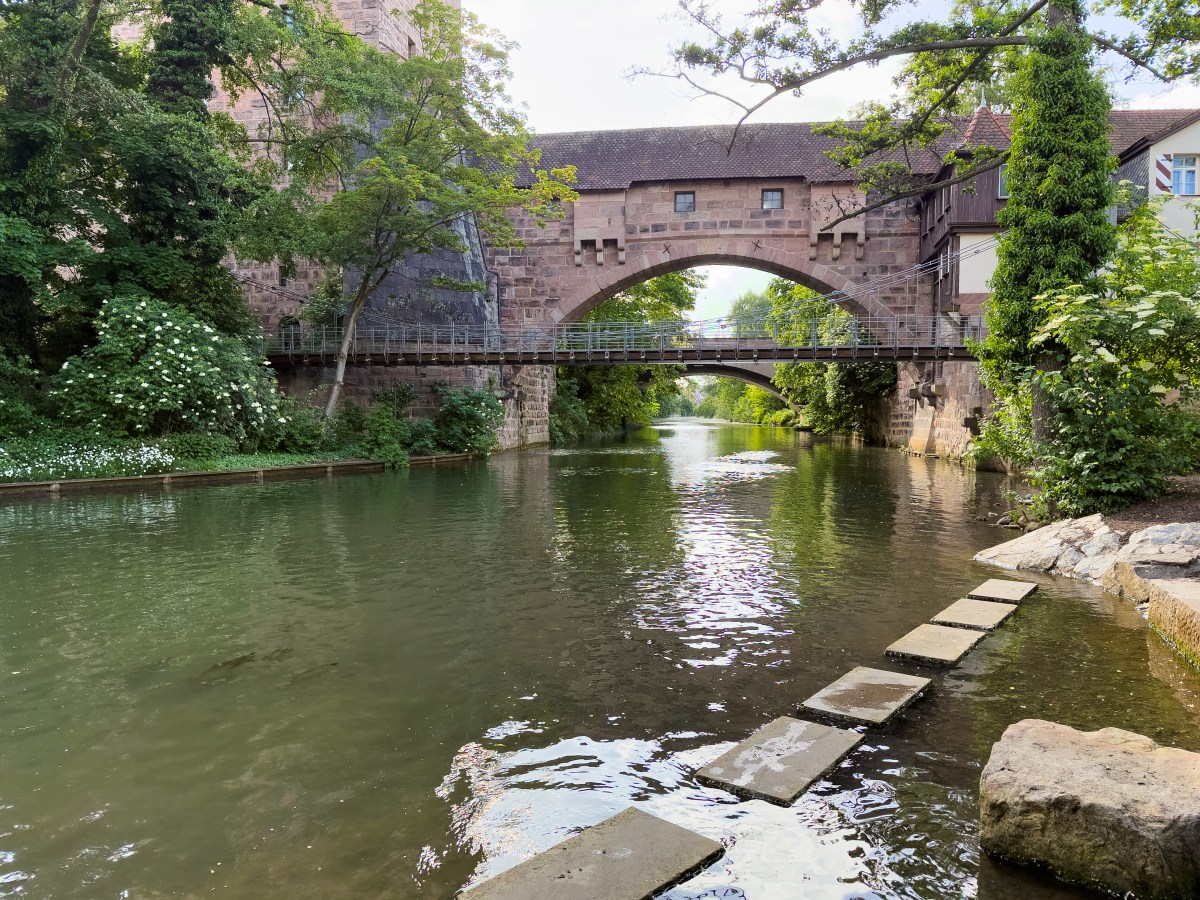
Frauentor
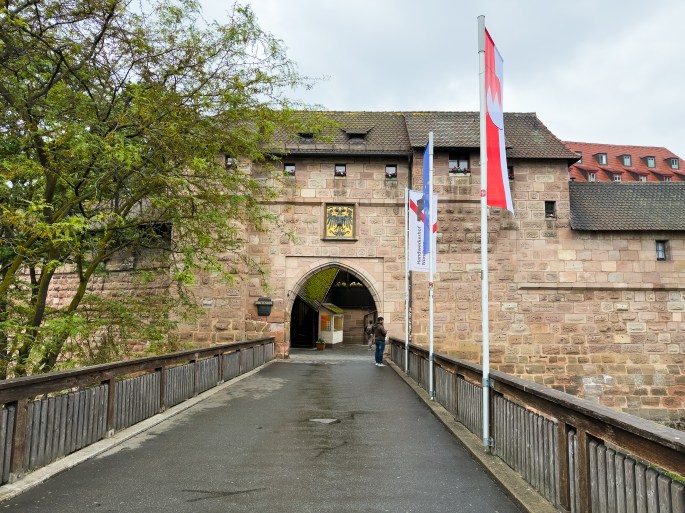
The Frauentor in Nuremberg, Germany, is a historic city gate that once played a vital role in the city’s medieval fortifications. Located near the main train station (Hauptbahnhof), the Frauentor serves as an entrance to Handwerkerhof, a charming medieval-style artisans’ courtyard where visitors can experience traditional Nuremberg crafts, souvenirs, and local specialties.
Originally part of Nuremberg’s 14th-century city walls, the Frauentor was built to protect the southeastern entrance to the city. Its name, which translates to “Women’s Gate”, comes from its proximity to the Frauenkirche (Church of Our Lady) and the former Frauentormauer, a section of the city wall.
Today, the Frauentor is a picturesque gateway leading visitors into Handwerkerhof, where you can explore half-timbered buildings, artisan workshops, and cozy taverns offering local treats like Nuremberg sausages and gingerbread (Lebkuchen). It’s a wonderful place to take a stroll, shop for handmade crafts, and step back in time while being just steps away from the modern city center. Whether you’re interested in history, shopping, or Bavarian culture, the Frauentor and its surroundings make for a memorable stop in Nuremberg.
Details
Address
Website
Photos


Nuremberg
Nuremberg (Nürnberg), Germany, is a city rich in history, culture, and medieval charm, making it a must-visit destination for travelers. Located in Bavaria, Nuremberg is best known for its well-preserved Old Town, impressive medieval architecture, and deep connections to both the Holy Roman Empire and World War II history. One of Nuremberg’s most striking features…
Thanks for visiting! I hope you have a great trip.
-
Kelheim Old Town

Kelheim’s Old Town is filled with history, charming architecture, and scenic spots that make it a great place to explore. If you’re in town to see the Hall of Liberation or take a boat trip, maybe walk into the old town and enjoy some of the following sights:
Altmühltor (Altmühl Gate)
One of the last remaining medieval city gates of Kelheim, the Altmühltor was once part of the town’s fortifications. It’s a great place to start your walk through the historic streets and imagine the town’s medieval past.
Town Hall (Rathaus Kelheim)
Located in the heart of the Old Town, the Kelheim Town Hall is a beautiful example of neoclassical architecture. The square around it is often bustling with small events and markets.
Stadtplatz (Town Square)
The central square of Kelheim is surrounded by colorful historic buildings, cozy cafés, and shops. It’s the perfect spot to enjoy a Bavarian meal or a coffee while soaking in the town’s relaxed atmosphere.
Parish Church of the Assumption (Stadtpfarrkirche Mariä Himmelfahrt)
This Catholic church has a stunning interior with baroque-style elements and is one of the most important religious sites in Kelheim.
Ludwigstraße
This historic street is lined with traditional Bavarian buildings, small shops, and restaurants. It’s a great place for a leisurely stroll and to soak in Kelheim’s old-world charm.
The Danube and Altmühl River Promenade
Walking along the riverside offers beautiful views of the water, passing boats, and the surrounding hills. You can also catch a boat tour to the Danube Gorge (Donaudurchbruch) and Weltenburg Abbey from here.
Gateway to Befreiungshalle (Liberation Hall)
While not directly in the Old Town, Befreiungshalle is a short walk or drive up Michelsberg Hill. From the Old Town, you can spot the majestic monument and take a scenic route to visit it.
Kelheim’s Old Town is a wonderful mix of history, Bavarian culture, and scenic beauty, making it a must-visit for those exploring this region of Germany.
Details
Photos


Kelheim
Kelheim, Germany, is a picturesque town located at the confluence of the Danube and Altmühl rivers, about 30 kilometers southwest of Regensburg. It’s a fantastic destination for visitors looking to experience history, nature, and Bavarian charm all in one place. One of Kelheim’s most famous attractions is the Befreiungshalle (Hall of Liberation), a stunning neoclassical…
Thanks for visiting! I hope you have a great trip.
-
Weltenburg Abbey
Weltenburg Abbey (Kloster Weltenburg) in Kelheim, Germany, is a breathtaking Benedictine monastery nestled along the banks of the Danube River, surrounded by the towering limestone cliffs of the Danube Gorge. Founded in circa 620 AD, it is considered one of the oldest monasteries in Bavaria and remains a place of deep spiritual and cultural significance.
One of the highlights of visiting Weltenburg Abbey is its stunning Baroque church, designed by the famous Asam brothers in the early 18th century. The interior is a masterpiece of ornate frescoes, gilded altars, and intricate stucco work, creating a breathtaking atmosphere of artistry and devotion.
Another major attraction is the Weltenburg Brewery, which holds the title of the oldest monastic brewery in the world. Here, you can enjoy a glass of the abbey’s famous dark beer (Weltenburger Kloster Barock Dunkel), brewed using traditional methods for centuries. The beer garden, set in a picturesque courtyard overlooking the Danube, is the perfect place to relax and savor authentic Bavarian cuisine alongside a fresh pint.
Many visitors arrive at the abbey via a boat tour from Kelheim, passing through the Danube Gorge (Donaudurchbruch), which adds an extra layer of beauty to the experience. The peaceful riverside setting, combined with the rich history, stunning architecture, and legendary beer, makes Weltenburg Abbey a must-visit destination for anyone exploring Bavaria. Whether you come for the spiritual ambiance, scenic beauty, or world-class beer, this historic monastery offers an unforgettable experience.
Photos


© Kloster Weltenburg 
Other Sights
Kelheim
Kelheim, Germany, is a picturesque town located at the confluence of the Danube and Altmühl rivers, about 30 kilometers southwest of Regensburg. It’s a fantastic destination for visitors looking to experience history, nature, and Bavarian charm all in one place. One of Kelheim’s most famous attractions is the Befreiungshalle (Hall of Liberation), a stunning neoclassical…
Thanks for visiting! I hope you have a great trip.



.JPG)
.jpg)
.JPG)

About Me
The sky is not completely dark at night. Were the sky absolutely dark, one would not be able to see the silhouette of an object against the sky.
Follow Me On
Subscribe To My Newsletter
Subscribe for new travel stories and exclusive content.
 Meticulous Meanderings
You must be logged in to post a comment.