
Hello, I’m Veronica
The sky is not completely dark at night. Were the sky absolutely dark, one would not be able to see the silhouette of an object against the sky.


-
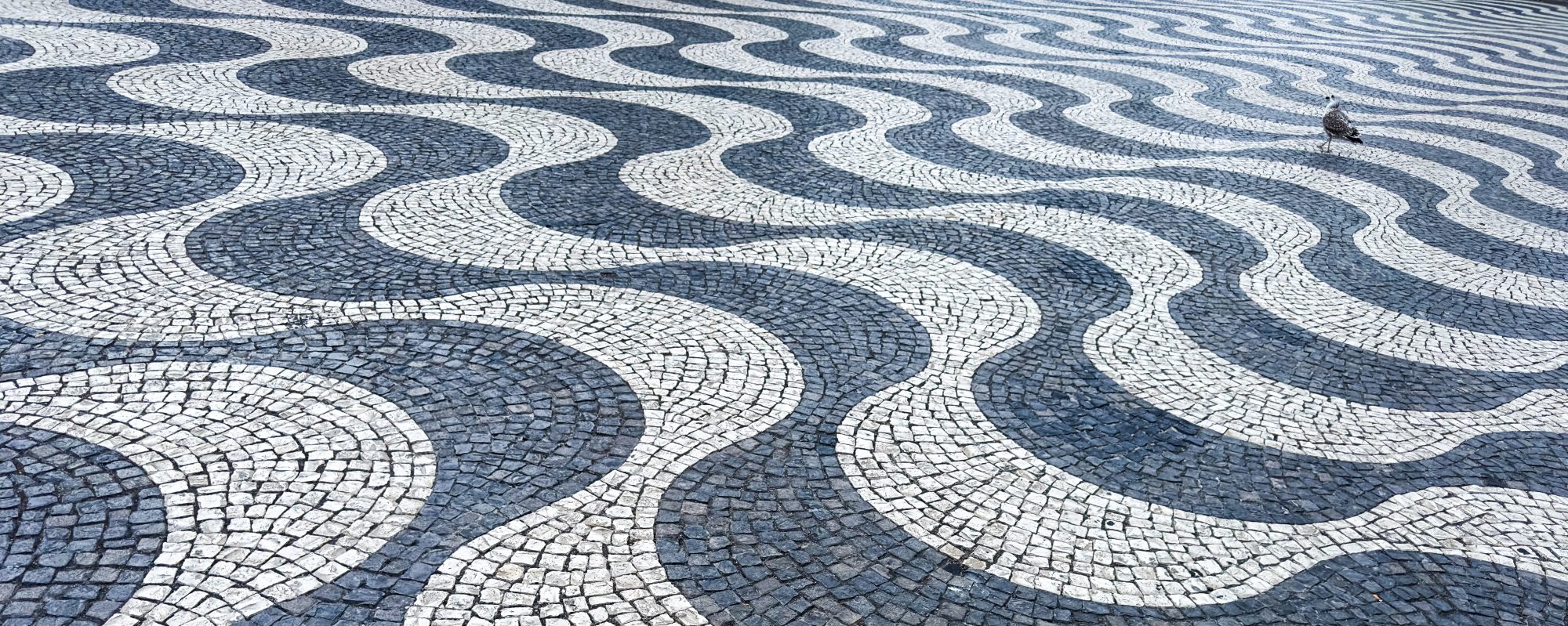
Haidplatz

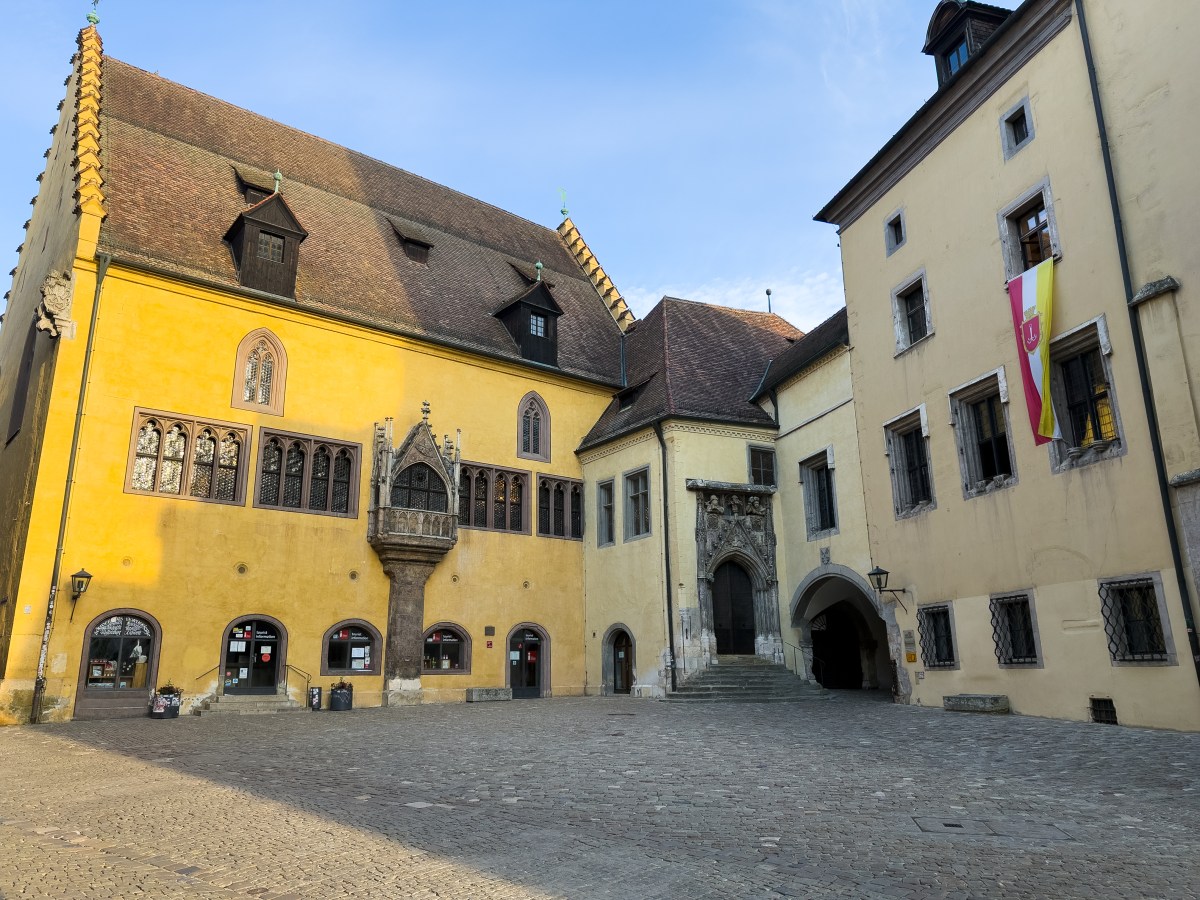
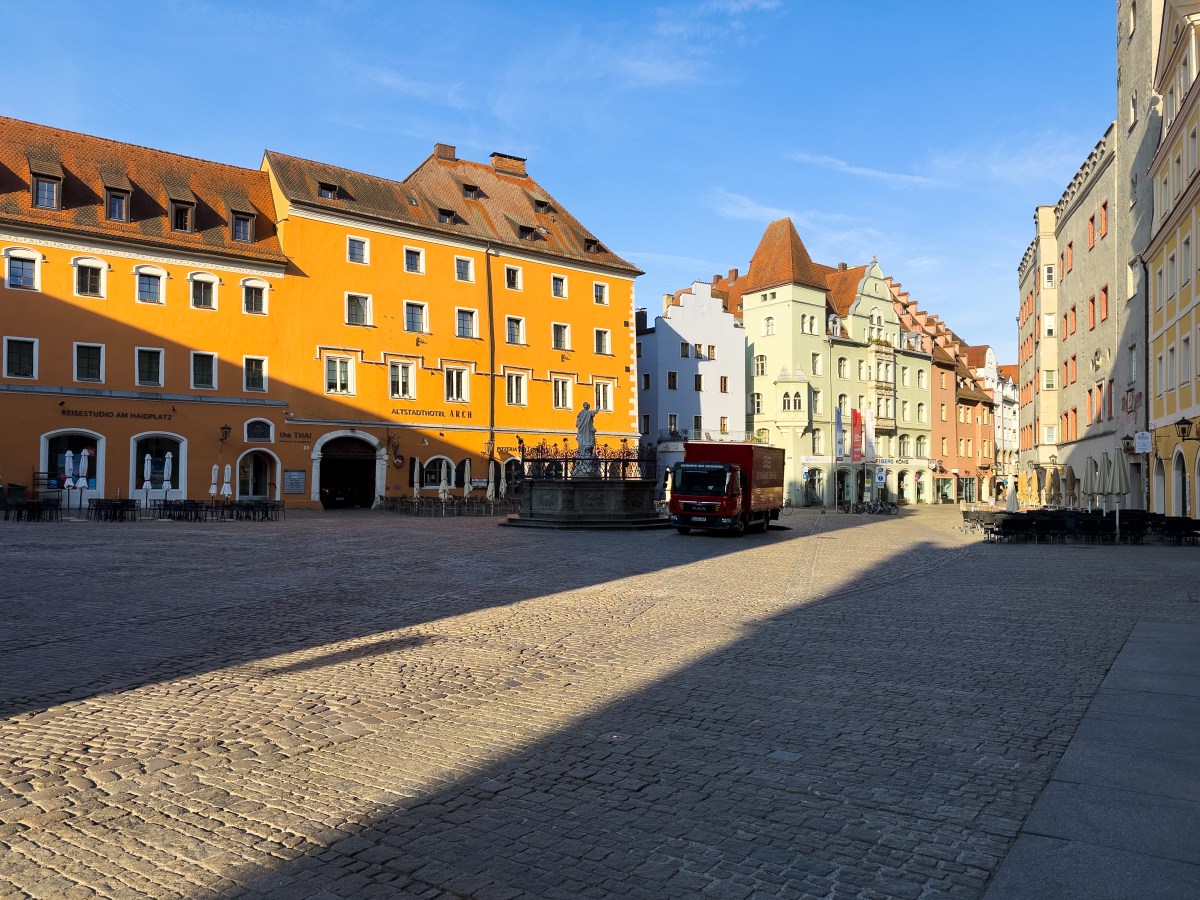
Haidplatz in Regensburg is a charming and vibrant square that captures the essence of the city’s historic and lively atmosphere. Located in the heart of Regensburg’s Old Town, Haidplatz is surrounded by stunning medieval buildings, creating a beautiful backdrop for a stroll or a stop at one of the cafés and restaurants that line the square. The square is often bustling with both locals and tourists, making it a great spot to soak in the energy of the city.
One of the main highlights of Haidplatz is its historic architecture, including several Baroque and Gothic buildings that showcase Regensburg’s rich past. The square is also home to the House of the Knights of the Teutonic Order, which adds to the area’s historical charm.
Haidplatz is also a popular location for cultural events, markets, and festivals, particularly during the Christmas season when it transforms into a picturesque holiday market. Whether you’re stopping by for a coffee, admiring the architecture, or enjoying one of the city’s lively events, Haidplatz is a wonderful place to experience the spirit of Regensburg in all its beauty.
Details
Photos


Regensburg
Regensburg is one of Germany’s most beautiful and well-preserved medieval cities, offering visitors a rich blend of history, architecture, and charm. Located along the Danube River in Bavaria, it is a UNESCO World Heritage Site, known for its stunning medieval old town, vibrant cultural scene, and Roman roots. Walking through its narrow, cobbled streets feels…
Thanks for visiting! I hope you have a great trip.
-
Goliathhaus
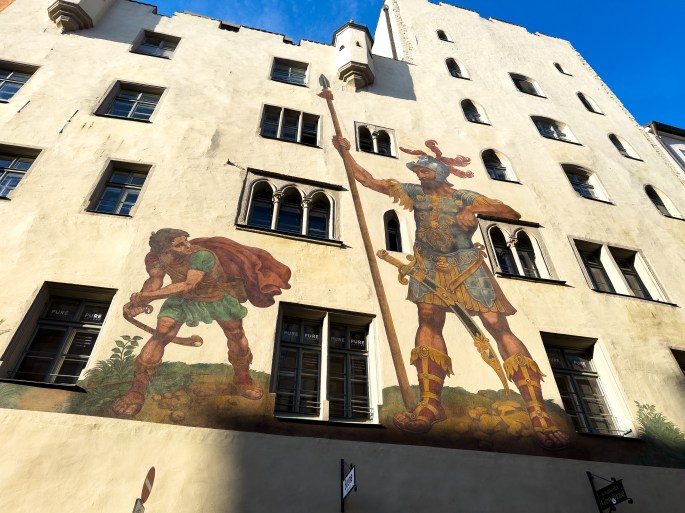
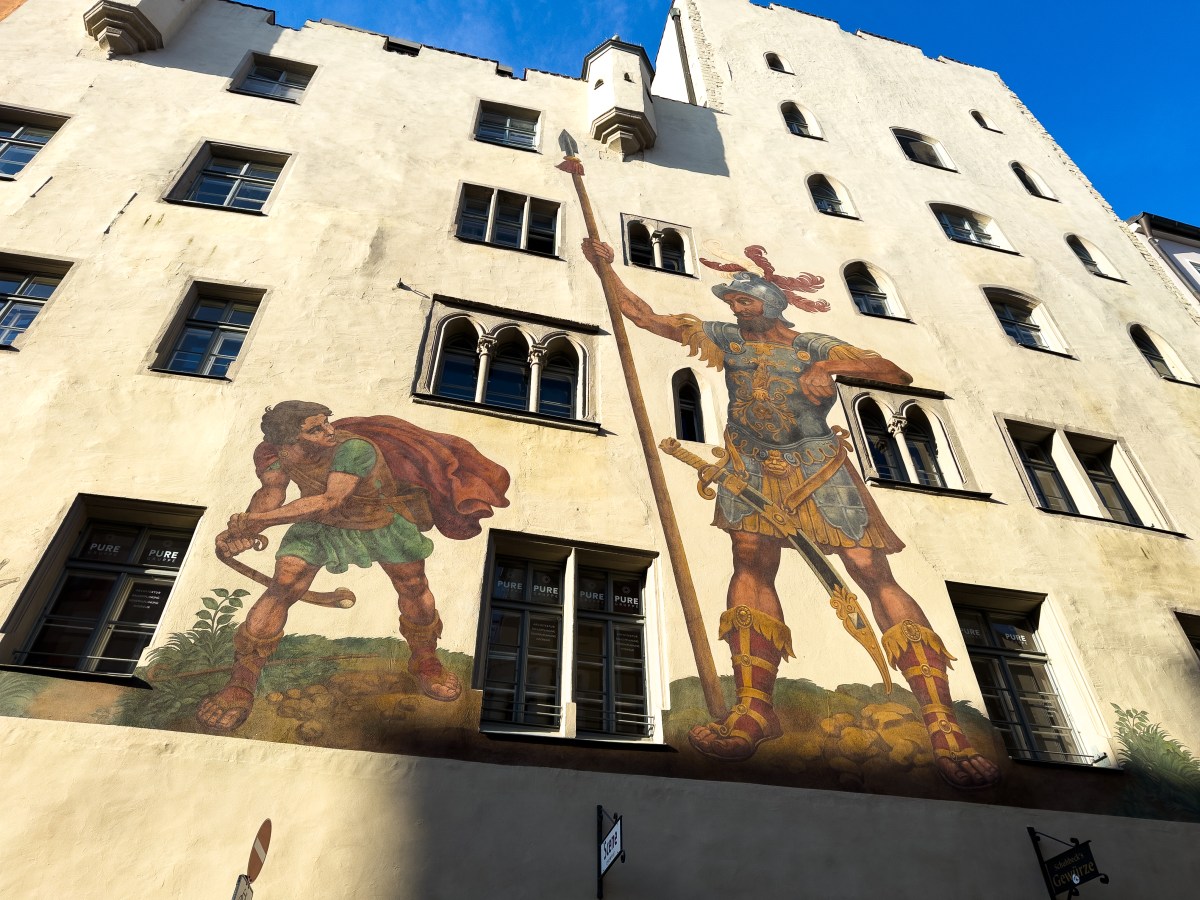
The Goliathhaus mural in Regensburg is a striking and historically significant work of art that you won’t want to miss while exploring the city. Located on the Goliathhaus building in the heart of Regensburg’s Old Town, the mural depicts the biblical story of David and Goliath, showing the moment when the young shepherd David triumphs over the giant Goliath. Painted in the 16th century, this mural is a beautiful example of Renaissance art and an important piece of the city’s visual history.
The mural covers the entire facade of the Goliathhaus, making it an impressive sight for anyone walking through the city. It is notable for its vivid colors, dramatic depiction of the battle, and its symbolic significance. The story of David and Goliath is often interpreted as a tale of overcoming seemingly insurmountable challenges, making it an inspiring and powerful image to view.
The Goliathhaus itself is a Renaissance building that stands out with its decorative elements and beautiful architecture, but the mural is what truly draws visitors’ attention. This piece of art is not only a historical and biblical representation, but also a reflection of Regensburg’s rich cultural heritage, which blends art, religion, and the city’s medieval legacy.
For anyone interested in Renaissance art, biblical stories, or simply wanting to admire an iconic Regensburg landmark, the Goliathhaus mural offers a fascinating and visually stunning experience that adds to the charm of the city’s historic streets.
David and Goliath
The story of David and Goliath is a well-known biblical tale from the First Book of Samuel. It tells the story of a young shepherd, David, who faces the giant warrior Goliath in single combat. Goliath, a feared Philistine soldier, challenges the Israelites to send a champion to fight him, but no one dares to face him due to his immense size and strength.
David, though just a boy, volunteers to fight Goliath, armed only with a slingshot and five stones. With faith in God, David strikes Goliath in the forehead with a stone, causing the giant to fall. David then takes Goliath’s sword and kills him, leading the Israelites to victory. The story is often seen as a symbol of how courage, faith, and determination can overcome seemingly insurmountable challenges.
Photos


Other Sights
Regensburg
Regensburg is one of Germany’s most beautiful and well-preserved medieval cities, offering visitors a rich blend of history, architecture, and charm. Located along the Danube River in Bavaria, it is a UNESCO World Heritage Site, known for its stunning medieval old town, vibrant cultural scene, and Roman roots. Walking through its narrow, cobbled streets feels…
Thanks for visiting! I hope you have a great trip.
-
Old Stone Bridge
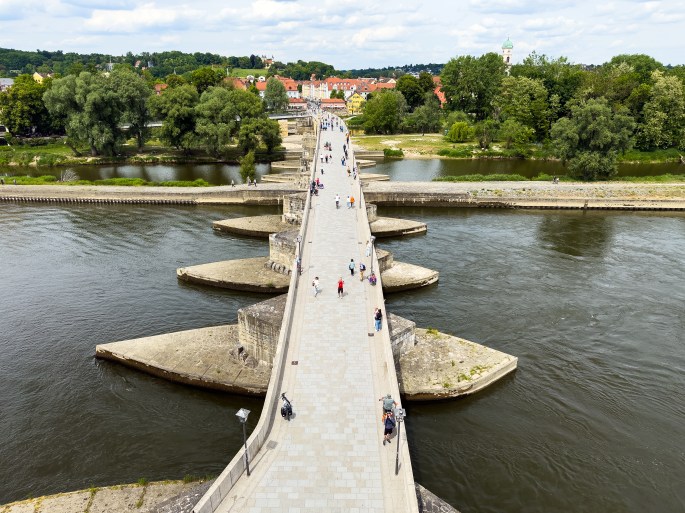
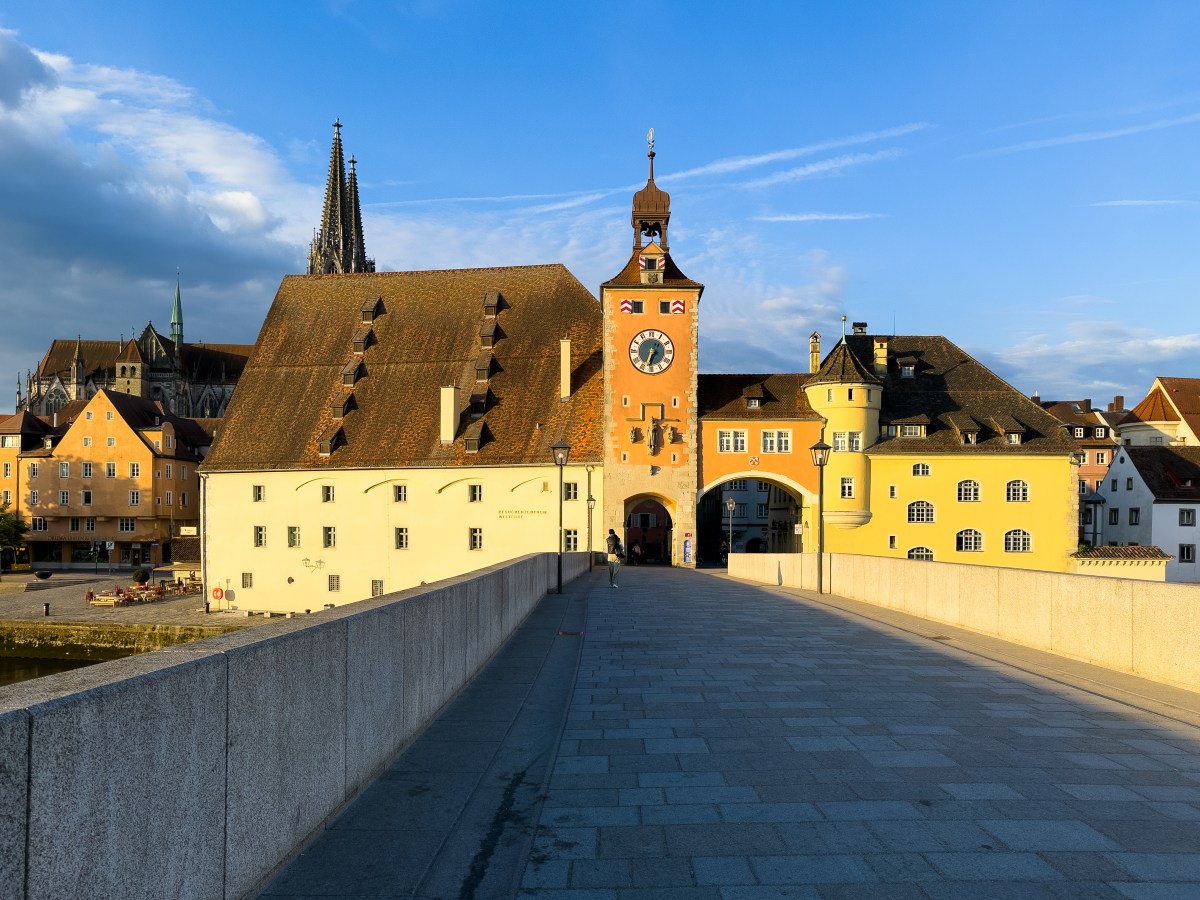
The Old Stone Bridge (Steinerne Brücke) in Regensburg is one of the city’s most iconic landmarks and a must-see for anyone visiting the area. This medieval marvel, completed in the 12th century, spans the Danube River and connects the historic Old Town to the southern parts of the city. It was an engineering feat of its time, and for centuries, it was the only bridge crossing the Danube between Passau and Ulm, making it a critical trade route in the region.
The bridge is a beautiful example of Romanesque architecture, featuring 16 graceful arches that have withstood centuries of wear and tear, from floods to the passage of time. Walking across the bridge provides breathtaking views of the Danube, the Regensburg skyline, and St. Peter’s Cathedral towering in the distance. The stone bridge itself has a charming, timeless quality, with weathered stones and medieval statues lining the path.
While the bridge remains a vital part of the city’s infrastructure, it’s also a popular spot for tourists, offering stunning views and a peaceful walk across the river. Visitors often enjoy taking in the atmosphere while admiring the views of Regensburg’s rooftops, the riverbanks, and the surrounding landmarks. The Old Stone Bridge is not just a crossing—it’s a piece of history that showcases Regensburg’s medieval engineering and trade legacy. Whether you’re crossing it for practical reasons or just to take in the view, the Steinerne Brücke is an unforgettable part of your visit to Regensburg.
Bruckmandl
The Bruckmandl statue on the Old Stone Bridge in Regensburg is a well-known and somewhat quirky symbol of the city’s rich history and folklore. This statue stands on a pillar of the bridge, overlooking the Danube River. The name “Bruckmandl” translates roughly to “Bridge Man” or “Little Bridge Man,” and it has a fascinating backstory tied to the city’s past.
The Bruckmandl is a traditional local figure that is said to represent a bridge toll collector or even a mythical guardian spirit of the bridge. According to one legend, the statue commemorates the medieval workers who built the bridge. In medieval times, a toll was collected from those crossing the bridge to fund its maintenance and construction, and the Bruckmandl might have symbolized the toll collectors or overseers.
Another legend ties the statue to a local story of supernatural protection—with the Bruckmandl acting as a guardian spirit, watching over the bridge and the city. Some say that it was believed to bring good fortune to those who crossed the bridge, particularly traders and merchants who relied on it as a vital trade route.
The statue’s small size, distinctive pose, and mysterious aura have made it an enduring symbol of Regensburg, one of the city’s charming local legends that visitors often seek out while walking across the Old Stone Bridge. It’s a lovely piece of Regensburg’s history, steeped in folklore and tradition, and a reminder of the city’s medieval past.
Photos


Regensburg
Regensburg is one of Germany’s most beautiful and well-preserved medieval cities, offering visitors a rich blend of history, architecture, and charm. Located along the Danube River in Bavaria, it is a UNESCO World Heritage Site, known for its stunning medieval old town, vibrant cultural scene, and Roman roots. Walking through its narrow, cobbled streets feels…
Thanks for visiting! I hope you have a great trip.
-
Salzstadel
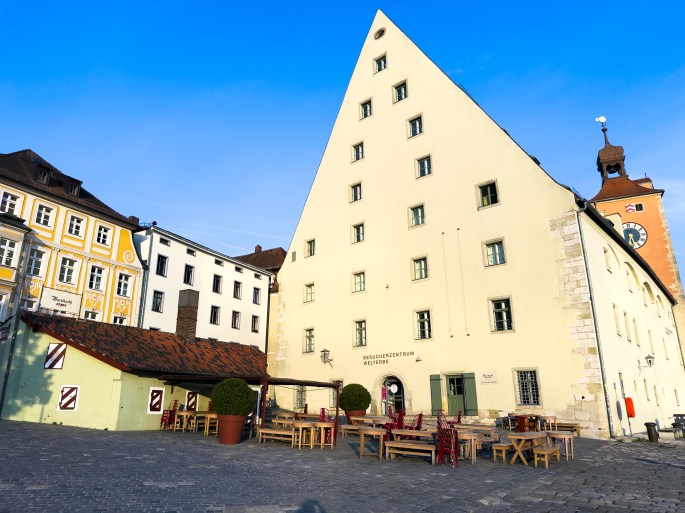
The Salzstadel in Regensburg is a charming and historically rich building that offers a fascinating glimpse into the city’s past. Located along the Danube River, the Salzstadel, which translates to “Salt Granary”, was originally constructed in the 16th century to store salt, a highly valuable commodity during medieval and early modern times. Salt was crucial for preserving food and as a trade good, so the Salzstadel played a key role in Regensburg’s economic success as a major trading hub in the Holy Roman Empire.
The building’s distinctive Renaissance architecture makes it stand out with its elegant design, featuring arches, a steep roof, and large windows that allowed for ventilation of the salt stored inside. Today, the Salzstadel is a beautifully preserved example of Regensburg’s medieval merchant past, and while it no longer serves its original purpose, it’s still an impressive piece of the city’s heritage.
Visitors can enjoy its historic charm while strolling along the Danube riverbank, where the Salzstadel provides a stunning backdrop. The building also hosts various cultural events and exhibitions, making it a great spot to learn more about Regensburg’s medieval economy and trade networks. Whether you’re interested in its history, its beautiful location by the river, or its role in the city’s development, the Salzstadel is a wonderful stop on your visit to Regensburg.
Visitor Notes
Inside the Salzstadel you’ll find a small UNESCO museum with some exhibits about the city as well as visitor information and tourist brochures. It’s worth a stop in, particularly if you’re new to town and want to get some background. This is also where you will enter if you want to go up into the Brückturm.
Details
Weiße-Lamm-Gasse 1, 93047 Regensburg, Germany
Photos


Regensburg
Regensburg is one of Germany’s most beautiful and well-preserved medieval cities, offering visitors a rich blend of history, architecture, and charm. Located along the Danube River in Bavaria, it is a UNESCO World Heritage Site, known for its stunning medieval old town, vibrant cultural scene, and Roman roots. Walking through its narrow, cobbled streets feels…
Thanks for visiting! I hope you have a great trip.
-
Porta Praetoria
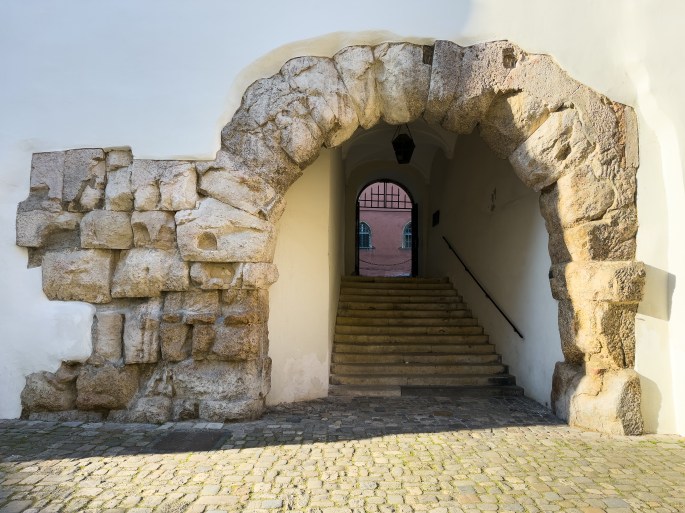
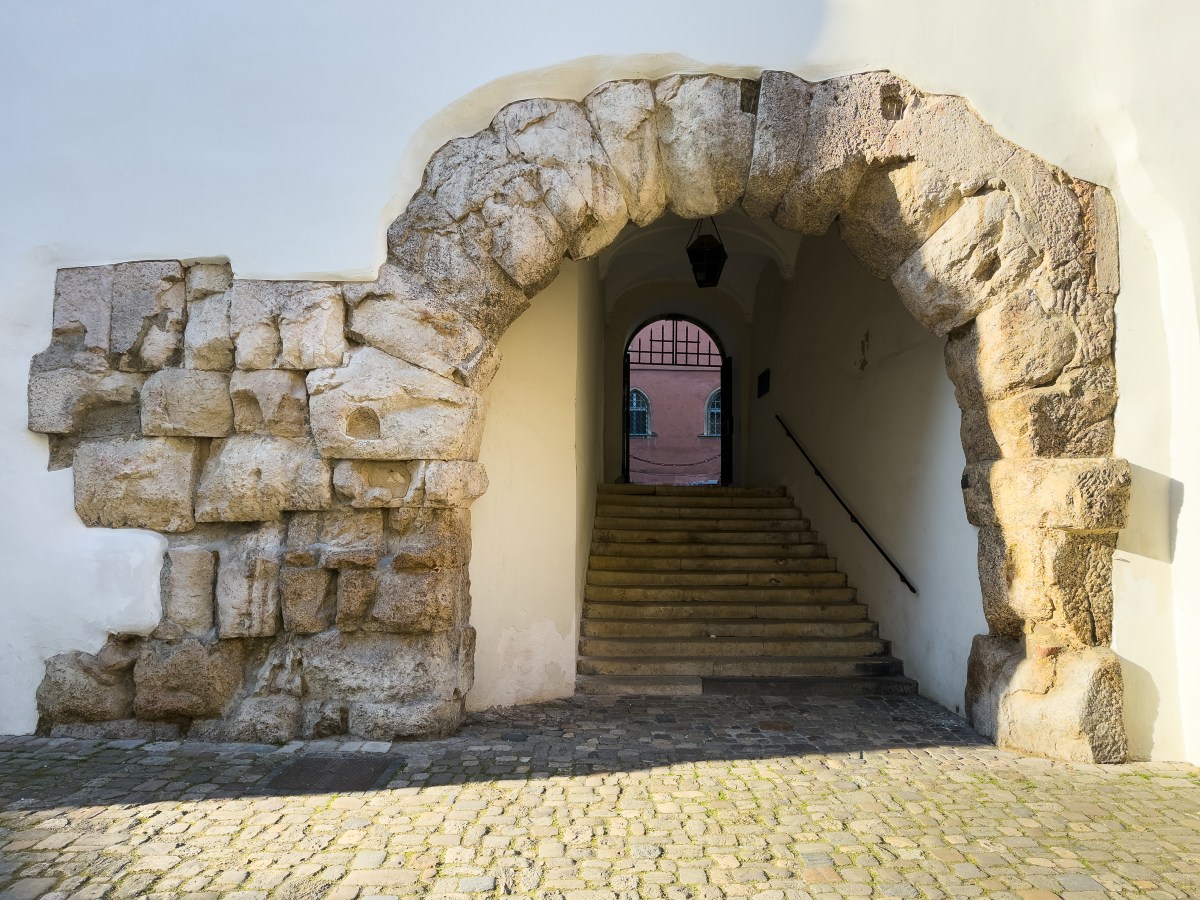
The Porta Praetoria in Regensburg is a remarkable and historically significant site for anyone interested in the city’s Roman past. This ancient Roman gate, built around 179 AD, was part of the defensive walls of Castra Regina, the Roman military camp that once stood on the site of present-day Regensburg. The gate is one of the best-preserved remnants of Regensburg’s Roman history, offering a fascinating glimpse into the city’s origins as a key military and administrative center in the Roman Empire.
Standing at the entrance to the old Roman fort, the Porta Praetoria originally served as a military gateway and was likely used by Roman soldiers and officials. The impressive gate features massive stone walls and remnants of the original Roman inscriptions, making it a perfect stop for history enthusiasts and those curious about the Roman influence on Regensburg.
Today, the Porta Praetoria stands in a small square, just outside the city’s Old Town, and serves as a poignant reminder of Regensburg’s ancient roots. Visitors can explore the area around the gate, learn about its significance through informational signs, and imagine what life was like in the city during Roman times. For those looking to connect with Regensburg’s long and fascinating history, the Porta Praetoria is a must-see landmark that brings the ancient world to life.
Photos


Regensburg
Regensburg is one of Germany’s most beautiful and well-preserved medieval cities, offering visitors a rich blend of history, architecture, and charm. Located along the Danube River in Bavaria, it is a UNESCO World Heritage Site, known for its stunning medieval old town, vibrant cultural scene, and Roman roots. Walking through its narrow, cobbled streets feels…
Thanks for visiting! I hope you have a great trip.







About Me
The sky is not completely dark at night. Were the sky absolutely dark, one would not be able to see the silhouette of an object against the sky.
Follow Me On
Subscribe To My Newsletter
Subscribe for new travel stories and exclusive content.
 Meticulous Meanderings
You must be logged in to post a comment.