
Hello, I’m Veronica
The sky is not completely dark at night. Were the sky absolutely dark, one would not be able to see the silhouette of an object against the sky.


-
Asamkirche
(AKA Asam Church, Church of St. John Nepomuk)
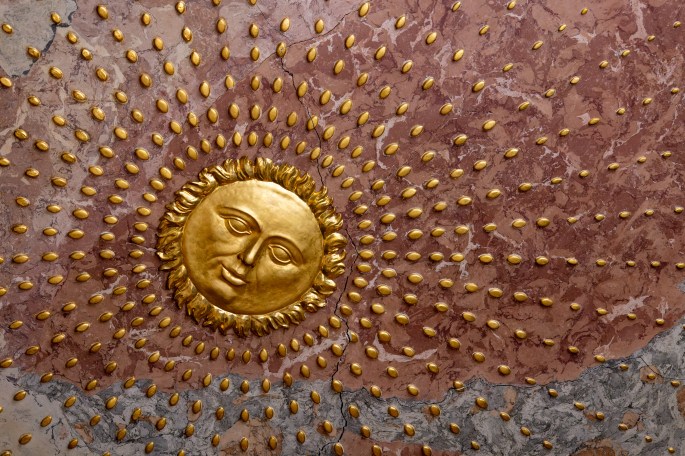
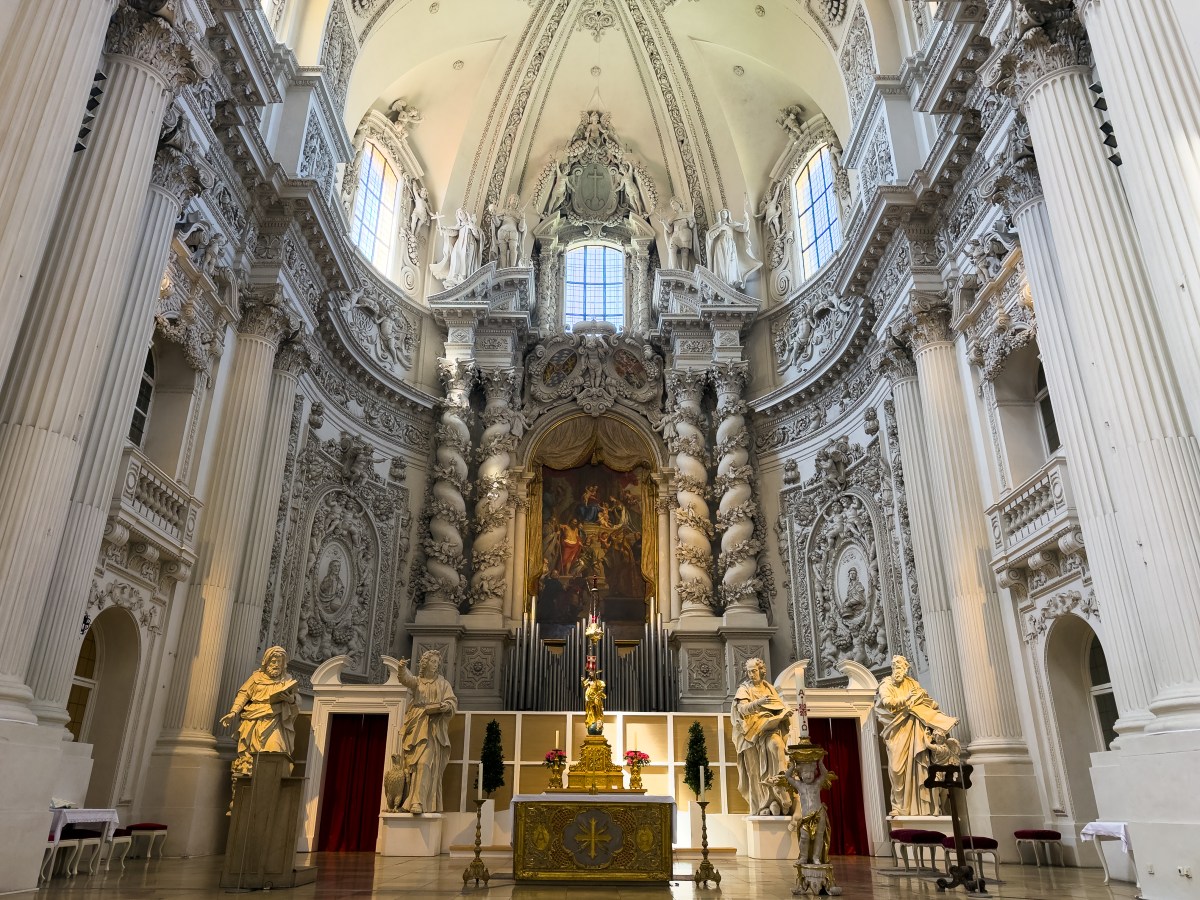
The Asamkirche (Asam Church), officially known as the Church of St. John Nepomuk, is a stunning Baroque masterpiece tucked into the streets of central Munich. Built in the 18th century by the renowned Asam brothers, this small but incredibly ornate church is a must-visit for anyone interested in art, architecture, or a unique spiritual experience.
Built by Artists: The Asamkirche was designed and built between 1733 and 1746 by Cosmas Damian and Egid Quirin Asam, two brothers famous for their work as painters, sculptors, and architects.
A Private Church: Originally intended as a private chapel for the Asam family, the church was later opened to the public in response to demand from the local community.
Dedication: It is dedicated to St. John Nepomuk, a saint known for his commitment to truth and sacrifice.
Baroque and Rococo Opulence
Lavish Interior: The church is a dazzling display of Baroque and Rococo art, with every inch of the interior covered in intricate stucco work, gilding, and frescoes.
Ceiling Frescoes: The ceiling features dramatic frescoes painted by Cosmas Damian Asam, depicting scenes of heaven and the life of St. John Nepomuk.
Play of Light: The church’s interior uses light and shadow to create a dramatic and spiritual atmosphere, guiding the viewer’s gaze upward toward the heavens.
Unique Features
The Altar: The high altar is a breathtaking focal point, with a golden figure of St. John Nepomuk and angels seemingly floating in a celestial glow.
The Contrast of Levels: The Asamkirche symbolizes the path to salvation, with the lower levels representing earthly struggles and the higher levels symbolizing divine light and redemption.
A Blend of Art and Devotion: The Asam brothers poured their artistic and spiritual vision into every detail, creating a space that feels intimate and transcendent.
Small but Impactful
While the church is relatively small, its richness of detail makes it feel grand. The intimate size allows visitors to fully appreciate the intricacies of the artwork and design.
The Asamkirche is a hidden treasure in Munich that offers a unique combination of artistic splendor and spiritual depth. Whether you’re an art enthusiast, a history buff, or simply seeking a moment of awe, this exquisite Baroque church will leave a lasting impression.
Details
Sendlinger Str. 32, 80331 München, Germany
Attraction opening days and times can change with no warning.
Always double-check information with the official website before making any plans
Photos


Other Sights
Munich
Munich, the capital of Bavaria in southern Germany, is a city that offers a perfect blend of history, culture, and modern charm. It’s an ideal destination for anyone seeking rich traditions, stunning architecture, vibrant arts, and hearty Bavarian hospitality. Munich dates back to 1158 and has grown from its monastic roots into one of Germany’s…
Thanks for visiting! I hope you have a great trip.
-
Heilig-Geist-Kirche

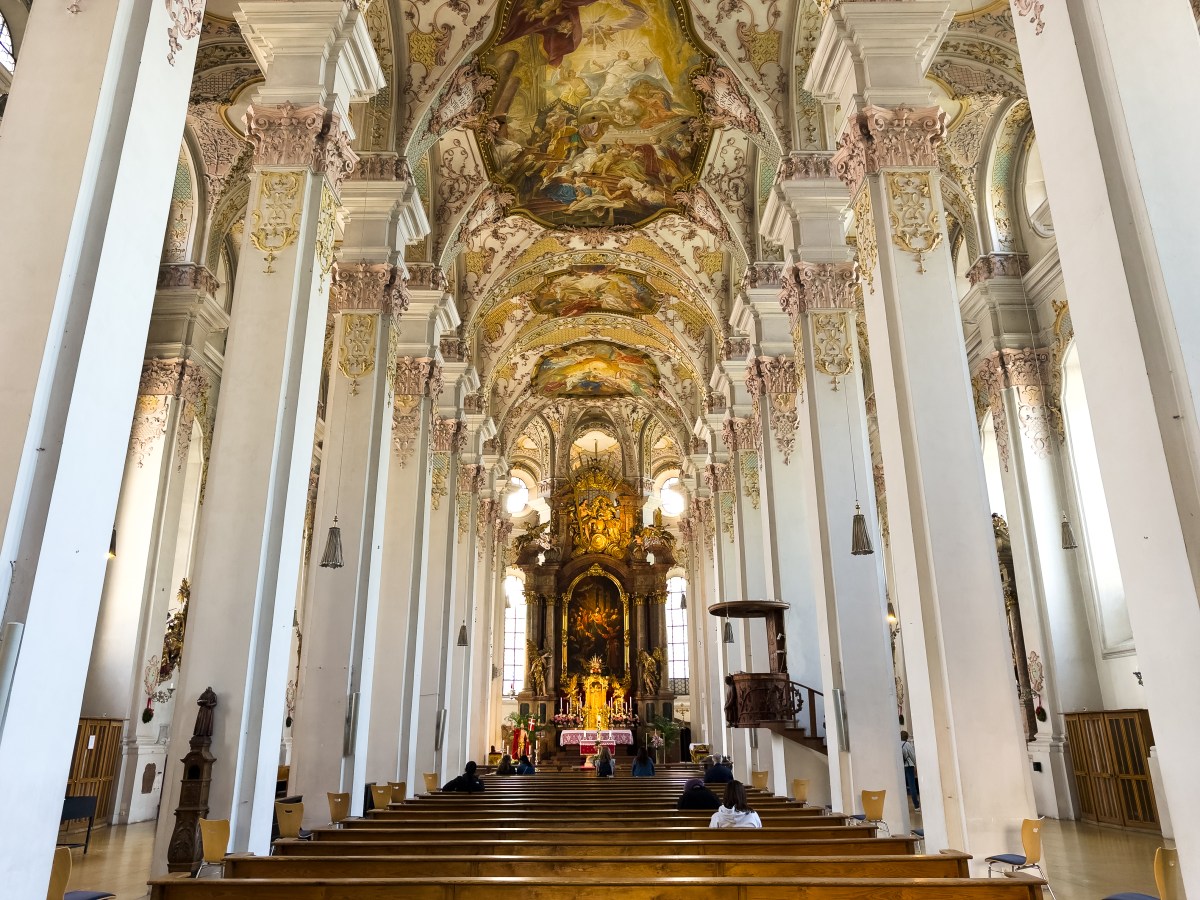
The Heilig-Geist-Kirche (Church of the Holy Spirit) in Munich is one of the city’s oldest churches and a beautiful example of Gothic architecture enhanced by later Baroque and Rococo touches. Located just off the bustling Viktualienmarkt, it offers a serene refuge amid the liveliness of central Munich. Originally part of a medieval hospice founded in the 13th century, the church was rebuilt and embellished over the centuries, most notably in the 18th century when the Asam brothers—famed Baroque artists—redesigned its interior. Today, visitors are greeted by a luminous, airy space filled with ornate stucco decoration, frescoed ceilings, and intricate altarpieces that reflect the Asams’ distinctive flair for movement and detail. Despite damage during World War II, the church has been carefully restored to preserve its delicate beauty and spiritual atmosphere. Whether you stop in for a quiet moment of reflection or to admire the artistry, the Heilig-Geist-Kirche offers a fascinating glimpse into Munich’s layered history and enduring devotion to sacred art.
Photos


Other Sights
Munich
Munich, the capital of Bavaria in southern Germany, is a city that offers a perfect blend of history, culture, and modern charm. It’s an ideal destination for anyone seeking rich traditions, stunning architecture, vibrant arts, and hearty Bavarian hospitality. Munich dates back to 1158 and has grown from its monastic roots into one of Germany’s…
Thanks for visiting! I hope you have a great trip.
-
St. Peter’s Church

St. Peter’s Church (Peterskirche) is Munich’s oldest parish church and one of its most beloved landmarks, offering both rich history and stunning views of the city. Standing on a small hill just east of Marienplatz, it predates the founding of Munich itself, with origins tracing back to the 12th century. Over the centuries, the church has been rebuilt and expanded in a blend of Gothic, Renaissance, and Baroque styles, reflecting the city’s evolving artistic heritage. Inside, visitors will find a beautifully ornate high altar, gilded sculptures, and expressive frescoes that give the church a sense of grandeur and warmth. The jewel of St. Peter’s, however, is its tower, affectionately nicknamed “Old Peter” (Alter Peter). Climbing its 300-plus steps rewards visitors with breathtaking panoramic views over Munich’s rooftops and, on clear days, all the way to the Alps. As both a place of worship and a historical monument, St. Peter’s Church embodies the spirit of old Munich—deeply rooted in tradition yet full of life and beauty.
Photos


Munich
Munich, the capital of Bavaria in southern Germany, is a city that offers a perfect blend of history, culture, and modern charm. It’s an ideal destination for anyone seeking rich traditions, stunning architecture, vibrant arts, and hearty Bavarian hospitality. Munich dates back to 1158 and has grown from its monastic roots into one of Germany’s…
Thanks for visiting! I hope you have a great trip.
-
Frauenkirche

The Frauenkirche, officially known as the Cathedral of Our Dear Lady, is Munich’s most iconic church and a defining symbol of the city’s skyline. Its two massive brick towers, each topped with distinctive green copper domes, are visible from miles away and have become a hallmark of Munich’s identity. Built in the late 15th century in the late Gothic style, the cathedral impresses with its soaring vaulted ceilings, tall slender windows, and sense of solemn grandeur. Inside, the atmosphere is serene and spacious, with soft light filtering through stained glass and illuminating centuries-old artworks and altars. One of the church’s curiosities is the “Devil’s Footstep” — a dark imprint in the floor that, according to legend, marks where the devil stood when he realized he had been tricked by the architect. The Frauenkirche also serves as the burial place of many Bavarian rulers, including members of the Wittelsbach dynasty. Climbing one of its towers offers sweeping views over Munich and the distant Alps, making it a rewarding stop for both history lovers and anyone seeking the best panorama in the city.
Photos


Munich
Munich, the capital of Bavaria in southern Germany, is a city that offers a perfect blend of history, culture, and modern charm. It’s an ideal destination for anyone seeking rich traditions, stunning architecture, vibrant arts, and hearty Bavarian hospitality. Munich dates back to 1158 and has grown from its monastic roots into one of Germany’s…
Thanks for visiting! I hope you have a great trip.
-
Neues Rathaus

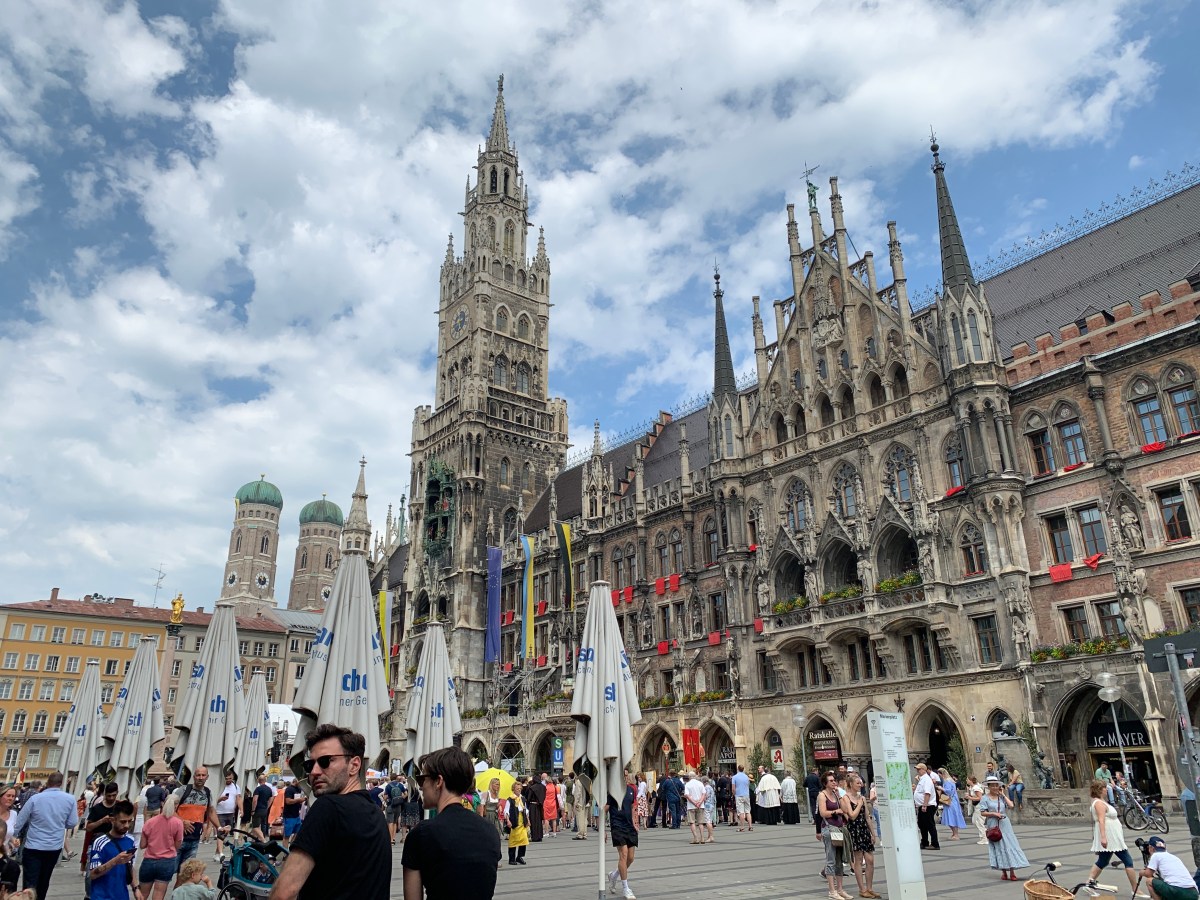
The Neues Rathaus, or New Town Hall, in Munich is a stunning architectural masterpiece that should not be missed during your visit. Located at the vibrant Marienplatz, this magnificent building features a striking neo-Gothic façade adorned with intricate sculptures and decorative elements. The highlight of the New Town Hall is undoubtedly its iconic Glockenspiel, which performs daily, captivating spectators with its charming medieval scenes and delightful melodies. As you explore the building, you’ll find the richly decorated interiors, including the grand halls and impressive staircases, reflecting the city’s history and culture. The panoramic views from the tower provide a breathtaking perspective of Munich and its surroundings. Nestled amidst bustling shops, cafés, and historical landmarks, the Neues Rathaus serves not only as a center of local government but also as a symbol of the city’s rich heritage. Whether you’re an architecture enthusiast or simply looking to immerse yourself in the lively atmosphere of Munich, a visit to the Neues Rathaus offers a memorable experience that captures the essence of this beautiful city.
Photos


Munich
Munich, the capital of Bavaria in southern Germany, is a city that offers a perfect blend of history, culture, and modern charm. It’s an ideal destination for anyone seeking rich traditions, stunning architecture, vibrant arts, and hearty Bavarian hospitality. Munich dates back to 1158 and has grown from its monastic roots into one of Germany’s…
Thanks for visiting! I hope you have a great trip.








About Me
The sky is not completely dark at night. Were the sky absolutely dark, one would not be able to see the silhouette of an object against the sky.
Follow Me On
Subscribe To My Newsletter
Subscribe for new travel stories and exclusive content.
 Meticulous Meanderings
You must be logged in to post a comment.