
Hello, I’m Veronica
The sky is not completely dark at night. Were the sky absolutely dark, one would not be able to see the silhouette of an object against the sky.


-
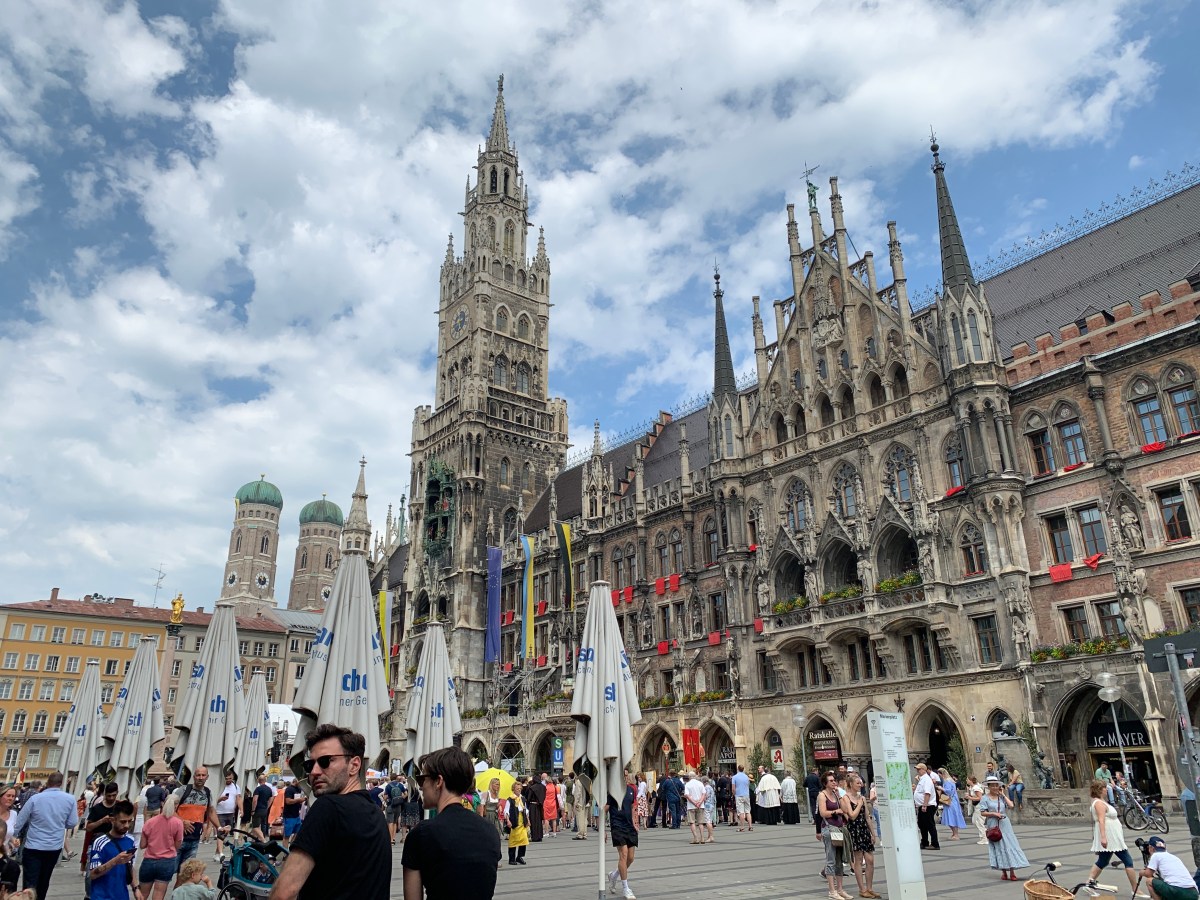
Marienplatz

Marienplatz, the heart of Munich, is a bustling and historic square that has been the city’s central gathering place for over 850 years. It’s a must-visit destination for anyone exploring Munich, offering a blend of historical charm, architectural grandeur, and vibrant urban energy. Marienplatz, which translates to “Mary’s Square,” was named in 1638 after the Marian column (Mariensäule) at its center, dedicated to the Virgin Mary. This lively square has served as Munich’s central marketplace, meeting point, and cultural hub since the city’s founding in 1158.
Key Attractions in Marienplatz
New Town Hall (Neues Rathaus)
Architectural Masterpiece: The Neo-Gothic New Town Hall dominates the square with its elaborate façade, soaring towers, and intricate details.
Glockenspiel: A highlight of any visit is watching the Rathaus-Glockenspiel, a clockwork show featuring 32 life-sized figurines reenacting historical events. It plays daily at 11:00 am, 12:00 pm, and 5:00 pm (seasonal timing varies).
Observation Tower: Take the elevator to the top for panoramic views of the city and the surrounding Alps on clear days.
Old Town Hall (Altes Rathaus)
A beautifully restored Gothic building that houses a toy museum and adds to the square’s historical charm.
Marian Column (Mariensäule)
This golden statue of the Virgin Mary atop a tall column is a symbol of the city’s gratitude for being spared from destruction during the Thirty Years’ War.
Street Performers and Markets
Marienplatz is often alive with street musicians, performers, and seasonal markets like the famous Christmas Market (Christkindlmarkt) in December.
Surrounding Attractions
Marienplatz is surrounded by shops, cafes, and landmarks that are easy to explore on foot:
Viktualienmarkt: A vibrant open-air market offering fresh produce, local delicacies, and beer gardens, just a short walk away.
Frauenkirche: The iconic twin-towered cathedral is a few steps from the square.
Shopping Streets: Kaufingerstraße and Neuhauser Straße, leading off Marienplatz, are lined with boutiques and department stores.
Marienplatz is more than just a square—it’s the beating heart of Munich, where past and present collide. Its architectural beauty, lively energy, and central location make it an unmissable highlight for anyone visiting the city.
Details
Marienplatz, 80331 München, Germany
Photos


Other Sights
Munich
Munich, the capital of Bavaria in southern Germany, is a city that offers a perfect blend of history, culture, and modern charm. It’s an ideal destination for anyone seeking rich traditions, stunning architecture, vibrant arts, and hearty Bavarian hospitality. Munich dates back to 1158 and has grown from its monastic roots into one of Germany’s…
Thanks for visiting! I hope you have a great trip.
-
Residenz
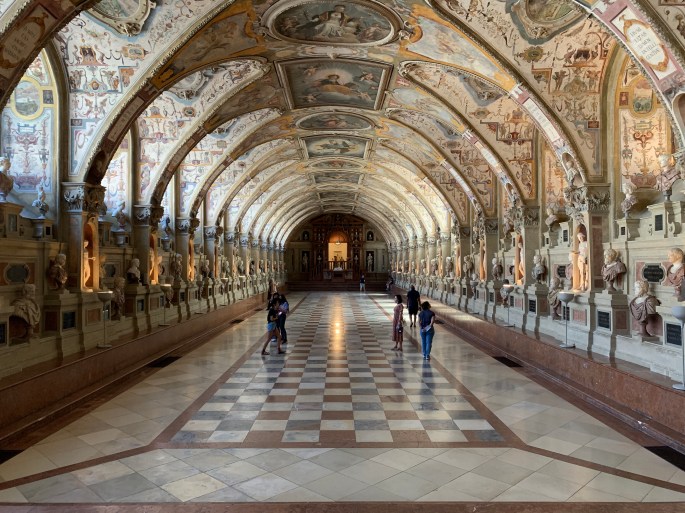
(AKA Residenz München, Munich Residence)
The Munich Residenz is one of the most stunning and historically significant attractions in Munich, offering visitors a glimpse into the opulent lifestyle of Bavaria’s ruling Wittelsbach dynasty. Located in the city center, this sprawling former royal palace complex is a must-see for anyone interested in history, art, and architecture.
What is the Residenz?
The Munich Residenz was the seat of Bavarian rulers from 1508 to 1918 and is the largest city palace in Germany. Over the centuries, it evolved into a magnificent complex of ten courtyards and 130 rooms, showcasing a mix of Renaissance, Baroque, Rococo, and Neoclassical architectural styles.
What to Expect During Your Visit
Opulent Interiors
The Residenz is renowned for its richly decorated rooms and halls, each more stunning than the last:
Antiquarium: A breathtaking Renaissance hall adorned with frescoes, statues, and intricate detailing. It’s one of the oldest parts of the palace and a visual masterpiece.
Throne Room: The grand space where Bavarian monarchs held court, featuring gilded accents and regal furnishings.
Hall of Mirrors: A Rococo wonder with shimmering mirrors, chandeliers, and lavish decor.
Treasury
The Residenz Treasury houses an incredible collection of royal jewels, crowns, ceremonial objects, and religious artifacts. Highlights include the Bavarian royal crown and intricate ivory carvings.
Cuvilliés Theatre
This exquisite Rococo theater is a separate highlight of the Residenz. It’s famous for its intricate carvings and gilded balconies, and it occasionally hosts performances.
Chapel and Courtyards
The All Saints Court Church (Allerheiligen-Hofkirche) is a serene and beautiful chapel within the Residenz. The palace also features elegant courtyards like the Kaiserhof, ideal for a quiet moment during your visit.
Why Visit the Residenz?
Historical Significance: The Residenz reflects centuries of Bavarian history and power, offering a window into the region’s royal heritage.
Architectural Beauty: The blend of styles and intricate craftsmanship make it a feast for the eyes.
Art and Treasures: Its extensive art collection and priceless artifacts are treasures of European culture.
Tips for Visiting
- Plan at least 2-3 hours to explore the Residenz fully.
- Rent an audio guide or join a tour to learn about the palace’s rich history.
- Consider visiting the nearby Hofgarten, a tranquil garden adjoining the Residenz.
The Munich Residenz is a testament to royal splendor and artistic achievement, offering an unforgettable journey through the history and culture of Bavaria. Whether you’re captivated by grand architecture or curious about royal lifestyles, the Residenz promises an enriching experience.
Details
Residenzstraße 1, 80333 München, Germany
1 April-19 October: daily 9 am-6 pm (last entry: 5 pm)
20 October-31 March: daily 10 am-5 pm (last entry: 4 pm)Attraction opening days and times can change with no warning.
Always double-check information with the official website before making any plans
Photos


Other Sights
Munich
Munich, the capital of Bavaria in southern Germany, is a city that offers a perfect blend of history, culture, and modern charm. It’s an ideal destination for anyone seeking rich traditions, stunning architecture, vibrant arts, and hearty Bavarian hospitality. Munich dates back to 1158 and has grown from its monastic roots into one of Germany’s…
Thanks for visiting! I hope you have a great trip.
-
Colossal Cave Mountain Park

Colossal Cave, located near Tucson, Arizona, has a rich history spanning thousands of years, from its early use by prehistoric peoples to its exploration and development as a tourist attraction.
History of Colossal Cave:
Early Inhabitants: Evidence suggests that Colossal Cave has been used by humans for at least 1,000 years. The Hohokam people, predecessors to the Tohono O’odham, are believed to have utilized the cave for shelter and possibly for ceremonial purposes.
Exploration by Euro-Americans: The cave gained attention from Euro-American settlers in the late 19th century. In 1879, Solomon Lick established a ranch near the cave, and it became known as Lick’s Cave. Later, in 1922, Walter L. Vail, a prominent rancher in the area, began offering guided tours of the cave to the public.
Development as a Tourist Attraction: In 1934, the Civilian Conservation Corps (CCC) worked to develop the cave for tourism, constructing trails, stairs, and lighting systems to facilitate safe and enjoyable tours. The cave was officially named “Colossal Cave” to emphasize its grandeur and size.
How to Visit Colossal Cave:
Guided Cave Tours: The primary way to experience Colossal Cave is through guided tours offered by the park. Tours are led by knowledgeable guides who provide insights into the cave’s geology, history, and formations. Tours typically last about 45-50 minutes and involve walking on paved trails and stairs.
Tour Options: The park offers several types of cave tours, including the regular Colossal Cave Tour, a Wild Cave Tour for more adventurous explorers, and a Ladder Tour that includes climbing ladders to access additional cave passages.
Park Facilities: In addition to cave tours, Colossal Cave Mountain Park offers picnic areas, a visitor center with exhibits about the cave’s history and geology, hiking trails, and opportunities for birdwatching and wildlife observation.

Visit AllTrails.com to see the hiking trails available in Colossal Cave Mountain Park
Hours and Admission: It’s recommended to check the park’s official website or contact them directly for current hours of operation, tour schedules, and admission fees. Reservations for cave tours may be required during peak seasons.
Visiting Colossal Cave provides a unique opportunity to explore both natural wonders and historical artifacts in the beautiful Sonoran Desert landscape near Tucson, Arizona.
Details
16721 E Old Spanish Trail, Vail, AZ 85641
Attraction opening days and times can change with no warning.
Always double-check information with the official website before making any plans
Photos


Other Sights
Tucson
If you’re thinking about visiting Tucson, Arizona, get ready for a city that blends rich history with stunning natural beauty and a vibrant cultural scene. Here’s what you can expect: Whether you’re interested in outdoor adventures, exploring history and culture, or simply relaxing in a vibrant desert city, Tucson offers something for every visitor. It’s…
Thanks for visiting! I hope you have a great trip.
-
Catalina State Park

Catalina State Park, located just north of Tucson, is a beautiful desert park nestled at the base of the majestic Santa Catalina Mountains. Here’s what you can expect when visiting this scenic outdoor destination:
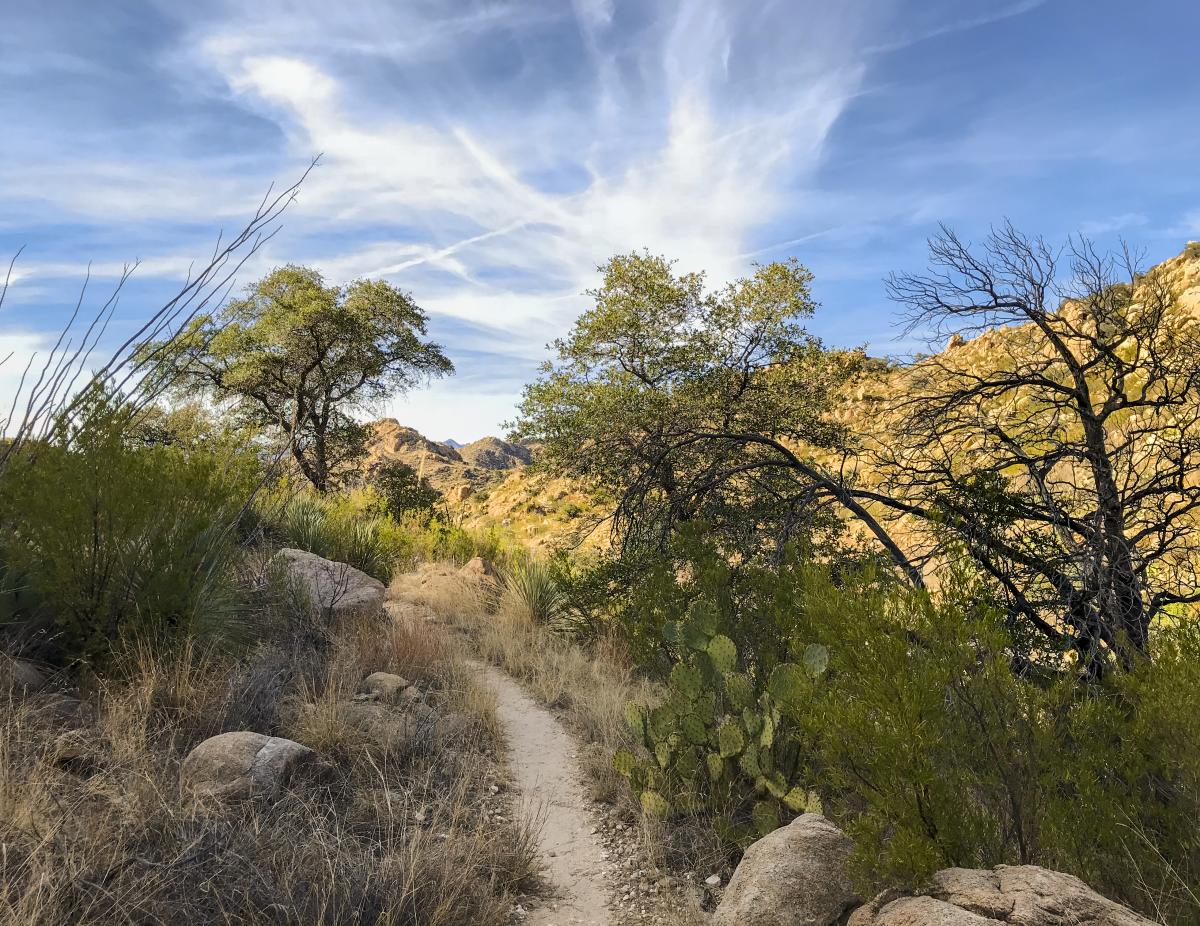
Natural Beauty: Catalina State Park is known for its stunning desert landscapes, including rugged mountain peaks, rocky canyons, and diverse desert flora. The park offers panoramic views of the surrounding Sonoran Desert and provides a peaceful retreat from the city.
Hiking Trails: The park boasts a network of over 5,000 acres with numerous hiking trails catering to different skill levels. Trails range from easy walks along the flat desert terrain to more challenging hikes leading into the foothills and canyons of the Santa Catalina Mountains. Popular trails include the Romero Canyon Trail, Canyon Loop Trail, and Sutherland Trail.

Visit AllTrails.com to learn more about the trails in Catalina State Park
Wildlife Viewing: Catalina State Park is home to a variety of desert wildlife, including mule deer, javelinas, coyotes, bobcats, and a rich diversity of bird species. Birdwatchers particularly enjoy the park for its resident and migratory birds, which can be spotted throughout the year.
Picnicking and Camping: The park offers picnic areas equipped with tables, grills, and shaded ramadas, making it a great spot for family gatherings and outdoor meals. Catalina State Park also has a campground with sites suitable for tents and RVs, providing opportunities for overnight stays amid the desert scenery.
Equestrian Trails: For horseback riders, Catalina State Park features equestrian-friendly trails that wind through the desert landscape and into the foothills. Horse trailer parking and facilities are available for visitors traveling with horses.
Visitor Center: The park’s visitor center serves as an information hub where visitors can learn about the park’s natural history, geology, and wildlife. Exhibits and displays provide insights into the Sonoran Desert ecosystem and the cultural heritage of the area.
Events and Programs: Catalina State Park hosts seasonal events, guided hikes, and educational programs throughout the year. These programs offer opportunities to learn about topics such as desert plants, wildlife conservation, and the history of the Santa Catalina Mountains.
Accessibility: The park is easily accessible from Tucson, located off Oracle Road (AZ-77). It’s a popular destination for outdoor enthusiasts, nature lovers, and anyone looking to explore the beauty of the Sonoran Desert and the Santa Catalina Mountains.
Catalina State Park is a haven for outdoor recreation and nature appreciation, offering a range of activities amidst a picturesque desert setting. Whether you’re hiking, birdwatching, picnicking, or simply enjoying the tranquility of the desert landscape, Catalina State Park provides a memorable and rejuvenating experience near Tucson.
Details
11570 N Oracle Rd, Tucson, AZ 85737
Attraction opening days and times can change with no warning.
Always double-check information with the official website before making any plans
Photos
© Arizona State Parks 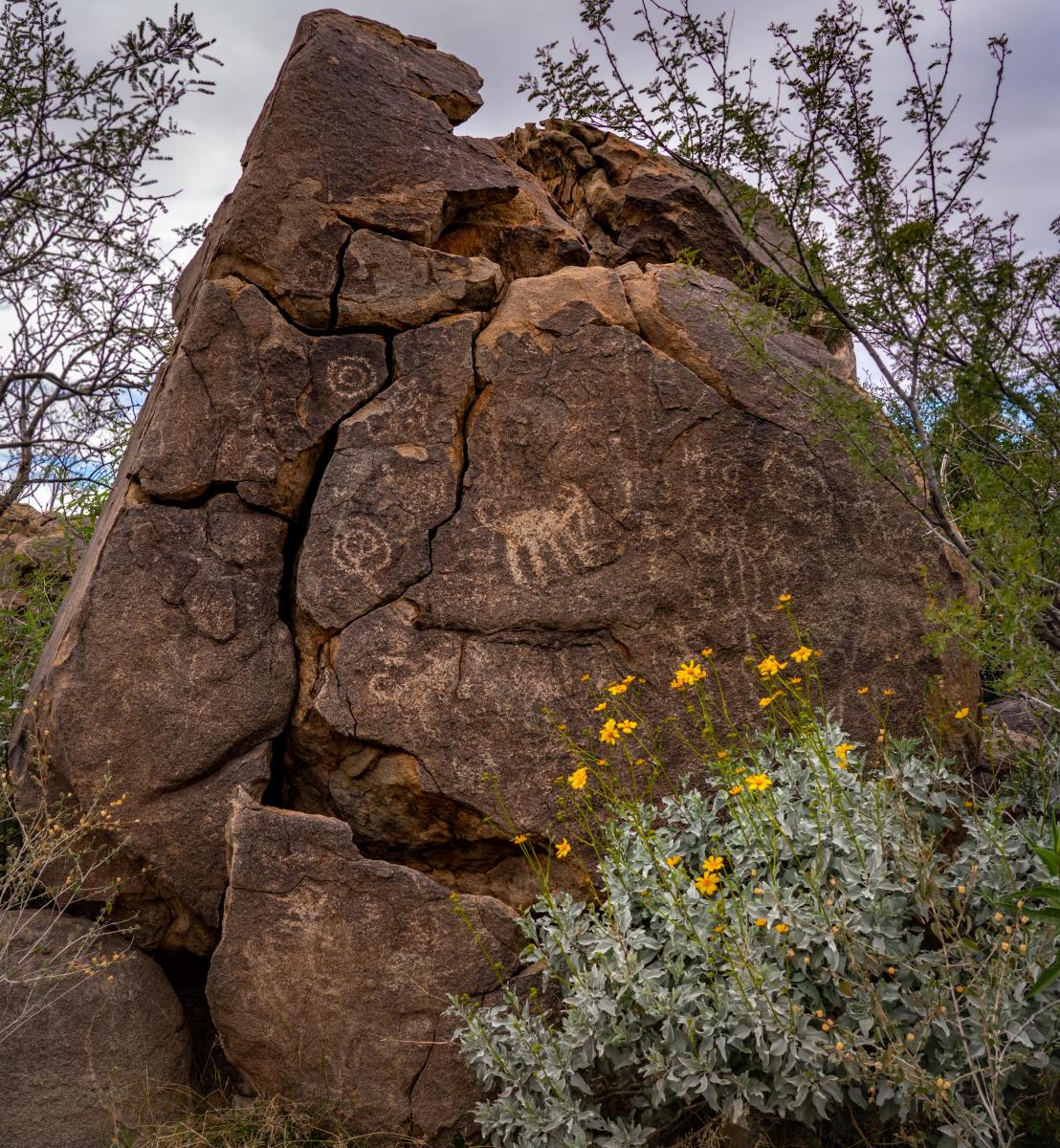
© Arizona State Parks 
© Visit Arizona Other Sights
Tucson
If you’re thinking about visiting Tucson, Arizona, get ready for a city that blends rich history with stunning natural beauty and a vibrant cultural scene. Here’s what you can expect: Whether you’re interested in outdoor adventures, exploring history and culture, or simply relaxing in a vibrant desert city, Tucson offers something for every visitor. It’s…
Thanks for visiting! I hope you have a great trip.
-
Arizona State Museum
The Arizona State Museum (ASM), located on the University of Arizona campus is a renowned institution dedicated to preserving and interpreting the cultural heritage of the Southwest and the broader region.
Cultural Collections: ASM houses extensive collections that document the cultural diversity and history of the Southwest United States and northern Mexico. The collections include artifacts, archaeological finds, textiles, pottery, basketry, jewelry, and other objects representing Native American cultures, particularly those of the indigenous peoples of Arizona.
Arizona’s Archaeological Repository: ASM serves as the official repository for archaeological collections excavated in Arizona under state and federal permits. These collections are essential for research, education, and cultural preservation purposes.
Exhibitions: The museum offers both permanent and temporary exhibitions that showcase its rich collections and highlight different aspects of Native American cultures, archaeology, and ethnology. Exhibitions often include interactive displays, multimedia presentations, and artifacts that tell compelling stories about the region’s history and peoples.
Visitor Experience: Whether you’re a scholar, student, or curious visitor, ASM offers a welcoming and informative experience. It provides opportunities to learn about the rich cultural heritage of the Southwest through engaging exhibits, educational programs, and access to invaluable collections.
The Arizona State Museum is a vital institution that plays a crucial role in preserving, interpreting, and celebrating the cultural heritage of the Southwest. It serves as a resource for both academic research and public education, fostering a deeper appreciation and understanding of the region’s diverse peoples and histories.
Details
1013 E University Blvd, Tucson, AZ 85721
Attraction opening days and times can change with no warning.
Always double-check information with the official website before making any plans
Photos

Michael BareraCC BY-SA 4.0via Wikimedia Commons 
Michael BareraCC BY-SA 4.0via Wikimedia Commons Tucson
If you’re thinking about visiting Tucson, Arizona, get ready for a city that blends rich history with stunning natural beauty and a vibrant cultural scene. Here’s what you can expect: Whether you’re interested in outdoor adventures, exploring history and culture, or simply relaxing in a vibrant desert city, Tucson offers something for every visitor. It’s…
Thanks for visiting! I hope you have a great trip.












About Me
The sky is not completely dark at night. Were the sky absolutely dark, one would not be able to see the silhouette of an object against the sky.
Follow Me On
Subscribe To My Newsletter
Subscribe for new travel stories and exclusive content.
 Meticulous Meanderings
.jpg)
.jpg)
You must be logged in to post a comment.