
Hello, I’m Veronica
The sky is not completely dark at night. Were the sky absolutely dark, one would not be able to see the silhouette of an object against the sky.


-
The University of Arizona Museum of Art

The University of Arizona Museum of Art (UAMA), located in Tucson, AZ, is a prominent institution dedicated to showcasing a diverse collection of visual arts.
Collection: The UAMA features a comprehensive collection of artworks spanning various genres, styles, and time periods. It includes paintings, sculptures, prints, drawings, photographs, and contemporary art pieces. The collection emphasizes American, European, Latin American, and modern art movements.
Highlights: Some of the notable highlights of the museum’s collection include works by renowned artists such as Jackson Pollock, Georgia O’Keeffe, Mark Rothko, and Frida Kahlo. The museum’s collection continues to grow through acquisitions and donations, ensuring a dynamic and evolving display of art.
Exhibitions: The museum hosts temporary exhibitions that explore different themes, artistic movements, and cultural perspectives. These exhibitions often feature works from the museum’s permanent collection as well as loaned artworks from other institutions and private collections.
Educational Programs: UAMA offers educational programs and events for students, scholars, and the public. These programs include lectures, gallery talks, workshops, and guided tours that provide insights into the artworks on display and the broader context of art history.
Campus Location: The museum is conveniently located on the University of Arizona campus, making it accessible to students, faculty, and visitors alike. Its central location allows for easy exploration of other campus attractions and facilities.
The University of Arizona Museum of Art is a cultural hub in Tucson that celebrates the power of art to inspire, educate, and connect communities. It’s a must-visit destination for anyone interested in exploring the world of art in a vibrant academic setting.
Details
1031 N Olive Rd, Tucson, AZ 85721
Attraction opening days and times can change with no warning.
Always double-check information with the official website before making any plans
Photos


Other Sights
Tucson
If you’re thinking about visiting Tucson, Arizona, get ready for a city that blends rich history with stunning natural beauty and a vibrant cultural scene. Here’s what you can expect: Whether you’re interested in outdoor adventures, exploring history and culture, or simply relaxing in a vibrant desert city, Tucson offers something for every visitor. It’s…
Thanks for visiting! I hope you have a great trip.
-
The Mini Time Machine Museum of Miniatures

The Mini Time Machine Museum of Miniatures, located in Tucson, AZ, is a unique and enchanting museum dedicated to the art of miniatures. Here’s what you can expect when visiting this fascinating attraction:
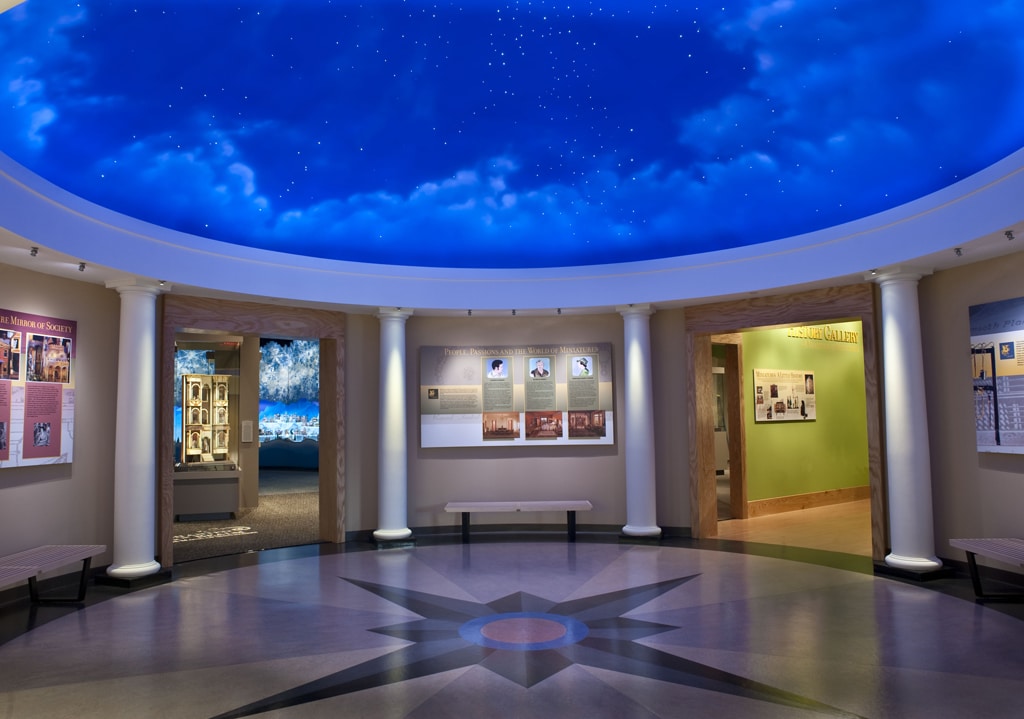
The museum houses an extensive collection of miniatures from different time periods and cultures around the world. These miniatures range in scale and include intricately crafted dollhouses, room boxes, and individual miniatures such as furniture, artwork, and everyday objects.
The exhibits at the Mini Time Machine Museum showcase a variety of miniature scenes and settings, each meticulously detailed to reflect different historical periods, architectural styles, and thematic concepts. Visitors can explore miniature worlds that span from ancient civilizations to modern-day life.
One of the highlights of the museum is the craftsmanship and artistry displayed in each miniature. The attention to detail, use of authentic materials, and precision in scaling down objects create immersive and realistic miniature environments.
Educational Opportunities: The museum offers educational programs and workshops for visitors of all ages. These programs often include hands-on activities, demonstrations by miniature artists, and lectures on the history and techniques of miniature making.
Special Exhibitions: Throughout the year, the Mini Time Machine Museum hosts special exhibitions that highlight specific themes, artists, or periods in miniature art. These exhibitions provide fresh perspectives and opportunities to see rare or unique miniatures.
Visitor Experience: The museum is designed to provide an interactive and engaging experience for visitors. There are opportunities to peer into miniature rooms, marvel at tiny details, and appreciate the creativity and imagination of miniature artists.
Gift Shop: The museum’s gift shop offers a selection of miniature-related items, including books, kits, and souvenirs inspired by the museum’s collection. It’s a great place to find unique gifts or mementos to remember your visit.
Accessibility: The Mini Time Machine Museum is accessible to visitors of all ages and abilities. It’s a family-friendly destination that appeals to both miniature enthusiasts and those curious about the art form.
The Mini Time Machine Museum of Miniatures is a hidden gem in Tucson, AZ, offering a delightful and immersive journey into the world of miniatures. Whether you’re interested in art, history, or simply appreciate craftsmanship and creativity, this museum provides a captivating experience that is both educational and inspiring.
Details
4455 E Camp Lowell Dr, Tucson, AZ 85712
Attraction opening days and times can change with no warning.
Always double-check information with the official website before making any plans
Photos


By Zygmunt Put Zetpe0202 – Own work, CC BY-SA 4.0 Other Sights
Tucson
If you’re thinking about visiting Tucson, Arizona, get ready for a city that blends rich history with stunning natural beauty and a vibrant cultural scene. Here’s what you can expect: Whether you’re interested in outdoor adventures, exploring history and culture, or simply relaxing in a vibrant desert city, Tucson offers something for every visitor. It’s…
Thanks for visiting! I hope you have a great trip.
-
“A” Mountain
(AKA Sentinel Peak)
Sentinel Peak, also known as “A” Mountain, is a prominent hill located just west of downtown Tucson, Arizona. Here’s what you should know about this iconic landmark:
Historical Significance: Sentinel Peak has historical significance dating back to ancient times when it was used as a lookout by Native American tribes, including the Hohokam and Tohono O’odham peoples. It served as a vantage point for observing the surrounding desert landscape and as a place for communication and signaling.
Landmark “A”: At the summit of Sentinel Peak, there is a large, white-painted concrete letter “A” that stands for the University of Arizona, which is located in Tucson. The “A” is visible from various points in the city and is a symbol of pride for both the university and the local community.
Scenic Views: One of the main attractions of Sentinel Peak is its panoramic views of Tucson and the surrounding mountains, including the Santa Catalina Mountains to the north and the Tucson Mountains to the west. Visitors can drive or hike to the summit to enjoy these breathtaking vistas, especially during sunrise or sunset.
Getting to the Top: You can take the paved path to top, which is a 1.7 mile loop gaining 275 feet in elevation, so it can feel a bit steep to the uninitiated. You can also drive to the top during designated times, but it can be difficult to find parking during high-traffic hours.
Park Facilities: Sentinel Peak Park, located at the base of the hill, provides amenities such as picnic tables, benches, and interpretive displays about the history and geology of the area. It’s a popular spot for picnics, family outings, and enjoying the outdoors.
Cultural and Community Events: Throughout the year, Sentinel Peak Park hosts cultural events, festivals, and community gatherings. It serves as a focal point for local celebrations and activities, fostering a sense of community and connection among Tucson residents.
Accessibility: Sentinel Peak is easily accessible from downtown Tucson, making it a convenient destination for both locals and visitors. The drive to the summit is relatively short, and parking is available near the base of the hill for those who prefer to hike.
Sentinel Peak, with its rich history, stunning views, and community significance, offers a memorable experience for anyone visiting Tucson. Whether you’re interested in history, outdoor recreation, or simply enjoying the beauty of the desert landscape, Sentinel Peak is a must-visit destination in southern Arizona.
Details
1001 Sentinel Peak Rd S, Tucson, AZ 85745
Attraction opening days and times can change with no warning.
Always double-check information with the official website before making any plans
Photos

Bill MorrowCC BY 2.0via Wikimedia Commons 
Tucson
If you’re thinking about visiting Tucson, Arizona, get ready for a city that blends rich history with stunning natural beauty and a vibrant cultural scene. Here’s what you can expect: Whether you’re interested in outdoor adventures, exploring history and culture, or simply relaxing in a vibrant desert city, Tucson offers something for every visitor. It’s…
Thanks for visiting! I hope you have a great trip.
-
DeGrazia Gallery in the Sun
The DeGrazia Gallery in the Sun is a unique cultural and artistic gem nestled in the foothills of Tucson, AZ. Here’s what you can expect when visiting this distinctive attraction:
Artistic Legacy: The gallery is dedicated to the life and work of Ettore “Ted” DeGrazia, a renowned Arizona artist known for his colorful and distinctive depictions of Southwestern landscapes, Native American culture, and desert wildlife. His artwork is celebrated for its vibrant colors and expressive style.
Architecture: The gallery itself is a work of art. Designed by DeGrazia himself, the adobe-style buildings blend harmoniously with the desert surroundings. The architecture reflects DeGrazia’s vision of creating a space where art, architecture, and nature coexist in harmony.
Art Collection: The gallery houses a comprehensive collection of DeGrazia’s artwork, including paintings, sculptures, ceramics, and lithographs. Visitors can explore multiple galleries and outdoor spaces filled with his creations, gaining insight into the artist’s evolution and diverse artistic expressions.
Chapel of the Holy Cross: One of the highlights of the DeGrazia Gallery is the Chapel of the Holy Cross, a small adobe chapel adorned with DeGrazia’s murals depicting the life of St. Francis of Assisi. The chapel provides a serene and contemplative space amidst the desert landscape.
Gift Shop: Adjacent to the gallery, there is a charming gift shop offering a variety of items inspired by DeGrazia’s artwork. Visitors can purchase prints, books, jewelry, and other souvenirs that capture the spirit of the Southwest.
Gardens and Outdoor Spaces: Surrounding the gallery, you’ll find beautifully landscaped gardens and outdoor patios adorned with sculptures and additional artworks. These spaces invite visitors to relax, enjoy the desert scenery, and immerse themselves in DeGrazia’s artistic world.
Events and Activities: Throughout the year, the DeGrazia Gallery hosts special events, art workshops, and cultural celebrations that highlight the richness of Southwestern art and culture. These events provide opportunities for visitors to engage more deeply with DeGrazia’s legacy and the local community.
Location: Located in the foothills of the Santa Catalina Mountains, the DeGrazia Gallery in the Sun offers stunning views of the surrounding desert landscape and provides a peaceful retreat away from the hustle and bustle of city life.
The DeGrazia Gallery in the Sun is not just a museum but a vibrant cultural destination where visitors can appreciate the beauty of Southwestern art, immerse themselves in the legacy of a visionary artist, and experience the tranquility of the Arizona desert. It’s a must-visit for art enthusiasts, history buffs, and anyone seeking a unique and enriching cultural experience in Tucson, AZ.
Details
6300 N Swan Rd, Tucson, AZ 85718
Attraction opening days and times can change with no warning.
Always double-check information with the official website before making any plans
Photos

© DeGrazia Gallery in the Sun 
© DeGrazia Gallery in the Sun 
© DeGrazia Gallery in the Sun 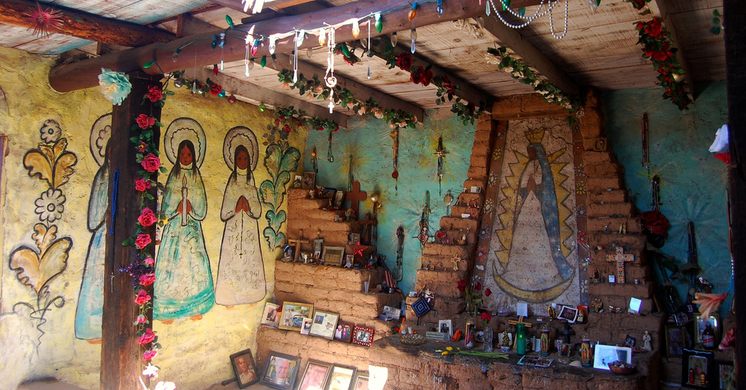


Tucson
If you’re thinking about visiting Tucson, Arizona, get ready for a city that blends rich history with stunning natural beauty and a vibrant cultural scene. Here’s what you can expect: Whether you’re interested in outdoor adventures, exploring history and culture, or simply relaxing in a vibrant desert city, Tucson offers something for every visitor. It’s…
Thanks for visiting! I hope you have a great trip.
-
Saguaro National Park

Saguaro National Park is a magnificent testament to the iconic saguaro cactus and the diverse Sonoran Desert ecosystem. Here’s what you should know about this unique national park.
Saguaro Cacti: The park is famous for its namesake saguaro cactus, which can grow to heights of 40 feet or more and live for over 150 years. These towering cacti with their distinctive arms are symbols of the American Southwest and are abundant throughout the park.
Two Districts: Saguaro National Park is divided into two districts: the Rincon Mountain District (east) and the Tucson Mountain District (west). Each district offers its own unique landscapes and opportunities for exploration.
Scenic Drives: Both districts feature scenic drives that offer breathtaking views of the desert landscape and the towering saguaros. The Cactus Forest Loop Drive in the Rincon Mountain District and the Bajada Loop Drive in the Tucson Mountain District are popular routes for visitors.
Hiking Trails: The park boasts a network of hiking trails suitable for all skill levels. Trails range from short nature walks to longer hikes that lead to scenic overlooks and hidden desert oases. Popular trails include the Valley View Overlook Trail and the King Canyon Trail.
Wildlife: Despite the harsh desert environment, Saguaro National Park supports a surprising diversity of wildlife. Visitors may encounter desert animals such as javelinas, coyotes, desert tortoises, and a variety of bird species. The park is also home to desert flora like barrel cacti, ocotillo, and numerous species of desert wildflowers.
Visitor Centers: Each district of the park has its own visitor center where visitors can learn about the park’s natural and cultural history, pick up maps and trail guides, and attend ranger-led programs and activities.
Stargazing: Saguaro National Park is designated as an International Dark Sky Park, making it an excellent destination for stargazing. On clear nights, visitors can marvel at the Milky Way and countless stars visible in the dark desert skies.
Cultural Heritage: The park also preserves the cultural heritage of the area, including petroglyphs and historic sites that provide insights into the lives of the people who have called this desert home over thousands of years.
Saguaro National Park offers a rich variety of desert landscapes, biodiversity, and cultural significance. Whether you’re interested in hiking, wildlife viewing, photography, or simply soaking in the beauty of the desert, Saguaro National Park provides a memorable and enriching experience for visitors of all ages.
Details
Rincon Mountain Visitor Center: 3693 S Old Spanish Trail, Tucson, AZ 85730
Red Hills Visitor Center: 2700 N Kinney Rd, Tucson, AZ 85743
Attraction opening days and times can change with no warning.
Always double-check information with the official website before making any plans
Photos


Tucson
If you’re thinking about visiting Tucson, Arizona, get ready for a city that blends rich history with stunning natural beauty and a vibrant cultural scene. Here’s what you can expect: Whether you’re interested in outdoor adventures, exploring history and culture, or simply relaxing in a vibrant desert city, Tucson offers something for every visitor. It’s…
Thanks for visiting! I hope you have a great trip.




About Me
The sky is not completely dark at night. Were the sky absolutely dark, one would not be able to see the silhouette of an object against the sky.
Follow Me On
Subscribe To My Newsletter
Subscribe for new travel stories and exclusive content.
 Meticulous Meanderings
.jpg)
You must be logged in to post a comment.