
Hello, I’m Veronica
The sky is not completely dark at night. Were the sky absolutely dark, one would not be able to see the silhouette of an object against the sky.


-
Park Centralny

(AKA Central Park)
Park Centralny in Świdnica, Poland is a picturesque and charming green oasis that offers visitors a delightful blend of natural beauty, recreational opportunities, and historical significance. If you’re contemplating a visit, here’s a description of what you can expect:
Lush Greenery: Park Centralny is a sprawling urban park that covers approximately 20 hectares (about 49 acres) in the heart of Świdnica. Upon entering, you’ll be immediately struck by the lush greenery that surrounds you. Towering trees, colorful flowerbeds, and well-maintained lawns create a peaceful and inviting atmosphere.
Relaxing Atmosphere: Park Centralny is an ideal place for relaxation and leisure. You can take a leisurely stroll along its winding paths, sit on benches beneath the shade of old trees, and enjoy the serenity of the place. It’s a perfect spot for a picnic with friends or family.
Ponds and Water Features: The park features several ponds, including the picturesque Swan Pond (Jezioro Łabędzie). Here, you can observe graceful swans gliding across the water and feed them, creating a tranquil and romantic ambiance.
Playground for Children: If you’re visiting with children, they’ll be delighted to discover a well-equipped playground with swings, slides, and other recreational facilities. It’s a great place for kids to burn off some energy while parents relax nearby.
Seasonal Beauty: Depending on the time of year you visit, the park offers different natural delights. In spring, you can admire the blooming flowers and budding trees. Summer brings lush green foliage and warm, sunny days. Autumn transforms the park into a colorful wonderland as leaves change hue. Even in winter, the park can be a serene and snow-covered landscape.
Cultural Events: Park Centralny often hosts cultural events, concerts, and open-air exhibitions, especially during the summer months. Check local event listings to see if there are any special activities or performances happening during your visit.
Close to City Center: The park is conveniently located near the city center of Świdnica, making it easily accessible by foot, bike, or public transportation. After your visit, you can explore the city’s historic architecture, shops, and restaurants.
Details
Photos


Świdnica
Świdnica is a charming and historic city located in southwestern Poland, offering a delightful mix of rich history, stunning architecture, and a welcoming atmosphere for visitors. Historical Significance: Świdnica is known for its deep historical roots. One of its most iconic landmarks is the Church of Peace (Kościół Pokoju), a UNESCO World Heritage Site. This…
Thanks for visiting! I hope you have a great trip.
-
Museum of Old Trade

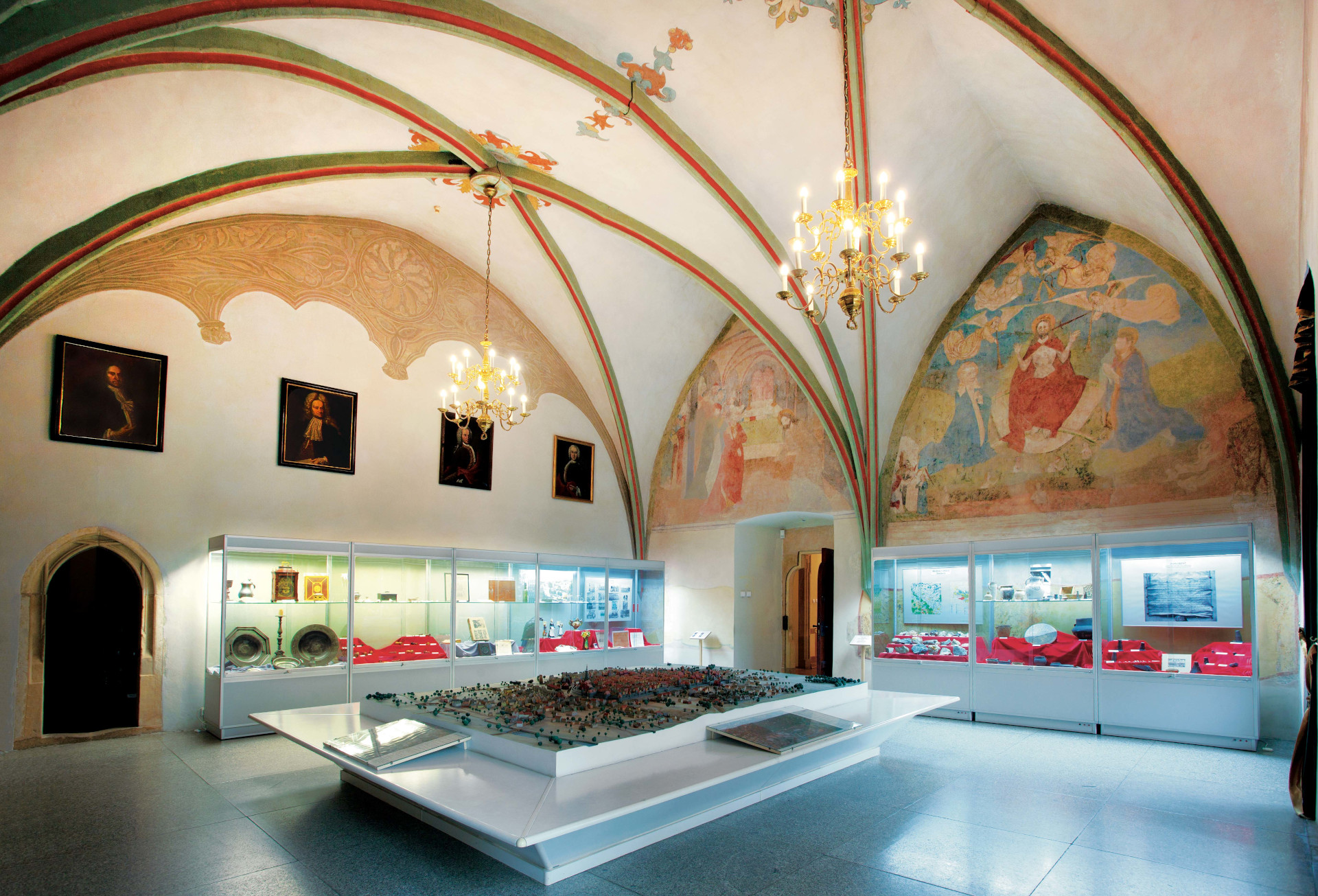
The Museum of Old Trade in Świdnica, Poland is a destination for anyone interested in the rich history of commerce and craftsmanship in this charming town. Located in the heart of Świdnica, a historic city in Lower Silesia, this museum offers a fascinating glimpse into the world of trade and commerce from centuries past.
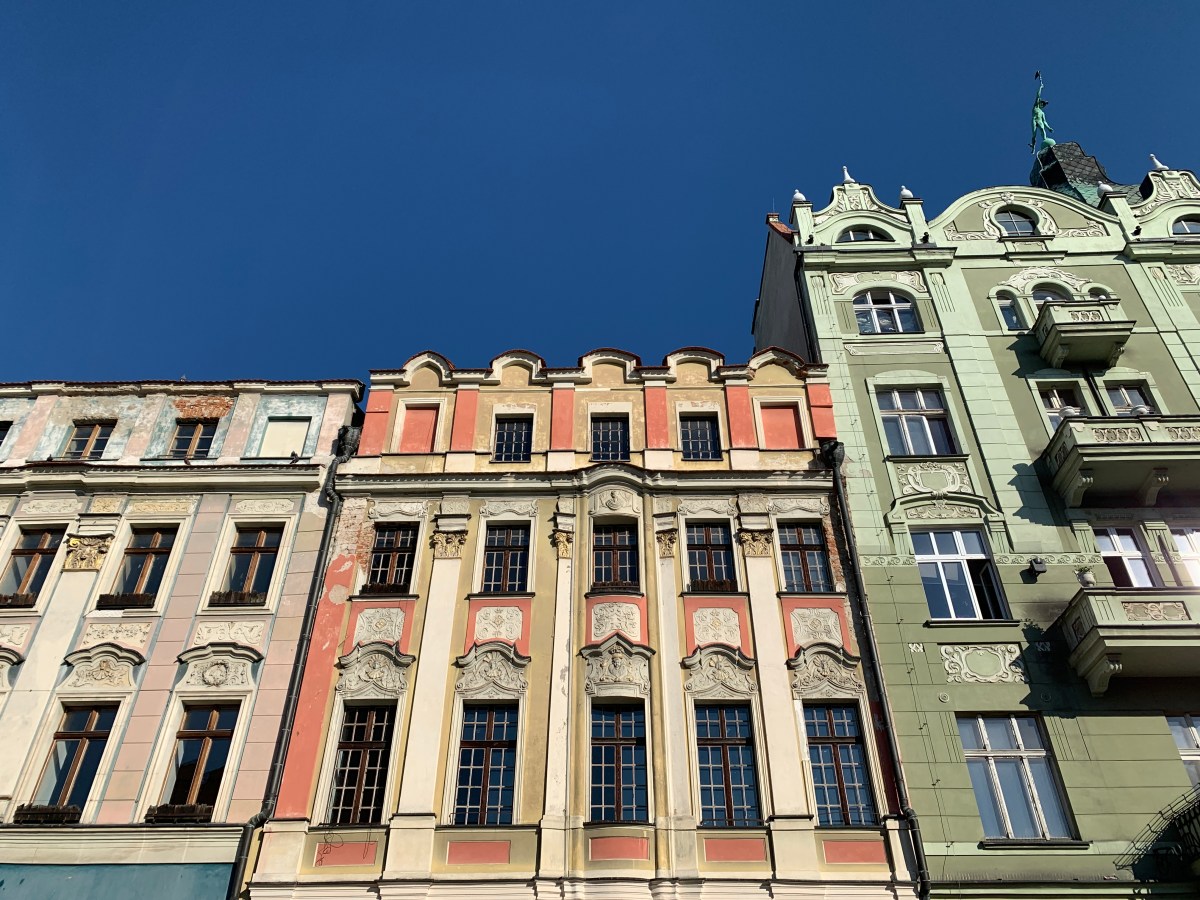
The museum is situated in a beautifully preserved historic building in the Rynek. The architecture of the museum complements the atmosphere of the exhibits, creating an immersive experience for visitors.
The Museum of Old Trade showcases an extensive collection of artifacts, tools, and documents that shed light on the economic and trading activities of Świdnica and the surrounding region. The exhibits are thoughtfully organized, allowing visitors to journey through different eras and aspects of trade.
Merchant’s Workshops: Explore reconstructed merchant workshops, where you can see how goods were crafted and traded in the past. Witness the skills and techniques that were essential for various trades, from blacksmithing to weaving.
Historical Artifacts: The museum houses a diverse array of historical artifacts, including antique coins, trade documents, and tools used by artisans and craftsmen. These items offer insights into the economic life of the town over the centuries.
Marketplace Scenes: Step into recreated market scenes, complete with market stalls, merchant costumes, and period-appropriate merchandise. These immersive displays transport you to bustling market days of yesteryears.
Trade Routes: Learn about the trade routes that connected Świdnica to other important European cities. Interactive maps and exhibits illustrate how goods and ideas flowed through the region.
Interactive Activities: The museum often offers interactive activities and workshops for visitors of all ages. You might have the chance to try your hand at traditional crafts or participate in historical reenactments.
The museum offers a well-rounded experience, with informative signage in both Polish and English, making it accessible to international visitors. The ambiance, lighting, and careful curation of exhibits create an engaging atmosphere that draws you into the past.
Details
Rynek 37, 58-100 Świdnica, Poland
Hours vary by season, check the website for current times
Attraction opening days and times can change with no warning.
Always double-check information with the official website before making any plans
Photos
© Museum of Old Trade 
© Museum of Old Trade 
© Museum of Old Trade Other Sights
Świdnica
Świdnica is a charming and historic city located in southwestern Poland, offering a delightful mix of rich history, stunning architecture, and a welcoming atmosphere for visitors. Historical Significance: Świdnica is known for its deep historical roots. One of its most iconic landmarks is the Church of Peace (Kościół Pokoju), a UNESCO World Heritage Site. This…
Thanks for visiting! I hope you have a great trip.
-
Chojnik Castle
(AKA Zamek Chojnik, Zamek Kynast)
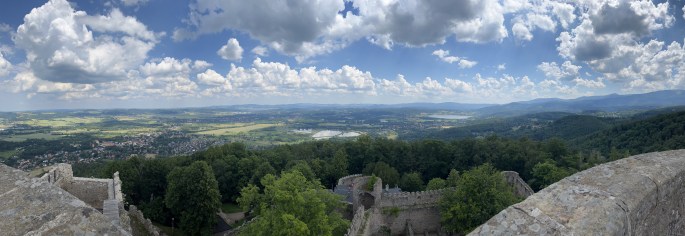
Chojnik Castle is a historic fortress located in southwestern Poland, in the picturesque Karkonosze Mountains (Giant Mountains).
History:
13th Century: Chojnik Castle was initially built in the early 13th century, likely around 1292, during the reign of Duke Bolko I of Świdnica and Jawor. It was constructed as a defensive fortress against the Czech king, Wenceslaus II of Bohemia to protect the strategically important trade routes passing through the region. The castle was originally made of wood and earthworks.
14th Century: In the 14th century, the castle underwent significant renovations and was rebuilt in stone. During this time, it played a crucial role in the region’s defenses and witnessed various territorial disputes among the competing Bohemian, Polish, and Silesian rulers.
15th Century: Chojnik Castle was captured and damaged multiple times during the Hussite Wars and other regional conflicts. However, it was consistently repaired and remained an important fortress.
16th Century: In the 16th century, the castle began to decline in significance as the region’s borders stabilized, and military needs diminished. It was gradually transformed into a residential palace by the Schaffgotsch family, a prominent Silesian noble family. They added Renaissance-style elements to the castle’s architecture.
17th Century: During the Thirty Years’ War (1618-1648), Chojnik Castle was severely damaged by Swedish troops. After this conflict, it was partially rebuilt but was never fully restored to its former glory.
18th Century: The castle further fell into disrepair during the 18th century and was eventually abandoned. It deteriorated into ruins.
19th Century: Romanticism in the 19th century sparked interest in historic ruins, and Chojnik Castle became a subject of restoration efforts. In 1822, Prince Wilhelm Kühn, a romantic enthusiast, acquired the castle and undertook significant reconstruction work, aiming to restore its medieval appearance.
20th Century: Chojnik Castle remained a private property until World War II when it was confiscated by the Nazis. After the war, it was returned to its pre-war owners. In the post-war years, the castle went through further renovation efforts.
21st Century: Chojnik Castle is now a popular tourist attraction in Poland, known for its fairytale-like appearance and breathtaking views of the surrounding Karkonosze Mountains. Visitors can explore the well-preserved medieval architecture, including the main tower and defensive walls.
Architecture:
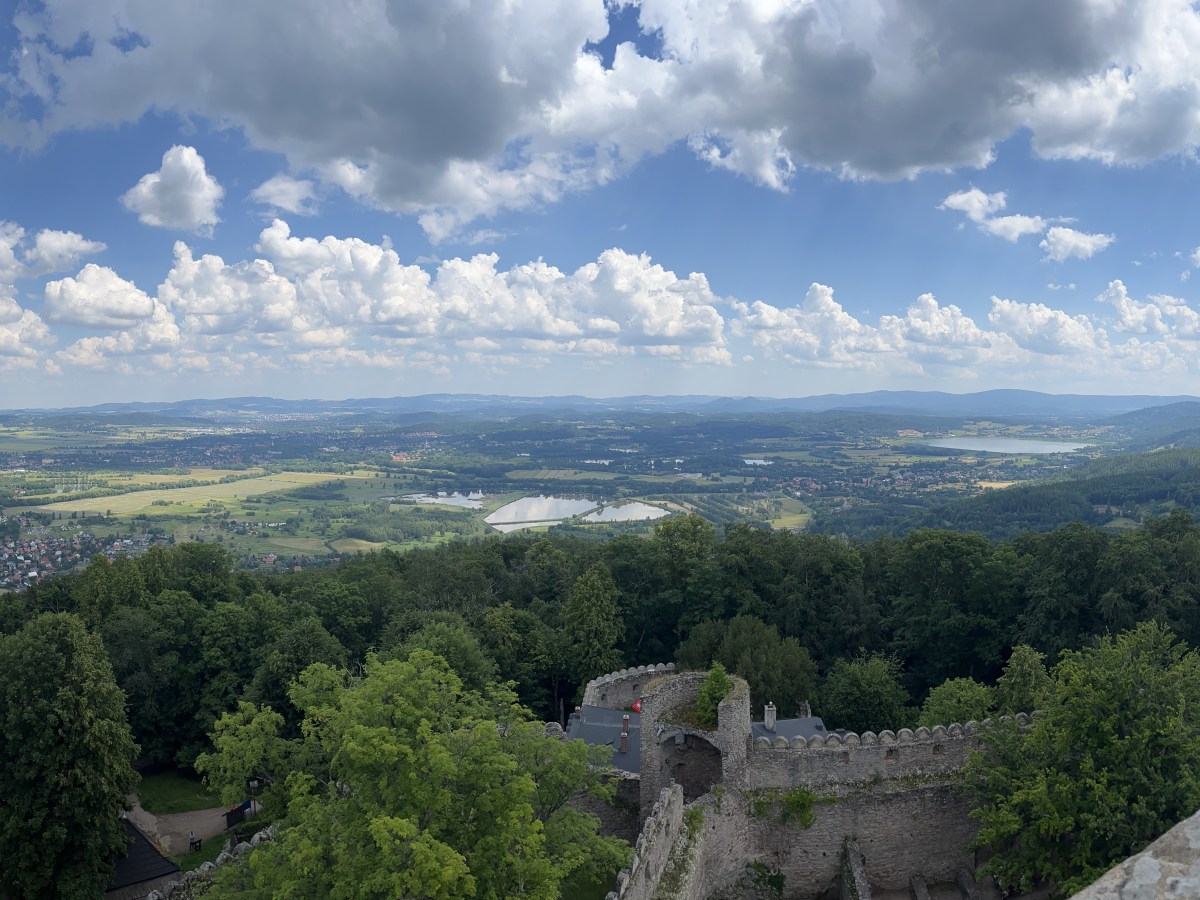
Chojnik Castle’s architecture is a striking blend of Gothic and neo-Gothic elements, which creates a unique and captivating appearance. Some key architectural features and points of interest to note when visiting include:- Main Keep: The central tower of the castle, also known as the keep, is a massive stone structure with a square base. It offers panoramic views of the surrounding Karkonosze Mountains and the Jelenia Góra Valley from its observation deck.
- Crenellated Walls: The castle’s walls are adorned with crenellations and decorative stonework, adding to its medieval charm. These walls encircle the inner courtyard and provide opportunities for exploration.
- Courtyard: Inside the castle, you’ll find a courtyard with a picturesque well, where you can take a moment to appreciate the historical ambiance and the views.
- Gatehouse: The entrance to the castle is through a gatehouse, which still retains some of its original features, including a drawbridge and a portcullis.
- Museum: Today, Chojnik Castle also houses a museum, displaying artifacts related to the castle’s history and the surrounding region. It provides valuable insights into the past and the various phases of the castle’s existence.
- Surrounding Landscape: The castle is situated atop a hill, offering stunning views of the lush forested landscape and the town of Jelenia Góra below. The location itself adds to the castle’s allure and makes it a great spot for photography.
Chojnik Castle is not only a historic gem but also a place where you can immerse yourself in the rich history and architecture of Poland while enjoying the natural beauty of the Karkonosze Mountains. Whether you’re interested in medieval history, architecture, or simply breathtaking views, a visit to Chojnik Castle is sure to be a memorable experience.
Visit Notes
Be prepared for a hike. Uphill. Steeply uphill.
First things first though, parking is available in a few lots leading to the bottom of the castle hill. We were able to park in a local’s driveway for a small fee. He even loaned us walking sticks. It’s then a short walk to the start of the trail. Here you will pay a fee to enter the forest, but make sure you still have money left because you will pay an admission fee at the castle when you get there.
On the way up, you have a choice between a path marked in red and a path marked in black. The red path is longer, but it’s paved and requires no scrambling over rocks. The black path is shorter, but can be steeper and is entirely on a dirt path in the woods. We took the red path up and the black path down.
Now, the red path IS easier than the black, but make no mistake, you’re climbing a large hill. Our travel mates took one look at the hill and opted to wait for us at the bottom. If you’re in reasonable shape, you’ll make it to the top (a little sweaty and tired). I found the cobbles the path was paved with to be just uneven enough to make me stare at the ground the whole time so I wouldn’t trip. It was hot and humid. I think it took the better part of an hour for us to get to the top.
Was it worth it?
Yes!
The views alone would be worth the effort, but add in a crumbling, atmospheric castle and it’s even better. As I mentioned earlier, you will have to pay an admission fee to enter once you get to the castle. Inside, you can climb the walls and tower for amazing views over the valley below. The castle has all kinds of little nooks to explore.
Details
Zamek Chojnik, 58-570 Jelenia Góra, Poland
Hours vary by month, check the website for the most current times
Attraction opening days and times can change with no warning.
Always double-check information with the official website before making any plans
Photos


Świdnica
Świdnica is a charming and historic city located in southwestern Poland, offering a delightful mix of rich history, stunning architecture, and a welcoming atmosphere for visitors. Historical Significance: Świdnica is known for its deep historical roots. One of its most iconic landmarks is the Church of Peace (Kościół Pokoju), a UNESCO World Heritage Site. This…
Thanks for visiting! I hope you have a great trip.
-
Church of Peace in Jawor

(AKA Kościół Pokoju w Jaworze)
The Church of Peace in Jawor, Poland, is a remarkable historical and architectural gem that is worth exploring if you’re considering a visit.
History:
The Church of Peace in Jawor is one of the most iconic symbols of the religious and cultural history of Silesia, a region in Central Europe that has seen its share of turmoil and conflict. Its history dates back to the 17th century, during the tumultuous times of the Thirty Years’ War (1618-1648), which devastated much of Europe.In 1648, the Peace of Westphalia ended the Thirty Years’ War, bringing relative peace to the region. However, it imposed strict limitations on the construction of new churches. To adhere to these restrictions and maintain their religious freedom, the Protestant community in Jawor decided to build three wooden churches known as the “Churches of Peace.” These churches were meant to serve as a testament to their faith and resilience in the face of adversity.
Architecture:
The Church of Peace in Jawor is a prime example of a wooden, half-timbered church and is renowned for its unique and impressive architecture. Here are some architectural highlights:Wooden Construction: The church is constructed entirely from wood, which was a practical choice given the limitations imposed by the Peace of Westphalia. The wooden framework is a masterpiece of craftsmanship, with intricate carvings and decorative elements.
Awe-Inspiring Interior: Inside the church, you’ll find a stunning Baroque interior adorned with intricate paintings, sculptures, and ornate details. The altar, pulpit, and galleries are particularly noteworthy for their artistic beauty.
Peaceful Atmosphere: The Church of Peace was designed not only as a place of worship but also as a symbol of peace and reconciliation. Its serene and harmonious interior reflects this purpose, providing a tranquil space for reflection and contemplation.
Exceptional Acoustics: The wooden architecture also contributes to exceptional acoustics within the church, making it a venue for various cultural events and concerts.
UNESCO World Heritage Site: In 2001, the Church of Peace in Jawor, along with the Church of Peace in Świdnica, was designated as a UNESCO World Heritage Site, recognizing its historical and architectural significance.
When visiting the Church of Peace in Jawor, you’ll not only be treated to a glimpse of the past but also a chance to marvel at the craftsmanship and resilience of the people who built it during a turbulent period in European history. It’s a place that embodies the spirit of peace and religious tolerance, making it a must-visit destination for history enthusiasts and architecture lovers alike.
Visit Notes
If you’re driving to the Church of Peace, you can park in the small lot on Maja street. The church sits in a cute park with benches and walkways. We were excited to meet a black cat, just outside the church. We probably spent more than a reasonable amount of time petting it.
The church itself is gorgeous, both inside and out. It’s very different than the stone churches you’re going to see everywhere else in Europe. The Baroque details inside would take days to really appreciate.
When you buy your ticket, they will ask what language you speak and play a recording inside the church about its history. If one is already playing in another language, you need only to wait until it completes and then they’ll play your language.
Both this Church of Peace and the one in Świdnica are worth visiting. I’d be hard pressed to pick one if you told me I could only visit one… but if I really had to, I’d pick the one in Świdnica (but probably only because I know there’s a really good chocolate shop nearby).
Details
park Pokoju 2, 59-400 Jawor, Poland
Visiting hours are seasonal, check the website for details
Attraction opening days and times can change with no warning.
Always double-check information with the official website before making any plans
Photos


Świdnica
Świdnica is a charming and historic city located in southwestern Poland, offering a delightful mix of rich history, stunning architecture, and a welcoming atmosphere for visitors. Historical Significance: Świdnica is known for its deep historical roots. One of its most iconic landmarks is the Church of Peace (Kościół Pokoju), a UNESCO World Heritage Site. This…
Thanks for visiting! I hope you have a great trip.
-
Wang Church

(AKA Kościół Wang)
The Wang Church is a fascinating and unique architectural gem located in Karpacz, Poland. This historic wooden church is a must-visit for anyone interested in history, architecture, or simply looking for a picturesque spot to explore.
History:
The Wang Church traces its origins back to the 12th century. The church’s original location was in Vang, a small village in Norway. However, in the 19th century, the church was dismantled and transported to Karpacz, Poland, where it was reassembled.
The relocation of the church was a part of a broader trend in the 19th century where many wooden churches were moved to different locations due to changes in population and the desire to preserve these historic structures. The Wang Church is a prime example of this practice and is now a symbol of cultural exchange between Norway and Poland.
Architecture:
The Wang Church is renowned for its stunning stave church architecture, which is characteristic of Scandinavian wooden churches. Key architectural features include:
Wooden Construction: The church is primarily constructed from wood, showcasing intricate woodcarvings and detailing. The timber used is weathered and darkened, giving the church a rustic and authentic appearance.
Stave Church Design: The Wang Church follows the stave church design, which is characterized by its timber framing technique. The interlocking vertical wooden posts or “staves” give the church its distinct appearance.
Dragon Heads: One of the most distinctive features of the Wang Church is the dragon heads that adorn the church’s roof. These dragon heads are a nod to Norse mythology and add a touch of medieval charm to the building.
Interior Decor: Inside the church, you’ll find a beautifully decorated interior with traditional religious artwork and wooden furnishings. The atmosphere is serene and inviting, making it an excellent place for quiet reflection.
Surrounding Landscape: The church is situated amidst a picturesque natural landscape, surrounded by lush greenery and the Karkonosze Mountains. This setting enhances the overall appeal of the church and provides a beautiful backdrop for visitors.
Visit Notes
When you arrive in town, you will find plenty of paid parking available in small lots along the road. Each is owned by a different person, so the prices can vary. Once you’re parked, it’s a quick walk up to the church. It looked much more petite than I expected. The setting is gorgeous, up on a mountain, surrounded by forest. The church itself is an interesting architectural style unique to the area.
I enjoyed our visit here and would do it again if given another chance, but there are a couple of things to be aware of… First, there are some pretty steep inclines getting from the parking lots to the church so if you’re traveling with someone who has mobility issues, they may need a little more time to get up there. Second, the hours on the website currently list opening times from 9:00, however, we were there on Sunday and there were services happening until 11:30, so we couldn’t go in.
Overall, a definite must-see if you’re anywhere nearby and have the means to get there.
Details
Na Śnieżkę 8, 58-540 Karpacz, Poland
15th April – 31st October
9:00 to 18:00
1st November – 14th April
9:00 to 17:00Attraction opening days and times can change with no warning.
Always double-check information with the official website before making any plans
Photos


Świdnica
Świdnica is a charming and historic city located in southwestern Poland, offering a delightful mix of rich history, stunning architecture, and a welcoming atmosphere for visitors. Historical Significance: Świdnica is known for its deep historical roots. One of its most iconic landmarks is the Church of Peace (Kościół Pokoju), a UNESCO World Heritage Site. This…
Thanks for visiting! I hope you have a great trip.




About Me
The sky is not completely dark at night. Were the sky absolutely dark, one would not be able to see the silhouette of an object against the sky.
Follow Me On
Subscribe To My Newsletter
Subscribe for new travel stories and exclusive content.
 Meticulous Meanderings
You must be logged in to post a comment.