

Hello, I’m Veronica
The sky is not completely dark at night. Were the sky absolutely dark, one would not be able to see the silhouette of an object against the sky.


-
Świdnica Rynek

The Rynek in Świdnica, Poland, is a charming and historically significant square that holds a rich history and boasts an impressive architectural heritage.
History:
The Rynek, which translates to “market square” in English, is the heart of Świdnica and has been a focal point of the city’s life for centuries. Świdnica itself is located in the Lower Silesian Voivodeship in southwestern Poland, and its history dates back to the 12th century. The Rynek has played a central role in the city’s development since its inception.Architecture:
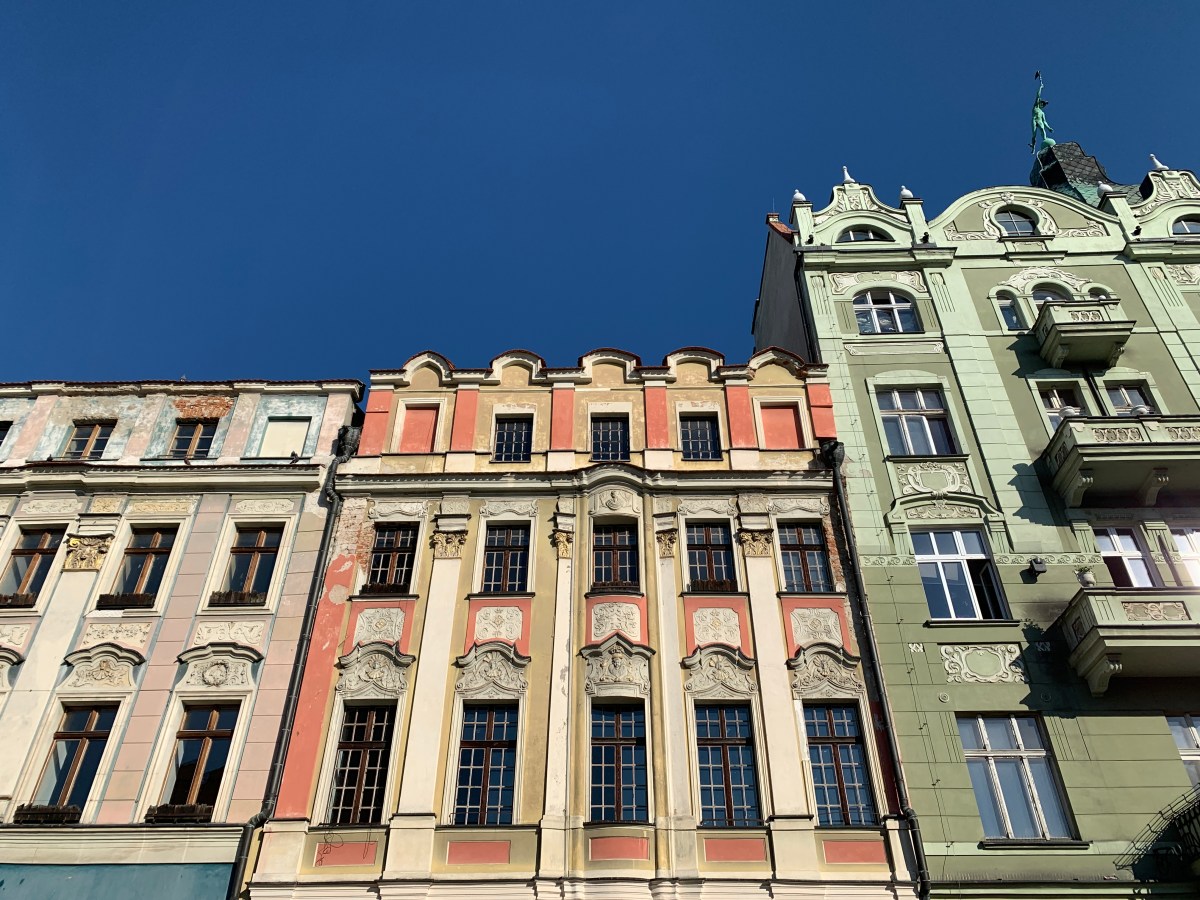
The architecture of the Rynek in Świdnica is a blend of different styles, reflecting the city’s long and diverse history. Here are some key architectural elements and landmarks you can expect to find:- Townhouses: Surrounding the square, you’ll discover a collection of beautifully preserved and colorful townhouses that date back to various periods. These buildings showcase a mix of architectural styles, including Gothic, Renaissance, and Baroque. Many of them feature ornate facades, intricate detailing, and vibrant paintwork.
- Town Hall: At the center of the Rynek stands the impressive Town Hall, a striking Renaissance-style building with a tall clock tower. The Town Hall is a symbol of Świdnica and often serves as a backdrop for various events and festivals.
- Fountains and Statues: The Rynek features decorative fountains and statues that add to the square’s aesthetic appeal. These include sculptures of historical figures and mythological characters, as well as commemorative monuments.
- Cafés and Restaurants: The Rynek is not just a historical site but a lively place where you can enjoy a meal or a cup of coffee at one of the many charming cafés and restaurants that line the square. It’s an excellent spot for people-watching and immersing yourself in the local atmosphere.
- Market Stalls: While the Rynek is no longer a bustling market square in the traditional sense, you might still come across small market stalls selling local crafts, souvenirs, and fresh produce, particularly during special events and festivals.
Visiting the Rynek in Świdnica is like stepping back in time while enjoying the vibrant culture and architecture of this picturesque Polish city. Whether you’re interested in history, architecture, or simply looking for a pleasant place to explore, the Rynek is a must-visit destination that will leave you with lasting memories of Świdnica’s rich heritage.
Visit Notes
What’s a visit to a historic European town without a stop in the old town square? There are many beautiful details here to appreciate, from the fountains to the town hall tower. In the summer, flowers abound, adding even more color to the square.
If you’re feeling peckish, I highly recommend getting some chocolates from Chocoffee. The salted caramel ones are my favorite. I hear the coffee there is good too, but I don’t drink the stuff.
Details
Photos


Świdnica
Świdnica is a charming and historic city located in southwestern Poland, offering a delightful mix of rich history, stunning architecture, and a welcoming atmosphere for visitors. Historical Significance: Świdnica is known for its deep historical roots. One of its most iconic landmarks is the Church of Peace (Kościół Pokoju), a UNESCO World Heritage Site. This…
Thanks for visiting! I hope you have a great trip.
-
Świdnica Cathedral
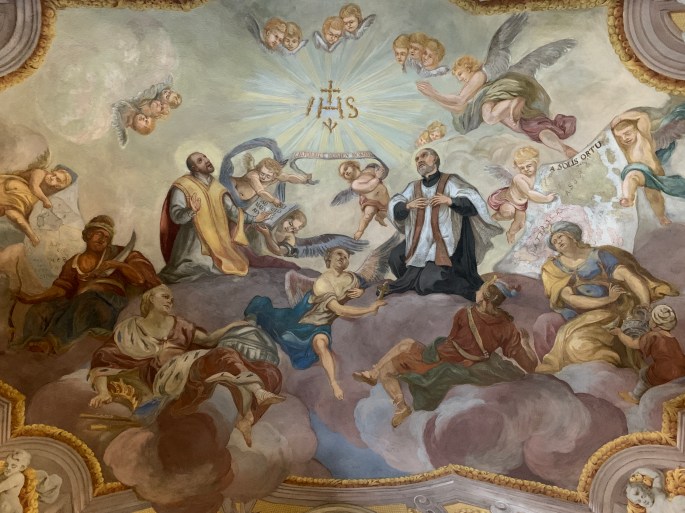
(AKA Cathedral of St. Stanislaus and St. Wenceslaus)
The Świdnica Cathedral, also known as the Cathedral of St. Stanislaus and St. Wenceslaus, is a magnificent religious edifice located in Świdnica, a historic town in Lower Silesia, Poland. If you’re considering visiting this remarkable place of worship, it’s essential to understand its rich history and impressive architecture to fully appreciate its significance.
History:
The history of the Świdnica Cathedral dates back to the 14th century when construction began. It was originally erected as a parish church to serve the rapidly growing medieval town of Świdnica. However, over time, it underwent significant renovations and expansions, eventually becoming the grand cathedral we see today. The cathedral’s history is closely intertwined with the tumultuous events of European history, including religious conflicts, wars, and cultural transformations.One of the most remarkable aspects of the Świdnica Cathedral’s history is its survival through the centuries. Despite enduring the ravages of time and several wars, it has managed to maintain its original Gothic architecture and remains one of the most well-preserved medieval structures in Poland.
Architecture:
The Świdnica Cathedral’s architectural style is predominantly Gothic, which was the prevailing architectural style during its construction. Here are some key architectural features that make the cathedral worth visiting:Exterior: The cathedral’s exterior is characterized by its stunning Gothic façade, featuring intricate stone carvings, pointed arches, and delicate tracery work. Its tower, reaching a height of approximately 102 meters, dominates the skyline of Świdnica and is the tallest in the region.
Interior: Stepping inside the cathedral, you’ll be greeted by a soaring nave with tall, slender columns and rib-vaulted ceilings typical of the Gothic style. The interior is adorned with numerous religious artworks, altars, and frescoes that reflect different periods of the cathedral’s history.
Chapels: Throughout the cathedral, you’ll find several chapels, each with its own distinctive design and religious significance. These chapels are adorned with beautiful altars, stained glass windows, and religious artwork.
Visiting the Świdnica Cathedral provides not only an opportunity to explore an outstanding example of Gothic architecture but also a chance to delve into the history and cultural heritage of the region.
Visit Notes
If you’re in Świdnica you’re going to want to make a stop here. The guided tour that takes you to the Church of Peace also makes a stop here, so if tours are your thing, it’s worth checking out. The tour guide we encountered at both churches still had his laser pointer and was still very annoying.
When we visited, about half of the interior was covered in a shrouded scaffolding. What we could see of the church was beautiful, I just wish we could have see the rest. There are little details galore here, with many Baroque touches, creating a feast for the eyes.
Details
Monday to Saturday
10:00 – 17:45
Attraction opening days and times can change with no warning.
Always double-check information with the official website before making any plans
Photos


Other Sights
Świdnica
Świdnica is a charming and historic city located in southwestern Poland, offering a delightful mix of rich history, stunning architecture, and a welcoming atmosphere for visitors. Historical Significance: Świdnica is known for its deep historical roots. One of its most iconic landmarks is the Church of Peace (Kościół Pokoju), a UNESCO World Heritage Site. This…
Thanks for visiting! I hope you have a great trip.
-
Church of Peace in Świdnica

(AKA Kościół Pokoju w Świdnicy)
The Church of Peace in Świdnica, Poland, is an extraordinary and historically significant religious site that should be on the list of anyone considering a visit to this charming city.
Architectural Marvel: The Church of Peace in Świdnica is renowned for its stunning Baroque architecture and impressive size. It is one of the two surviving “Churches of Peace” in Silesia, the other being in Jawor, and is a UNESCO World Heritage Site. What makes this church particularly remarkable is that it was built entirely of wood and clay in the 17th century, during a time when the region was devastated by wars and treaties forbade the construction of permanent, stone churches.
Interior Elegance: Step inside, and you’ll be greeted by an ornate and spacious interior. The church’s beautifully decorated wooden walls, painted ceilings, and intricate sculptures showcase the skill and creativity of the artisans of that era. The church can accommodate up to 7,500 people, making it one of the largest wooden religious buildings in Europe.
Symbol of Peace: The Church of Peace symbolizes the hope for peace and religious freedom. Its construction was allowed under the Treaty of Westphalia, which ended the devastating Thirty Years’ War. It’s a testament to the resilience and determination of the local community to maintain their faith and traditions during a tumultuous period in history.
Rich History: Visitors will also find a museum adjacent to the church that delves into its history and provides insight into the challenges faced by the people of Świdnica during the construction of the church. The displays include artifacts, documents, and historical context, offering a deeper understanding of this remarkable place.
Scenic Surroundings: The church is located in a picturesque park setting, with lush greenery and well-maintained gardens. It’s an excellent place to take a leisurely stroll, enjoy a picnic, or simply relax in the peaceful ambiance.
Visiting Tips: When planning your visit, be sure to check the opening hours, as they may vary depending on the season. It’s also advisable to join a guided tour to learn more about the church’s history and significance. And don’t forget your camera; the exterior and interior of the Church of Peace provide numerous photo opportunities.
Visit Notes
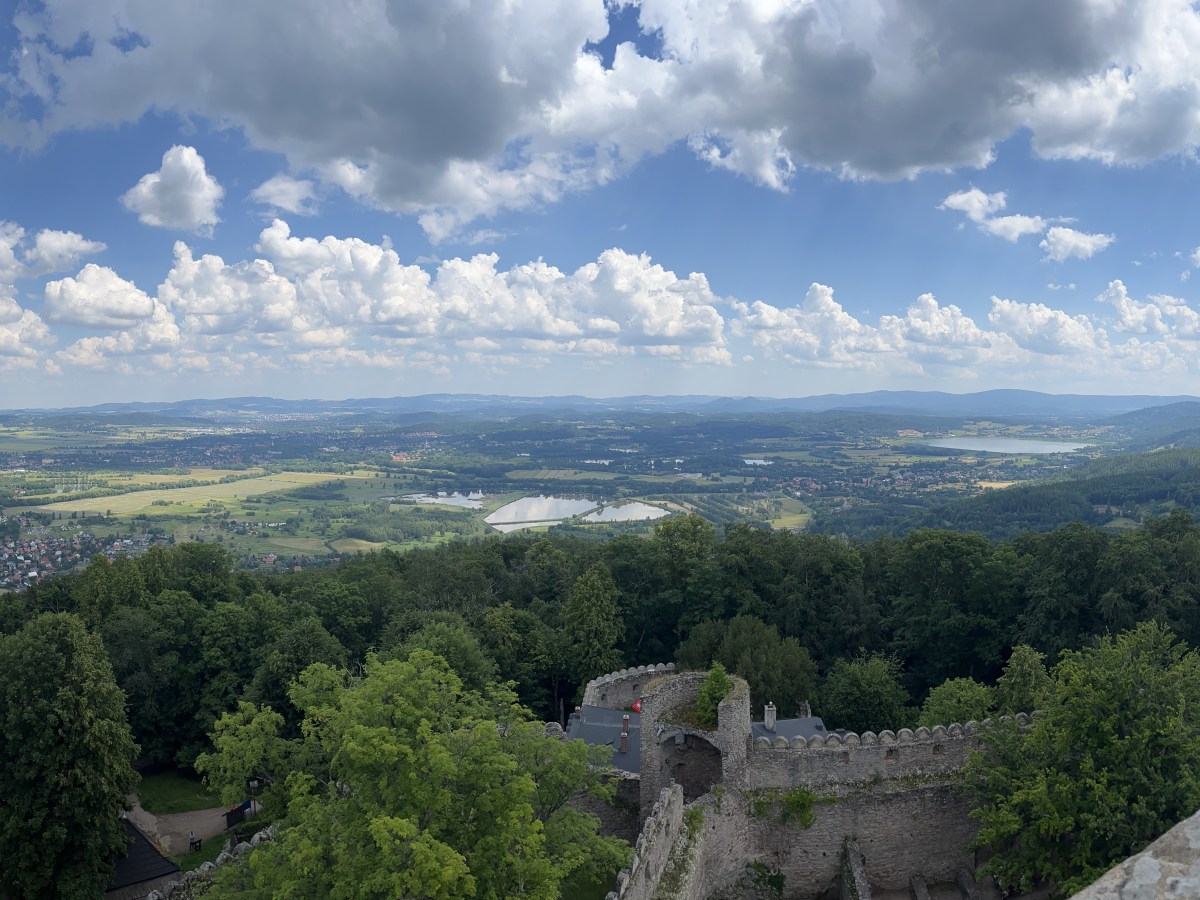
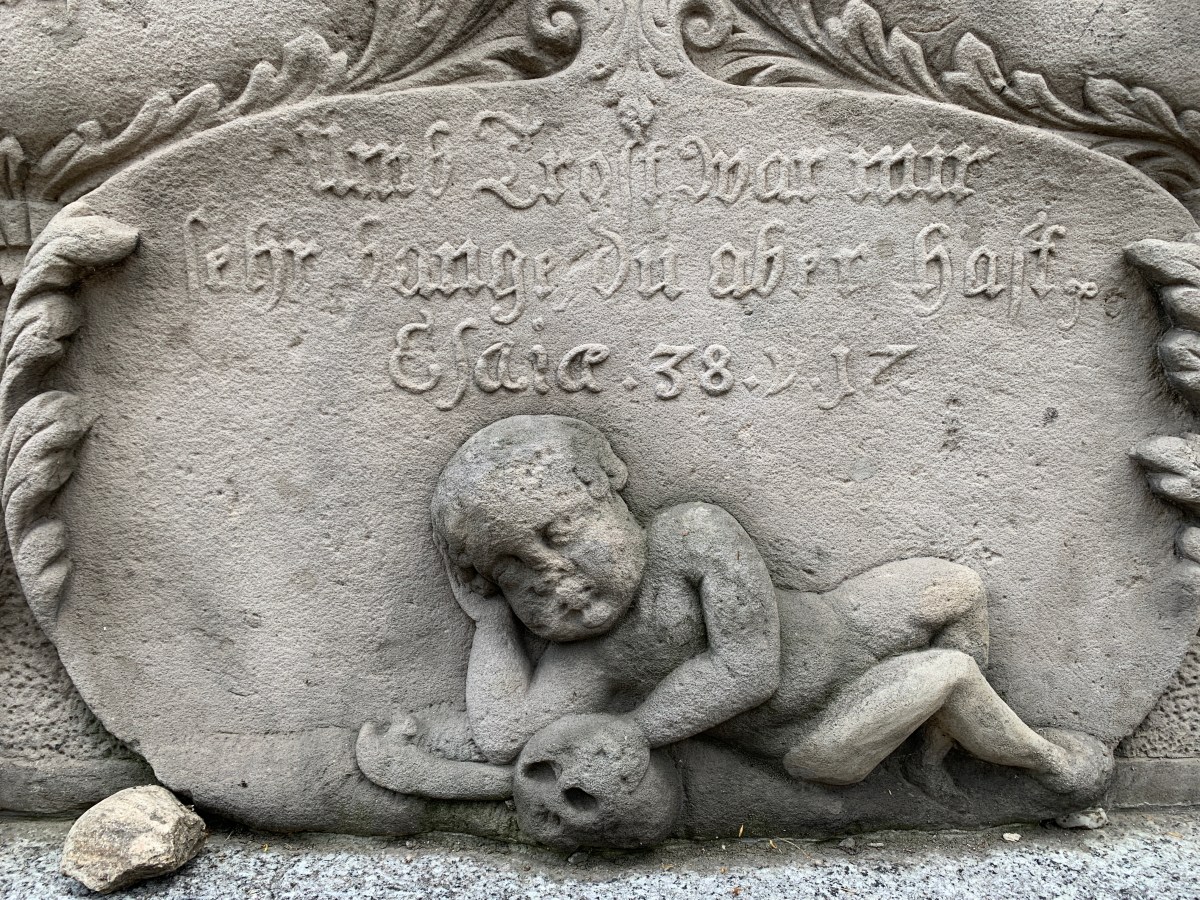
The church is easy to walk to from the historic center of Świdnica. Take a bit of time to explore the grounds before you go in, not only will you get some lovely pictures of the outside of the church, but you’ll find a small cemetery and some monuments.
You can book guided tours of the church, however, the tour we witnessed while we were visiting did not impress me. The tour group looked mighty bored and I wanted to rip the laser pointer out of the guide’s grasp. Anyway, you don’t really need the guide, when you buy your ticket they’ll ask what language you speak and will play an informative history in your language over the speakers.
If you are anywhere near Świdnica, it is most definitely worth visiting. It’s a beautiful church will details for days and a fascinating departure from the stone and brick churches you’ll find everywhere else.
Details
plac Pokoju 6, 58-100 Świdnica, Poland
Hours are seasonal, check the website for most current times
Attraction opening days and times can change with no warning.
Always double-check information with the official website before making any plans
Photos


Świdnica
Świdnica is a charming and historic city located in southwestern Poland, offering a delightful mix of rich history, stunning architecture, and a welcoming atmosphere for visitors. Historical Significance: Świdnica is known for its deep historical roots. One of its most iconic landmarks is the Church of Peace (Kościół Pokoju), a UNESCO World Heritage Site. This…
Thanks for visiting! I hope you have a great trip.
-
Museu Pio XII

The Museu Pio XII in Braga, Portugal is a fascinating museum dedicated to religious art, archaeology, and the history of Braga, offering visitors a deep dive into the region’s rich cultural and spiritual heritage. Housed in a beautiful historic building near Braga’s Cathedral, the museum is named after Pope Pius XII and was founded in 1957 by Archbishop Francisco Maria da Silva.
The museum’s permanent collection features an impressive array of religious art, including paintings, sculptures, liturgical vestments, and sacred objects spanning several centuries. It provides a wonderful overview of Portuguese religious art and craftsmanship, with pieces dating back to the Middle Ages and Renaissance.
In addition to religious art, the museum has a section dedicated to archaeology, showcasing artifacts that reflect the Roman, Medieval, and Modern history of Braga. You’ll find ancient coins, pottery, architectural fragments, and various other archaeological finds that tell the story of Braga’s long and varied past.
The Museu Pio XII also hosts temporary exhibitions and cultural events throughout the year, making each visit potentially unique. Its location near other major attractions in Braga, like the Sé Cathedral and the Arco da Porta Nova, makes it an easy and worthwhile addition to any itinerary. It’s a must-visit for those interested in religious art or history.
Visit Notes
The collection at this museum is pretty diverse, from Roman artifacts to religious art, there is a little something different around each corner. For some reason on the day we visited admission was free. We were the only people in the museum and it only took about forty five minutes or so to see everything. It’s worth a stop if you have any interest in the history of the region.
Photos


Braga
Braga, Portugal is a charming city located in the northwest part of the country. Known as the “Rome of Portugal,” Braga is deeply rooted in history and boasts a rich cultural heritage that dates back over 2,000 years. One of the first things you’ll notice when you arrive in Braga is its picturesque setting. Nestled…
Thanks for visiting! I hope you have a great trip.
-
Kronentor

The Kronentor was originally constructed as a part of the Dresden Castle, a magnificent palace complex that served as the royal residence of the Electors and Kings of Saxony. The castle, situated on the banks of the Elbe River, was built during various phases spanning several centuries, with the oldest parts dating back to the 13th century. Over time, the complex underwent numerous renovations, expansions, and stylistic changes, reflecting the architectural trends of different periods.
The Kronentor, in particular, holds its own story. It was added to the castle complex during the Renaissance period, in the 16th century, as a prominent entrance gate. The gate’s name, “Kronentor,” translates to “Crown Gate” in English, a nod to the regal history and status of the Saxon rulers who resided within the castle.
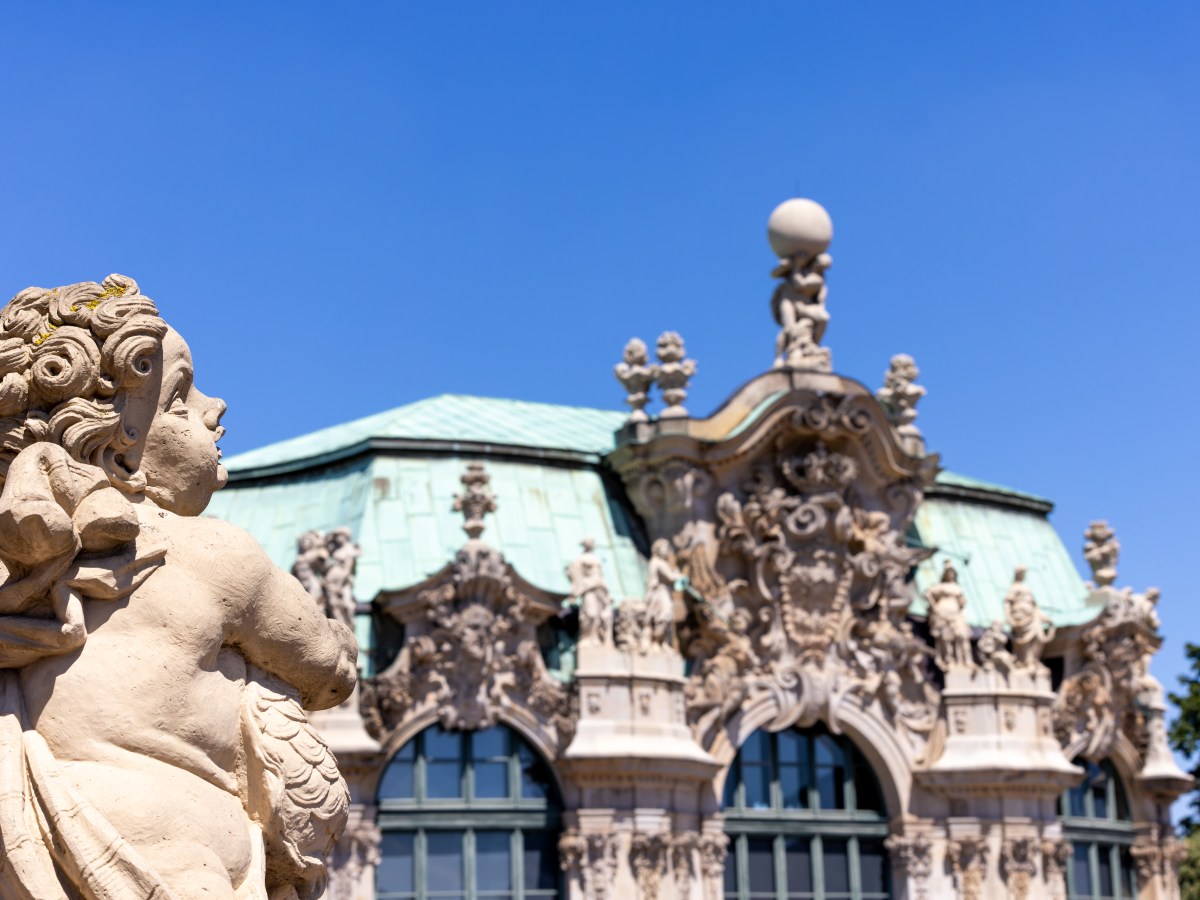
The Kronentor showcases a blend of Renaissance and Baroque architectural elements, capturing the artistic and cultural evolution that Dresden has experienced over the centuries. The gate is characterized by its grandeur, intricate detailing, and symbolic features.
The architecture of the Kronentor reflects the Renaissance style through its symmetrical design, decorative pilasters, and arched openings. The Baroque influence is evident in the ornate sculptures, lavish carvings, and dynamic forms that adorn the gate’s façade. The gate’s central section features a triangular pediment adorned with sculptural elements, while the sides are adorned with statues representing allegorical figures, heraldic symbols, and royal insignias.
Visit Notes
You can’t miss the Kronentor when you visit the Zwinger. During our visit, the courtyard of the Zwinger was undergoing renovation, so we were only able to approach the Kronentor from the terrace. The Kronentor is covered in sculpture and details that are fun to explore, so make sure you stop by and give it a good look.
Details
Photos


Dresden
Dresden, located in eastern Germany, is a city that seamlessly blends history, culture, and natural beauty. Known as the “Florence on the Elbe,” Dresden has a rich and complex history that is reflected in its stunning architecture, vibrant arts scene, and picturesque landscapes. Architectural Marvels: One of the city’s most iconic landmarks is the Dresden…
Thanks for visiting! I hope you have a great trip.











About Me
The sky is not completely dark at night. Were the sky absolutely dark, one would not be able to see the silhouette of an object against the sky.
Follow Me On
Subscribe To My Newsletter
Subscribe for new travel stories and exclusive content.
 Meticulous Meanderings
You must be logged in to post a comment.