
Hello, I’m Veronica
The sky is not completely dark at night. Were the sky absolutely dark, one would not be able to see the silhouette of an object against the sky.


-
Museu de Marinha
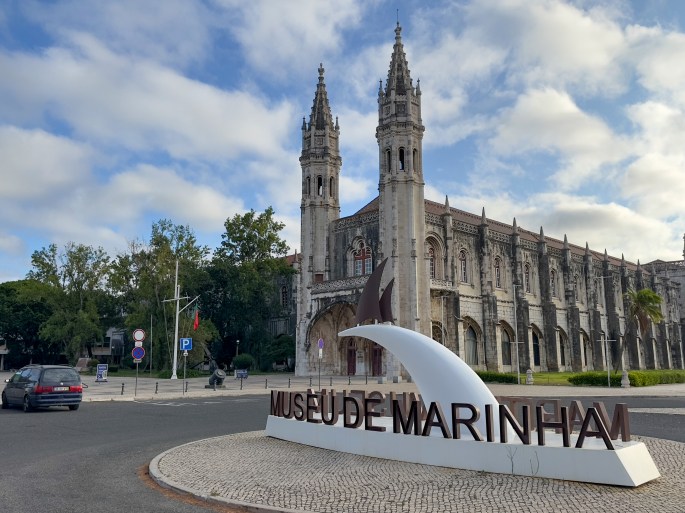
The Museu de Marinha, located in Lisbon, Portugal, is a maritime museum that offers a rich and immersive experience for anyone interested in the history of navigation, exploration, and maritime traditions. Or maybe like me you just enjoy big, cool boats.
The Museu de Marinha is situated in the Belém district of Lisbon, an area steeped in maritime history. The museum is housed in a grand building that was originally a part of the Jerónimos Monastery complex, a UNESCO World Heritage site. This stunning location adds to the overall charm of the museum, as it’s surrounded by historical landmarks and picturesque views of the Tagus River.
Exhibits and Collections:
The museum boasts an extensive collection that spans several centuries of maritime history. As you explore its halls, you’ll come across a diverse range of exhibits:- Age of Exploration: Learn about Portugal’s pivotal role in the Age of Exploration, when explorers like Vasco da Gama and Ferdinand Magellan embarked on epic journeys that reshaped the world’s understanding of geography.
- Ship Models: The Museu de Marinha is renowned for its collection of intricate ship models that showcase various types of vessels, from caravels used in exploration to majestic warships.
- Navigational Instruments: Discover the evolution of navigation through a display of navigational tools and instruments that were used by sailors to traverse the seas.
- Royal Carriages: The museum also houses a remarkable assortment of royal carriages, reflecting the maritime connections of the Portuguese monarchy.
- Artifacts and Artworks: You’ll find an array of artifacts, artworks, and historical documents that provide insights into the lives of sailors, explorers, and the maritime culture of Portugal.
The Museu de Marinha offers various interactive elements that engage visitors of all ages. You might have the opportunity to step inside recreated ship cabins, experience virtual simulations of historical sea voyages, and participate in hands-on activities that give you a taste of life at sea.
For those who are curious about maritime history, navigation techniques, and the exploration of the world’s oceans, the museum provides a wealth of educational information. There are often guided tours and informative presentations that offer deeper insights into the exhibits and their historical context.
The Museu de Marinha is conveniently located near other attractions in Belém, such as the iconic Belém Tower and the Jerónimos Monastery. After your museum visit, you can easily explore these sites to further enrich your understanding of Portugal’s maritime heritage.
Visit Notes
There are two sides to this museum. The side where you enter is more a traditional museum, with exhibits about Lisbon’s maritime history and sailing in general. Once you’ve finished with that side, you go back outside and across the courtyard. In the second building are all the boats for you to explore.
I enjoyed this museum quite a lot, but I don’t consider it to be a must-see. If you are pressed for time, you can skip it and feel good about your decision.
Photos


Other Sights
Lisbon
Lisbon, the capital city of Portugal, is a vibrant and enchanting destination that effortlessly blends rich history with a modern, cosmopolitan vibe. Nestled along the scenic banks of the Tagus River, Lisbon boasts a captivating cityscape adorned with colorful tiled buildings, cobblestone streets, and an array of architectural gems. The city’s historic district, known as…
Thanks for visiting! I hope you have a great trip.
-
Cathedral of Valladolid

The Cathedral of Valladolid, also known as Catedral de Nuestra Señora de la Asunción de Valladolid, is a stunning architectural gem located in the heart of Valladolid, Spain. It’s a must-visit destination for anyone interested in history, art, and religious architecture.
The Cathedral of Valladolid features a blend of architectural styles, primarily Gothic and Renaissance, reflecting the evolution of artistic trends during its construction. The exterior of the cathedral is characterized by its towering spires, intricate facades, and ornate decorations. The main facade, which faces the Plaza de la Universidad, showcases a splendid combination of Gothic and Renaissance elements. The central doorway is adorned with elaborate sculptures depicting scenes from the life of Christ and various saints.
Inside, visitors are treated to a majestic nave with towering columns and exquisite ribbed vaults, typical of Gothic architecture. The impressive altarpiece in the main chapel, carved from wood and covered in gold leaf, is a masterpiece of Renaissance craftsmanship. The cathedral’s chapels also house numerous religious artworks, sculptures, and paintings that span different periods of art history.
The history of the Cathedral of Valladolid dates back to the late 16th century. Its construction began in 1582 under the guidance of architect Juan de Herrera, who was known for his contributions to the design of the Spanish royal palace, El Escorial. However, due to various challenges including financial difficulties and changes in architectural plans, the cathedral’s construction was a gradual process that spanned several centuries.
The cathedral’s original design was heavily influenced by the Gothic style, but over the years, it underwent modifications that incorporated Renaissance and even Baroque elements. This blending of architectural styles gives the cathedral a unique appearance.
As you consider visiting the Cathedral of Valladolid, make sure to explore its various architectural details, from the intricate sculptures on the facade to the grand interior spaces. Take your time to appreciate the artistry of the altarpieces, paintings, and sculptures that adorn the cathedral’s chapels. Guided tours might provide you with deeper insights into the history and significance of this remarkable religious monument.
Whether you’re interested in architecture, history, or religious art, the Cathedral of Valladolid offers a captivating experience that showcases the evolution of architectural styles and artistic expression over the centuries. It stands as a testament to the dedication of craftsmen, architects, and artists who contributed to its construction and embellishment.

Take a tour to the Cathedral Tower for views of the city. Information is here, along with a link to purchase tickets. Be aware that, at the time of this writing, changing the site’s language did not alter the language displayed, so it’s always in Spanish.
Photos


Other Sights
Valladolid
Valladolid, located in the heart of Spain, is a captivating city with a rich history, charming architecture, and a vibrant cultural scene that makes it an ideal destination for travelers seeking an authentic Spanish experience. Historical Heritage: As one of the oldest cities in Spain, Valladolid boasts a plethora of historical sites and landmarks. The…
Thanks for visiting! I hope you have a great trip.
-
Casa Museo Colón
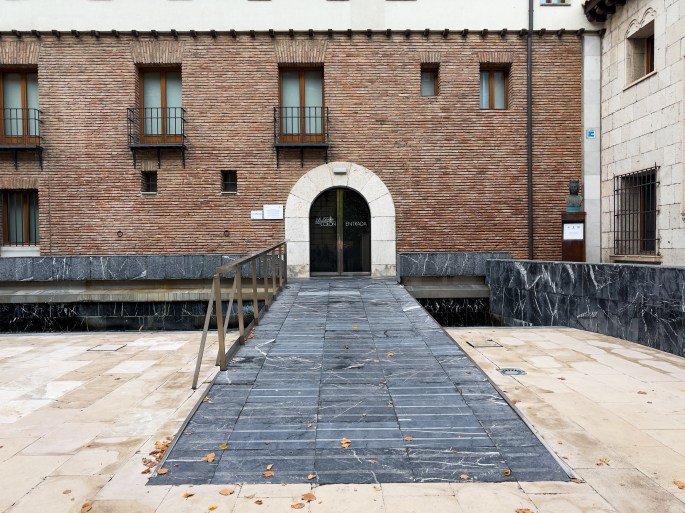
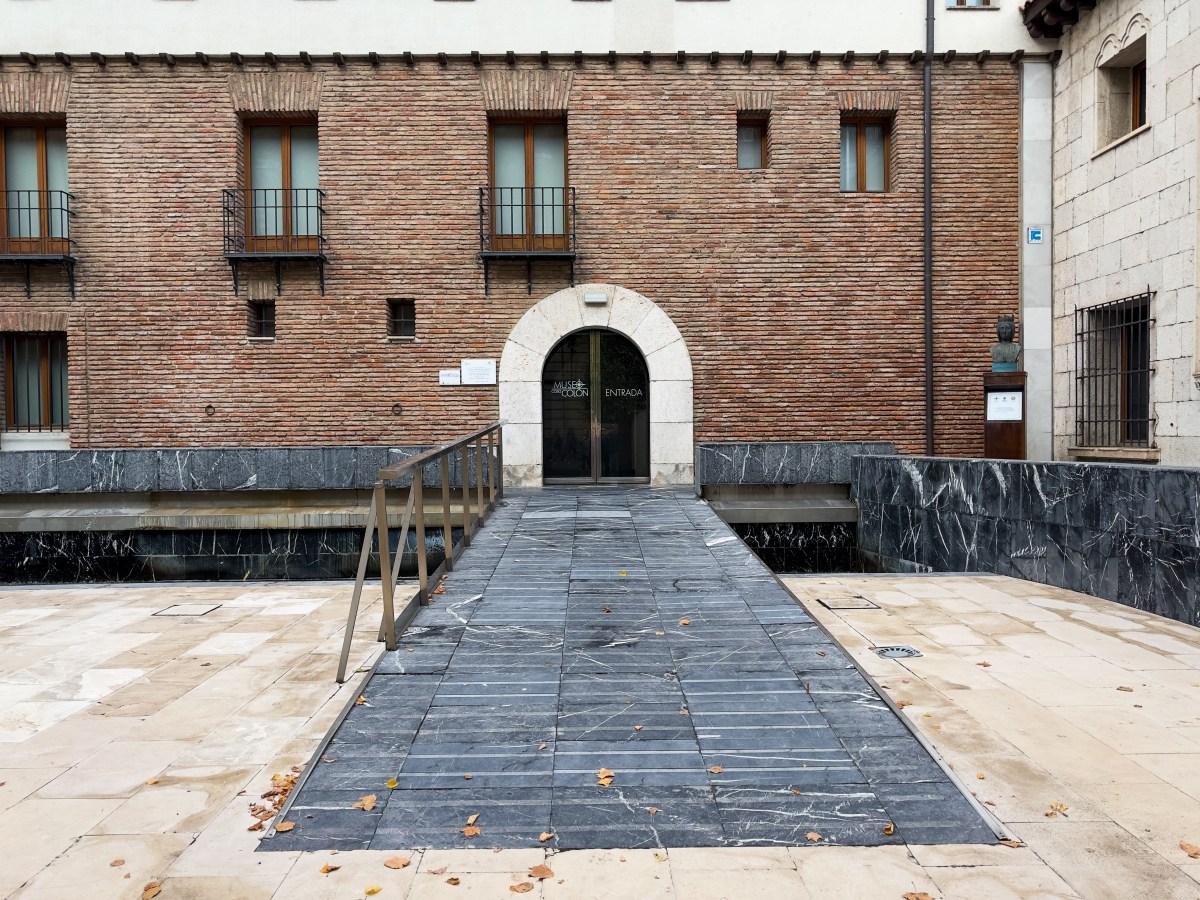
The Casa Museo Colón in Valladolid, Spain, is a museum that offers visitors a remarkable journey into the history of Christopher Columbus, one of the most influential explorers in world history.
Exhibits and Artifacts: The museum features a diverse collection of exhibits and artifacts that provide insight into Columbus’s life, his voyages, and the impact of his discoveries. You’ll have the opportunity to see replicas of navigational instruments used during his journeys, maps depicting his routes, and various items from the era.
Interactive Experience: The museum aims to engage visitors with an interactive experience. You might find touchscreens, multimedia presentations, and engaging displays that bring Columbus’s voyages to life. This interactive approach can make the history feel more relatable and engaging, especially for younger visitors.
Educational Value: Whether you’re a history enthusiast or just curious about the Age of Exploration, the Casa Museo Colón offers educational value for visitors of all ages. You’ll gain a deeper understanding of the challenges Columbus faced, the cultures he encountered, and the historical context of his expeditions.
Local Connection: The museum’s location in Valladolid, Spain, adds an extra layer of significance. Valladolid is associated with Columbus’s early life, and the museum pays homage to this connection. Exploring the city in addition to visiting the museum can provide a more comprehensive understanding of Columbus’s background.
Cultural Exploration: Beyond Columbus’s personal history, the museum provides insights into the cultures and civilizations he encountered during his journeys. This broader perspective can enrich your understanding of the interconnectedness of world history.
Photos


Other Sights
Valladolid
Valladolid, located in the heart of Spain, is a captivating city with a rich history, charming architecture, and a vibrant cultural scene that makes it an ideal destination for travelers seeking an authentic Spanish experience. Historical Heritage: As one of the oldest cities in Spain, Valladolid boasts a plethora of historical sites and landmarks. The…
Thanks for visiting! I hope you have a great trip.
-
Parroquia Santa María de la Antigua
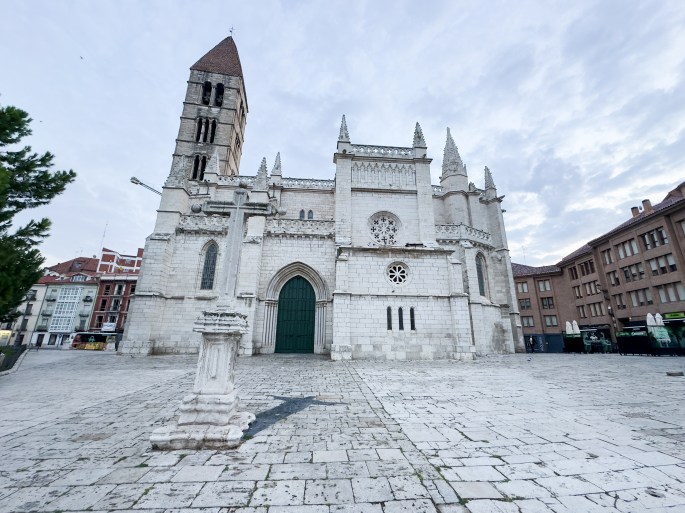
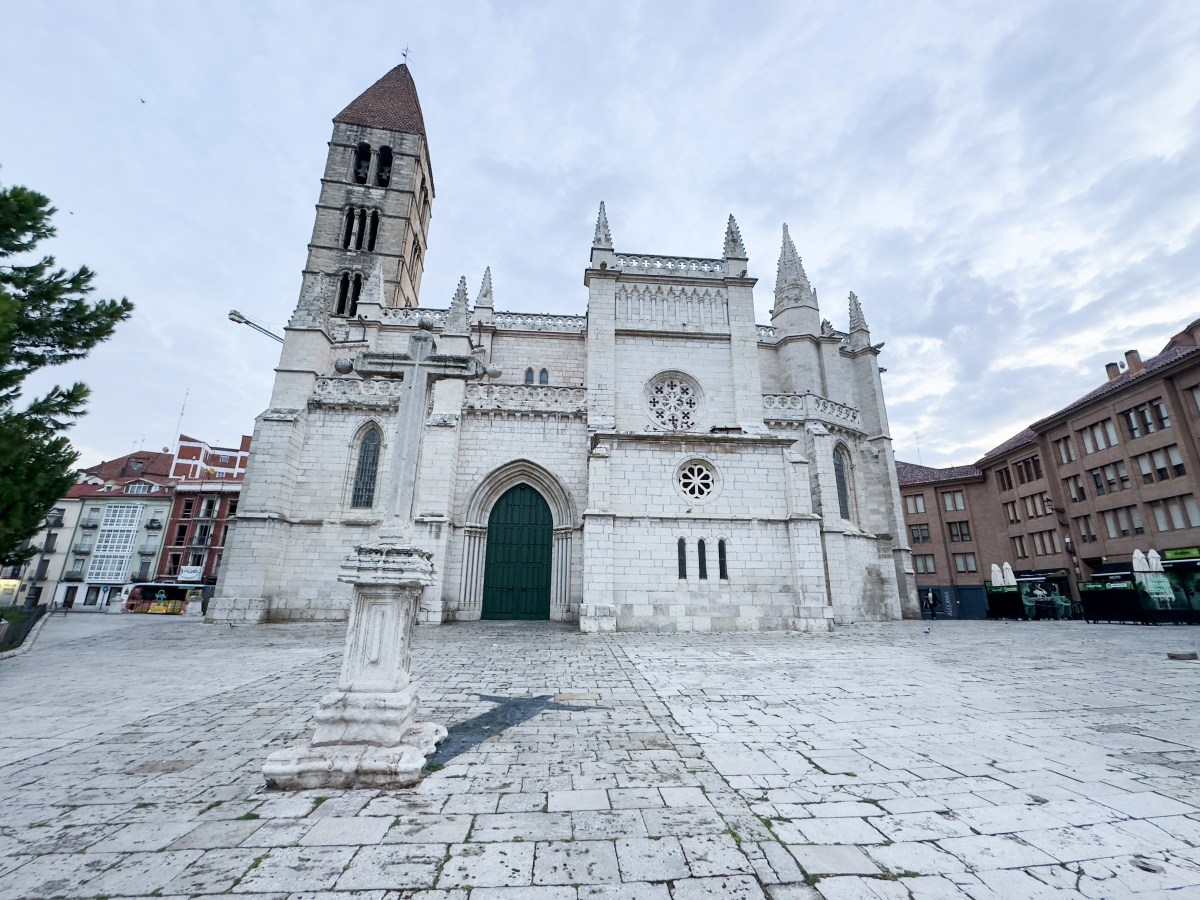
The history of the Parroquia Santa María de la Antigua dates back to the 12th century when the initial construction of the church began. However, the current structure largely represents the architectural styles from the 16th century. This period was characterized by the flourishing of Renaissance art and architecture in Spain, and the church’s design and decoration reflect the aesthetic trends of the time.
The church has witnessed significant historical events over the centuries, including the marriage of Queen Isabella I of Castile and Ferdinand II of Aragon in 1469. This event played a pivotal role in shaping Spain’s history, as it laid the foundation for the unification of the Spanish kingdoms and the subsequent exploration and expansion into the New World.
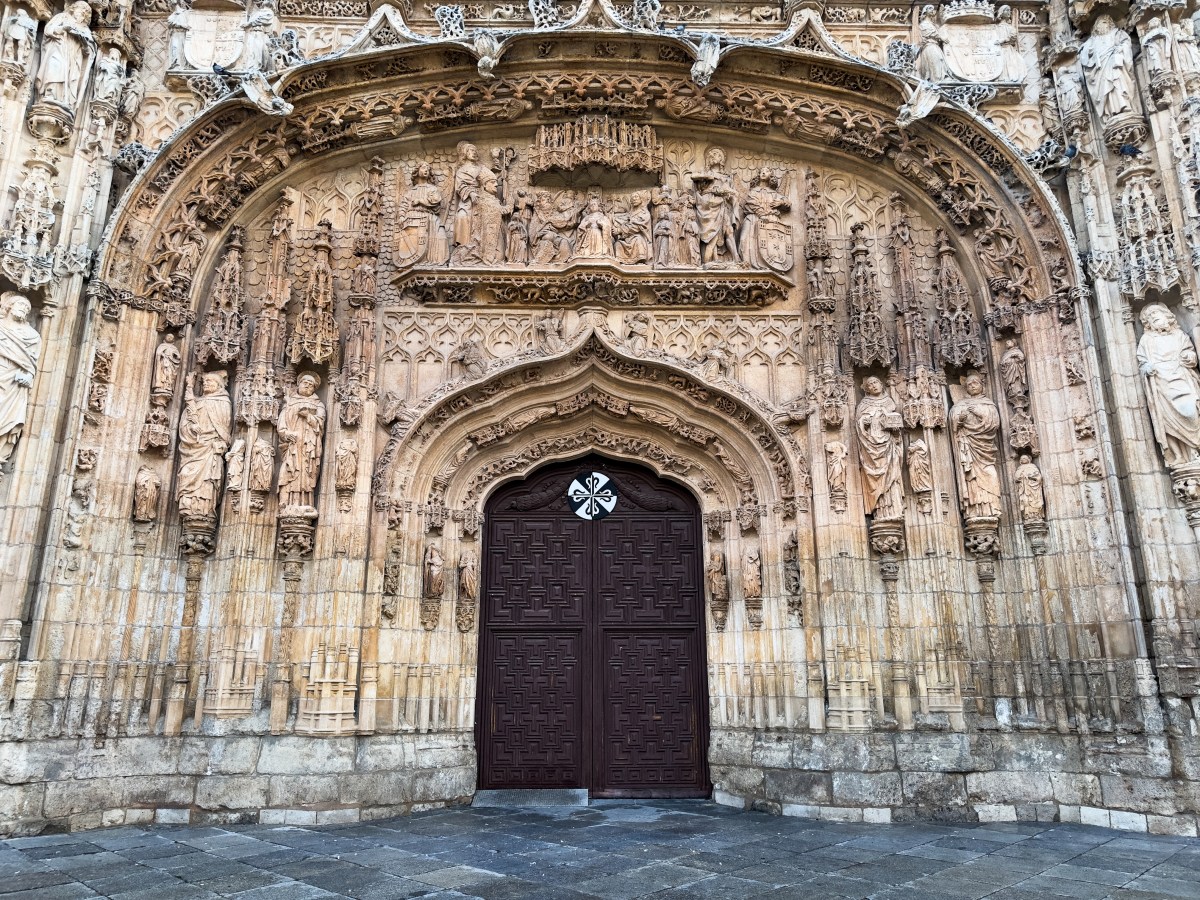
The architecture of Parroquia Santa María de la Antigua is a blend of different styles, primarily showcasing the transition from the Gothic to the Renaissance periods. As you approach the church, you’ll likely notice its impressive facade, which features intricate ornamentation and decorative elements that are characteristic of the late Gothic style.
The interior of the church is rather sparse, allowing you to appreciate the Gothic architecture on display. Soaring arches and ribbed vault ceilings showcase the stained glass windows.
Visiting the Parroquia Santa María de la Antigua provides a unique opportunity to immerse yourself in the history and architectural evolution of Valladolid. Whether you’re an enthusiast of religious art, history, or architecture, this church offers a captivating journey through the cultural tapestry of Spain’s past.
Details
C. del Arzobispo Gandasegui, s/n, 47002 Valladolid, Spain
Photos


Valladolid
Valladolid, located in the heart of Spain, is a captivating city with a rich history, charming architecture, and a vibrant cultural scene that makes it an ideal destination for travelers seeking an authentic Spanish experience. Historical Heritage: As one of the oldest cities in Spain, Valladolid boasts a plethora of historical sites and landmarks. The…
Thanks for visiting! I hope you have a great trip.
-
Parque Campo Grande
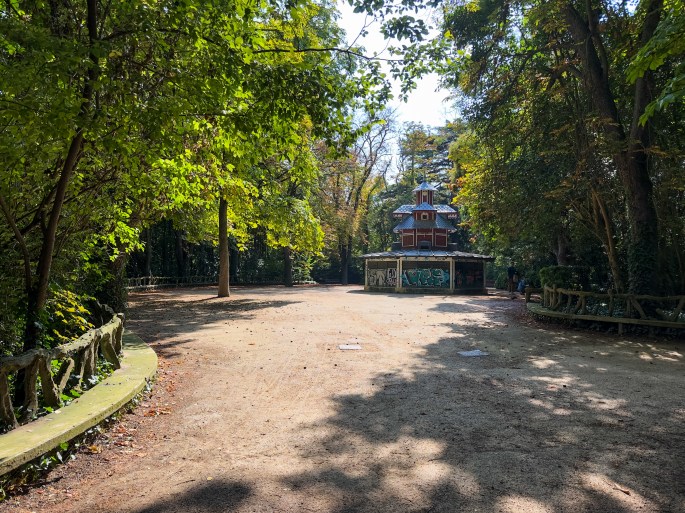
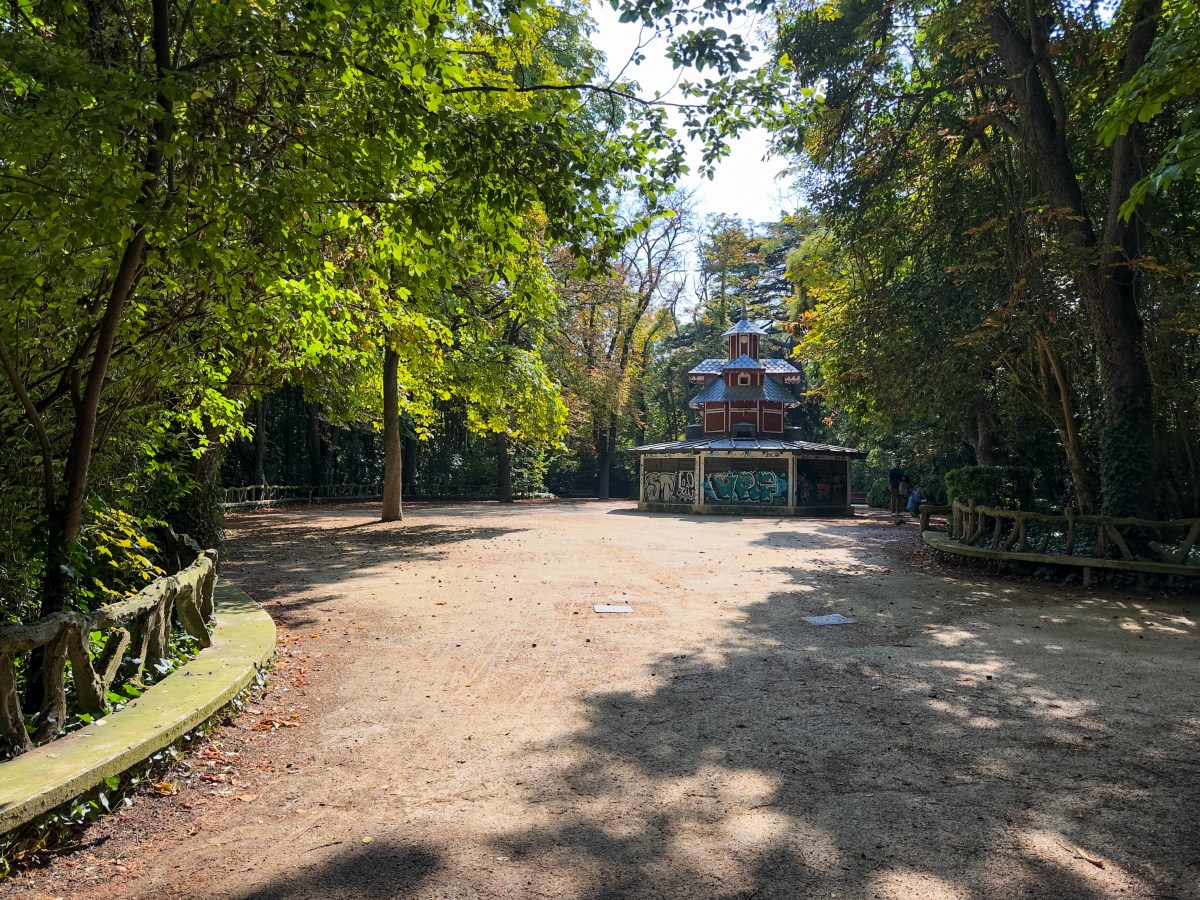
Parque Campo Grande, located in Valladolid, Spain, is a picturesque urban oasis that offers a delightful escape from the city’s bustling energy.
Lush Greenery: As you enter Parque Campo Grande, you’ll be greeted by a sprawling expanse of lush green lawns, towering trees, and vibrant flower beds. The park’s well-maintained vegetation provides a serene and refreshing environment, making it a perfect spot to relax and unwind.
Ponds and Water Features: One of the park’s highlights is its series of ponds and water features. The gentle sound of water trickling and the sight of ducks and swans gracefully gliding across the water create a soothing ambiance. These water elements also attract a variety of bird species, making it a haven for birdwatchers and nature enthusiasts.
Sculptures and Artwork: Throughout Parque Campo Grande, you’ll encounter an array of sculptures and artistic installations that add a touch of cultural enrichment to the surroundings. These sculptures range from classic to contemporary, providing a visual feast for art lovers.
Walking Paths: The park boasts well-maintained walking paths that wind through its green spaces. These paths are ideal for leisurely strolls, jogging, or simply meandering while taking in the natural beauty. Benches are strategically placed along the paths, allowing visitors to pause and enjoy the scenery.
Play Areas: If you’re visiting with children, Parque Campo Grande has designated play areas equipped with swings, slides, and other recreational facilities. These areas are designed to keep the young ones engaged and entertained, making the park a family-friendly destination.
Floral Displays: Depending on the time of year, the park showcases a variety of seasonal flowers and plants that add bursts of color to the landscape. Spring and summer are particularly enchanting periods, with vibrant blooms enhancing the park’s beauty.
Events and Festivals: Parque Campo Grande often hosts cultural events, concerts, and festivals, making it a hub of community activity. These events provide an opportunity to immerse yourself in the local culture and connect with both residents and fellow visitors.
Accessibility: The park is conveniently located within the city, making it easily accessible on foot or by public transportation. Whether you’re a local seeking a peaceful retreat or a traveler wanting to experience Valladolid’s green side, Parque Campo Grande welcomes all with open arms.
Details
P.º de Zorrilla, s/n, 47007 Valladolid, Spain
Photos


Valladolid
Valladolid, located in the heart of Spain, is a captivating city with a rich history, charming architecture, and a vibrant cultural scene that makes it an ideal destination for travelers seeking an authentic Spanish experience. Historical Heritage: As one of the oldest cities in Spain, Valladolid boasts a plethora of historical sites and landmarks. The…
Thanks for visiting! I hope you have a great trip.





















About Me
The sky is not completely dark at night. Were the sky absolutely dark, one would not be able to see the silhouette of an object against the sky.
Follow Me On
Subscribe To My Newsletter
Subscribe for new travel stories and exclusive content.
 Meticulous Meanderings
You must be logged in to post a comment.