

Hello, I’m Veronica
The sky is not completely dark at night. Were the sky absolutely dark, one would not be able to see the silhouette of an object against the sky.


-
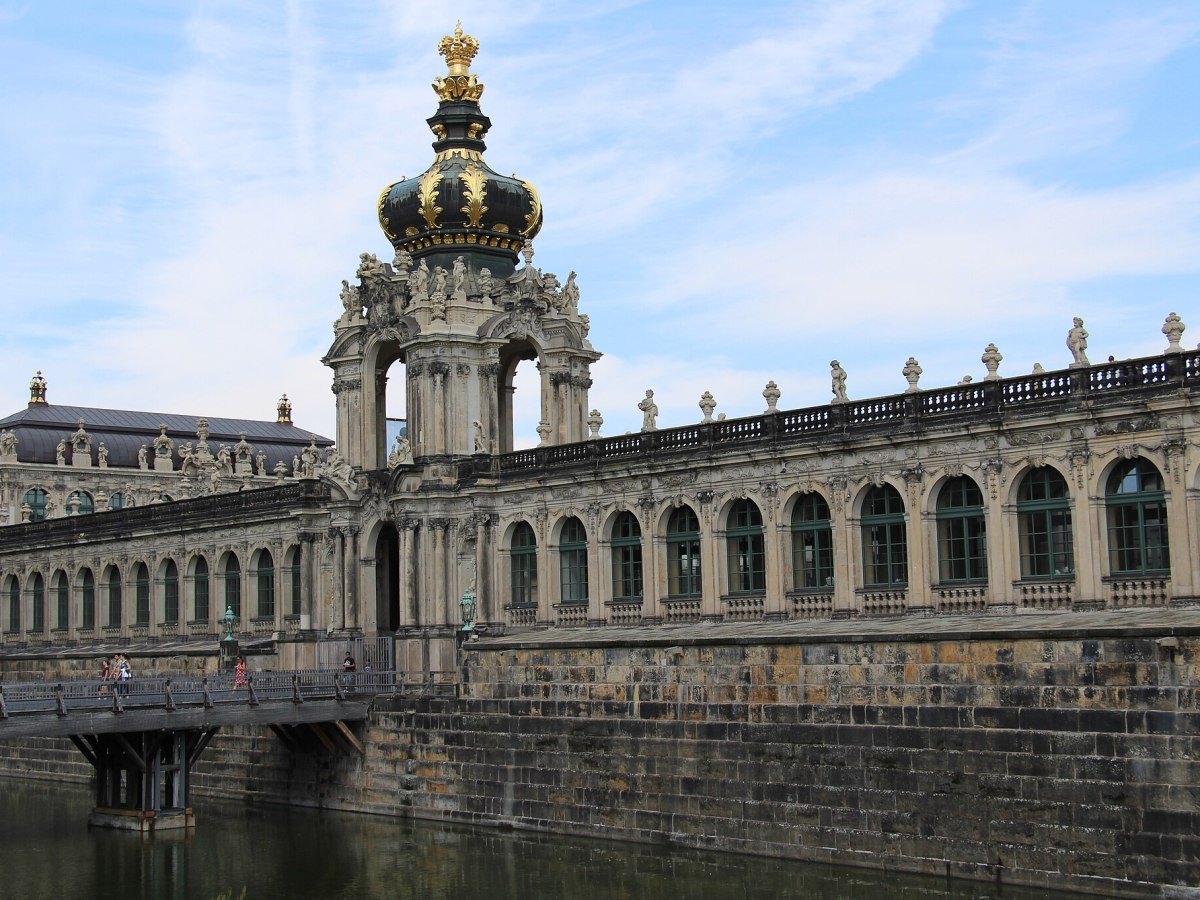
Residenzschloss

(AKA Dresden Royal Palace, Dresden Castle)
The Residenzschloss is a historic palace located in Dresden, Germany. It has a rich history dating back to the medieval times. The original palace was built around 1200 and served as the residence of the ruling Wettin dynasty, who were the electors and later kings of Saxony. Over the centuries, the palace underwent numerous expansions, reconstructions, and renovations, resulting in a unique blend of architectural styles. The palace was heavily damaged during the allied bombings in World War II and is still being reconstructed today.
The Residenzschloss’s architecture is a testament to the different periods it has witnessed. It originally started as a medieval fortress, but over time, it was transformed into a Renaissance palace with beautiful courtyards, towers, and ornate facades. One of the most notable features is the Stallhof, a large Renaissance-era courtyard that hosts various events and exhibitions. The palace also includes the Georgenbau, a Baroque wing, and the Hausmannsturm, a tower that offers panoramic views of Dresden.
Museums:
Today, the Residenzschloss is home to a collection of world-class museums that showcase a diverse range of art, history, and culture:- Green Vault (Grünes Gewölbe): This museum is renowned for its exquisite collection of precious objects, including jewelry, sculptures, decorative arts, and more. Divided into the Historic Green Vault and the New Green Vault, it showcases the opulence of the Saxon monarchs.
- Historical and New Green Vault: These museums are known for their stunning displays of intricate treasures, including ornate jewelry, gem-studded objects, and intricate carvings. The Historical Green Vault presents items from the 16th to 18th centuries, while the New Green Vault houses items from the 18th century onwards.
- Armory (Rüstkammer): The Armory museum exhibits an impressive collection of arms, armor, and ceremonial attire. It provides insight into the military and courtly history of Saxony, showcasing suits of armor, weaponry, and other artifacts.
- Turkish Chamber (Türckische Cammer): This museum focuses on the Oriental art collection, with a wide array of artifacts acquired through diplomatic contacts with the Ottoman Empire. The collection includes textiles, ceramics, arms, and other items.
- Coin Cabinet (Münzkabinett): Here, you can explore a comprehensive collection of coins, medals, and monetary history from different eras. The collection offers insights into economic and cultural developments.
Visiting the Residenzschloss allows you to delve into the history and artistry of Dresden’s past, while also enjoying the architectural marvels that have stood the test of time. Whether you’re interested in art, history, or simply appreciate stunning architecture, the Residenzschloss offers a memorable experience for visitors.
Visit Notes
We bought our ticket to the Royal Palace in advance online simply to make things easier on the day of our visit. The ticket is valid for everything but the Historic Green Vault, for that you need a separate, timed ticket. If you are planning to visit the Historic Green Vault, I do recommend buying your ticket in advance. They even have special evening hours for the Historic Green Vault.
I chose Dresden as a stop on our trip specifically for the museums, so our day at the Royal Palace was wonderful. It does take a lot of time to get through everything if you are stopping and enjoying the exhibits. It worked out well for us, as it was raining the day of our visit. I found the exhibits to be interesting and varied. Definitely worth a visit.
For those of you who enjoy taking a lot of pictures, please note that there is no photography allowed in the Historic Green Vault. You can, however, take pictures in the rest of the museum.
Details
Taschenberg 2, 01067 Dresden, Germany
Wednesday to Monday
10:00 – 18:00
Closed Tuesdays
Attraction opening days and times can change with no warning.
Always double-check information with the official website before making any plans
Photos


Dresden
Dresden, located in eastern Germany, is a city that seamlessly blends history, culture, and natural beauty. Known as the “Florence on the Elbe,” Dresden has a rich and complex history that is reflected in its stunning architecture, vibrant arts scene, and picturesque landscapes. Architectural Marvels: One of the city’s most iconic landmarks is the Dresden…
Thanks for visiting! I hope you have a great trip.
-
Georgentor

(AKA Georgenbau Gate, George’s Gate)
The Georgentor is a charming architectural gem nestled within the heart of Dresden, a city renowned for its rich history and cultural heritage. This magnificent gate stands as a tangible link to the past, providing visitors with a glimpse into the city’s historical evolution.
As you approach the Georgentor, you’ll be struck by its elegant and intricate design. The gate is a fine example of Renaissance architecture, characterized by its harmonious proportions, ornate details, and impressive craftsmanship. Built in the early 16th century, the Georgentor once served as one of the main entrances to the city, welcoming travelers and traders as they entered Dresden.
The gate is adorned with decorative elements that reflect the artistic sensibilities of the time. Intricately carved reliefs, depicting scenes from Dresden’s history and allegorical figures, adorn the façade. These carvings serve not only as decorative elements but also as a visual narrative of the city’s cultural heritage.
Visit Notes
The gate is accessible at all hours, so stop by whenever you’re in the area. I find the statues on either side of the gate to be incredibly imposing. The detail on the sculptures is impressive and worth spending some time admiring.
Details
Photos


Other Sights
Dresden
Dresden, located in eastern Germany, is a city that seamlessly blends history, culture, and natural beauty. Known as the “Florence on the Elbe,” Dresden has a rich and complex history that is reflected in its stunning architecture, vibrant arts scene, and picturesque landscapes. Architectural Marvels: One of the city’s most iconic landmarks is the Dresden…
Thanks for visiting! I hope you have a great trip.
-
Fürstenzug

(AKA Procession of Princes)
The Fürstenzug is a stunning porcelain mural that stretches along the outer wall of the Dresden Castle in the heart of the city. It is one of the largest porcelain artworks in the world, and it vividly illustrates the history of the rulers of Saxony.
The mural depicts a grand procession of rulers, nobles, and other important figures from the House of Wettin, the ruling family of Saxony. The mural begins with Conrad the Margrave, who ruled in the 12th century, and spans over 800 years of Saxon history, ending with King George of Saxony in the late 19th century.
What makes the Fürstenzug truly remarkable is that it’s made entirely of porcelain tiles. The mural was created using around 25,000 individual Meissen porcelain tiles, which were carefully painted and fired to capture intricate details. This artistic masterpiece was created in the late 19th century, specifically between 1871 and 1876, as part of the celebrations for the 800th anniversary of the House of Wettin.
However, the history of the Fürstenzug goes beyond its creation. The mural has survived significant historical events, including the bombing of Dresden during World War II, which heavily damaged the city. Remarkably, the Fürstenzug remained largely intact, a symbol of resilience and cultural heritage.
When visiting the Fürstenzug, you’ll be able to immerse yourself in the rich history of Saxony through this remarkable piece of art. The mural provides a visual narrative of the region’s rulers, their clothing, heraldry, and the evolution of their dynastic lineage. The level of detail and craftsmanship in the porcelain tiles is truly awe-inspiring.
As you explore Dresden, the Fürstenzug is a must-see attraction that not only offers a glimpse into the past but also showcases the city’s enduring artistic legacy. So, whether you’re interested in history, art, or simply want to marvel at a unique and intricate artwork, the Fürstenzug is an essential stop on your visit to Dresden.
Visit Notes
The Fürstenzug is an outdoor attraction, and therefore available at all hours. It’s easy to just quickly walk past, but take some time to really appreciate the many details in the mural. I particularly enjoyed all the different facial expressions and the intricacies of the clothing and flowers.
Details
Augustusstraße 1, 01067 Dresden, Germany
Photos


Dresden
Dresden, located in eastern Germany, is a city that seamlessly blends history, culture, and natural beauty. Known as the “Florence on the Elbe,” Dresden has a rich and complex history that is reflected in its stunning architecture, vibrant arts scene, and picturesque landscapes. Architectural Marvels: One of the city’s most iconic landmarks is the Dresden…
Thanks for visiting! I hope you have a great trip.
-
Museu Nacional de Arte Antiga

The Museu Nacional de Arte Antiga (National Museum of Ancient Art) in Lisbon, Portugal, is a cultural institution that offers a journey through the rich artistic heritage of Portugal and beyond. Nestled within a historic 17th-century palace overlooking the Tagus River, this museum is a treasure trove of art and history that promises a truly immersive and enlightening experience for visitors.
As you step through the museum’s elegant entrance, you’ll be greeted by an impressive collection that spans several centuries and encompasses various artistic styles. The museum’s main focus is on European art from the 12th to the 19th centuries, offering a comprehensive overview of Portugal’s artistic evolution and its connections with other cultures and nations.
One of the museum’s highlights is its collection of Portuguese paintings, which showcase the nation’s artistic prowess from the Middle Ages to the Romantic period. These masterpieces provide insights into Portugal’s history, religion, and society through the eyes of its artists. You’ll encounter works by renowned painters such as Nuno Gonçalves, Grão Vasco, and Josefa de Óbidos, among others, each capturing the essence of their respective eras.
Beyond Portuguese art, the museum’s diverse collection includes Flemish, Italian, and Spanish masterpieces, offering a broader perspective on European art history. Paintings, sculptures, decorative arts, textiles, and precious objects are all thoughtfully displayed, allowing you to appreciate the intricate details and craftsmanship of each piece.
The thematic arrangement of the museum’s galleries enhances the overall experience. You might explore rooms dedicated to religious art, royal patronage, explorations and discoveries, and even a separate section for Asian art, showcasing Portugal’s historical ties with the East.
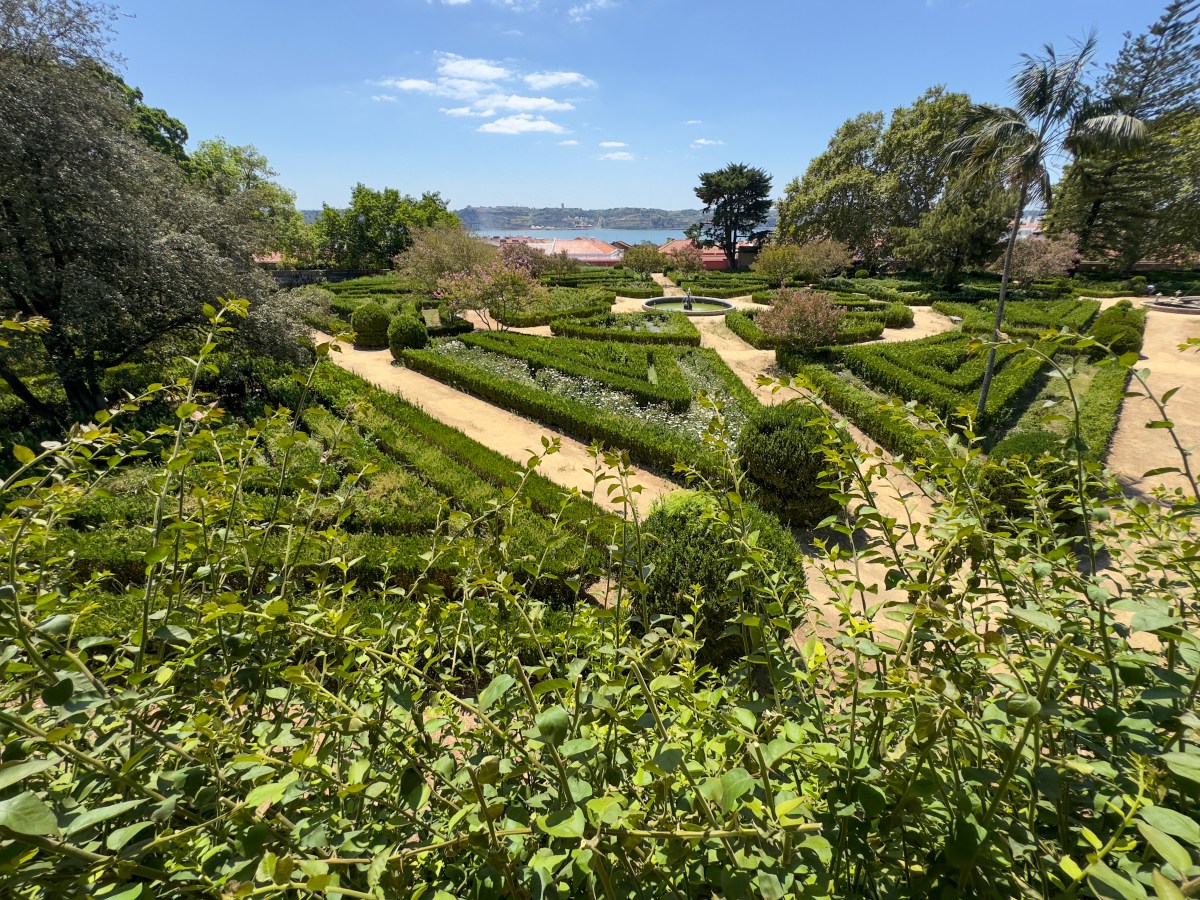
The Museu Nacional de Arte Antiga’s splendid location is an additional allure. The palace itself is a testament to Portuguese architectural splendor, surrounded by serene gardens that provide a tranquil space for reflection and relaxation. The museum’s proximity to the riverfront offers stunning vistas of the Tagus River and the cityscape, adding to the enchantment of your visit.
Photos


Other Sights
Lisbon
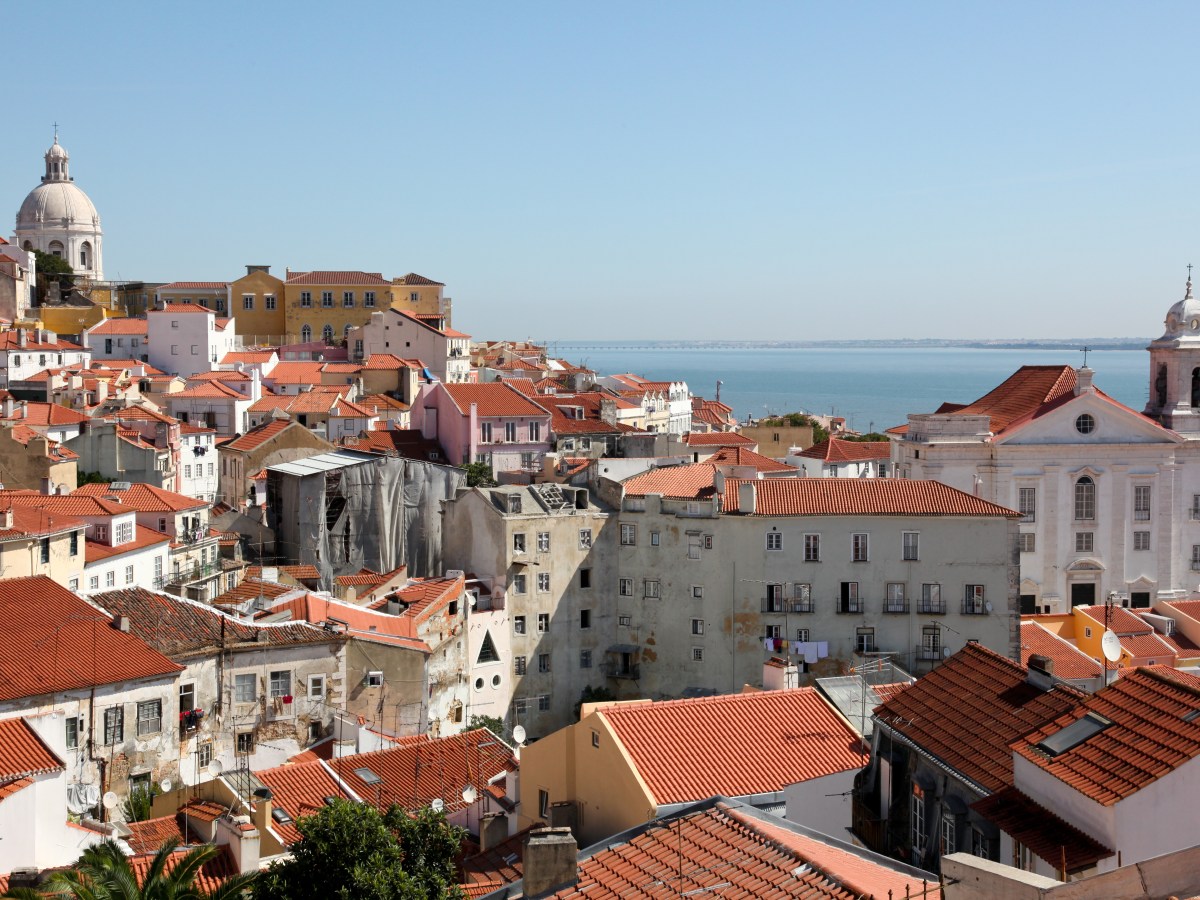
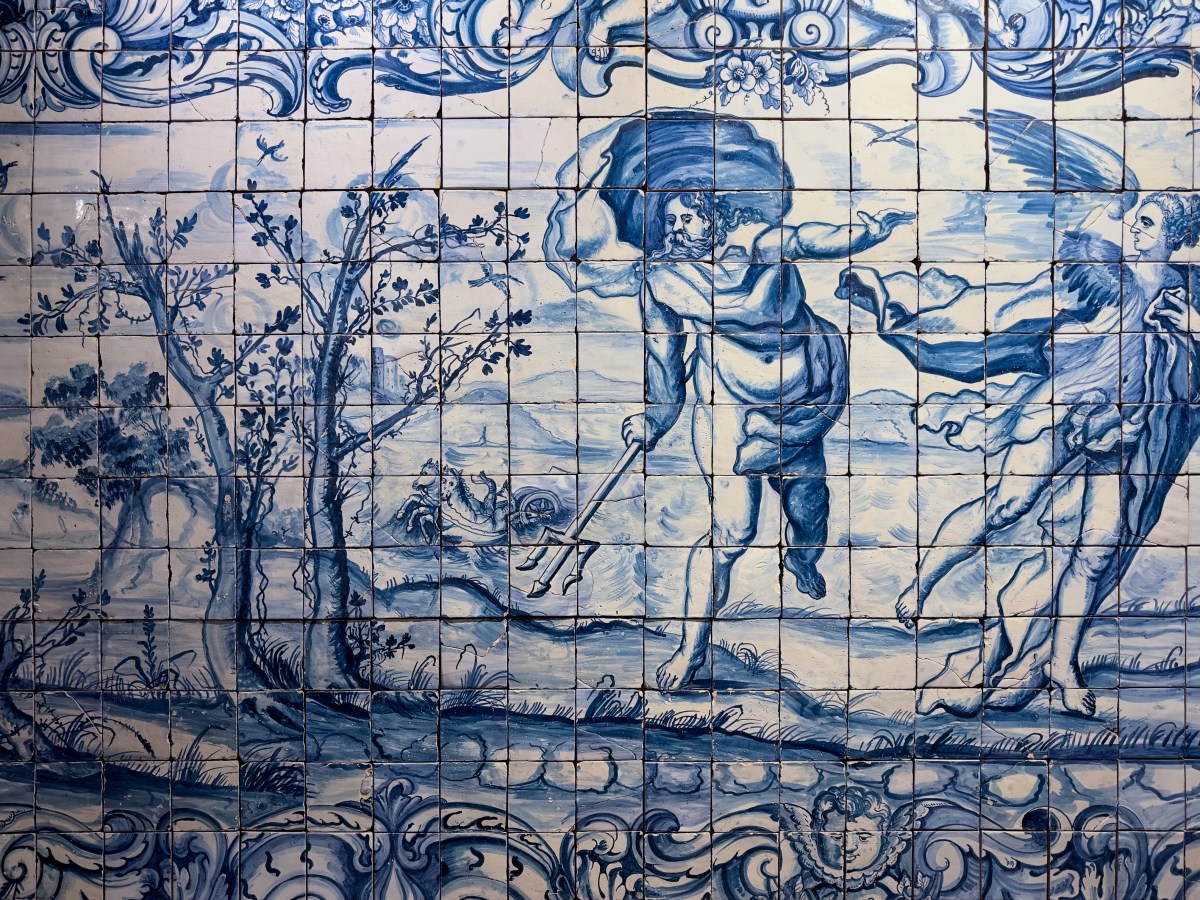
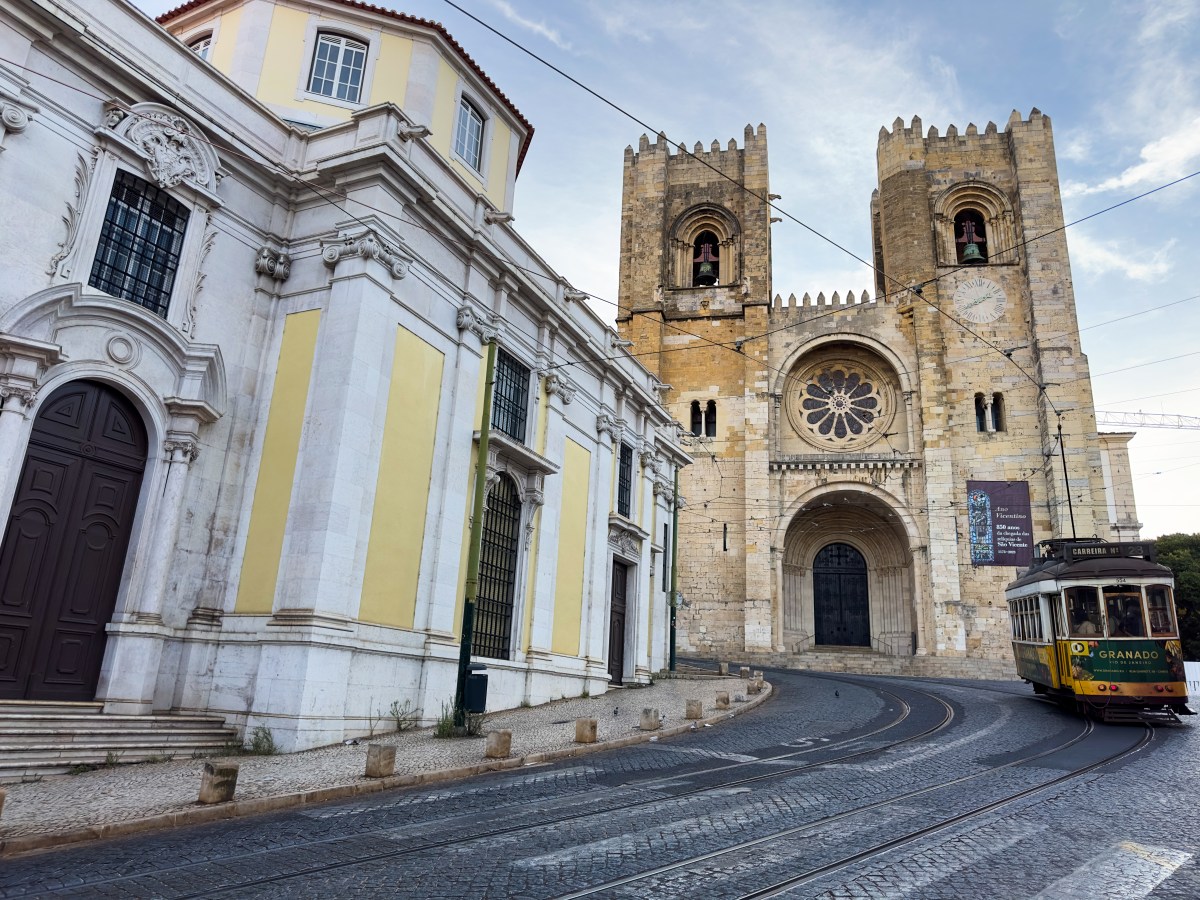
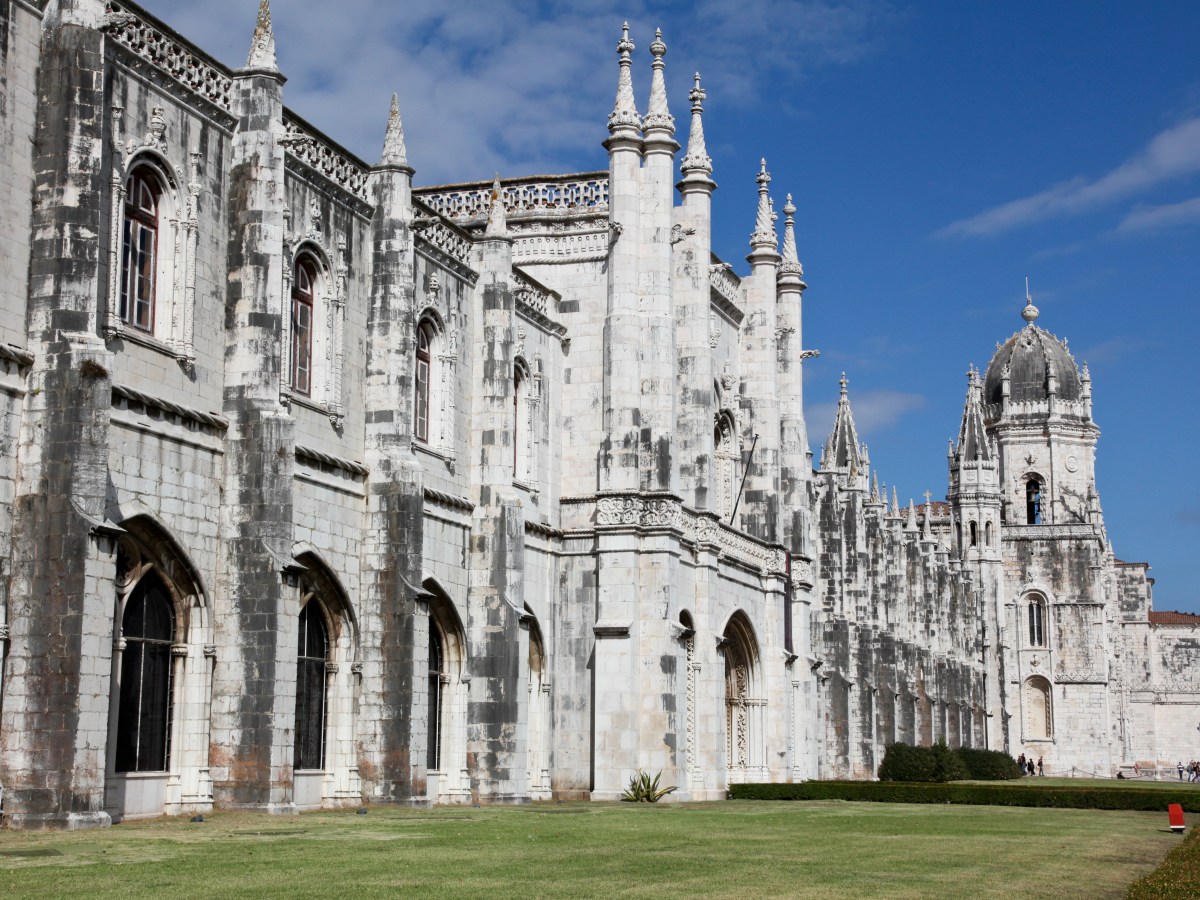
Lisbon, the capital city of Portugal, is a vibrant and enchanting destination that effortlessly blends rich history with a modern, cosmopolitan vibe. Nestled along the scenic banks of the Tagus River, Lisbon boasts a captivating cityscape adorned with colorful tiled buildings, cobblestone streets, and an array of architectural gems. The city’s historic district, known as…
Thanks for visiting! I hope you have a great trip.
-
Museu da Marioneta

The Museu da Marioneta, located in Lisbon, Portugal, is a unique destination that offers an enchanting journey into the world of puppetry and marionettes.
The museum is dedicated to the art of puppetry, showcasing an extensive collection of marionettes, puppets, and other theatrical objects from various cultures and traditions. As you step inside, you’ll be greeted by a world of imagination and creativity, where these intricate and expressive figures come to life.
The museum’s exhibits are thoughtfully arranged to take you on a chronological and thematic exploration of puppetry. You’ll have the opportunity to see puppets from different time periods, regions, and artistic styles. From traditional string puppets to contemporary puppetry forms, you’ll gain a deep appreciation for the diversity and evolution of this art form.
One of the highlights of the Museu da Marioneta is its attention to detail. Each puppet on display is a work of art, meticulously crafted with exquisite costumes, intricate features, and expressive movements. Some puppets are famous characters from well-known puppet shows and performances, while others are representations of cultural or historical figures.
The museum doesn’t just focus on the puppets themselves; it also delves into the behind-the-scenes world of puppetry. You’ll learn about the craftsmanship that goes into creating these intricate figures, the techniques used to manipulate them, and the stories behind their performances. Interactive displays and multimedia presentations enhance the learning experience, allowing you to understand the mechanics and magic of puppetry.
Photos


Lisbon
Lisbon, the capital city of Portugal, is a vibrant and enchanting destination that effortlessly blends rich history with a modern, cosmopolitan vibe. Nestled along the scenic banks of the Tagus River, Lisbon boasts a captivating cityscape adorned with colorful tiled buildings, cobblestone streets, and an array of architectural gems. The city’s historic district, known as…
Thanks for visiting! I hope you have a great trip.
























About Me
The sky is not completely dark at night. Were the sky absolutely dark, one would not be able to see the silhouette of an object against the sky.
Follow Me On
Subscribe To My Newsletter
Subscribe for new travel stories and exclusive content.
 Meticulous Meanderings
You must be logged in to post a comment.