Hello, I’m Veronica
The sky is not completely dark at night. Were the sky absolutely dark, one would not be able to see the silhouette of an object against the sky.


-
San Gil Abad

San Gil Abad is a historic church located in Burgos, Spain, which is known for its architectural beauty and cultural significance.
San Gil Abad dates back to the 13th century and holds a rich historical legacy. It was constructed during the medieval period, a time when Burgos flourished as an important religious and commercial center in Spain. The church was dedicated to Saint Giles (San Gil Abad in Spanish), a popular saint in the Middle Ages.
The architectural style of San Gil Abad is primarily Gothic, reflecting the dominant style of the period. However, it also showcases elements of Renaissance and Baroque influences due to later modifications and additions. The exterior of the church is characterized by its impressive proportions.
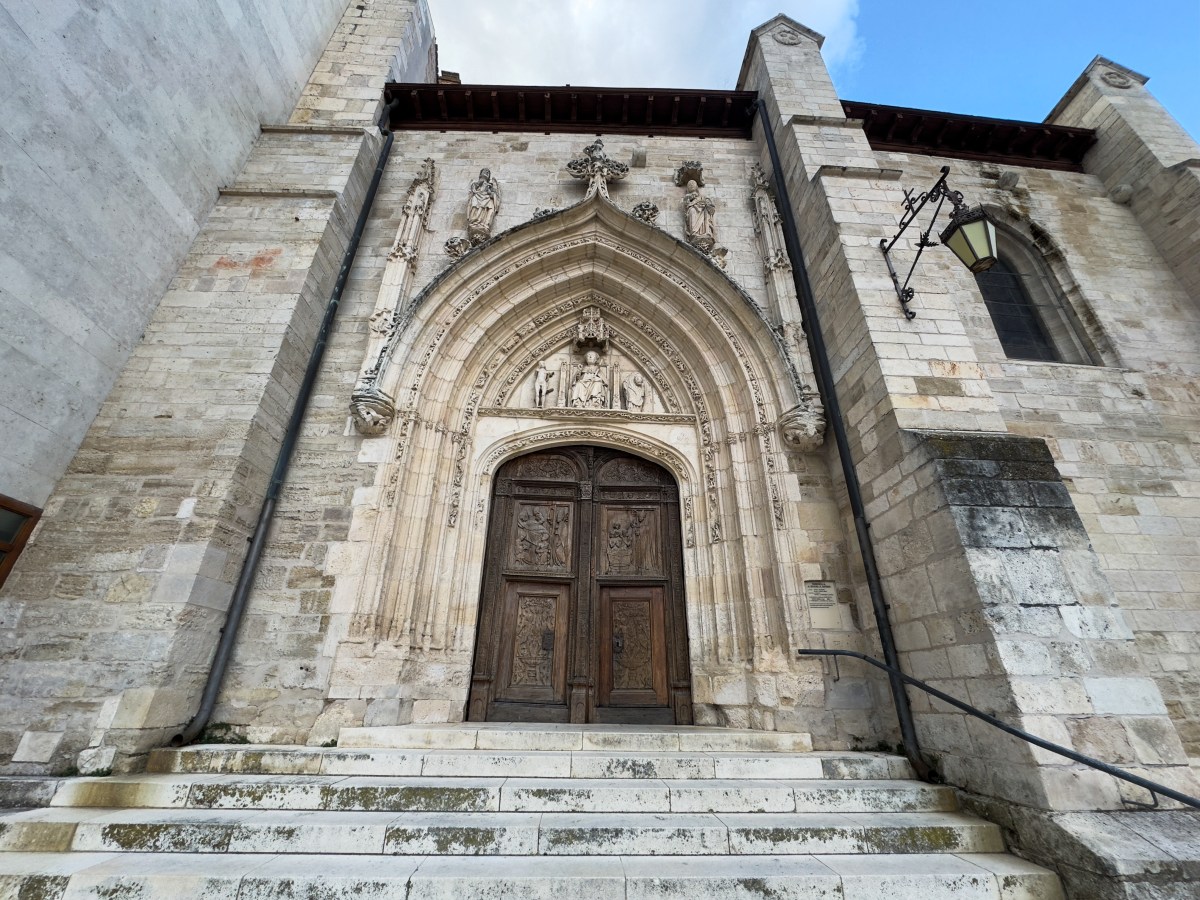
Facade: The main entrance features an intricately carved stone facade with ornate details. It is adorned with sculptures depicting biblical scenes, saints, and other religious motifs, showcasing the exquisite craftsmanship of the time. The facade is a notable example of the late Gothic style.
Nave: The interior of San Gil Abad is characterized by a spacious and imposing nave, typical of Gothic architecture. The high pointed arches and ribbed vaults create a sense of verticality and elegance. The nave is illuminated by tall stained glass windows that allow colorful light to filter into the space, adding to its ethereal beauty.
Altarpiece: One of the highlights of the church is its stunning altarpiece, a magnificent example of Baroque artistry. The altarpiece is dedicated to Saint Giles and features intricate wood carvings, gilded details, and paintings. It is a masterpiece of craftsmanship and a focal point within the church.
Chapels: San Gil Abad contains several chapels, each with its unique architectural features and artistic elements. These chapels, dedicated to various saints and religious figures, house sculptures, paintings, and other religious artifacts. They provide a more intimate and contemplative space within the grandeur of the church.
A visit to San Gil Abad offers a journey through the history and architectural styles of Burgos. As you explore the church, take the time to appreciate the intricate details of the facade, the soaring heights of the nave, and the beauty of the altarpiece. The tranquil ambiance and spiritual atmosphere of the church provide a serene environment for reflection and contemplation.
Photos


Nearby Sights
Casa del Cordón
Casa del Cordón, meaning House of the Cord, was built in the 15th century by the Constables of Castile. Christopher Columbus was greeted here on…
Burgos
Bugos, Spain is a captivating city that should be high on your list if you’re considering a visit. Located in the northern region of Castile and León, Bugos boasts a rich history, stunning architecture, and a vibrant cultural scene that will surely leave you enchanted. One of the city’s main attractions is its historic quarter,…
Thanks for visiting! I hope you have a great trip.
-
Iglesia de San Esteban – Museo del Retablo

The Iglesia de San Esteban is a remarkable religious site located in the city of Burgos, Spain. Its rich history and stunning architectural features make it a must-visit destination for art and history enthusiasts.
The church has a long and intriguing history that dates back to the 13th century. It was originally built as a Romanesque-style temple in the 13th century, but it underwent significant modifications and expansions in the following centuries. The most notable renovation occurred during the 15th century when the church was transformed into a Gothic-style building. This transformation resulted in the impressive architectural elements that can still be admired today.
One of the most outstanding features of the Iglesia de San Esteban is its stunning collection of religious artifacts, particularly retables. Many churches in the parish have closed due to population decline, so the Iglesia de San Esteban was chosen as a museum to house the important religious artwork from the shuttered churches.
The artwork showcased in the church-museum are masterpieces created by renowned artists from the Burgos school of art, such as Felipe Vigarny, Simon de Colonia, and Diego de la Cruz. They exhibit exquisite craftsmanship, vibrant colors, and intricate details that reflect the artistic and cultural heritage of the region.
As you enter the Iglesia de San Esteban, you’ll be greeted by an interior characterized by soaring Gothic arches, delicate stone tracery, and a sense of grandeur. The church’s impressive size and architectural design create a serene and spiritual atmosphere, making it an ideal place for contemplation and reflection.
The Museo del Retablo offers visitors a unique opportunity to immerse themselves in the rich artistic traditions of Burgos. Exploring the collection of religious artwork allows you to witness the evolution of artistic styles and techniques across different periods. The museum provides insightful information and context about the artworks, enhancing the overall experience.
Photos


Nearby Sights
Mirador del Castillo
To reach the Mirador del Castillo, you’ll embark on a short and fairly steep, but enjoyable uphill stroll. The location provides an unobstructed view of…
Burgos Cathedral
The Burgos Cathedral, located in the charming city of Burgos, Spain, is an architectural masterpiece and a true gem of Gothic art. If you’re considering…
Other Sights
Burgos
Bugos, Spain is a captivating city that should be high on your list if you’re considering a visit. Located in the northern region of Castile and León, Bugos boasts a rich history, stunning architecture, and a vibrant cultural scene that will surely leave you enchanted. One of the city’s main attractions is its historic quarter,…
Thanks for visiting! I hope you have a great trip.
-
Gigantillos y Gigantones Statue
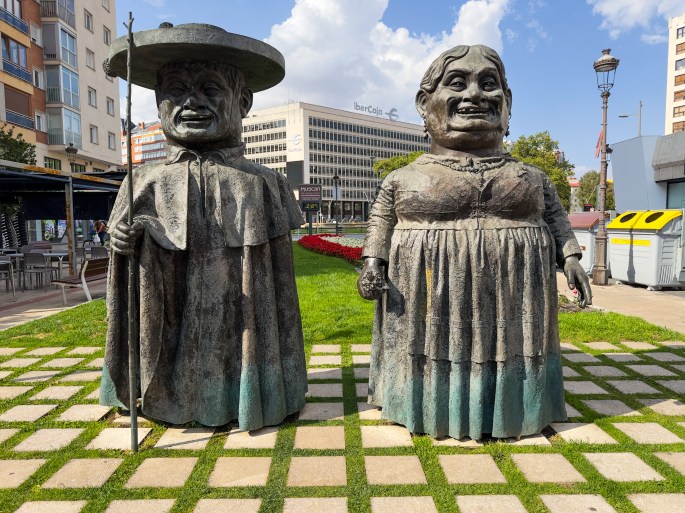
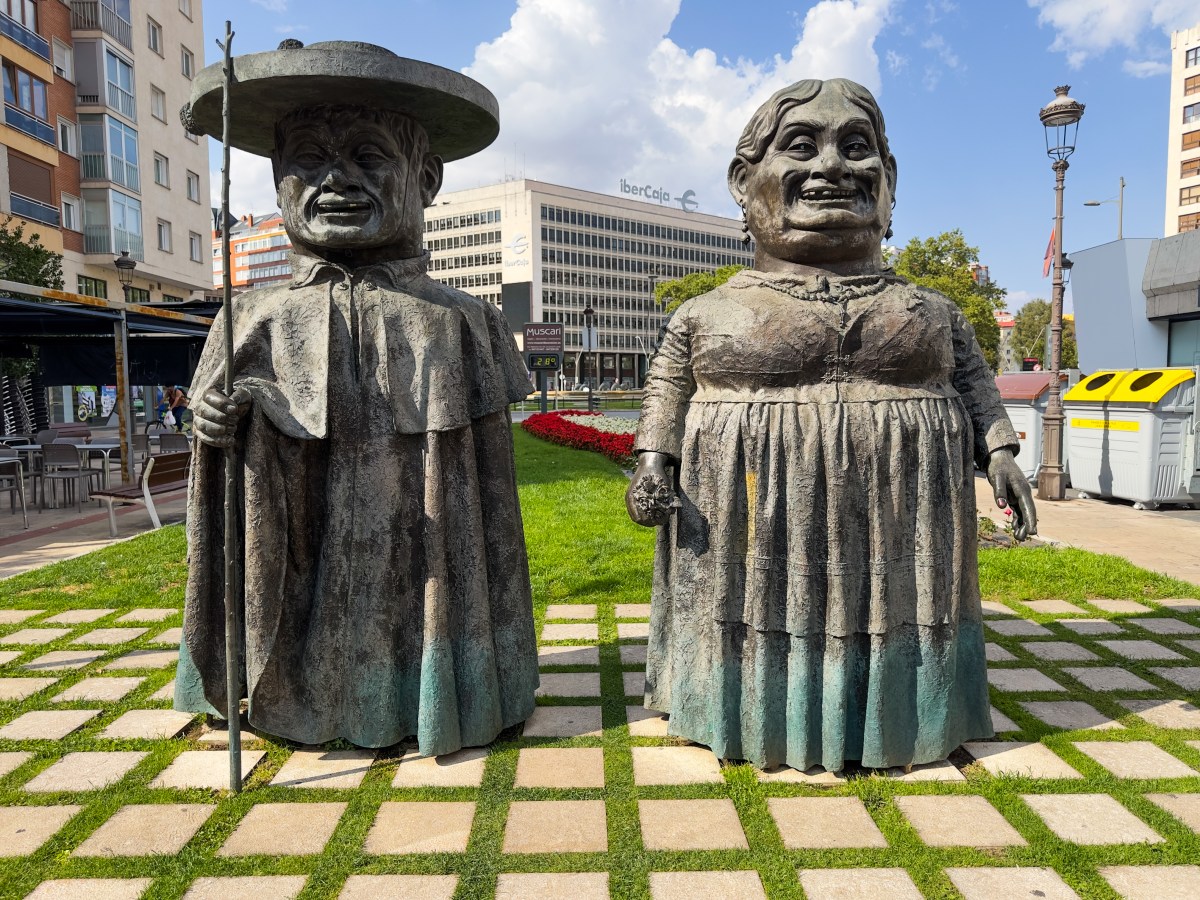
The Gigantillos y Gigantones statues in Burgos, Spain, are a captivating homage to the city’s vibrant folklore and festive traditions. Located on Calle de Hortelanos, these life-sized bronze sculptures depict two beloved figures known as the “Alcalde” (Mayor) and “Alcaldesa” (Mayoress), who are central to Burgos’ annual festivals. Created by artist Teodoro Ruiz and unveiled in March 2010, the statues celebrate the tradition of the Gigantillos—characters that dance through the streets during local celebrations, accompanied by the sounds of whistles and tambourines.
The Gigantillos, along with the larger Gigantones, have been integral to Burgos’ cultural festivities for centuries, embodying the spirit and vibrancy of the region’s traditions. These figures are especially prominent during the city’s major celebrations, where they parade and dance, adding color and excitement to the festivities.
Visiting the statues offers a unique glimpse into Burgos’ rich cultural heritage. The sculptures’ expressive features and traditional attire provide insight into the city’s historical celebrations. Situated in a scenic area, the statues are easily accessible and make for a delightful stop during a leisurely walk through the city. Whether you’re a history enthusiast, an art lover, or simply exploring Burgos, the Gigantillos y Gigantones statues are a must-see attraction that encapsulates the city’s festive spirit.
Details
C. Hortelanos, 10, 09003 Burgos, Spain
Photos


Nearby Sights
Monasterio de San Juan
The Monasterio de San Juan is a historical site located in the old town of Burgos, Spain. Situated on Plaza San Juan, this monastery holds…
Casa del Cordón
Casa del Cordón, meaning House of the Cord, was built in the 15th century by the Constables of Castile. Christopher Columbus was greeted here on…
Burgos
Bugos, Spain is a captivating city that should be high on your list if you’re considering a visit. Located in the northern region of Castile and León, Bugos boasts a rich history, stunning architecture, and a vibrant cultural scene that will surely leave you enchanted. One of the city’s main attractions is its historic quarter,…
Thanks for visiting! I hope you have a great trip.
-
Monasterio de San Juan
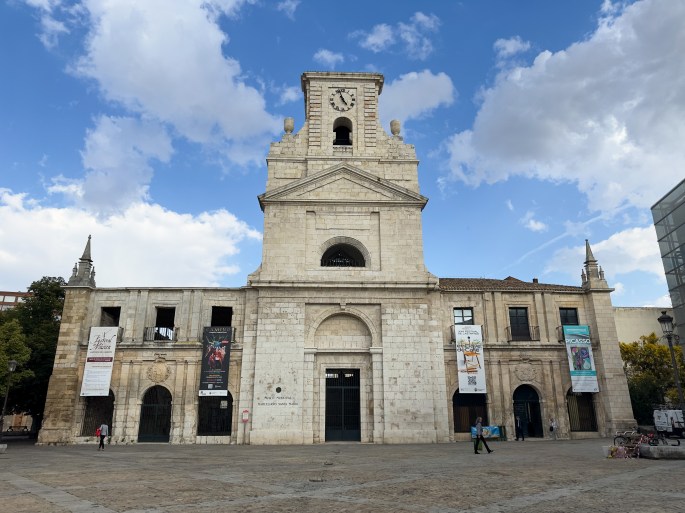
The Monasterio de San Juan is a historical site located in the old town of Burgos, Spain. Situated on Plaza San Juan, this monastery holds a rich history dating back several centuries.
The origins of the Monasterio de San Juan can be traced back to the 12th century. It was founded by King Alfonso VIII of Castile and his wife, Queen Eleanor, in 1187. The purpose of its establishment was to serve as a hospital and refuge for pilgrims making their way along the renowned Camino de Santiago, a pilgrimage route that passes through Burgos.
Over the centuries, the monastery underwent several transformations and expansions. In the 14th century, the original hospital was replaced with a Gothic church, characterized by its stunning architecture and intricate details. The church features an impressive rose window and a beautiful portal, showcasing the artistic and architectural styles of the period.
During the 16th century, the Monasterio de San Juan went through further renovations, reflecting the prevailing Renaissance architectural style of the time. The cloister was rebuilt, and the main altarpiece was added, depicting scenes from the life of Saint John the Baptist, the monastery’s patron saint.
One of the most significant events in the history of the monastery occurred in 1835. During the Spanish Confiscation, a period when the government seized monastic properties, the Monasterio de San Juan was abandoned and left in a state of disrepair. It remained neglected for several decades until 1943, when it was declared a National Monument and subsequently underwent extensive restoration work.
Today, the Monasterio de San Juan stands as a magnificent example of medieval and Renaissance architecture. It has been converted into a cultural space, housing various exhibitions, events, and concerts. Visitors can explore its elegant cloister, admire the stunning interior of the church, and appreciate the serene atmosphere that permeates the monastery.
Furthermore, the Monasterio de San Juan is strategically located in the heart of Burgos’ old town, a UNESCO World Heritage site. Its proximity to other notable landmarks, such as the Burgos Cathedral and the Cartuja de Miraflores, makes it an ideal starting point for discovering the city’s historical treasures.
Interesting information about the Roof protecting the Monastery
If you want to know more about the modern roof protecting the monastery, this article is a good place to learn more.
Photos


Nearby Sights
Gigantillos y Gigantones Statue
The Gigantillos y Gigantones statues in Burgos, Spain, are a captivating homage to the city’s vibrant folklore and festive traditions. Located on Calle de Hortelanos,…
Burgos
Bugos, Spain is a captivating city that should be high on your list if you’re considering a visit. Located in the northern region of Castile and León, Bugos boasts a rich history, stunning architecture, and a vibrant cultural scene that will surely leave you enchanted. One of the city’s main attractions is its historic quarter,…
Thanks for visiting! I hope you have a great trip.
-
Plaza Mío Cid

Plaza Mío Cid, located in the beautiful city of Burgos, Spain, is a vibrant and historic square that exudes charm and character. Named after the legendary Spanish hero El Cid Campeador, this plaza holds great significance in the city’s rich history.
The most prominent feature of the plaza is the impressive statue of El Cid Campeador mounted on his horse. This monument pays tribute to the legendary knight, who played a significant role in Spanish history. It serves as a popular meeting point and a symbol of Burgos’ historical heritage.
The plaza is a perfect starting point for exploring Burgos’ historic center. From here, you can wander through the enchanting medieval streets, lined with charming shops and boutiques. Don’t miss the opportunity to visit the nearby Burgos Cathedral, a UNESCO World Heritage Site known for its Gothic architecture and breathtaking beauty.
Details
Photos

Nearby Sights
Casa del Cordón
Casa del Cordón, meaning House of the Cord, was built in the 15th century by the Constables of Castile. Christopher Columbus was greeted here on…
Paseo del Espolón
Paseo del Espolón is a promenade located in the city of Burgos, Spain. As you approach Paseo del Espolón, you’ll be welcomed by a vibrant…
Burgos
Bugos, Spain is a captivating city that should be high on your list if you’re considering a visit. Located in the northern region of Castile and León, Bugos boasts a rich history, stunning architecture, and a vibrant cultural scene that will surely leave you enchanted. One of the city’s main attractions is its historic quarter,…
Thanks for visiting! I hope you have a great trip.







About Me
The sky is not completely dark at night. Were the sky absolutely dark, one would not be able to see the silhouette of an object against the sky.
Follow Me On
Subscribe To My Newsletter
Subscribe for new travel stories and exclusive content.
 Meticulous Meanderings
You must be logged in to post a comment.