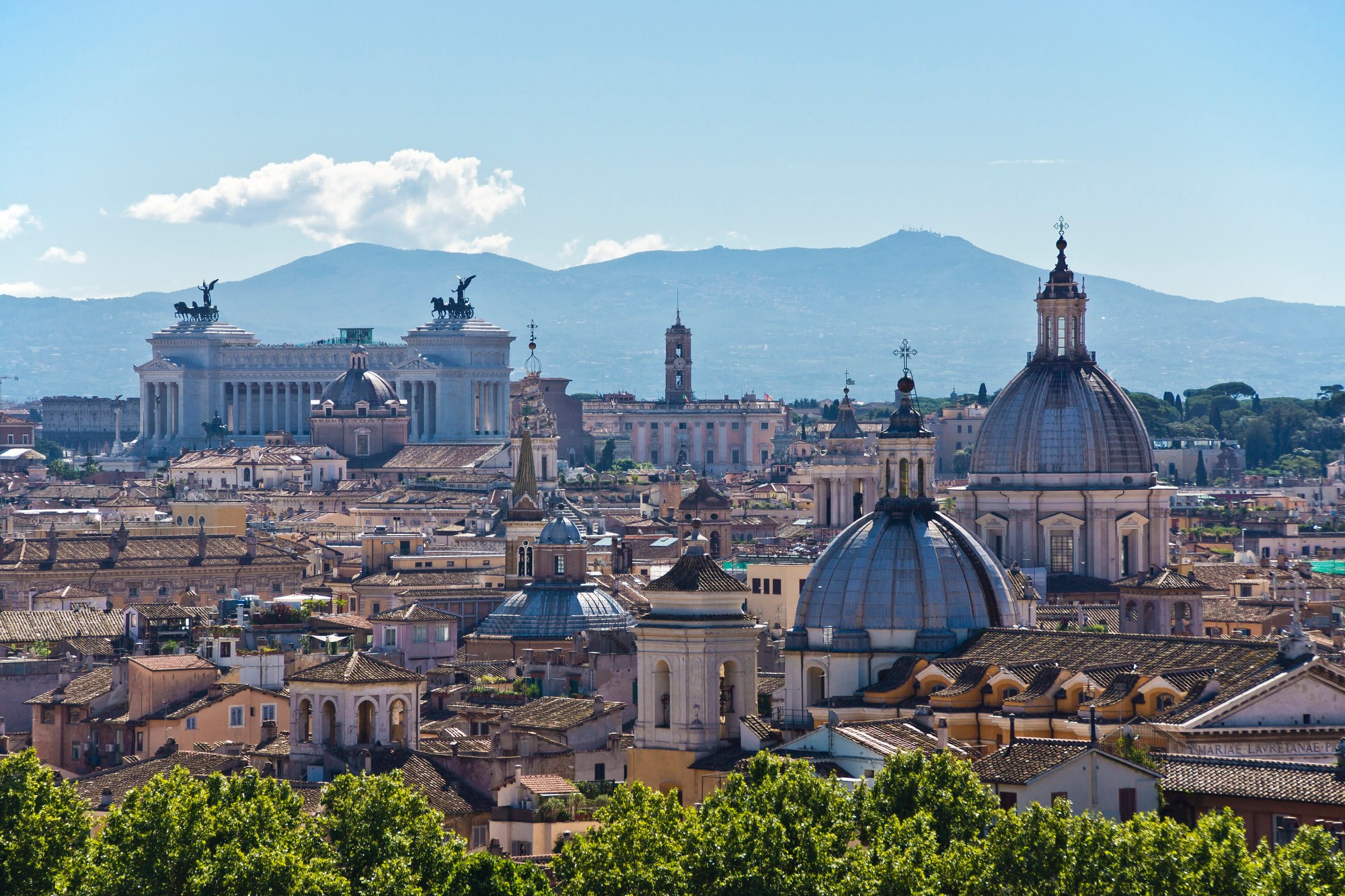
Rome’s museum scene is huge and gloriously varied — think blockbuster institutions where you’ll likely spend most of a day, plus countless smaller spots that reward slow, curious wandering. At the top of most lists are the Vatican Museums (Sistine Chapel and Raphael Rooms), the Galleria Borghese (Bernini and Caravaggio in a lush villa setting; reservations recommended), and the Capitoline Museums and National Roman Museum (Palazzo Massimo, Palazzo Altemps, Baths of Diocletian) for the best single-city surveys of ancient sculpture, frescoes and imperial antiquities. These places pack in masterpieces and crowds, so book ahead for the Borghese and Vatican and arrive early at the big archaeological sites.
If you want something different, Rome excels at unlikely pairings and atmospheric reuses: Centrale Montemartini displays classical statuary amid a converted power plant’s turbines, an unforgettable contrast of marble and machinery; Palazzo Altemps offers a quiet, refined setting for Greek and Roman sculpture just off Piazza Navona. The Galleria Nazionale d’Arte Moderna and MAXXI (Zaha Hadid’s contemporary art museum) show Italy’s later and contemporary currents, while Palazzo Barberini and Doria Pamphilj present superb Baroque and Renaissance painting in richly decorated palaces.
For intimate, offbeat experiences, try the Keats–Shelley House near the Spanish Steps, the eerie Museo delle Anime del Purgatorio in a riverside church, or the Museo delle Mura for a walk through Rome’s defensive walls with related exhibits. Villa Farnesina and Villa Giulia (the National Etruscan Museum) are quieter gems for Renaissance frescoes and pre‑Roman art respectively, and small house-museums — Villa Torlonia, Casa di Goethe, or the Museo Napoleonico — offer focused narratives in atmospheric historic homes.
Practical tip: balance the must-sees with these calmer spots to avoid museum fatigue — alternate a heavy day (Vatican or Borghese) with a lighter, specialized visit (Palazzo Altemps, Centrale Montemartini, or a house-museum). Many national collections are split across palaces, so consider combined tickets (National Roman Museum locations) and check opening days/times in advance; comfortable shoes and a flexible schedule make it easy to mix blockbuster art, archaeology, and delightful surprises.
Museums
Rome
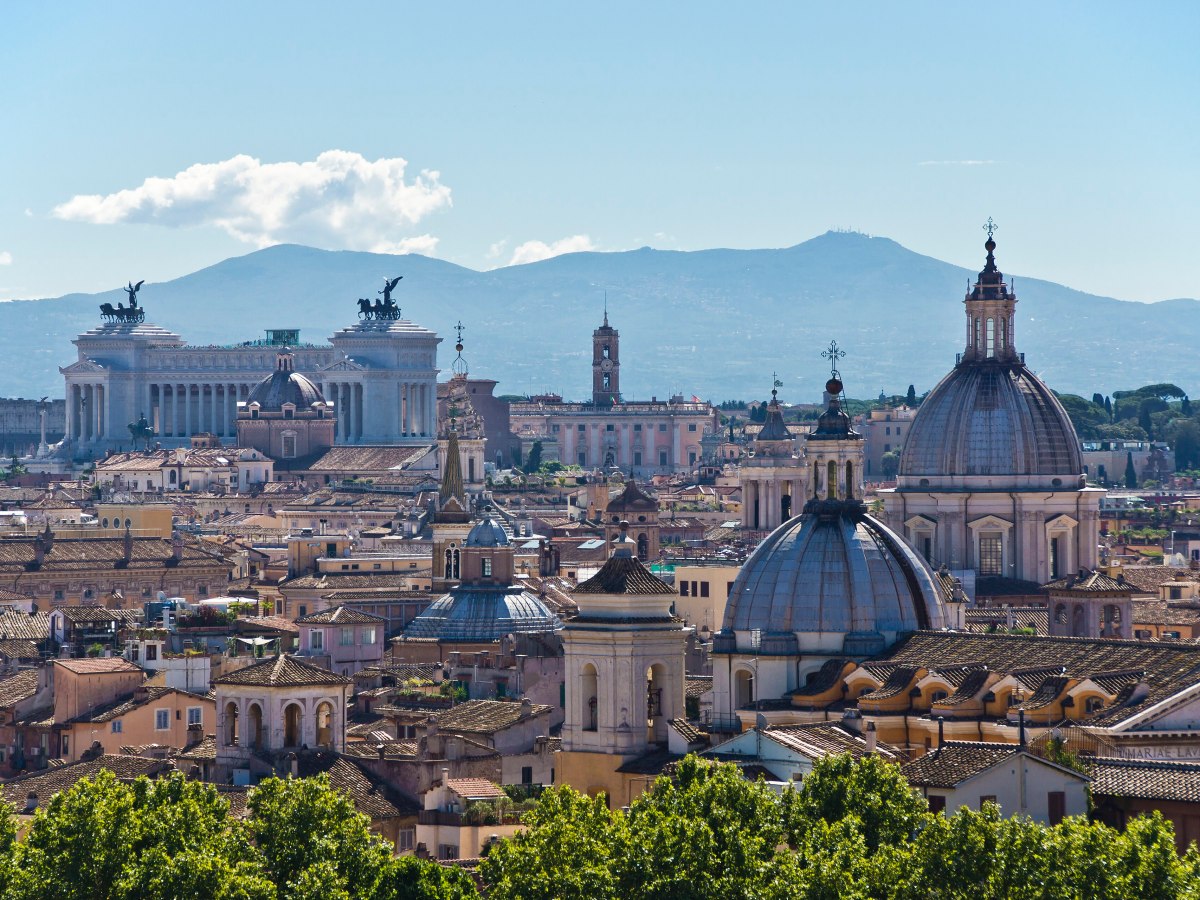
Rome is a city where every street feels like a short history lesson. Walk around and you’ll stumble on ruins, fountains, and churches all squeezed together — the Colosseum and Roman Forum sit near busy modern neighborhoods, while ancient columns pop up outside trendy cafés. It’s easy to soak up the past just by wandering:…

