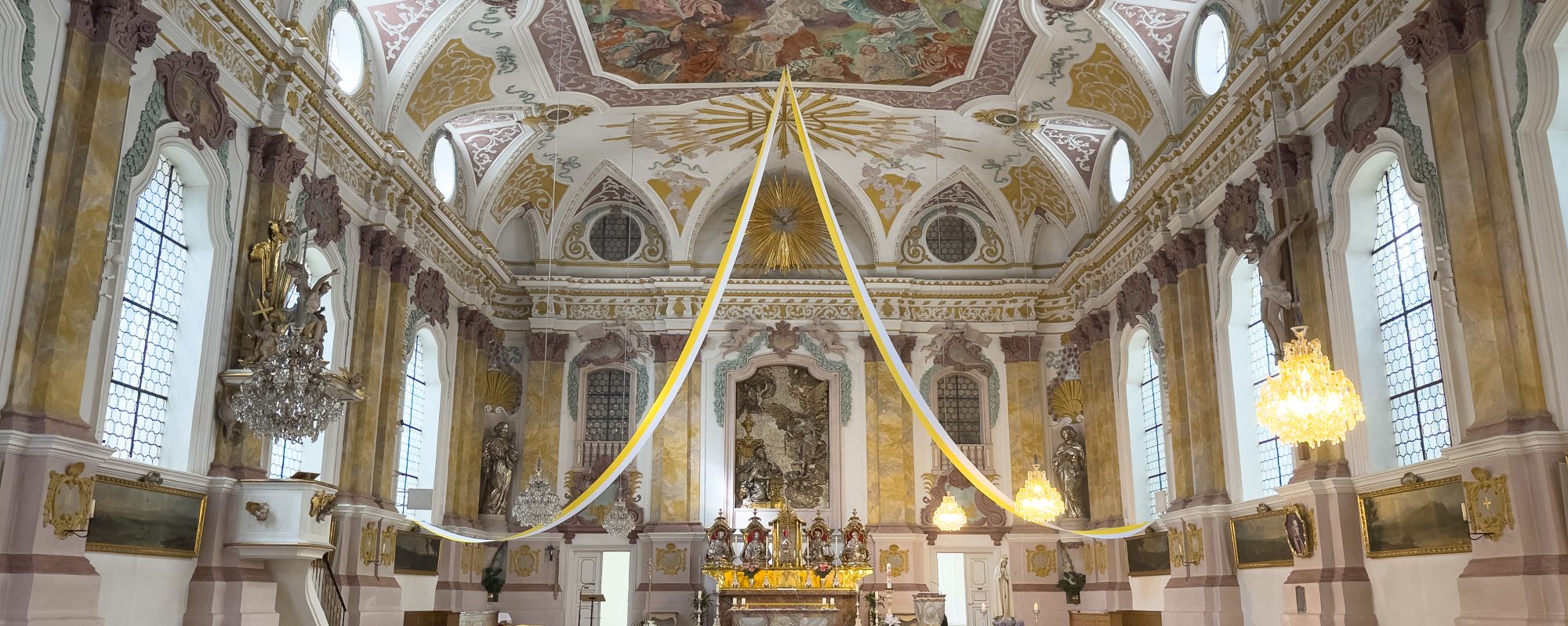
San Luigi dei Francesi is the small, atmospheric national church of France in Rome — compact but packed with art and atmosphere. The exterior is restrained, but step inside and you experience a vivid, Baroque interior with warm marble, deep-colored pilasters, and a sense of theatricality that draws your eye toward the chapels. The church’s … Continue reading Chiesa di San Luigi dei Francesi
Tag: art
Museo di Castelvecchio
The Museo di Castelvecchio, housed within the red-brick Scaliger fortress that overlooks the Adige River, is both an imposing medieval building and one of Verona’s foremost art museums. Rebuilt and reimagined in the 20th century, the castle’s battlements, defensive towers, and the long ponte scaligero set a dramatic stage for walking between fortified rooms and … Continue reading Museo di Castelvecchio
Galleria d’Arte Moderna Achille Forti
Galleria d'Arte Moderna Achille Forti occupies the first floor of Verona’s historic Palazzo della Ragione and presents a coherent survey of Italian and Veronese art from the 19th century to the present. The collection—formed through donations and bequests including those of Achille Forti—numbers around 1,600–1,700 works and ranges from Romantic canvases and Divisionist pieces to … Continue reading Galleria d’Arte Moderna Achille Forti
Palazzo Maffei Casa Museo
Palazzo Maffei Casa Museo, facing Piazza delle Erbe in Verona, is an elegant 17th–18th-century palace notable for its baroque façade adorned with six classical statues that preside over one of the city’s liveliest squares. The building combines noble residential architecture with a museum layout that showcases the Maffei family’s art collection alongside decorative arts, archaeological … Continue reading Palazzo Maffei Casa Museo
Galleria degli Uffizi
The Uffizi Galleries are Florence’s art heavyweight — a long, elegant gallery lining the Arno and packed wall-to-wall with masterpieces from the Middle Ages through the Renaissance. Wander from room to room and you’ll pass Botticelli’s ethereal Birth of Venus and Primavera, Leonardo da Vinci’s early works, Titian’s sumptuous portraits, and Caravaggio’s dramatic chiaroscuro; the … Continue reading Galleria degli Uffizi
Galleria dell’Accademia
Think of the Galleria dell’Accademia as Florence’s compact powerhouse of Renaissance art — small enough to explore in a couple of hours but packed with iconic works that keep visitors coming back. The headline attraction is, of course, Michelangelo’s David: the towering, impossibly detailed marble figure sits in its own room so you can walk … Continue reading Galleria dell’Accademia
Museo di San Marco
Step into Museo di San Marco and you’ll feel like you’ve wandered into a peaceful time capsule where art and monastic life mingle. The former Dominican convent is full of airy cloisters and small, sunlit cells painted by Fra Angelico—his Annunciations and devotional scenes are delicate, luminous, and surprisingly immediate, the kind of paintings that … Continue reading Museo di San Marco
Museo dell’Opera del Duomo
Think of the Museo dell'Opera del Duomo as the backstage pass to Florence’s cathedral complex — a compact, brilliantly arranged museum that gathers the original sculptures, reliefs, and models made for the Duomo, Baptistery, and Campanile. Instead of weathered stone high up on the façade, you get to see the actual works up close: Ghiberti’s … Continue reading Museo dell’Opera del Duomo
Palazzo Medici Riccardi
Palazzo Medici Riccardi is the original Medici family palace in Florence — a gracious 15th‑century Renaissance residence designed by Michelozzo that set the template for Florentine private palaces with its rusticated stone façade, loggia, and orderly courtyard. Inside, the atmosphere shifts from restrained exterior to richly decorated interiors: the grand halls and chapels reveal the … Continue reading Palazzo Medici Riccardi
Palazzo Pitti
Palazzo Pitti is a vast Renaissance palace on the south bank of the Arno that became the principal residence of the Medici grand dukes and later of the Lorraine and Savoy dynasties; its broad, rusticated façade and monumental scale mark a shift from civic palazzo to princely court, and the complex now houses several major … Continue reading Palazzo Pitti
You must be logged in to post a comment.