Palácio Nacional da Pena

Perched on top of a hill in the Sintra Mountains, the National Palace of Pena stands as a vibrant blend of Romanticism, Gothic, Moorish, and Renaissance architectural styles. It was originally built as a monastery in the Middle Ages but was later transformed into a summer residence for the Portuguese royal family in the 19th … Continue reading Palácio Nacional da Pena

Museu Nacional dos Coches

The Museu Nacional dos Coches, also known as the National Coach Museum, is a must-visit attraction in Lisbon, Portugal, especially for history and art enthusiasts. Located in the picturesque neighborhood of Belém, the museum is housed in a stunning 18th century royal riding arena, which adds to its charm and historical significance. As you step … Continue reading Museu Nacional dos Coches

Ajuda National Palace, Lisbon

Palácio Nacional da Ajuda

The Palácio Nacional da Ajuda in Lisbon is a stunning neoclassical palace that offers visitors a glimpse into Portugal’s royal past. Built in the 19th century, it was originally intended to be the permanent residence of the Portuguese royal family. However, due to political upheavals, including the exile of the monarchy in 1910, it was … Continue reading Palácio Nacional da Ajuda

MAAT, Lisbon

MAAT

The MAAT – Museum of Art, Architecture, and Technology in Lisbon is a cutting-edge cultural institution located along the Tagus River waterfront in the Belém district. Opened in 2016, it offers a dynamic blend of contemporary art, architecture, and technology exhibitions within a stunning, futuristic building designed by British architect Amanda Levete. The museum’s undulating, … Continue reading MAAT

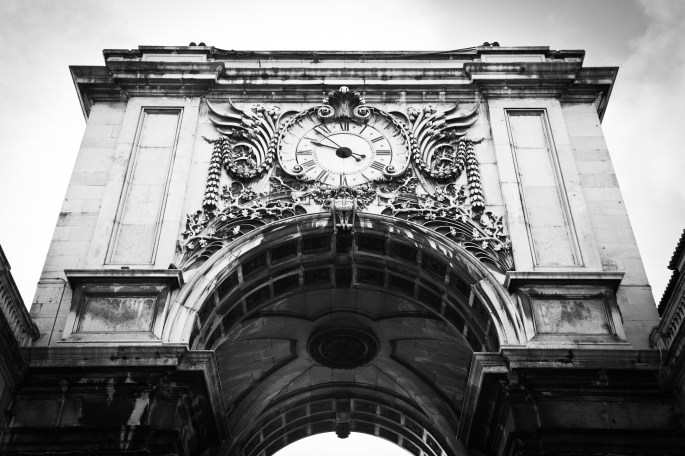
Rua Augusta Arch, Lisbon, Portugal

Arco da Rua Augusta

The Arco da Rua Augusta (Rua Augusta Arch) is a magnificent architectural landmark located in Lisbon, Portugal, and it's definitely worth a visit if you're considering exploring the city. Situated in the lively neighborhood of Baixa, this iconic triumphal arch stands at the end of Rua Augusta, one of Lisbon's most famous and bustling pedestrian … Continue reading Arco da Rua Augusta

Elevador da Bica, Lisbon

Elevador da Bica

The Elevador da Bica is one of Lisbon’s most charming and iconic funiculars, connecting the Rua de São Paulo with the Largo do Calhariz as it climbs the steep, narrow Bica de Duarte Belo street. Opened in 1892, this funicular was designed to help residents and visitors navigate the city’s hilly terrain with ease, and … Continue reading Elevador da Bica

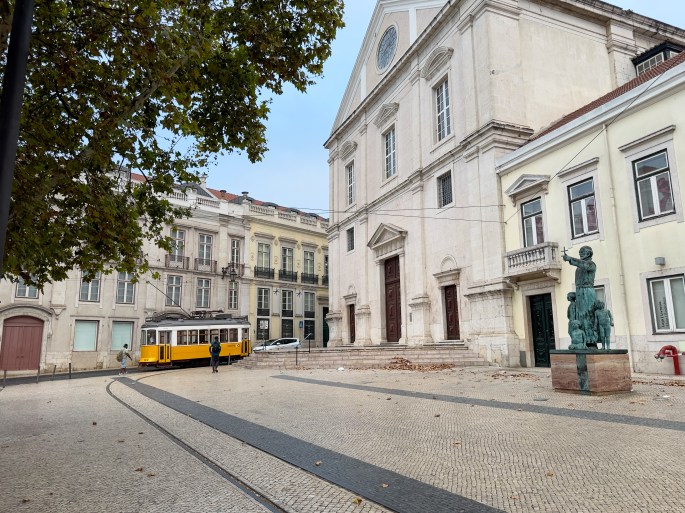
Igreja de São Roque, Lisbon

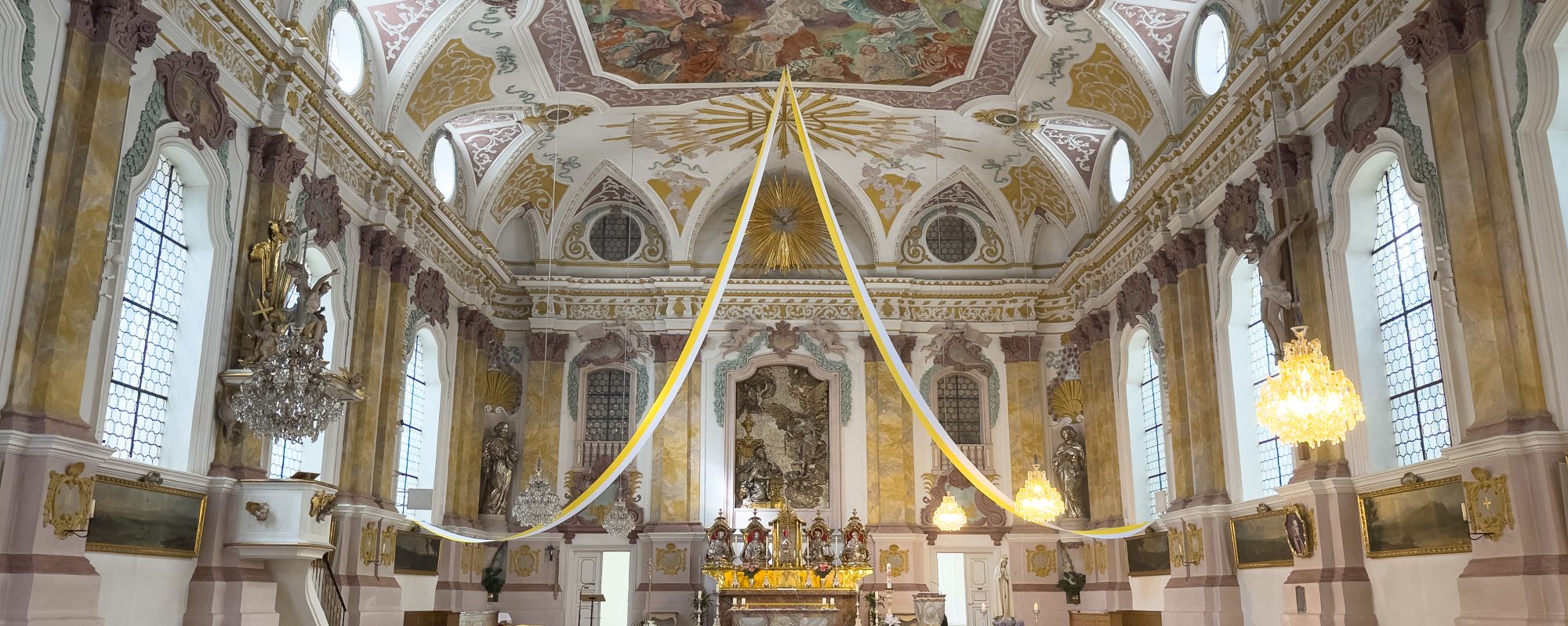
Igreja de São Roque

The Igreja de São Roque in Lisbon is one of the most ornate and historically significant churches in Portugal, offering visitors an extraordinary display of Baroque art and craftsmanship. Built in the 16th century as one of the first Jesuit churches in the world, it has a relatively simple façade that contrasts sharply with its … Continue reading Igreja de São Roque

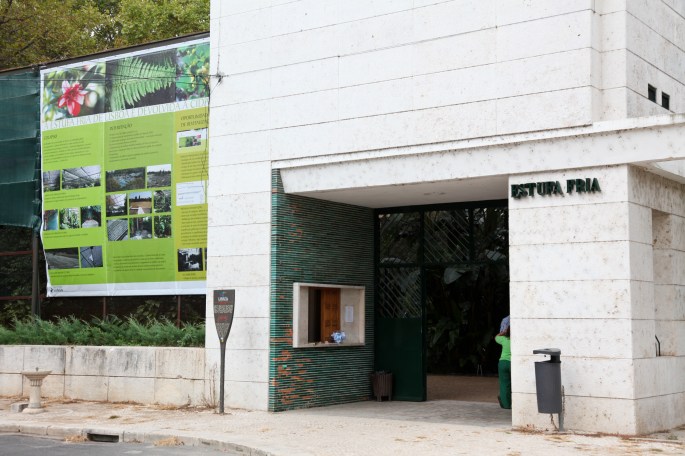
Estufa Fria, Lisbon, Portugal

Estufa Fria

The Estufa Fria in Lisbon is a fascinating and unique botanical garden that is definitely worth visiting. Located in the heart of the city, it offers a tranquil escape from the bustling urban environment. The name "Estufa Fria" translates to "Cold Greenhouse," and it perfectly captures the essence of this beautiful place. The garden is … Continue reading Estufa Fria

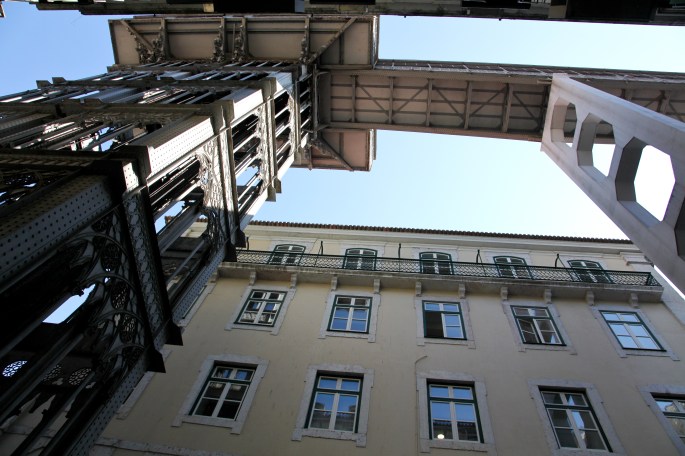
Santa Justa Elevator, Lisbon, Portugal

Santa Justa Elevator

The Santa Justa Elevator (Elevador de Santa Justa), located in Lisbon, Portugal, is a magnificent piece of engineering and a popular tourist attraction. It was designed by engineer Raoul Mesnier du Ponsard and opened to the public in 1902. The elevator is an impressive iron structure that connects the lower Baixa district with the higher … Continue reading Santa Justa Elevator

Padrão dos Descobrimentos, Lisbon

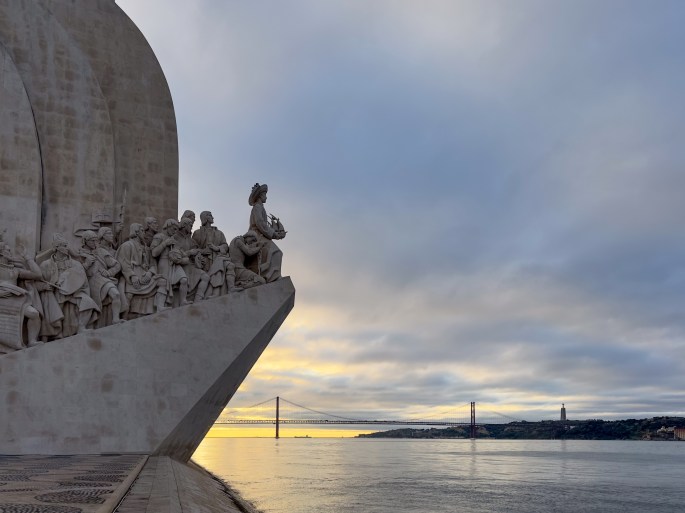
Monument to the Discoveries

The Monument to the Discoveries (Padrão dos Descobrimentos) in Lisbon is a striking and symbolic tribute to Portugal’s Age of Exploration during the 15th and 16th centuries. Located along the Tagus River waterfront in the Belém district, the monument was originally constructed in 1940 for the Portuguese World Exhibition and later rebuilt in 1960 to … Continue reading Monument to the Discoveries