
Hello, I’m Veronica
The sky is not completely dark at night. Were the sky absolutely dark, one would not be able to see the silhouette of an object against the sky.


-
Capela das Almas

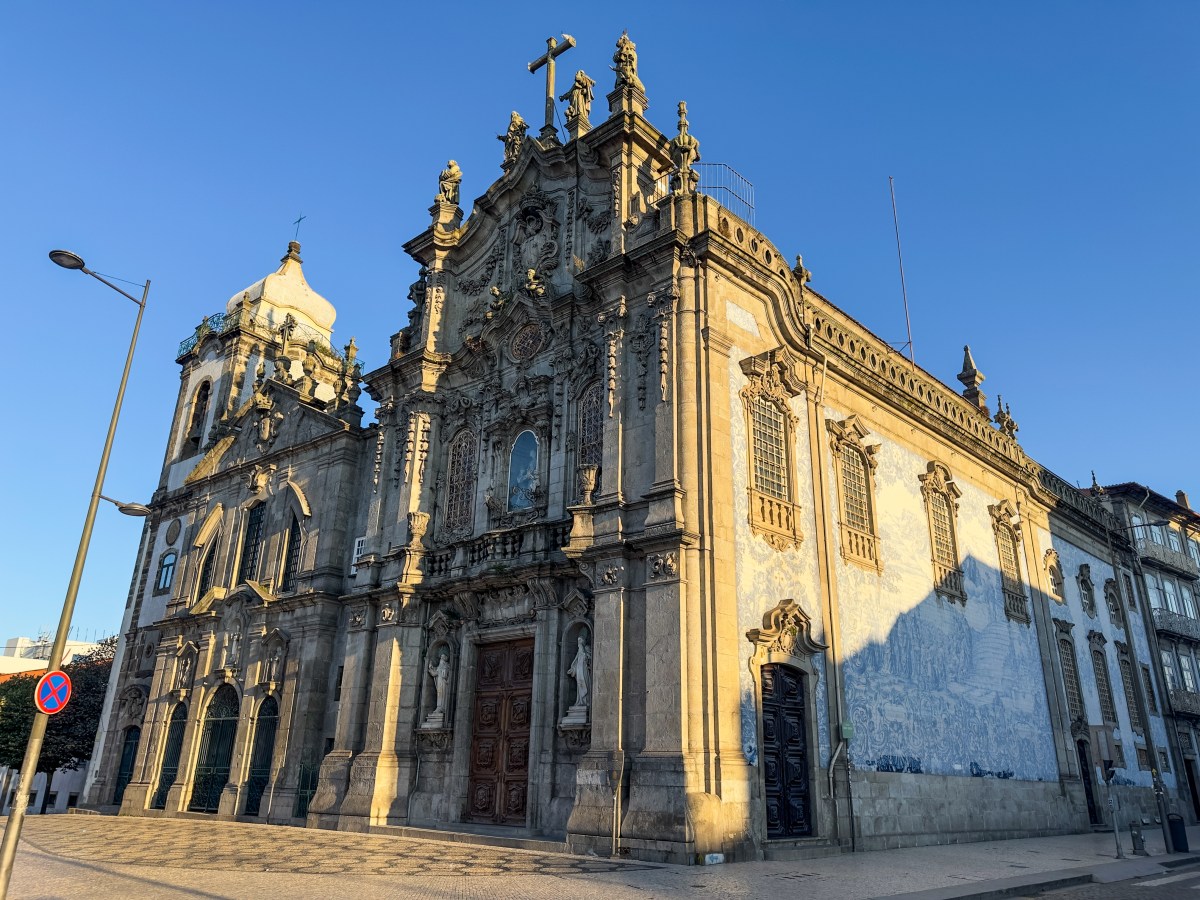
As you make your way down Rua de Santa Catarina, one of Porto’s most vibrant and bustling streets, your eyes will be drawn to the striking façade of Capela das Almas (Chapel of Souls or Saint Catherine Chapel). The chapel, built in the early 18th century, stands out from its surroundings with its beautiful azulejo tiles that adorn the entire exterior.
These blue and white tiles (almost 16,000 of them), carefully arranged in intricate patterns, depict scenes from the lives of various saints and moments from the Gospels. The azulejo tradition is deeply rooted in Portuguese culture, and the ones at Capela das Almas are particularly remarkable. They were created by the artist Eduardo Leite in the early 20th century and have become one of the most recognizable landmarks in the city.
Approaching the chapel, you’ll notice that the tiles cover not only the walls but also the bell tower. The façade is a true testament to the artistry and craftsmanship of the time, showcasing the beauty and skill of the Portuguese tile artisans.
The interior, although relatively small, is adorned with elaborate wooden carvings, gilded decorations, and beautiful religious icons. The chapel’s design exudes a sense of devotion and spirituality, inviting visitors to reflect and find solace.
Capela das Almas holds great significance for the local community. It was built as a place of worship for the residents of the surrounding parish, and to this day, it remains an active religious site. The chapel is dedicated to the souls of the departed, and the local population has a deep connection to it, often attending Mass and other religious ceremonies.
Visiting Capela das Almas provides a unique opportunity to immerse yourself in the rich history and religious traditions of Porto. Whether you appreciate fine art, religious architecture, or simply seek a moment of tranquility, this chapel offers a captivating experience that shouldn’t be missed during your visit to the city.
Visit Notes
If you want to admire the exterior of this gorgeous church, I recommend coming first thing in the morning, otherwise you’ll be fighting with all the instagrammers for access. I walked by it and saw a couple of women trying to get the perfect video of them walking by the tiles. When I walked back an hour later, they were still at it.
The interior is small and cute. You should definitely stop in, it won’t take long to explore.
Details
R. de Santa Catarina 428, 4000-124 Porto, Portugal
Photos


Other Sights
-
São Bento Train Station

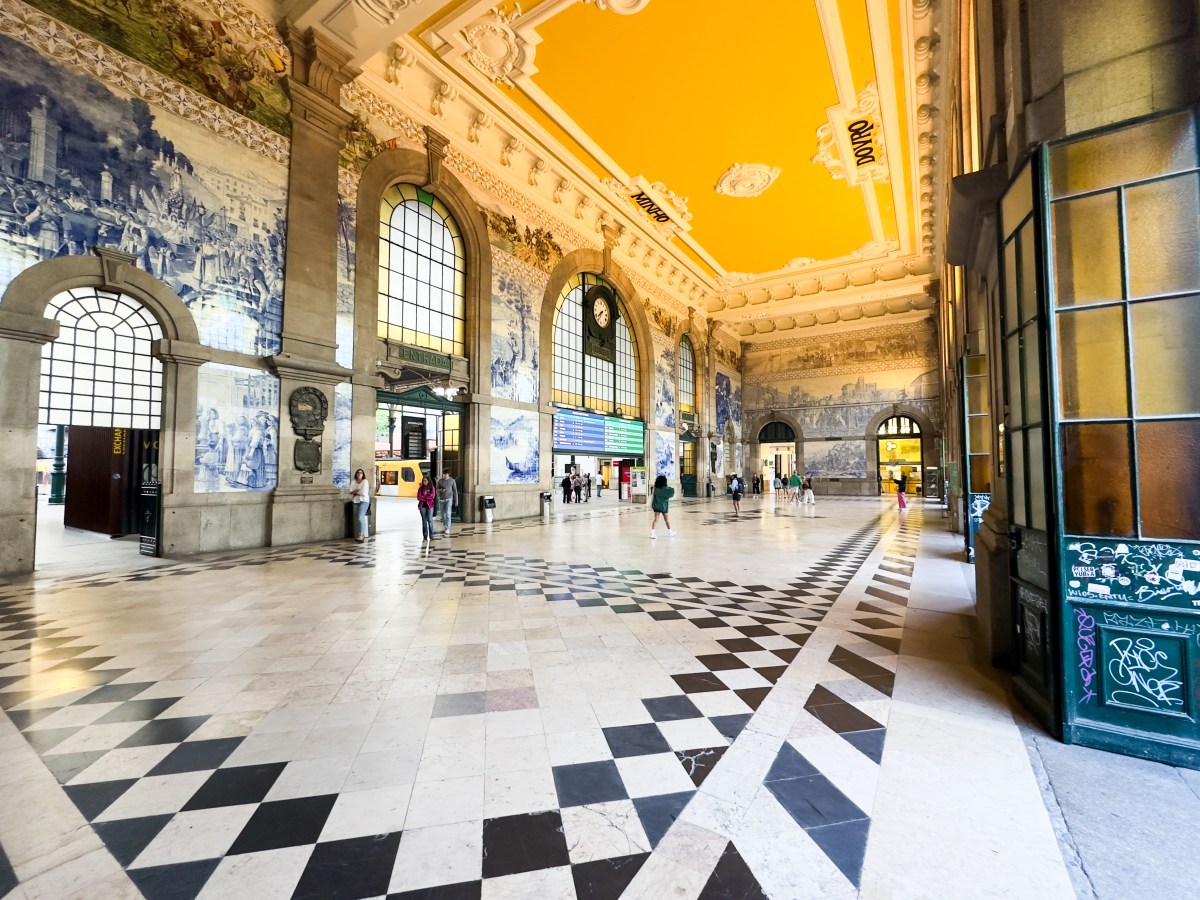
Even if you’re not catching a train, it’s worth visiting São Bento just to marvel at its splendor. The station’s beauty has made it a popular spot for photographers and tourists alike. You can spend some time appreciating the exquisite tile murals, capturing memorable photos, or simply soaking in the atmosphere.
The murals depict scenes from Portuguese history, culture, and daily life, offering a glimpse into the rich heritage of the country. The tiles were meticulously hand-painted and assembled, creating a stunning mosaic that spans the entire length of the station.
One of the most impressive aspects of these murals is the attention to detail. Each tile is carefully crafted and placed to form intricate patterns, landscapes, and narratives. You’ll find images of historical figures, traditional Portuguese costumes, and iconic landmarks, all beautifully rendered in vibrant colors.
The themes portrayed in the murals cover a wide range of subjects. You’ll see scenes depicting rural life, with farmers working in the fields, and fishermen tending to their boats. There are also panels that showcase the region’s winemaking traditions, featuring vineyards and wine production.
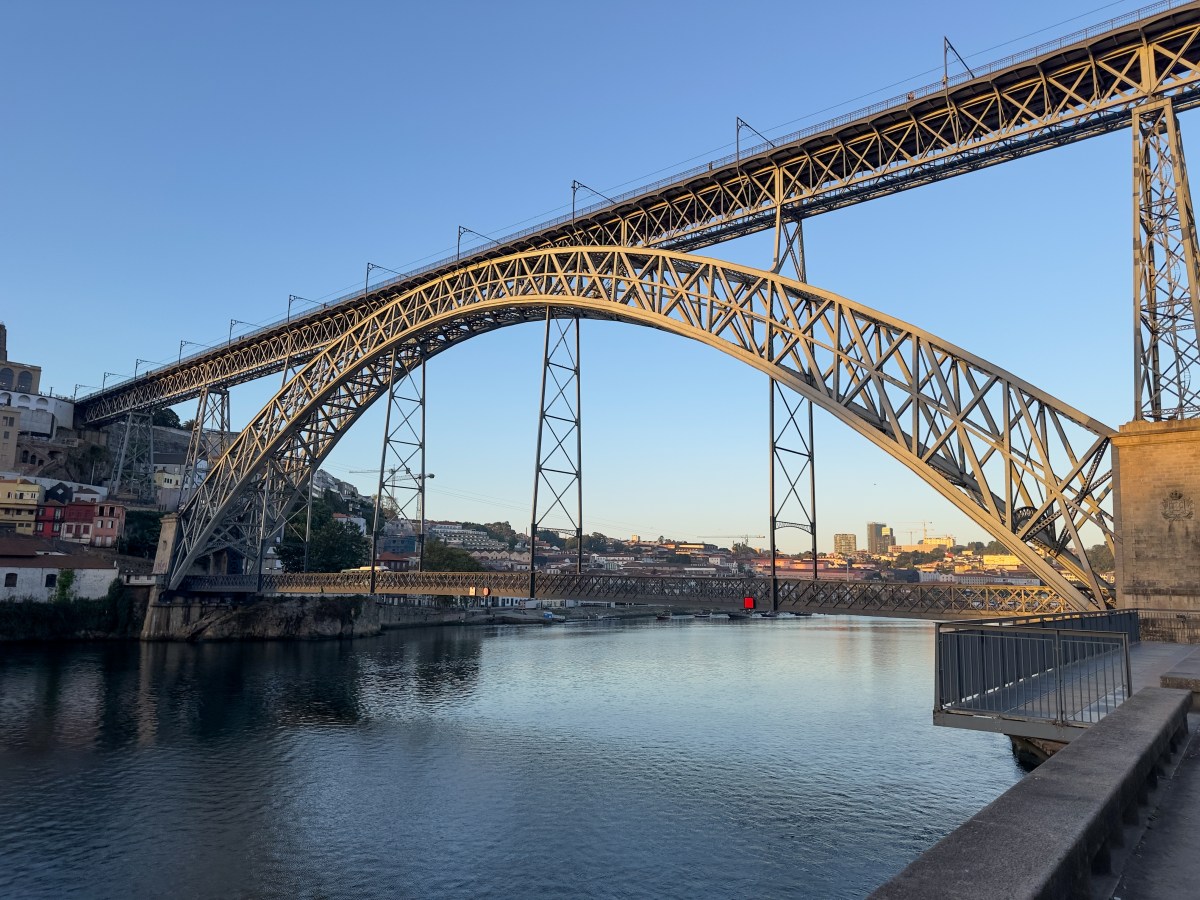
In addition to the everyday scenes, the murals also depict significant historical events and landmarks. You might spot depictions of Porto’s famous bridges, such as the iconic Dom Luís I Bridge, or historical moments like the Battle of Arcos de Valdevez.
The tilework itself is a marvel of craftsmanship, and the quality and longevity of the murals are truly impressive. The tiles are composed of a variety of colors, from bold blues and vibrant yellows to deep greens and rich reds. The level of precision and artistry in each tile is a testament to the skill and talent of the artisans who created them.
Visiting the São Bento Train Station is not only an opportunity to witness the beauty of these tile murals but also a chance to experience the bustling atmosphere of a busy transportation hub. As you marvel at the art, you’ll also be surrounded by the energy of travelers coming and going, giving you a unique blend of history, art, and contemporary life.
Visit Notes
I consider São Bento to be a must-see sight in Porto. You should absolutely come early in the morning to avoid the crowds and have the space to appreciate the abundant details. Unfortunately for me, many of the walls were covered in a gauze to protect the tiles from the construction mess going on outside. Maybe this is the city’s way of getting me to want to come back for another visit. If so, it’s working.
It’s also worth noting that there is an excellent Fado show at the train station. It’s called Presidencial Fado and you can get tickets online. It’s an intimate venue and you get some wine with your ticket.
Details
Praça de Almeida Garrett, 4000-069 Porto, Portugal
Photos


Other Sights
-
Igreja Paroquial de Santo Ildefonso

The Igreja Paroquial de Santo Ildefonso, also known as the Santo Ildefonso Parish Church, is a magnificent religious landmark located in the charming city of Porto, Portugal.
Built in the late 18th century, the Igreja Paroquial de Santo Ildefonso showcases an impressive blend of architectural styles, primarily Baroque and Neoclassical. It stands tall on a prominent hill, making it a recognizable feature of the city’s skyline. The church’s exterior is adorned with vibrant azulejo tiles, a traditional Portuguese art form, depicting biblical scenes and religious figures, which add to its allure.
The church’s nave is spacious and adorned with ornate details. Elaborate gilded altarpieces, sculptures, and paintings add a sense of grandeur and beauty. The high ceiling, adorned with delicate stucco work, adds to the overall sense of magnificence. Light filters through magnificent stained glass windows, casting colorful hues across the interior, creating a magical atmosphere.
In addition to its religious significance, the church is conveniently located in the heart of Porto, making it easily accessible. It’s also within walking distance of other popular attractions, such as the bustling Bolhão Market and the iconic Avenida dos Aliados.
Visit Notes
The church is worth stopping in, and there is a museum here as well with religious artifacts to examine.
Details
R. de Santo Ildefonso 11, 4000-542 Porto, Portugal
Photos


-
Palácio da Bolsa
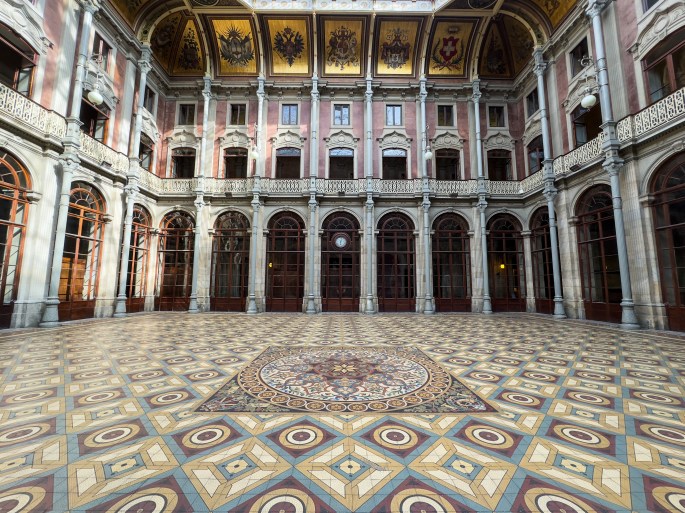
Bolsa Palace was built in the 19th century and was originally intended to serve as the city’s stock exchange. However, today it functions as a prominent cultural and tourist destination. As you approach the building, you’ll be captivated by its impressive Neoclassical facade, which showcases a harmonious blend of architectural styles.
Upon entering the palace, you’ll be greeted by a grand entrance hall that exudes elegance and opulence. The interior of Bolsa Palace is a true visual feast, featuring intricate details, lavish decorations, and remarkable craftsmanship. One of the most breathtaking spaces within the palace is the Arab Room (Sala Árabe), which is adorned with stunning Moorish-inspired designs, including intricate plasterwork, geometric patterns, and vibrant tilework.
As you explore further, you’ll come across other magnificent rooms such as the Golden Room (Sala Dourada), characterized by its lavish gilded decorations, beautiful frescoes, and ornate chandeliers. The Pátio das Nações (Nations’ Courtyard) is another highlight, boasting an impressive glass and iron dome that bathes the area in natural light.
The tour of Bolsa Palace often includes a visit to the historical courtroom, where the city’s merchants once gathered to conduct business. This room is adorned with portraits of past presidents and governors, and it reflects the importance of Porto as a commercial hub in its heyday.
In addition to the architectural wonders, the palace also offers a glimpse into the rich history and culture of Porto. Knowledgeable guides will share fascinating stories and anecdotes about the building’s past, allowing you to immerse yourself in the city’s heritage.
Outside the palace, you’ll find the picturesque Infante Dom Henrique Square, which provides a tranquil setting to relax and soak in the atmosphere. From here, you can also enjoy breathtaking views of the Douro River and the iconic Dom Luís I Bridge, adding to the allure of your visit.
Visit Notes
I highly recommend a visit to Bolsa Palace. To see the interior you need to join a tour. The first thing to note is that there were many more tour times offered at the ticket office than were listed on their website. I found the website to be fairly useless honestly, maybe they’ll update it at some point. I was easily able to get a ticket for the next available tour time.
My tour guide was energetic and frankly, hilarious. It was one of the best tours I’ve been on in a while. The palace itself is incredible. The Arab Room is obviously the star, but the other rooms don’t suffer by comparison.
Photos


-
Igreja e Museu de São Francisco do Porto

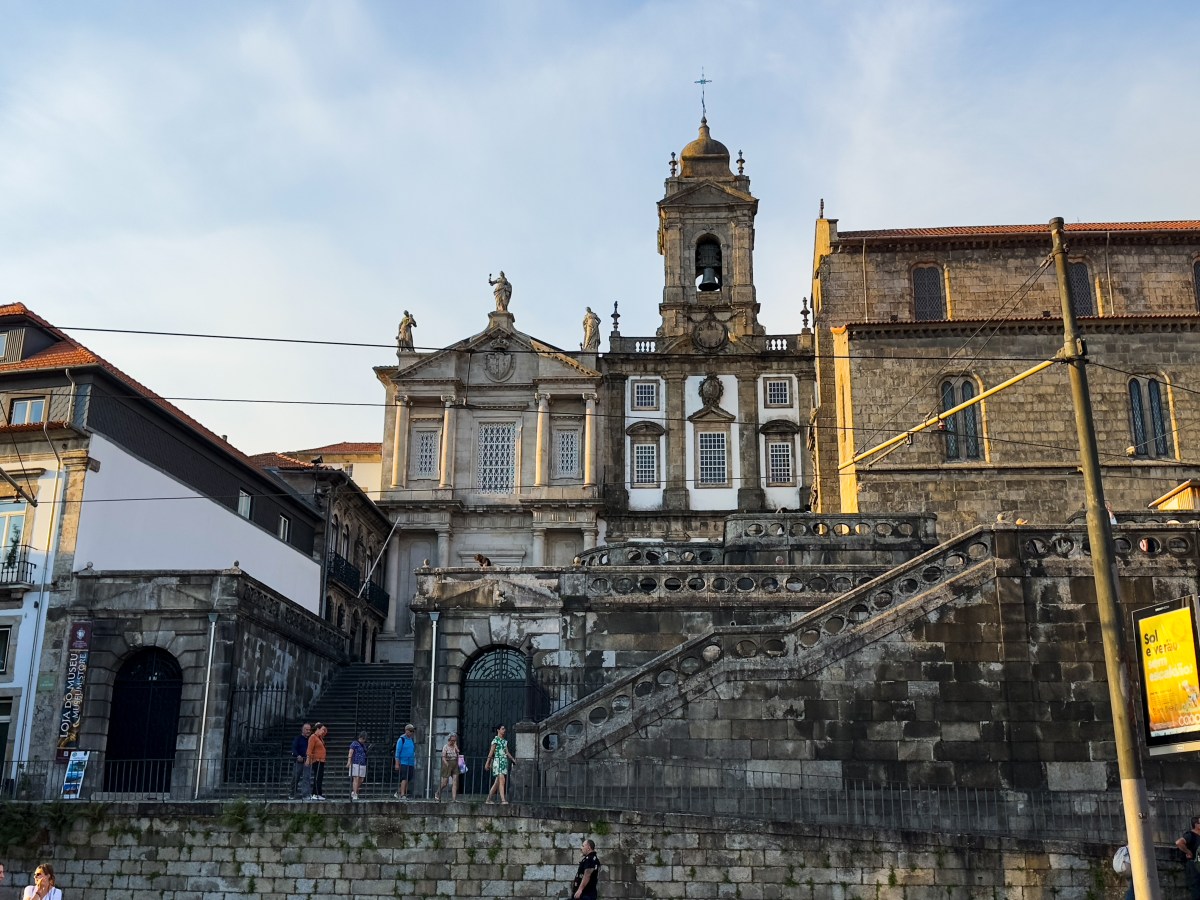
The Igreja e Museu de São Francisco (Church and Museum of São Francisco) in Porto, Portugal, is a remarkable historical and architectural gem that is definitely worth a visit. Located in the heart of Porto’s historic center, this complex consists of a church and an attached museum, both of which hold significant cultural and artistic importance.
The church itself dates back to the 14th century and is a fine example of Gothic architecture. As you approach the exterior, you’ll be captivated by the intricate stone carvings that adorn the façade, depicting religious scenes and figures. The grand entrance door welcomes you into a world of awe-inspiring beauty and rich religious heritage.
Once inside, you’ll be struck by the church’s remarkable interior. The highlight of the visit is undoubtedly the stunning Baroque decoration that dominates the space. The ornate golden altarpiece, sculpted wooden screens, and intricate woodwork create a mesmerizing visual spectacle. The sheer opulence and attention to detail in the church’s design are truly breathtaking.
However, what makes the Igreja e Museu de São Francisco truly unique is the adjoining museum. The museum is housed in the former cloisters of the Franciscan monastery, and it showcases an impressive collection of religious art and artifacts. Here, you can explore a diverse range of exhibits that provide insights into the history, culture, and religious practices of the region.
Don’t forget to visit the catacombs while you’re here. Beneath the church you’ll find the remains of members of the Franciscan order. Under a pane of glass you’ll also be able to view the ossuary.
Visit Notes
You know what’s annoying? When you’re trying to appreciate an incredibly gorgeous church and the guard has to keep yelling at people not to take pictures. Pictures are not allowed in the church. I know it sucks, but please, for the love of all that is holy, just refrain from taking pictures in the church.
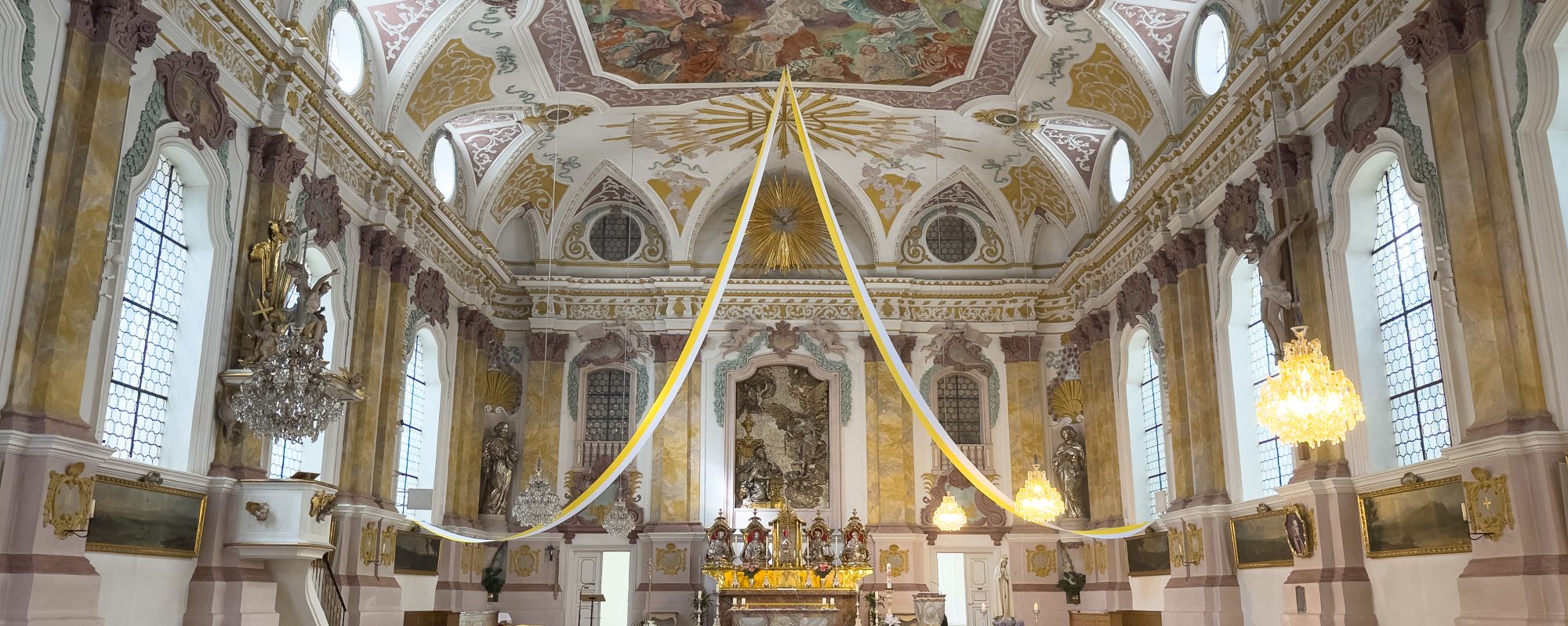
Anyway, this place is amazing and you should visit. The church is absolutely dripping in gold. It’s jaw-dropping. I’d show you pictures, but I followed the rules, so check out the website. You can take pictures in the museum portion and the crypt. We spent a good amount of time here, probably close to an hour and half. It was worth it.
Photos













About Me
The sky is not completely dark at night. Were the sky absolutely dark, one would not be able to see the silhouette of an object against the sky.
Follow Me On
Subscribe To My Newsletter
Subscribe for new travel stories and exclusive content.
 Meticulous Meanderings
You must be logged in to post a comment.