
Hello, I’m Veronica
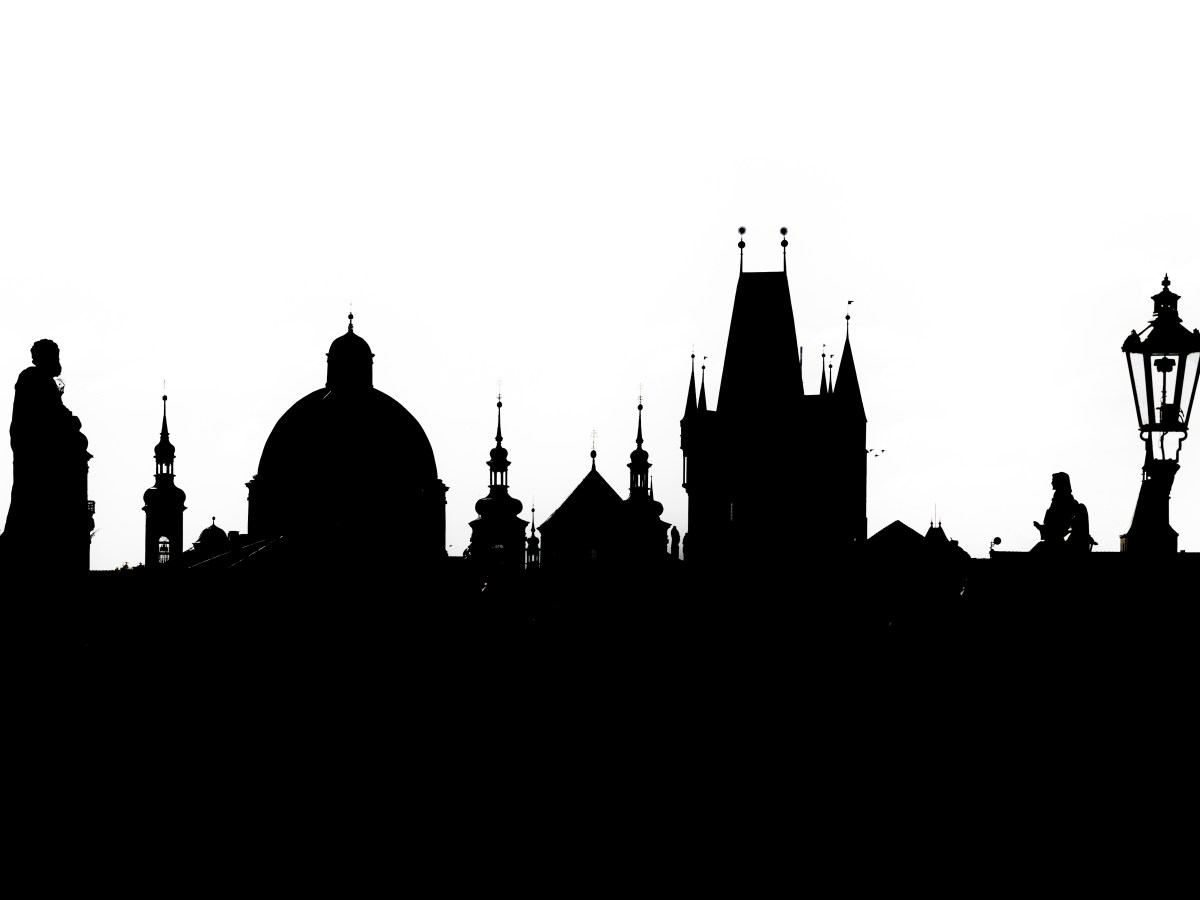
The sky is not completely dark at night. Were the sky absolutely dark, one would not be able to see the silhouette of an object against the sky.


-
Old Royal Palace
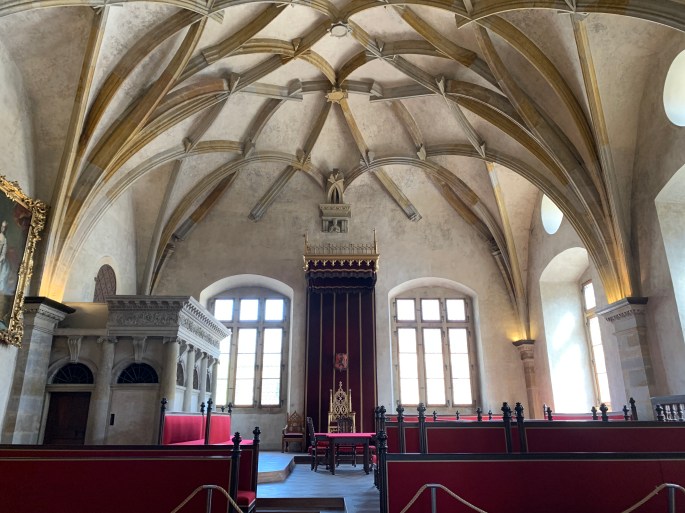
(AKA Starý Královský Palác)
The Old Royal Palace, located within the Prague Castle complex in the enchanting city of Prague, Czech Republic, is a remarkable historical site that shouldn’t be missed by any visitor. With its rich history, architectural grandeur, and stunning views, the palace offers a captivating glimpse into the city’s royal past.
The Old Royal Palace, also known as the “Stary Královský Palác” in Czech, has witnessed centuries of significant events and served as the residence of Czech monarchs, emperors, and presidents. Its origins date back to the 9th century when it was constructed as a fortified castle, gradually transforming into a majestic palace over the years.
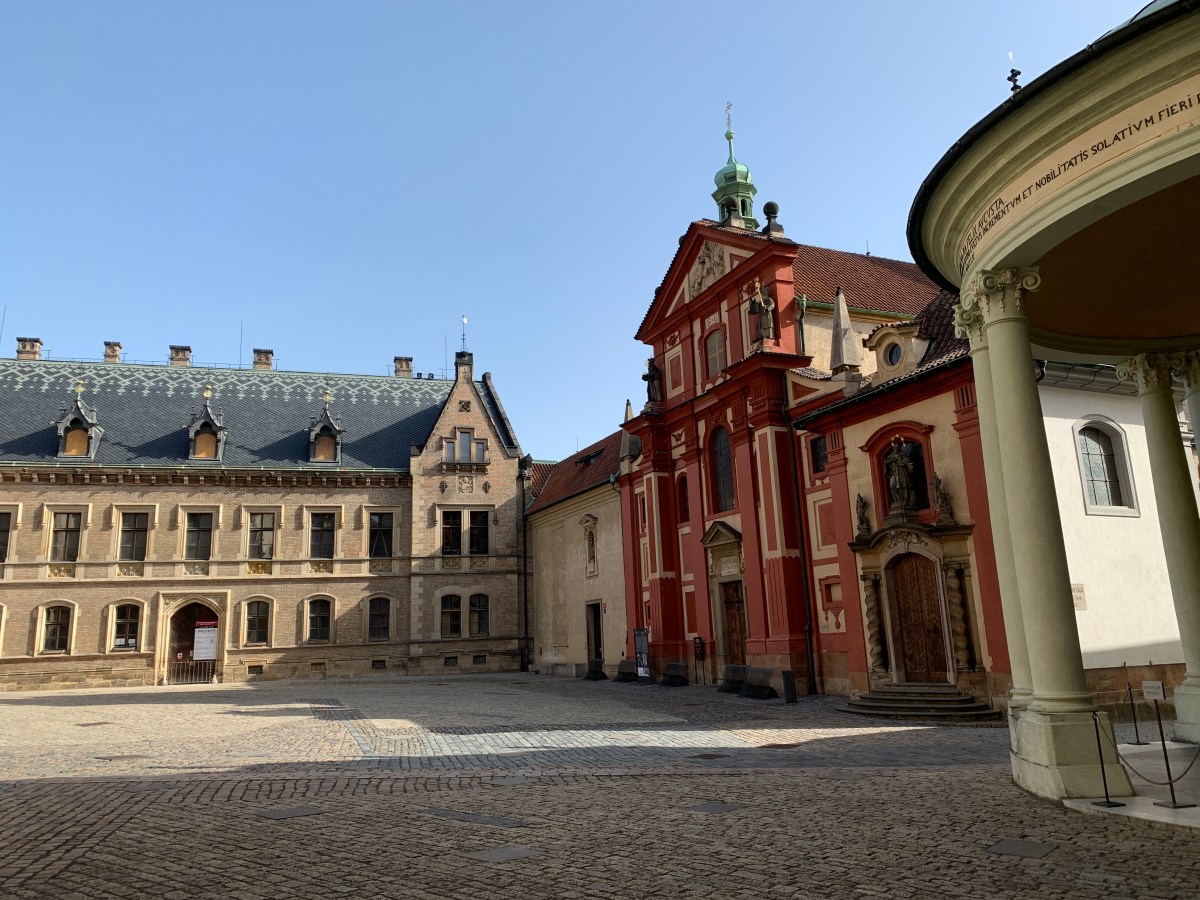
As you approach the palace, you’ll be greeted by a marvelous courtyard, providing a foretaste of the architectural beauty that awaits. The palace is an amalgamation of various architectural styles, including Gothic, Renaissance, and Baroque, reflecting the different periods of its construction and renovation.
One of the highlights of the Old Royal Palace is the Vladislav Hall, an awe-inspiring space that has hosted grand ceremonies, banquets, and coronations throughout history. Its vast dimensions and elegant vaulted ceiling adorned with intricate Gothic ribbing create a truly mesmerizing atmosphere. Don’t forget to check out the Riders’ Staircase, designed with horses in mind. This special staircase made it possible for knights to enter the hall on horseback for the jousting competitions held in Vladislav Hall.
Another notable feature is the Czech Chancellery, a beautiful Renaissance room that once served as the meeting place for the Bohemian estates. The chancellery is adorned with stunning frescoes depicting scenes from mythology, adding to the palace’s artistic splendor.
In addition to its architectural marvels, the Old Royal Palace offers breathtaking panoramic views of Prague. From its elevated position within the castle complex, you can feast your eyes upon the city’s red-roofed buildings, picturesque bridges, and the meandering Vltava River. The view alone is worth the visit!
As you explore the palace, you’ll also have the opportunity to discover the intriguing story behind the famous “Second Defenestration of Prague” that occurred here in 1618, a pivotal event in Czech history that sparked the Thirty Years’ War.
Visiting the Old Royal Palace provides an immersive experience, transporting you back in time to a bygone era of royal power and prestige. Whether you’re a history enthusiast, an architecture lover, or simply seeking a captivating cultural experience, this iconic landmark is sure to leave a lasting impression on your visit to Prague.
Visit Notes
The Old Royal Palace is included with your Prague Castle – Basic Circuit ticket. What you’re allowed to visit is interesting, but the majority of the building is off-limits to visitors. Since you’ve likely already paid for admission, it’s worth the walk around.
Other parts of the building may be open for special exhibitions, which would be an additional fee, but may be worth it just to see more of the building.
Details
Třetí nádvoří Pražského hradu 48, 119 00 Praha 1-Hradčany, Czechia
April through October
9:00 – 17:00
November through March
9:00 – 16:00
Attraction opening days and times can change with no warning.
Always double-check information with the official website before making any plans
Photos


Other Sights
-
Golden Lane

The Golden Lane at Prague Castle is a charming and historic street tucked away within the magnificent Prague Castle complex, located in the heart of the city of Prague, Czech Republic. It is a must-visit destination for anyone interested in history, culture, and picturesque surroundings.
The Golden Lane, also known as Zlatá ulička in Czech, is a small, narrow alley lined with colorful, miniature houses that date back to the 16th century. Originally built to accommodate the castle’s guards, goldsmiths, and marksmen, the lane later became home to many artisans and writers.
Walking along the Golden Lane feels like stepping into a fairy tale. The houses are incredibly quaint, with their small, colorful facades, tiny windows, and wooden doors. Each house has been transformed into a unique museum or exhibit, showcasing different aspects of Czech history and culture. From medieval armor and weaponry to displays of traditional crafts and everyday life, the Golden Lane offers visitors a glimpse into the past.
One of the most famous houses on the Golden Lane is No. 22, where the world-renowned writer Franz Kafka once lived. It has been transformed into a museum dedicated to his life and works, allowing visitors to explore the environment that inspired his writing. Another notable house is No. 14, which showcases a reconstruction of an alchemist’s workshop, giving visitors insight into the mysterious world of medieval alchemy.
As you stroll along the Golden Lane, you’ll also have the opportunity to visit small shops selling traditional crafts, such as hand-painted ceramics, jewelry, and other souvenirs. It’s a perfect place to find unique and authentic gifts to bring back home.
Visit Notes
The Golden Lane is everything you would expect in terms of aesthetics, quaint and charming, but it’s also educational. Most of the houses have exhibits that demonstrate what life was like for the residents. We got there on opening and it was pleasantly devoid of people. If you go to the end of the lane and down some steps there is a dungeon area with a display of torture devices. Unexpected but interesting.
Admission to the Golden Lane is part of a circuit ticket you can purchase from the Prague Castle website or from a vendor such as GetYourGuide.com.
Details
Hradčany, 119 00 Prague 1, Czechia
April through October
9:00 – 17:00
November through March
9:00 – 16:00
Attraction opening days and times can change with no warning.
Always double-check information with the official website before making any plans
Photos


Other Sights
-
St. Vitus Cathedral
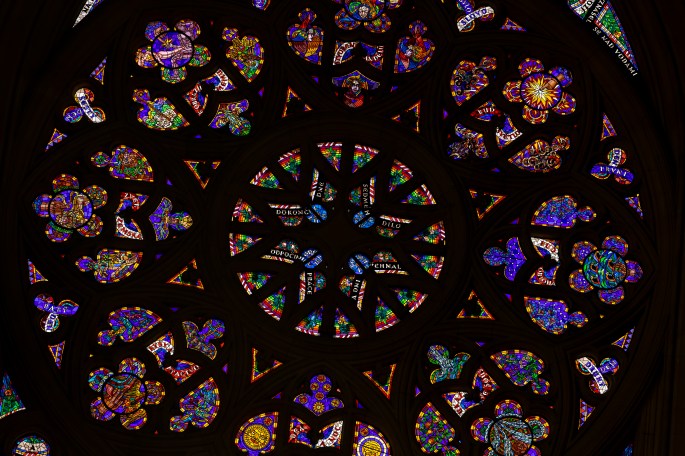
(AKA Katedrála Sv. Víta)
St. Vitus Cathedral is an architectural marvel and a must-see attraction for anyone visiting this historic city. It is one of the most prominent and significant religious landmarks in Prague and holds great cultural and historical importance.
The cathedral’s construction began in the 14th century and spanned several centuries, resulting in a unique blend of architectural styles, including Gothic, Baroque, and Renaissance. This fusion of styles gives St. Vitus Cathedral its distinctive and breathtaking appearance.
As you approach the cathedral, you’ll be immediately captivated by its towering spires and intricate stone carvings. The exterior is adorned with countless statues, gargoyles, and reliefs, each telling a story and adding to the overall grandeur of the structure.
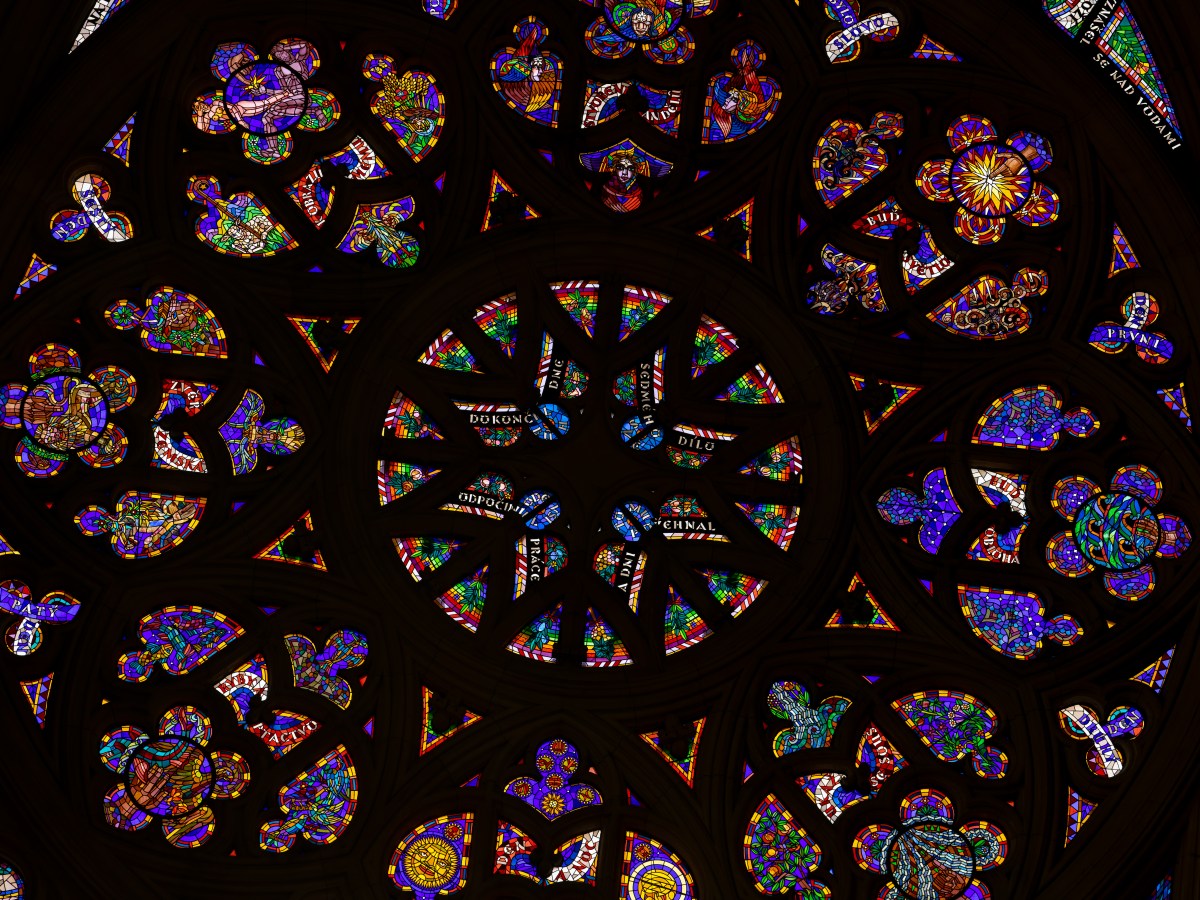
Upon entering the cathedral, you’ll be awestruck by its vastness and the magnificence of its interior. The soaring ceilings, stained glass windows, and meticulously crafted details create an atmosphere of wonder and spirituality. The stained glass windows, in particular, are a sight to behold, casting vibrant colors and bathing the interior in a mesmerizing glow.
One of the highlights of St. Vitus Cathedral is the breathtaking St. Wenceslas Chapel, dedicated to the patron saint of Bohemia. It is adorned with precious materials, including gold and jewels, and features stunning frescoes depicting scenes from the life of St. Wenceslas. This chapel is considered one of the finest examples of Gothic art in Europe.
Another notable feature of the cathedral is the ornate and intricate St. Vitus Cathedral Treasury, which houses a collection of religious artifacts and precious relics, including the Czech Crown Jewels. The treasury is open to the public only once every eight years.
Whether you’re an architecture enthusiast, a history buff, or simply seeking a place of awe-inspiring beauty, St. Vitus Cathedral is an absolute must-visit destination in Prague. Its rich history, stunning architecture, and spiritual ambiance combine to create an unforgettable experience that will leave you with lasting memories of your time in the Czech Republic.
Visit Notes
We happened to be visiting on a Sunday, so we had to wait until noon to get into the cathedral and by then all the other tourists were out of bed and standing in line. The line moved quickly though and soon we were in. I felt a bit like cattle on a conveyor belt once inside. The cathedral itself is stunning, but my enjoyment was tempered by the sheer number of bodies around me. The stained glass in the cathedral is extraordinary, so at least while you’re looking at that you can kind of forget about the crowds.
We booked a skip-the-line ticket (similar to this one) with GetYourGuide.com which included entry into several areas of the Prague Castle complex, including the cathedral. It was very easy and convenient. There is a “free” part of the cathedral that you can visit with no ticket. This means you can walk into the cathedral but can’t progress past the turnstiles. You’d be able to get a feel for the place but wouldn’t be able to see most of the cathedral up close. There is more information about this on their website.
Details
III. nádvoří 48/2, 119 01 Praha 1-Hradčany, Czechia
Monday to Saturday
9:00 – 17:00
Sunday
12:00 – 17:00
Attraction opening days and times can change with no warning.
Always double-check information with the official website before making any plans
Photos


-
Lesser Town Bridge Tower

(AKA Malostranská mostecká věž)
The Lesser Town Bridge Tower, also known as Malostranská mostecká věž in Czech, is an iconic historical landmark located in the city of Prague, Czech Republic. It is situated at one end of the famous Charles Bridge, which connects the Lesser Town (Malá Strana) with the Old Town (Staré Město).
The tower itself is a magnificent Gothic structure that dates back to the 14th century, making it over 600 years old. It stands tall and proud, serving as a gateway to the enchanting Lesser Town district of Prague. The tower’s architecture is characterized by its intricate details, pointed arches, and decorative elements, showcasing the skill and craftsmanship of the medieval period.
One of the most notable features of the Lesser Town Bridge Tower is its breathtaking panoramic views of Prague. If you decide to climb to the top of the tower, you will be rewarded with a mesmerizing vista of the Vltava River, the Charles Bridge, and the cityscape. This makes it a perfect spot for photographers, as you can capture the beauty of Prague from a unique vantage point.
As you explore the tower, you’ll also have the opportunity to delve into its history. Inside, you can find a small museum that exhibits artifacts and displays about the construction of the tower, its significance to Prague, and the history of the Charles Bridge. This gives you a deeper understanding of the tower’s importance in the city’s cultural heritage.
Visit Notes
The tower is one of many (many, many) viewpoints in Prague, each offering its own unique view of the city. You know what I hate? Stairs with no risers, forcing you to see how high you are as you climb. You know what’s worse? Stairs built hundreds of years ago that creak and groan and shake with every step. Still, I made it to the top and back down alive, and it was worth it. The views are spectacular and the exhibits on the way up are interesting.
You can buy tickets in advance, but we did this one on a whim as we were walking by. It was summer, so I expected more people, but there was no line and when we got to the top we were alone.
Details
57, Malá Strana, 118 00 Praha, Czechia
9:00 – 21:00
Attraction opening days and times can change with no warning.
Always double-check information with the official website before making any plans
Photos


-
Old Jewish Cemetery

As you enter the cemetery, you’ll immediately be struck by the atmosphere of age and reverence. The Old Jewish Cemetery is one of the oldest surviving Jewish burial grounds in Europe and is located in the heart of Prague’s Jewish Quarter, known as Josefov. Its origins can be traced back to the 15th century, and it served as the primary burial site for Prague’s Jewish community for over 300 years.
What makes this cemetery truly unique is its compact size. Over the centuries, the space became incredibly overcrowded due to restrictions placed on the Jewish community. As a result, the graves are densely packed, with an estimated 12,000 tombstones and potentially many more burials beneath the surface. The uneven terrain, leaning tombstones, and the sense of layers upon layers of history create an eerie and somber ambiance.
As you wander through the labyrinthine paths, you’ll notice the diverse range of tombstones, each with its own story to tell. The tombstones vary in size, shape, and style, reflecting different periods and artistic influences. Many of them are elaborately decorated with intricate carvings and Hebrew inscriptions, showcasing the skill and craftsmanship of the artisans of the time.
Among the graves, you’ll find the resting places of famous figures from Prague’s Jewish community, including prominent rabbis, scholars, and community leaders. One of the most visited graves belongs to Rabbi Judah Loew ben Bezalel, also known as the Maharal, a revered figure in Jewish mysticism and folklore.
The cemetery also serves as a poignant reminder of the hardships faced by the Jewish community throughout history. It survived numerous episodes of persecution, including the expulsions, pogroms, and the horrors of the Holocaust. Walking through the cemetery, you can’t help but reflect on the lives that were lived and the stories that were lost.
As you explore further, you might come across the Ceremonial Hall, which is part of the Jewish Museum in Prague. The hall houses an exhibition that delves into the rich history and traditions of the Jewish people in Prague. It provides a deeper understanding of the significance of the cemetery and the Jewish Quarter as a whole.
Visiting the Old Jewish Cemetery is not only an opportunity to witness a tangible piece of history but also a chance to pay homage to the lives that came before us. It’s a place of contemplation, a testament to the resilience of the Jewish community, and a poignant reminder of the importance of preserving and learning from our past.
Visit Notes
I know cemeteries are not everyone’s thing, but I happen to love them. This cemetery is particularly historic and worth visiting.
When you arrive your first stop will likely be the Pinkas Synagogue as it sits near the entry. The Synagogue is the second oldest surviving synagogue in Prague and today, serves as a holocaust memorial. On the walls are listed the names of the roughly 80,000 Jewish victims from the Czech lands.
In the cemetery you’ll follow a path through the vast array of tombstones. We took our time, exploring the variety of symbolism etched into the stones. It was raining at the time, so we were alone. It’s not particularly large, so you could get through it pretty quickly if you needed to, or you can take your time, as we did, and really soak it all in.
You can buy tickets to the cemetery or a combo ticket to the Jewish Museum, which includes the cemetery and several other synagogues. Visit the Jewish Museum website for the most current information and pricing.
Details
Široká 3, 110 00 Josefov, Czechia
9:00 – 18:00
Attraction opening days and times can change with no warning.
Always double-check information with the official website before making any plans
Photos












About Me
The sky is not completely dark at night. Were the sky absolutely dark, one would not be able to see the silhouette of an object against the sky.
Follow Me On
Subscribe To My Newsletter
Subscribe for new travel stories and exclusive content.
 Meticulous Meanderings
You must be logged in to post a comment.