
Hello, I’m Veronica
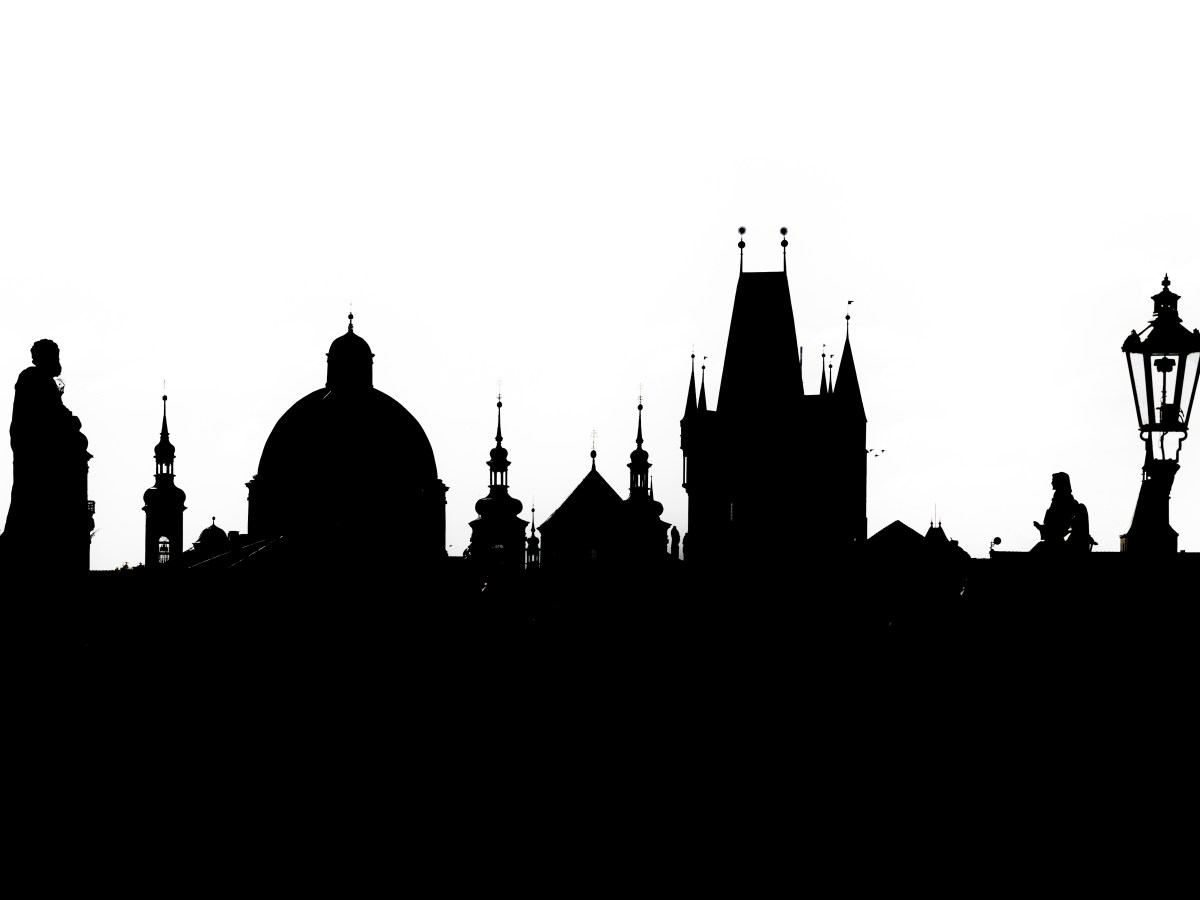
The sky is not completely dark at night. Were the sky absolutely dark, one would not be able to see the silhouette of an object against the sky.


-
The World of Banksy

The Banksy Museum in Prague, Czech Republic is a captivating and unique destination for art enthusiasts and fans of the enigmatic street artist, Banksy. Located in the heart of Prague, this museum offers a comprehensive and immersive experience dedicated to the works and philosophy of Banksy.
As you step into the museum, you’ll immediately be surrounded by an atmosphere that reflects the urban and subversive spirit of Banksy’s art. The museum’s interior is designed to resemble the gritty streets and walls where Banksy’s iconic pieces originated. Graffiti-covered walls, dim lighting, and an edgy ambiance transport visitors into the world of this renowned artist.
The museum showcases an extensive collection of Banksy’s original artworks, ranging from stencils to prints and installations. You’ll have the opportunity to see some of his most famous pieces, such as “Girl with a Balloon,” “Love is in the Air,” and “Rage, Flower Thrower.” Each artwork is thoughtfully presented, providing insights into Banksy’s socio-political commentary, satirical wit, and thought-provoking messages.
What sets this museum apart is its interactive approach to experiencing Banksy’s art. Visitors can engage with various multimedia exhibits, including video installations and audio guides, that delve deeper into the context and meaning behind each artwork. These immersive displays bring the art to life, allowing you to explore the artist’s motivations and the socio-cultural issues he addresses.
The Banksy Museum also emphasizes the importance of the artist’s anonymity and the subversive nature of street art. You’ll have the chance to learn about Banksy’s elusive persona, his tactics for evading authorities, and the controversy surrounding his work. The museum’s curators have carefully curated this information to create a captivating narrative that leaves visitors intrigued and inspired.
After exploring the artwork, you can visit the museum shop, which offers a range of merchandise inspired by Banksy’s iconic designs. From prints and clothing to books and accessories, you’ll find unique and artistic souvenirs to commemorate your visit.
Visit Notes
If you enjoy street art, then you’ll like this museum. It showcases over 100 artworks by the enigmatic artist in a former 16th century church. My daughter is the artist in the family and she took her time reading all the exhibits.
The museum was an enjoyable way to spend a couple of hours. I appreciated the juxtaposition of the modern art in such a historic setting and I learned quite a bit about the political and social statements behind the art.
Details
Michalská 662/29, 110 00 Staré Město, Czechia
Monday to Wednesday
10:00 -20:00
Thursday to Sunday
10:00 – 21:00
Attraction opening days and times can change with no warning.
Always double-check information with the official website before making any plans
Photos


Other Sights
-
Astronomical Clock
(AKA Pražský orloj)
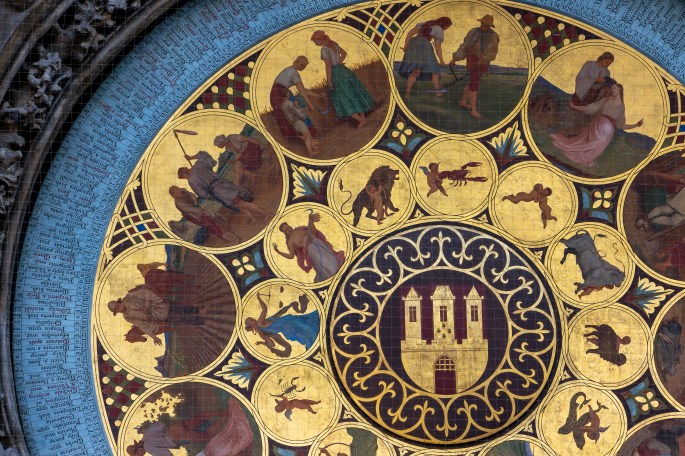
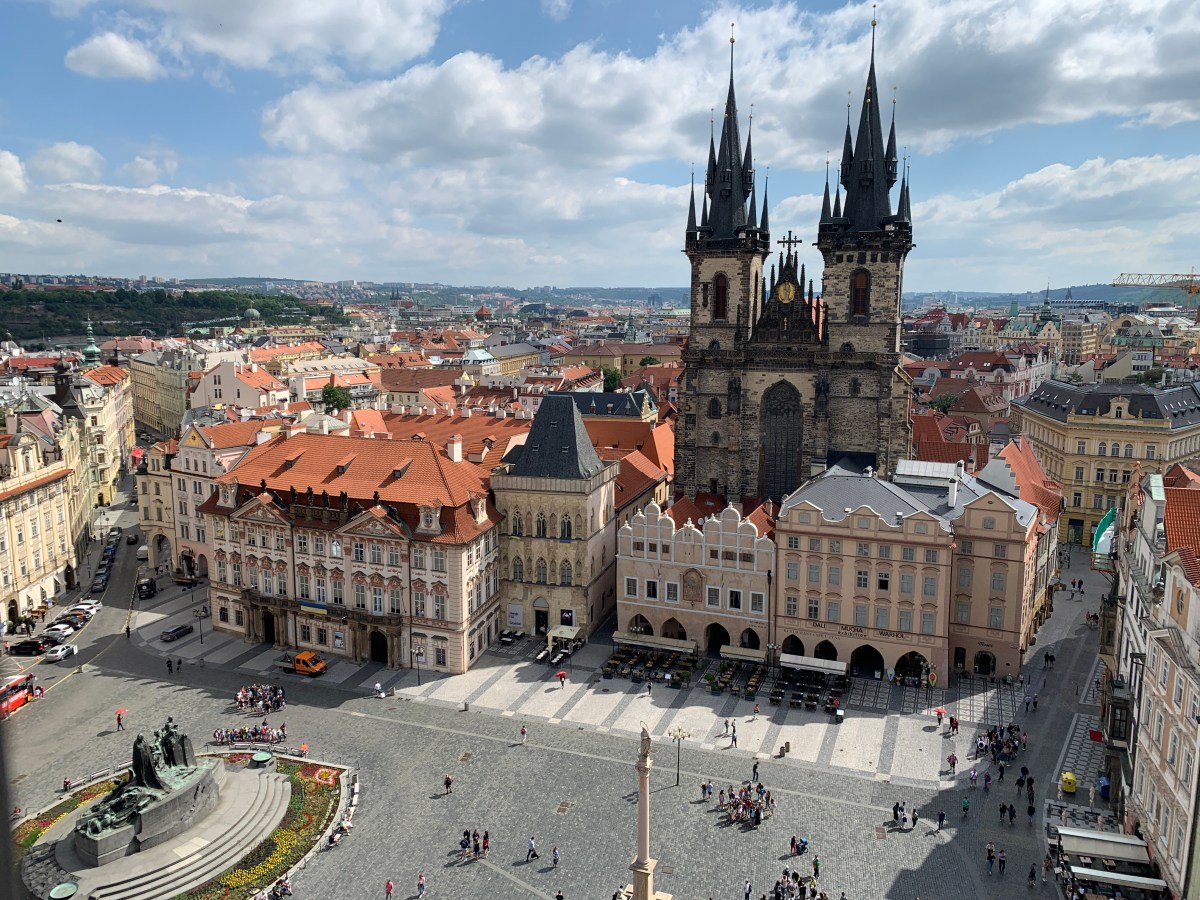
The astronomical clock in Prague, Czech Republic is an extraordinary masterpiece of medieval engineering and a renowned symbol of the city’s rich history. Located in the heart of Prague’s Old Town Square, the clock is known as the Prague Astronomical Clock or the Orloj.
The clock was first installed in 1410 on the southern wall of the Old Town City Hall. It consists of three main components: the astronomical dial, the hourly show, and the calendar dial. The astronomical dial is the central feature and displays various astronomical and astrological information, including the position of the Sun and Moon in the sky, the time, the date, and even the current zodiac sign.
The hourly show is one of the most captivating aspects of the astronomical clock. Every hour, when the clock strikes, a procession of apostles appears from two small windows above the astronomical dial. The figures move, representing the passing of time, and various other sculptures come to life, including a skeleton, a Turk, and a vanity figure.
The history and legends surrounding the Prague Astronomical Clock add to its allure. One legend tells the story of Master Hanuš, the clock’s original creator. According to the legend, the city councilors were so impressed with Hanuš’s masterpiece that they feared he might replicate it elsewhere. To prevent this, they blinded him, ensuring that he would never build a clock as magnificent as the Prague Astronomical Clock again. In revenge, Hanuš allegedly damaged the clock’s mechanism, which remained broken for centuries until it was repaired in the 19th century.
Another legend suggests that if the clock were to ever stop, disaster would befall the city. In 1945, during the Prague Uprising near the end of World War II, the Nazis damaged the clock, causing it to stop for a brief period. According to the legend, the halted clock brought bad luck to the Germans and spelled their defeat.
Visiting the Prague Astronomical Clock is a must for anyone traveling to Prague. It not only offers a glimpse into the city’s medieval past but also showcases the ingenuity and craftsmanship of the time. The intricate details and the hourly show are fascinating to observe, and the clock’s rich history and legends add a layer of mystique and wonder. Standing in the Old Town Square, surrounded by the stunning architecture and the lively atmosphere, the astronomical clock is a true marvel that embodies the spirit of Prague.
Visit Notes
Along with the Charles Bridge you are also going to stop here. You just are. It’s probably a law. I happen to love clocks and all things mechanical, so I find the clock fascinating to watch. If you are inside the town hall when the hour strikes you will get to see the figures moving from inside the mechanism.
You will be with a crowd when the clock strikes the hour, so if you don’t like crowds maybe go admire the clock after the crowds disperse.
Details
Staroměstské nám. 1, 110 00 Josefov, Czechia
Photos


Other Sights
-
Klementinum

Located in the heart of Prague, the Klementinum is one of the largest and most significant historic complexes in Europe. It encompasses a vast area and consists of various stunning buildings, including the Baroque Library Hall, the Astronomical Tower, the Mirror Chapel, and the Chapel of the Assumption of the Virgin Mary.
The centerpiece of the Klementinum is undoubtedly the Baroque Library Hall, which is often described as one of the most beautiful libraries in the world. As you step into the hall, you’ll be greeted by a mesmerizing sight of thousands of ancient books, meticulously arranged on dark wooden shelves that reach the ceiling. The library’s ceiling is adorned with breathtaking frescoes and stucco decorations, adding to the overall grandeur of the space. It’s a true paradise for book lovers and history enthusiasts.
If you’re interested in astronomy, make sure to visit the Astronomical Tower. Climb up the narrow spiral staircase, and you’ll be rewarded with panoramic views of Prague’s historic center. The tower also houses a fascinating exhibition on astronomical instruments, providing insights into the scientific advancements of the past.
The Mirror Chapel is another remarkable attraction within the Klementinum. It’s a place where music lovers will find solace. The chapel’s interior is adorned with intricate stucco decorations, but what sets it apart is its exceptional acoustics. Attending a concert or a performance here is a truly magical experience, as the sound resonates beautifully throughout the space.
Lastly, don’t forget to explore the Chapel of the Assumption of the Virgin Mary. This hidden gem features an exquisite Baroque interior with impressive altar pieces and delicate sculptures. It offers a serene and contemplative atmosphere, allowing visitors to escape the hustle and bustle of the city.
Beyond its architectural wonders, the Klementinum boasts a rich history. It dates back to the 16th century when it was established as a Jesuit college. Over the centuries, it has served various educational and cultural purposes, and it continues to be an important hub for academic and cultural activities in Prague.
Visit Notes
Access to the Klementinum is by tour. Booking your forty-five minute tour in advance is recommended during the high season. Our tour guide was friendly and informative.
The library is gorgeous, I would love to have a room just like it in my home. As it is, I have to sell books periodically because I’m always running out of space. The views from the tower are expansive and the climb to the top was not as scary as other towers in town. There was a lady on our tour who was terrified while we were out on the balcony itself, but you can decide how long you stay out there.
Details
Mariánské nám. 5, 110 00 Staré Město, Czechia
January and February
10:00 – 16:30
March to October
10:00 – 18:00
November and December
10:00 – 17:30
Attraction opening days and times can change with no warning.
Always double-check information with the official website before making any plans
Photos


-
Charles Bridge

(AKA Karlův most)
The Charles Bridge is a magnificent and iconic landmark located in the heart of Prague, the capital city of the Czech Republic. It is one of the most visited and beloved attractions in the city, renowned for its architectural beauty, historical significance, and breathtaking views.
Spanning the Vltava River, the Charles Bridge connects the Old Town (Staré Město) with the Lesser Town (Malá Strana). Its construction began in 1357 under the patronage of King Charles IV and was completed in the early 15th century. This remarkable stone bridge stretches for about 520 meters (1,706 feet) and is adorned with a total of 30 statues, mostly in Baroque style, along its sides.
Walking across the Charles Bridge is like stepping into a living piece of history. The bridge has witnessed countless events throughout the centuries and has become an emblem of Prague’s rich past. As you stroll along the cobblestone path, you can imagine the footsteps of kings, artists, and ordinary people who have traversed this iconic structure.
Aside from its historical significance, the Charles Bridge offers stunning panoramic views of the city. From the bridge, you can admire Prague Castle, the picturesque red rooftops, and the spires of various churches. The scenery is particularly enchanting during sunrise or sunset when the soft golden light bathes the city, creating a magical atmosphere.
While the Charles Bridge is a popular attraction, it is also a vibrant hub of activity. Street artists, musicians, and vendors line the bridge, creating a lively ambiance. You can find local artisans selling their crafts, caricature artists capturing your likeness, and musicians playing enchanting melodies that resonate through the arches.
To fully appreciate the charm of the Charles Bridge, it is advisable to visit early in the morning or late in the evening when the crowds are thinner, allowing you to soak in the beauty and serenity of the surroundings. You can also explore the nearby areas, such as the Old Town Square or the Prague Castle, to further immerse yourself in the historical and cultural richness of Prague.
Visit Notes
If you’re in Prague you will be visiting the Charles Bridge. I think it’s probably the law. It’s beautiful and it draws crowds for good reason. I have an unnatural obsession with carved stone, so my favorite thing to do is look at all the statues and find details I didn’t see before. Also, quick tip, it’s much more enjoyable to stroll across the bridge while eating ice cream.
Details
Karlův most, 110 00 Praha 1, Czechia
Photos


-
Restaurant Dačický

If you’re spending some time in Kutná Hora you’re going to need to eat. Do yourself a favor and go to Restaurant Dačický. If the weather is nice, request a table outside. The garden is lovely and the food is delicious. I was going to order something from the regular menu but let the waiter talk me into the hamburger of the day. Totally worth it.
For the beer drinkers out there, try the Kutná Hora unpasteurized beer. It was extremely tasty and I’m sad I can’t get it at home.
Photos
















About Me
The sky is not completely dark at night. Were the sky absolutely dark, one would not be able to see the silhouette of an object against the sky.
Follow Me On
Subscribe To My Newsletter
Subscribe for new travel stories and exclusive content.
 Meticulous Meanderings
You must be logged in to post a comment.