
Hello, I’m Veronica
The sky is not completely dark at night. Were the sky absolutely dark, one would not be able to see the silhouette of an object against the sky.


-
Igreja Paroquial da Graça

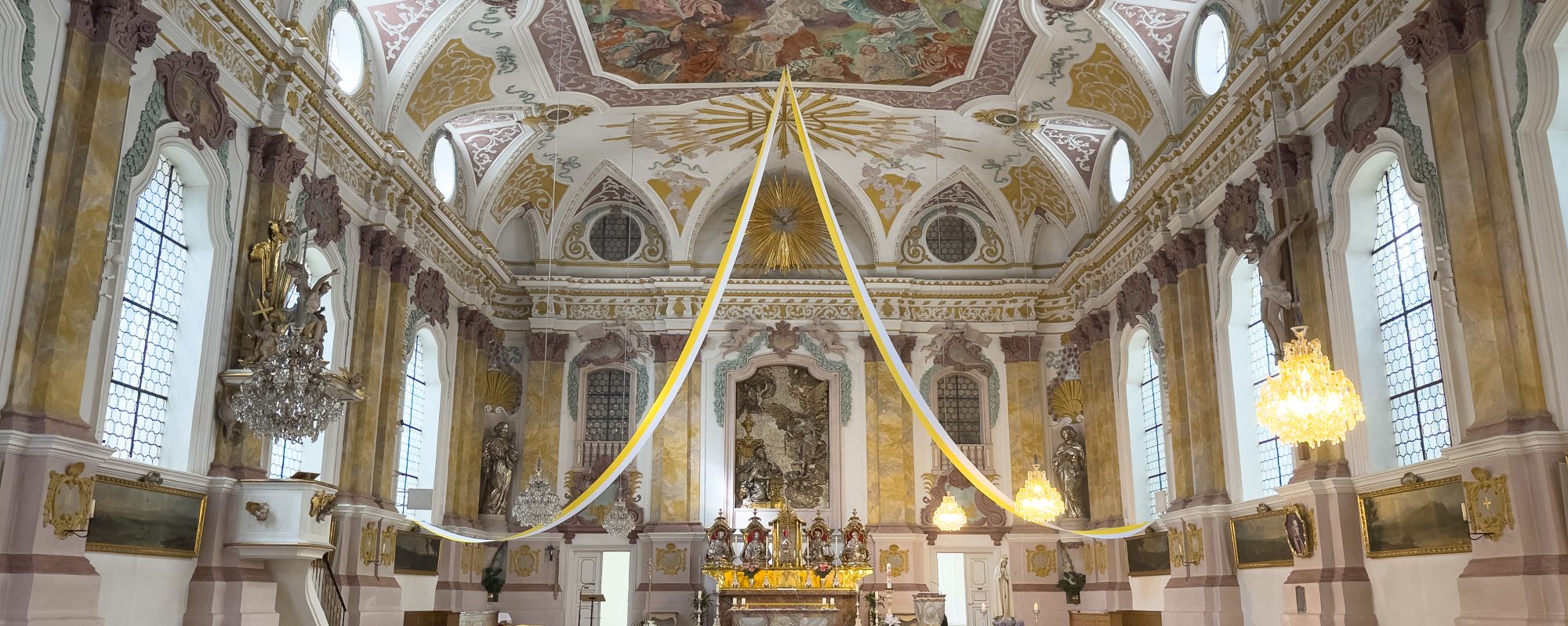
The Igreja Paroquial da Graça, also known as the Church of Nossa Senhora da Graça, is one of Lisbon’s most historic and impressive churches, offering visitors both stunning architecture and breathtaking views from its location in the Graça neighborhood. Originally built in the 13th century, the church was later rebuilt in the Baroque style after being damaged in the 1755 earthquake. Its elegant facade and richly decorated interior, featuring intricate woodwork, gilded altars, and beautiful azulejo tiles, make it a hidden gem for lovers of history and art.
Located near the famous Miradouro da Graça, the church is a great stop for visitors exploring Lisbon’s Alfama and Graça districts. Inside, you’ll find the tomb of Vasco da Gama’s chaplain, as well as ornate chapels filled with religious artwork. The church is also an important site during Lisbon’s Feast of Saint Anthony celebrations. Whether you’re drawn by its historical significance, artistic beauty, or peaceful atmosphere, the Igreja Paroquial da Graça is well worth a visit.
Visit Notes
If you’re already visiting the Graça Viewpoint, make sure you take some time to also visit this lovely church. There are fabulous details all around, from paintings and statues, to chandeliers and intricate tiles. For some reason, I particularly loved the statues here and spent quite a bit of time photographing them.
Details
Largo da Graça 94, 1170-165 Lisboa, Portugal
Photos


Nearby
Miradouro da Graça
The Miradouro da Graça, also known as the Miradouro Sophia de Mello Breyner Andresen, is one of Lisbon’s most stunning viewpoints, offering a breathtaking panoramic view over the city. Located in the historic Graça neighborhood, this miradouro sits on one of Lisbon’s highest hills, providing an unparalleled perspective of landmarks like the São Jorge Castle,…
Castelo de São Jorge
Perched on a hilltop in the historic Alfama district, the Castelo de São Jorge (St George Castle, Castle of Saint George) has been a prominent feature of the city’s skyline for centuries. Its origins can be traced back to the 6th century when it was built as a Moorish fortress. Over the years, it underwent…
Miradouro da Senhora do Monte
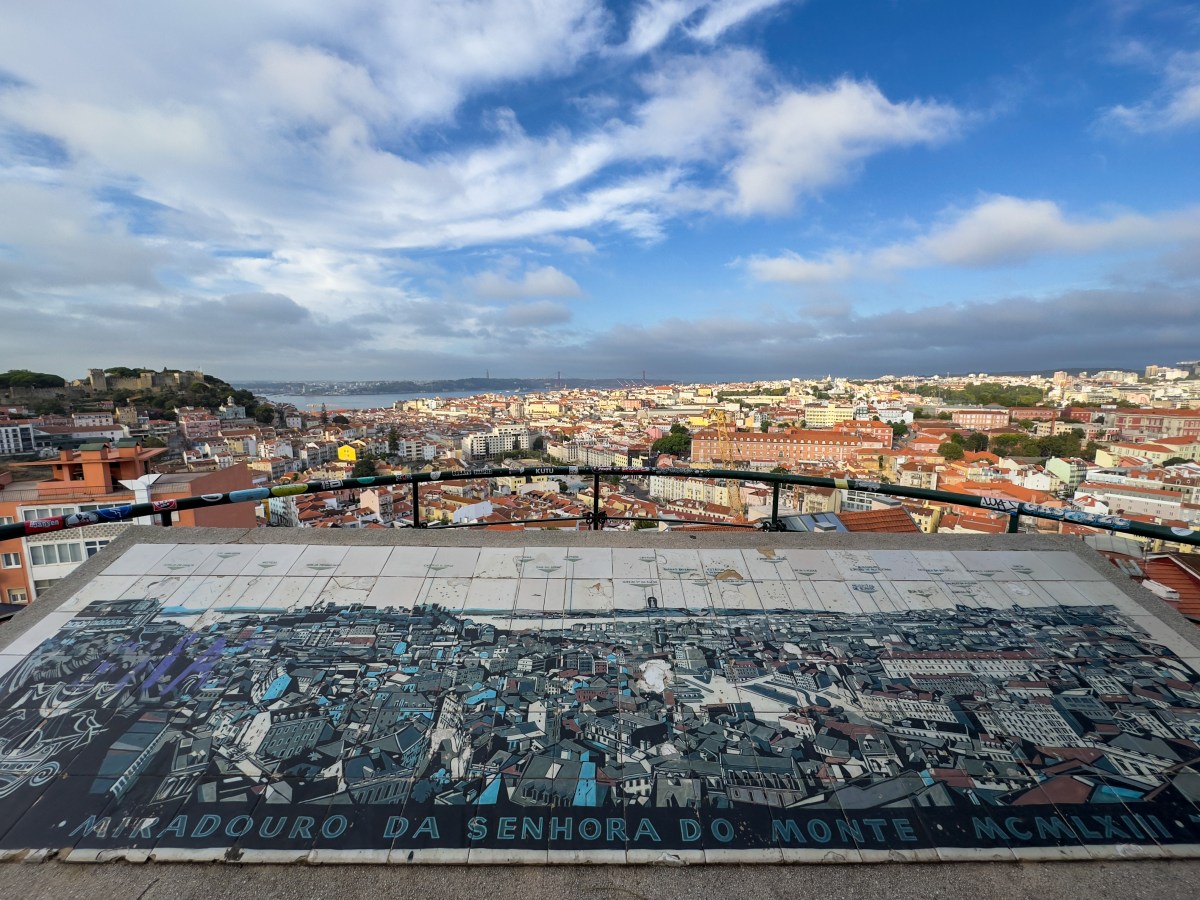
The Miradouro da Senhora do Monte (Viewpoint of the Lady of the Hill) is an absolute gem among the many breathtaking viewpoints in Lisbon, Portugal. Perched high atop one of the city’s seven hills, this miradouro (or viewpoint) offers visitors a mesmerizing panoramic view of the vibrant cityscape below. As you arrive at the Miradouro…
Other Sights
-
Miradouro da Graça

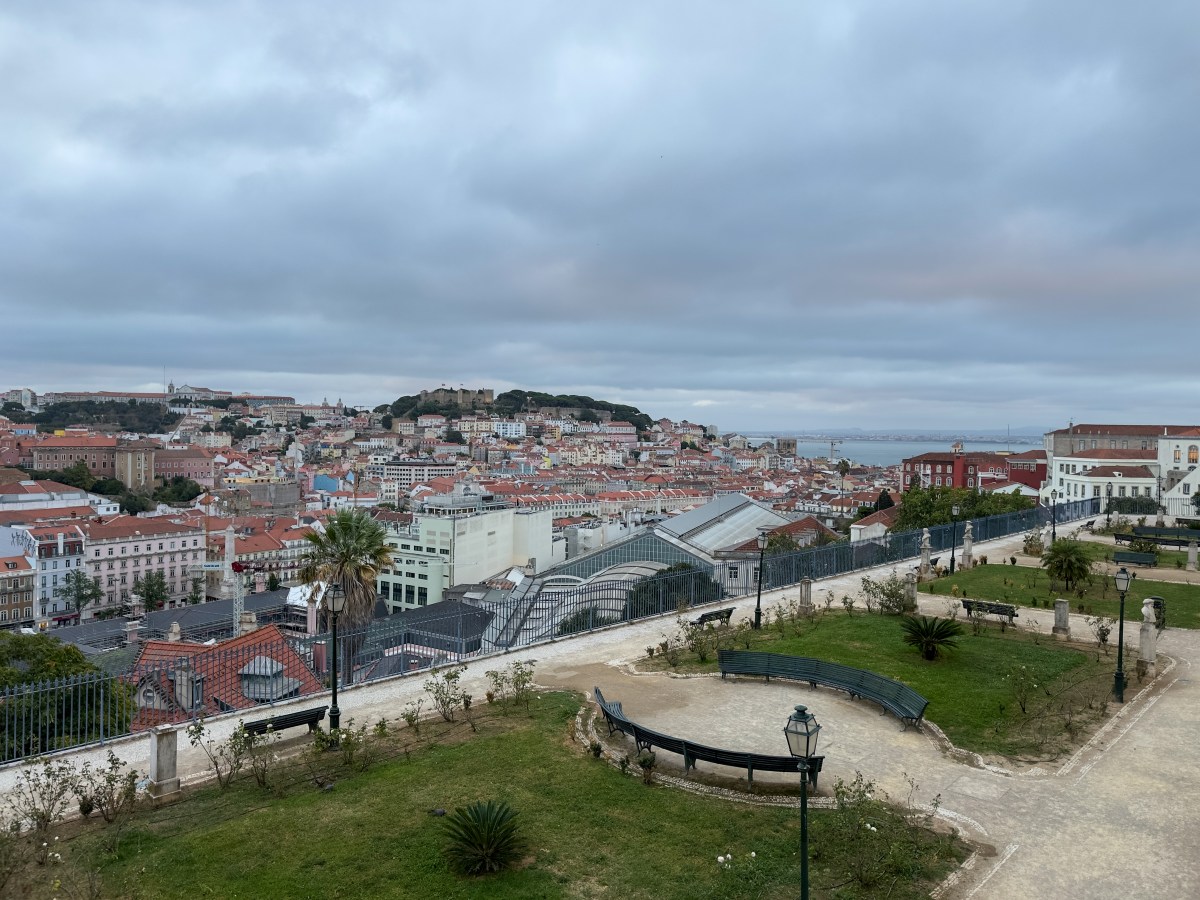
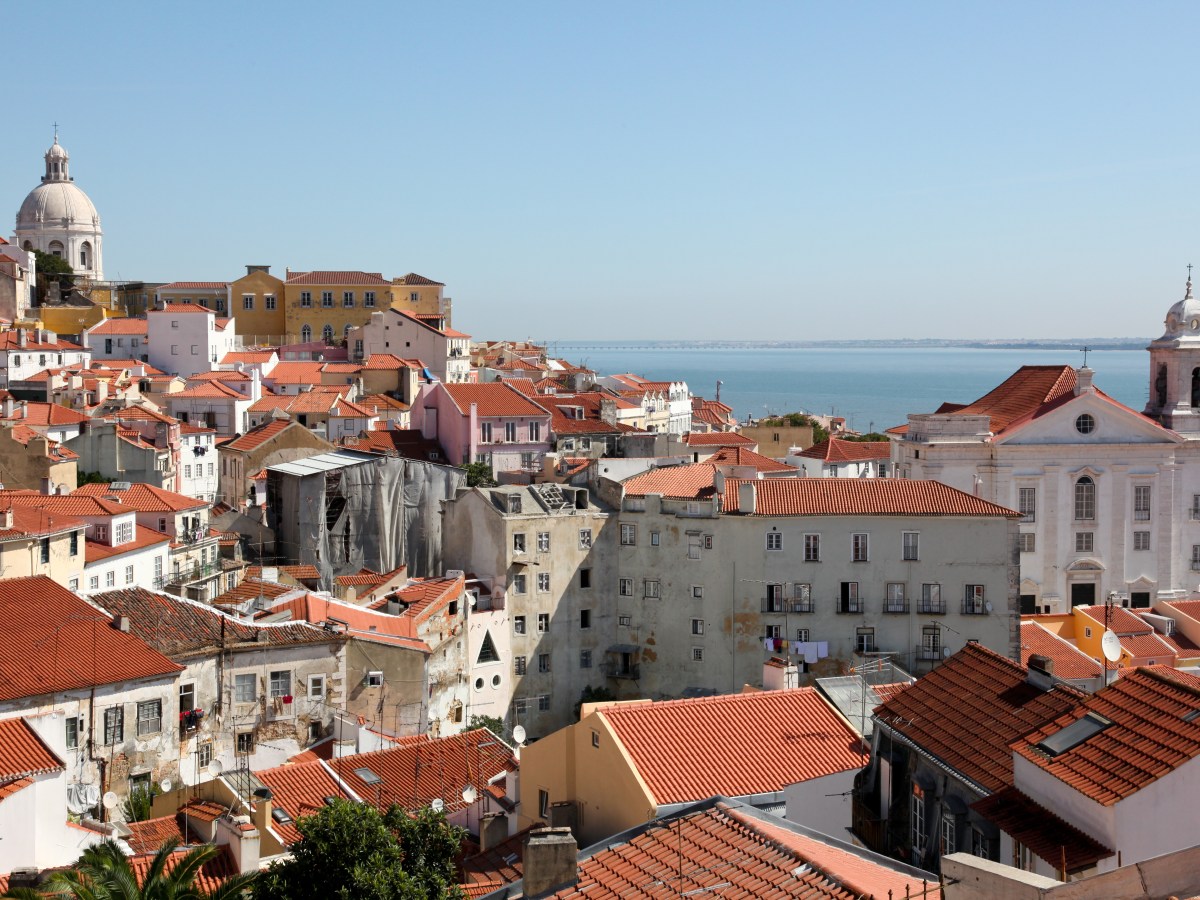
The Miradouro da Graça, also known as the Miradouro Sophia de Mello Breyner Andresen, is one of Lisbon’s most stunning viewpoints, offering a breathtaking panoramic view over the city. Located in the historic Graça neighborhood, this miradouro sits on one of Lisbon’s highest hills, providing an unparalleled perspective of landmarks like the São Jorge Castle, the Tagus River, and the iconic red rooftops of the city’s old town.
What makes Miradouro da Graça especially inviting is its laid-back atmosphere, with a shaded terrace café where visitors can enjoy a coffee or a drink while soaking in the view. Locals and tourists alike gather here to relax, often accompanied by live music from street performers. The viewpoint is also home to a beautiful church, the Igreja da Graça, which dates back to the 13th century and adds to the site’s historical charm.
A visit to Miradouro da Graça is perfect for sunset, when the city lights begin to twinkle, creating a magical setting. Whether you arrive by foot or take the famous Tram 28, this is one of the best places to pause, admire Lisbon’s beauty, and experience the city’s relaxed, scenic charm.
Visit Notes
There are many viewpoints throughout Lisbon, and I consider all of them worth visiting. Whenever possible, you should bring along a snack or your preferred drink so you can sit for a bit and enjoy the view. Unless you have an unlimited amount of time in Lisbon, I recommend visiting the viewpoints that you happen to be near rather than going out of your way to visit any viewpoint in particular. I don’t think Lisbon has a single bad angle.
The church that faces the viewpoint (Church of Our Lady of Grace) is a worthwhile addition to a visit to the viewpoint.
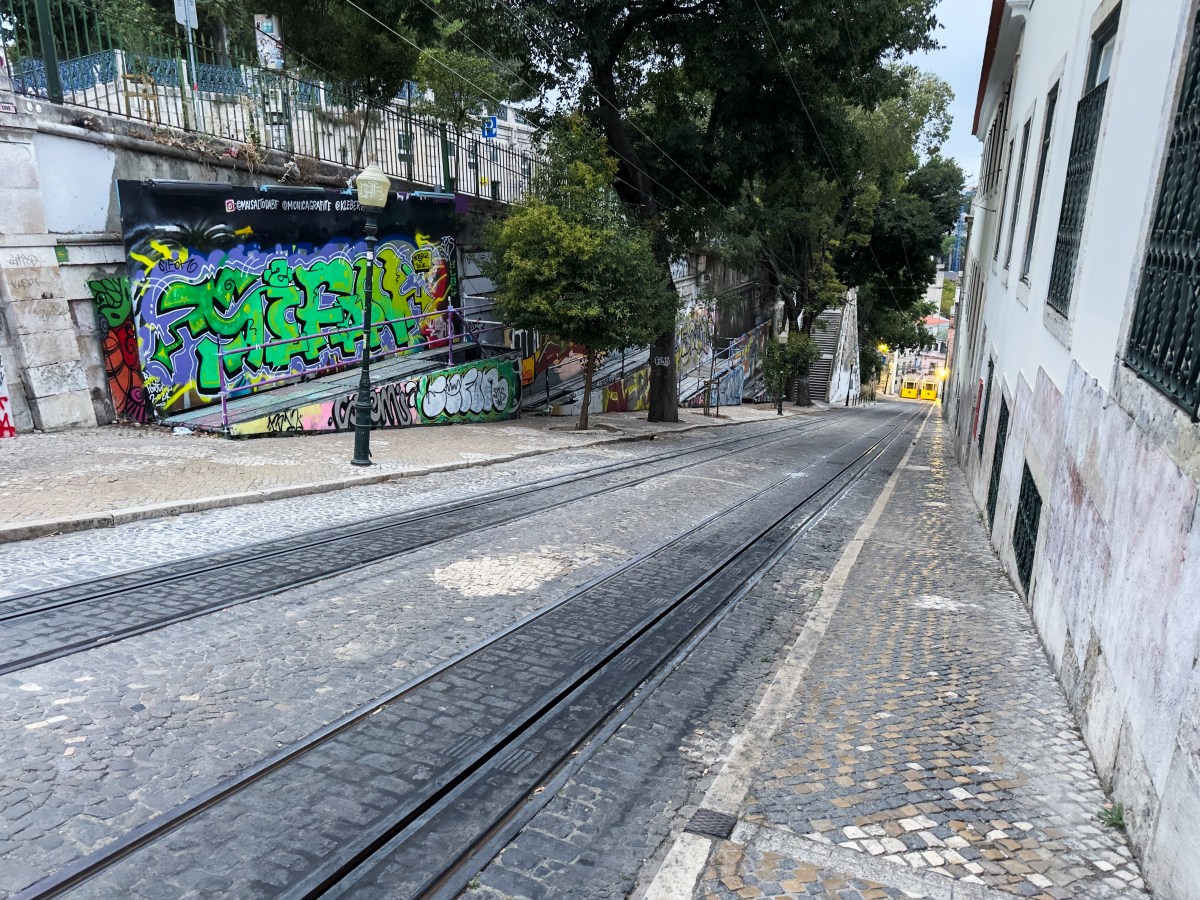
There is a funicular that will take you up to this viewpoint, but I enjoyed taking the stairs and perusing the great street art covering the walls of the staircase.
Details
Calçada da Graça, 1100-265 Lisboa, Portugal
Photos


Nearby
Igreja Paroquial da Graça
The Igreja Paroquial da Graça, also known as the Church of Nossa Senhora da Graça, is one of Lisbon’s most historic and impressive churches, offering visitors both stunning architecture and breathtaking views from its location in the Graça neighborhood. Originally built in the 13th century, the church was later rebuilt in the Baroque style after…
Church of São Vicente de Fora
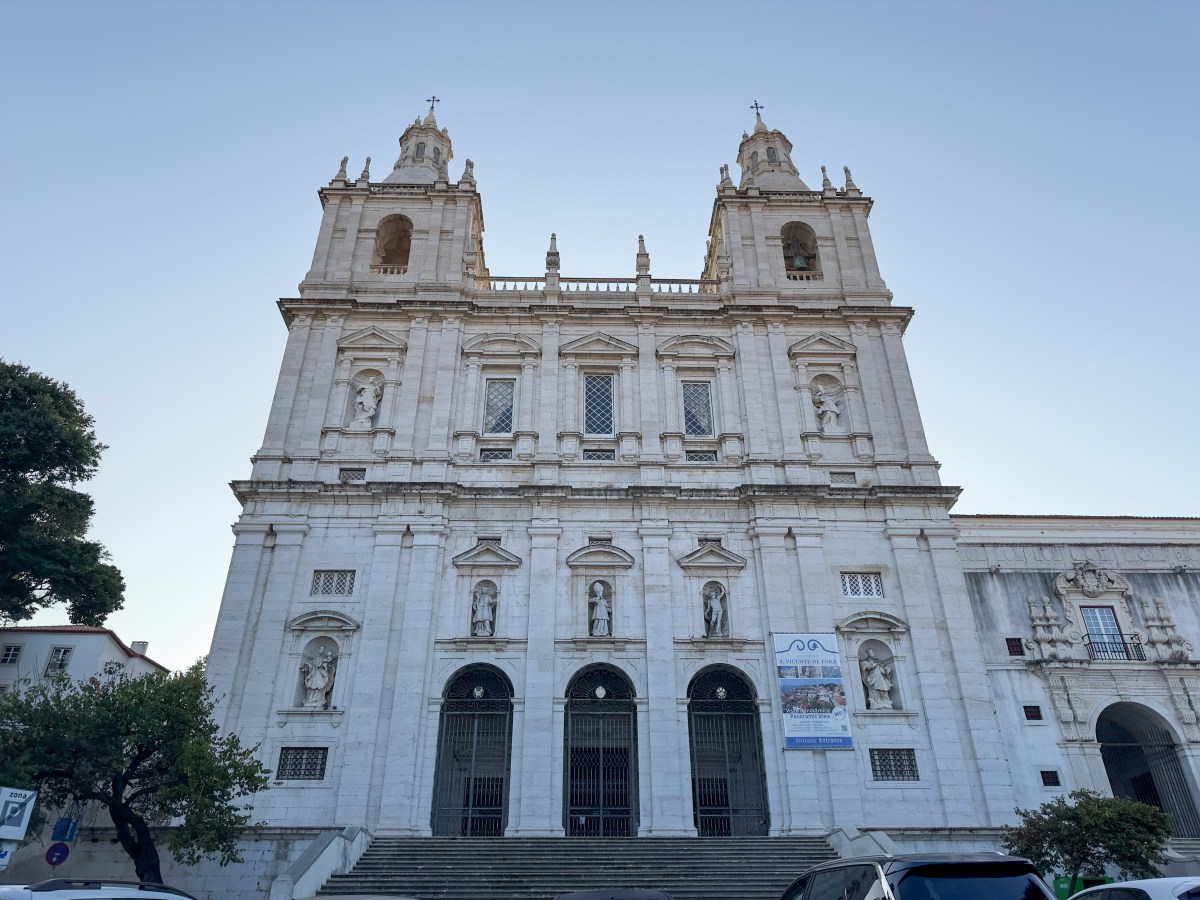
The Mosteiro de São Vicente de Fora, also known as the Monastery of Saint Vincent Outside the Walls, is a magnificent and historic monument located in Lisbon, Portugal. It is definitely worth a visit if you’re interested in exploring the city’s rich cultural and architectural heritage. First and foremost, the monastery is renowned for its…
Castelo de São Jorge
Perched on a hilltop in the historic Alfama district, the Castelo de São Jorge (St George Castle, Castle of Saint George) has been a prominent feature of the city’s skyline for centuries. Its origins can be traced back to the 6th century when it was built as a Moorish fortress. Over the years, it underwent…
-
Igreja do Santíssimo Sacramento
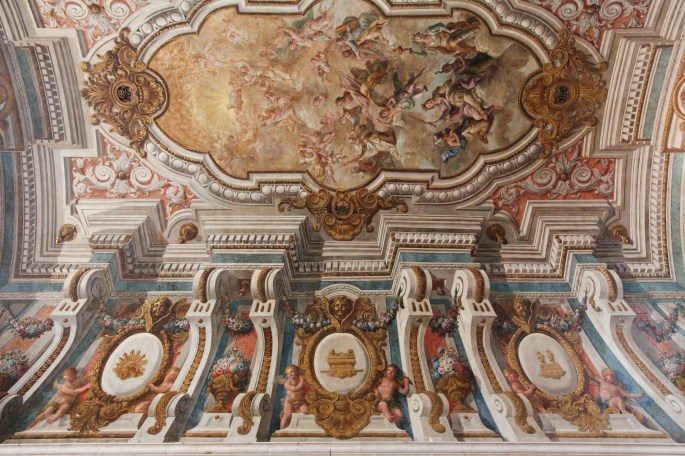
The Igreja do Santíssimo Sacramento, or the Church of the Most Holy Sacrament, is a magnificent religious site located in Lisbon, Portugal. It is definitely worth a visit for anyone interested in exploring the city’s rich historical and cultural heritage.
Situated in the heart of Lisbon’s downtown area, the church stands as a beautiful example of Baroque architecture. Its elegant facade, adorned with intricate stonework and statues, captures the attention of passersby. As you approach the entrance, you’ll be greeted by a grand set of stairs that lead to the church’s imposing wooden doors.
The interior of the Igreja do Santíssimo Sacramento is a sight to behold. The church boasts a spacious nave with high ceilings, ornate columns, and splendid artwork. The altarpiece, crafted in lavish gold, draws your gaze with its detailed carvings and delicate religious motifs.
As you explore further, you’ll discover various chapels dedicated to different saints, each with its own distinct character and decorative elements. These smaller spaces offer a more intimate experience and provide an opportunity for reflection and prayer.
The Igreja do Santíssimo Sacramento also houses an impressive collection of religious artifacts, including sculptures, paintings, and religious relics. These treasures offer a glimpse into the church’s history and provide insight into the devotion and spirituality of the local community.
In addition to its cultural and religious significance, the church is conveniently located near other popular attractions in Lisbon. It’s situated within walking distance of the Rossio Square, the bustling Baixa district, and the vibrant Chiado neighborhood, making it an ideal stop on a sightseeing tour.
Whether you’re an architecture enthusiast, an art lover, or a spiritual seeker, the Igreja do Santíssimo Sacramento is a place that offers a blend of beauty, history, and reverence. Its grandeur and serene atmosphere make it a must-visit destination for those exploring the vibrant city of Lisbon.
Visit Notes
The highlight of this church is definitely the lovely ceiling. It is painted to give it an impressive 3D effect, making you wonder whether it’s really plaster work or just painted to look that way.
Photos


Nearby
Santa Justa Elevator
The Santa Justa Elevator (Elevador de Santa Justa), located in Lisbon, Portugal, is a magnificent piece of engineering and a popular tourist attraction. It was designed by engineer Raoul Mesnier du Ponsard and opened to the public in 1902. The elevator is an impressive iron structure that connects the lower Baixa district with the higher…
Carmo Convent
The Carmo Convent, located in Lisbon, Portugal, is an interesting historical site that stands as a poignant reminder of the devastating earthquake that struck the city in 1755. The convent, originally built in the 14th century, was severely damaged during the earthquake, leaving its magnificent Gothic architecture in ruins. Today, the Carmo Convent stands as…
Dom Pedro IV Square
Also known as Rossio Square, the square is named after Dom Pedro IV, who was both the king of Portugal and the first emperor of Brazil. It has a rich historical significance and has been a central hub of activity for centuries. Its strategic location has made it a significant meeting point and a witness…
Rua Augusta
Rua Augusta is a vibrant and iconic street located in the heart of Lisbon, Portugal. It stretches from the majestic Praça do Comércio to the lively Rossio Square, making it a central hub for both locals and tourists alike. If you’re considering visiting Lisbon, Rua Augusta is definitely a must-see destination. As you step onto…
-
Igreja de Nossa Senhora do Loreto dos Italianos

The Igreja de Nossa Senhora do Loreto dos Italianos, often simply known as the Church of Our Lady of Loreto, is a magnificent Baroque-style church located in the bustling Chiado district of Lisbon, right on Largo do Chiado. Built in the late 16th century by the Italian community in Lisbon, it served as their main place of worship and remains a testament to their presence and influence in the city.
The church was severely damaged during the 1755 Lisbon Earthquake but was rebuilt in the late 18th century with beautiful Baroque and Rococo architectural details. Its façade is adorned with intricate sculptures and classical elements, giving it an imposing yet graceful appearance. The interior is richly decorated with gilded woodwork, frescoes, and marble that reflect the elegance and grandeur of the period.
A particular highlight is the stunning ceiling fresco, depicting the Assumption of the Virgin, surrounded by elaborate stucco work. The side chapels are equally impressive, with beautifully crafted altars and religious artwork. The main altar is dedicated to Our Lady of Loreto, featuring a statue of the Virgin Mary that is particularly revered by the Italian community.
Visiting this church offers a glimpse into the history of Lisbon’s Italian community and their artistic contributions. It’s a peaceful sanctuary within the lively Chiado neighborhood, and its proximity to other notable sites like the Igreja de Nossa Senhora da Encarnação and Carmo Convent makes it an easy and rewarding stop.
Visit Notes
Since my first visit to this church, they’ve installed a huge oval ceiling light. On the one hand, it’s nice to see the ceiling frescoes better. On the other hand, it’s kind of an eyesore.
This church is directly across from the Igreja de Nossa Senhora da Encarnação so it’s natural to compare the two. They are both lovely in their own way, however, I prefer the Encarnação across the street. Both are worth visiting and since they are so close to one another, why wouldn’t you pop into both?
Photos


Nearby
Igreja de Nossa Senhora da Encarnação
The Igreja de Nossa Senhora da Encarnação is a beautiful 18th-century Baroque and Neoclassical church located in the lively Chiado district of Lisbon, right on Largo do Chiado. Originally constructed in 1708, it was heavily damaged during the 1755 Lisbon Earthquake and subsequently rebuilt, reopening in 1784 with a more refined, elegant design. The church’s…
Praça Luís de Camões
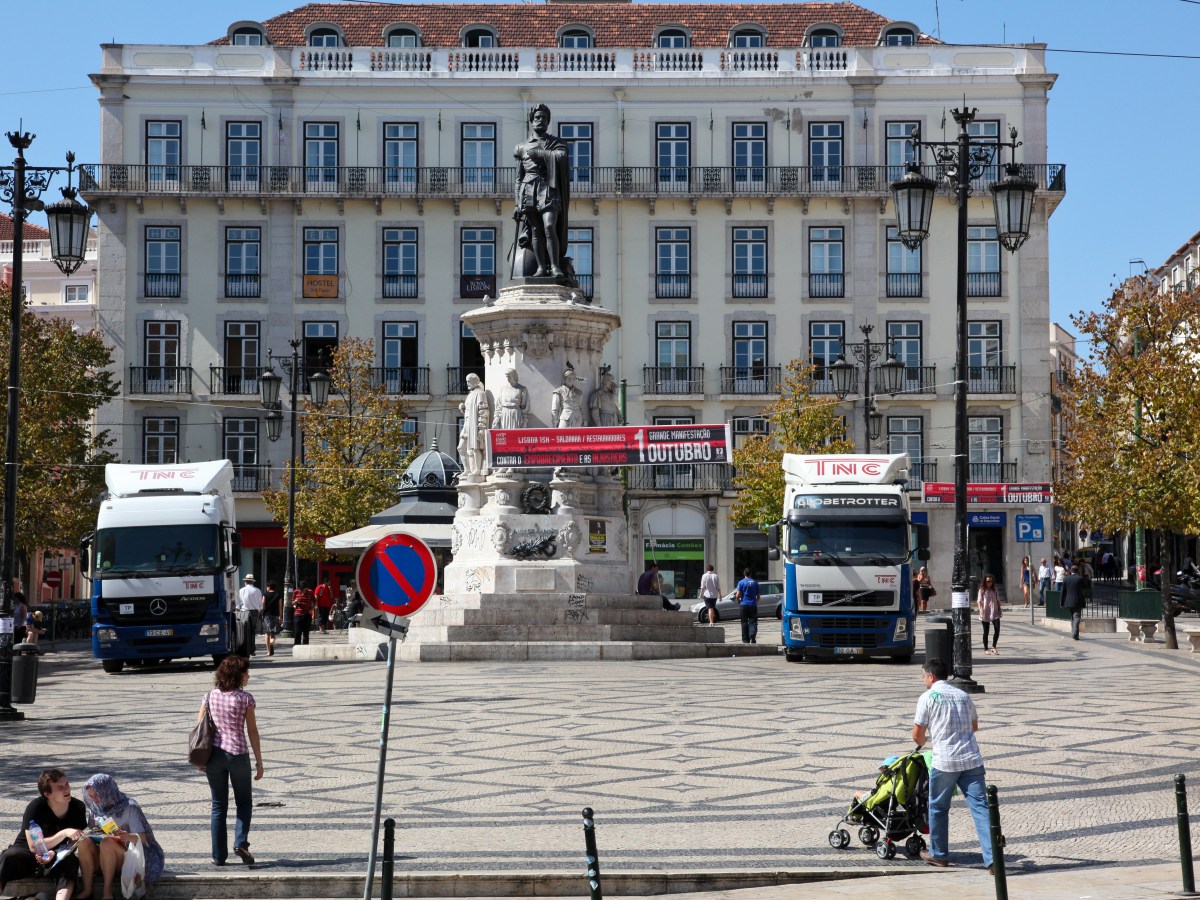
Praça Luís de Camões is one of Lisbon’s most iconic and lively squares, located at the intersection of the Chiado and Bairro Alto districts. Named after Luís de Camões, Portugal’s greatest poet, the square is dominated by an impressive statue of Camões surrounded by smaller sculptures of other famous Portuguese literary figures. The square is…
Elevador da Bica
The Elevador da Bica is one of Lisbon’s most charming and iconic funiculars, connecting the Rua de São Paulo with the Largo do Calhariz as it climbs the steep, narrow Bica de Duarte Belo street. Opened in 1892, this funicular was designed to help residents and visitors navigate the city’s hilly terrain with ease, and…
Santa Justa Elevator
The Santa Justa Elevator (Elevador de Santa Justa), located in Lisbon, Portugal, is a magnificent piece of engineering and a popular tourist attraction. It was designed by engineer Raoul Mesnier du Ponsard and opened to the public in 1902. The elevator is an impressive iron structure that connects the lower Baixa district with the higher…
Carmo Convent
The Carmo Convent, located in Lisbon, Portugal, is an interesting historical site that stands as a poignant reminder of the devastating earthquake that struck the city in 1755. The convent, originally built in the 14th century, was severely damaged during the earthquake, leaving its magnificent Gothic architecture in ruins. Today, the Carmo Convent stands as…
-
Igreja de Nossa Senhora da Encarnação
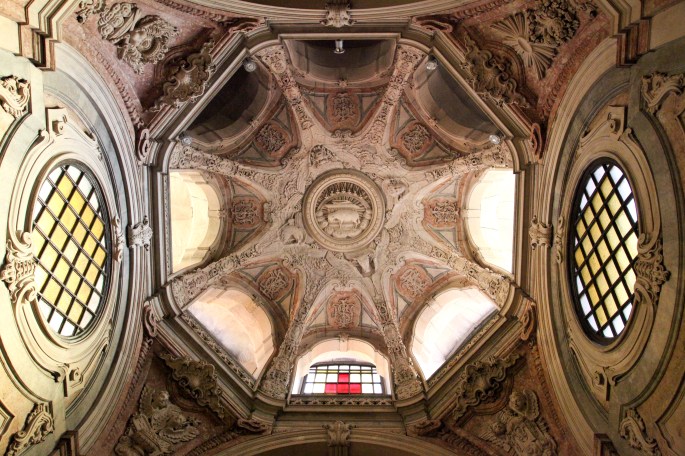
The Igreja de Nossa Senhora da Encarnação is a beautiful 18th-century Baroque and Neoclassical church located in the lively Chiado district of Lisbon, right on Largo do Chiado. Originally constructed in 1708, it was heavily damaged during the 1755 Lisbon Earthquake and subsequently rebuilt, reopening in 1784 with a more refined, elegant design.
The church’s façade is striking, featuring classical columns and a triangular pediment that give it a stately presence on the bustling square. The interior is equally impressive, with a single nave adorned with intricate stucco work, gilded wood carvings, and beautiful marble altars. The rich decoration reflects the grandeur of late Baroque and early Neoclassical styles, combining opulence with more restrained classical elements.
One of the highlights is the main altar, dedicated to Our Lady of the Incarnation, which showcases a statue of the Virgin Mary surrounded by elegant ornamentation. The ceiling features elaborate frescoes, adding a sense of depth and beauty to the serene atmosphere.
The Igreja de Nossa Senhora da Encarnação is a wonderful stop for anyone exploring the Chiado area, especially those with an interest in Lisbon’s religious art and architecture. Its central location makes it easy to visit while enjoying the nearby shops, cafés, and historic sites.
Visit Notes
We passed this church every day during our visit and couldn’t resist going inside. The ceilings are beautifully painted and, unlike many churches, this one is quite bright inside. We spent some time absorbing all the details and statues, and had the place almost entirely to ourselves. It was a peaceful way to spend half an hour, out of the sun and away from the crowds.
Photos


Nearby
Igreja de Nossa Senhora do Loreto dos Italianos
The Igreja de Nossa Senhora do Loreto dos Italianos, often simply known as the Church of Our Lady of Loreto, is a magnificent Baroque-style church located in the bustling Chiado district of Lisbon, right on Largo do Chiado. Built in the late 16th century by the Italian community in Lisbon, it served as their main…
Praça Luís de Camões
Praça Luís de Camões is one of Lisbon’s most iconic and lively squares, located at the intersection of the Chiado and Bairro Alto districts. Named after Luís de Camões, Portugal’s greatest poet, the square is dominated by an impressive statue of Camões surrounded by smaller sculptures of other famous Portuguese literary figures. The square is…
Elevador da Bica
The Elevador da Bica is one of Lisbon’s most charming and iconic funiculars, connecting the Rua de São Paulo with the Largo do Calhariz as it climbs the steep, narrow Bica de Duarte Belo street. Opened in 1892, this funicular was designed to help residents and visitors navigate the city’s hilly terrain with ease, and…
Santa Justa Elevator
The Santa Justa Elevator (Elevador de Santa Justa), located in Lisbon, Portugal, is a magnificent piece of engineering and a popular tourist attraction. It was designed by engineer Raoul Mesnier du Ponsard and opened to the public in 1902. The elevator is an impressive iron structure that connects the lower Baixa district with the higher…
Carmo Convent
The Carmo Convent, located in Lisbon, Portugal, is an interesting historical site that stands as a poignant reminder of the devastating earthquake that struck the city in 1755. The convent, originally built in the 14th century, was severely damaged during the earthquake, leaving its magnificent Gothic architecture in ruins. Today, the Carmo Convent stands as…




















About Me
The sky is not completely dark at night. Were the sky absolutely dark, one would not be able to see the silhouette of an object against the sky.
Follow Me On
Subscribe To My Newsletter
Subscribe for new travel stories and exclusive content.
 Meticulous Meanderings
You must be logged in to post a comment.