
Hello, I’m Veronica
The sky is not completely dark at night. Were the sky absolutely dark, one would not be able to see the silhouette of an object against the sky.


-
Palácio do Raio
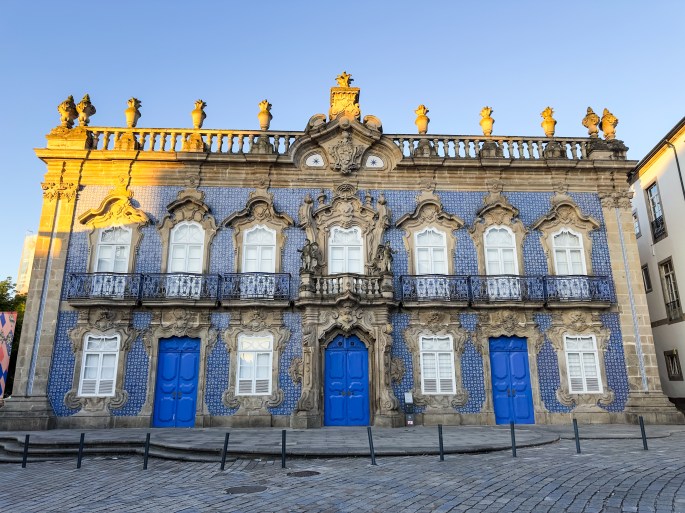
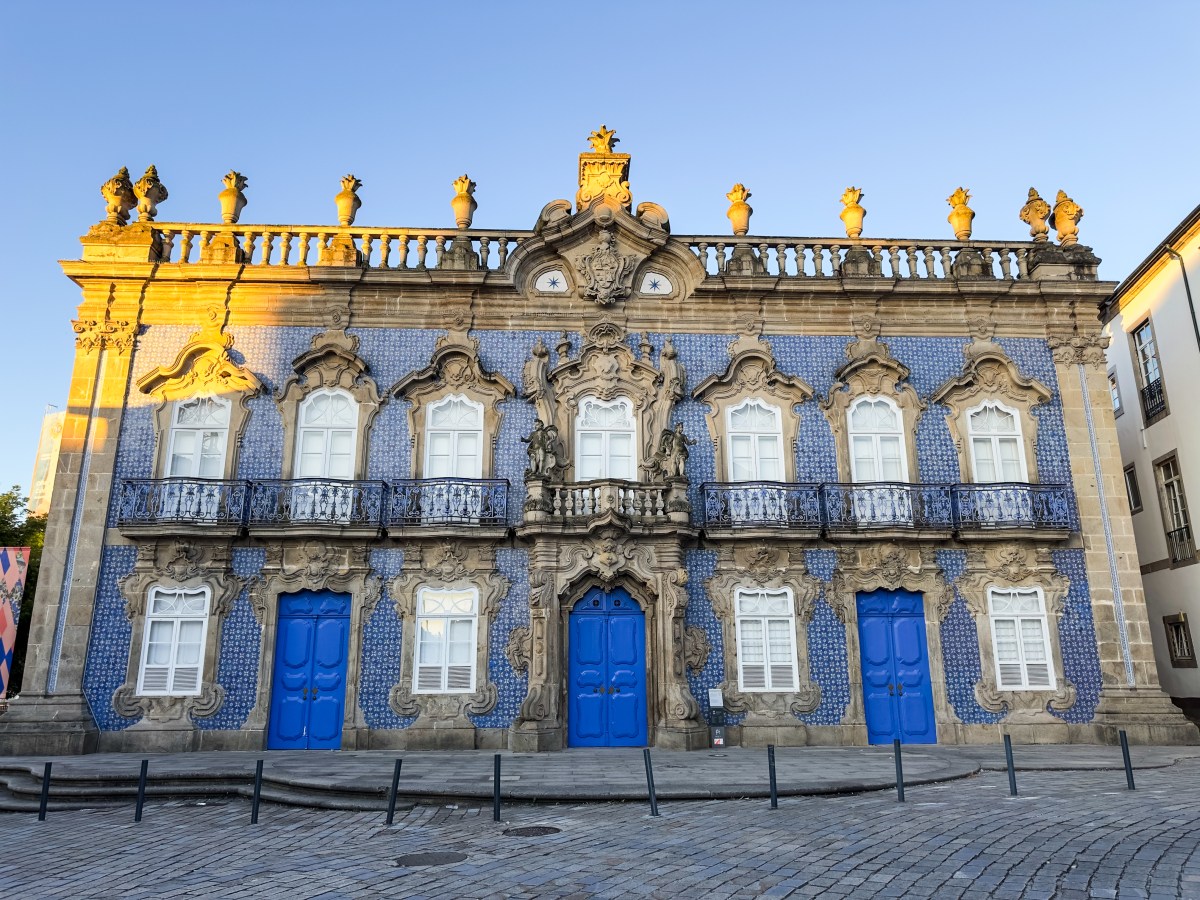
The Palácio do Raio is a stunning architectural gem located in the charming city of Braga, Portugal. It is a magnificent 18th century palace that showcases the beauty and grandeur of Baroque architecture.
As you approach the Palácio do Raio, you’ll immediately be captivated by its intricate façade adorned with ornate stonework and decorative elements. The palace stands out with its striking blue and white tiles, known as azulejos, which depict a variety of scenes from historical and mythological events. These tiles add a touch of elegance and uniqueness to the building, making it a true visual delight.
Upon entering the palace, you’ll be greeted by a magnificent interior that reflects the opulence and sophistication of the era. The rooms are beautifully decorated with elaborate plasterwork, gilded details, and exquisite frescoes that depict scenes from classical mythology and Portuguese history. The palatial halls and staircases are adorned with grand chandeliers, antique furniture, and intricately designed carpets, transporting you back in time to a bygone era of luxury and refinement.
One of the highlights of the Palácio do Raio is its stunning chapel. The chapel’s ceiling is adorned with intricate paintings, and the altar is a masterpiece of intricate woodwork. It’s a serene and peaceful space that showcases the religious devotion and artistic excellence of the time.
The palace also houses the José de Guimarães International Center for Arts, which adds a contemporary touch to the historic building. Here, you’ll find a collection of modern and contemporary art exhibitions that provide a fascinating contrast to the palace’s traditional architecture.
Visiting the Palácio do Raio is not just a visual experience but also an opportunity to delve into the history and culture of Braga. The palace stands as a testament to the wealth and artistic heritage of the region, and it offers a glimpse into the lavish lifestyle of the aristocracy.
Photos
Braga
Braga, Portugal is a charming city located in the northwest part of the country. Known as the “Rome of Portugal,” Braga is deeply rooted in history and boasts a rich cultural heritage that dates back over 2,000 years. One of the first things you’ll notice when you arrive in Braga is its picturesque setting. Nestled…
Thanks for visiting! I hope you have a great trip.
-
Congregados Basilica

The Congregados Basilica in Braga, Portugal is a magnificent religious landmark that is definitely worth a visit. Located in the heart of the city, it is one of the most important and beautiful religious buildings in the region.
Building began in the early 18th century and the resulting architecture is a perfect blend of Baroque and Neoclassical styles, showcasing intricate details and elaborate decorations. Its impressive facade features two bell towers, complete with clocks as well as statues of saints Filipe de Nery and Martinho de Dume.
The light-filled interior features a barrel vault ceiling and exquisite chapels along the nave, each decorated in its own style. While not as elaborately adorned as some of the other churches you will find in Portugal, the basilica’s quiet elegance is sure to charm you.
The basilica is conveniently located in the city center, making it easily accessible. Surrounding the building, you’ll find charming streets, vibrant plazas, and a variety of shops and cafes. It’s a perfect opportunity to immerse yourself in the local culture and enjoy the lively ambiance of Braga.
Photos


Other Sights
Braga
Braga, Portugal is a charming city located in the northwest part of the country. Known as the “Rome of Portugal,” Braga is deeply rooted in history and boasts a rich cultural heritage that dates back over 2,000 years. One of the first things you’ll notice when you arrive in Braga is its picturesque setting. Nestled…
Thanks for visiting! I hope you have a great trip.
-
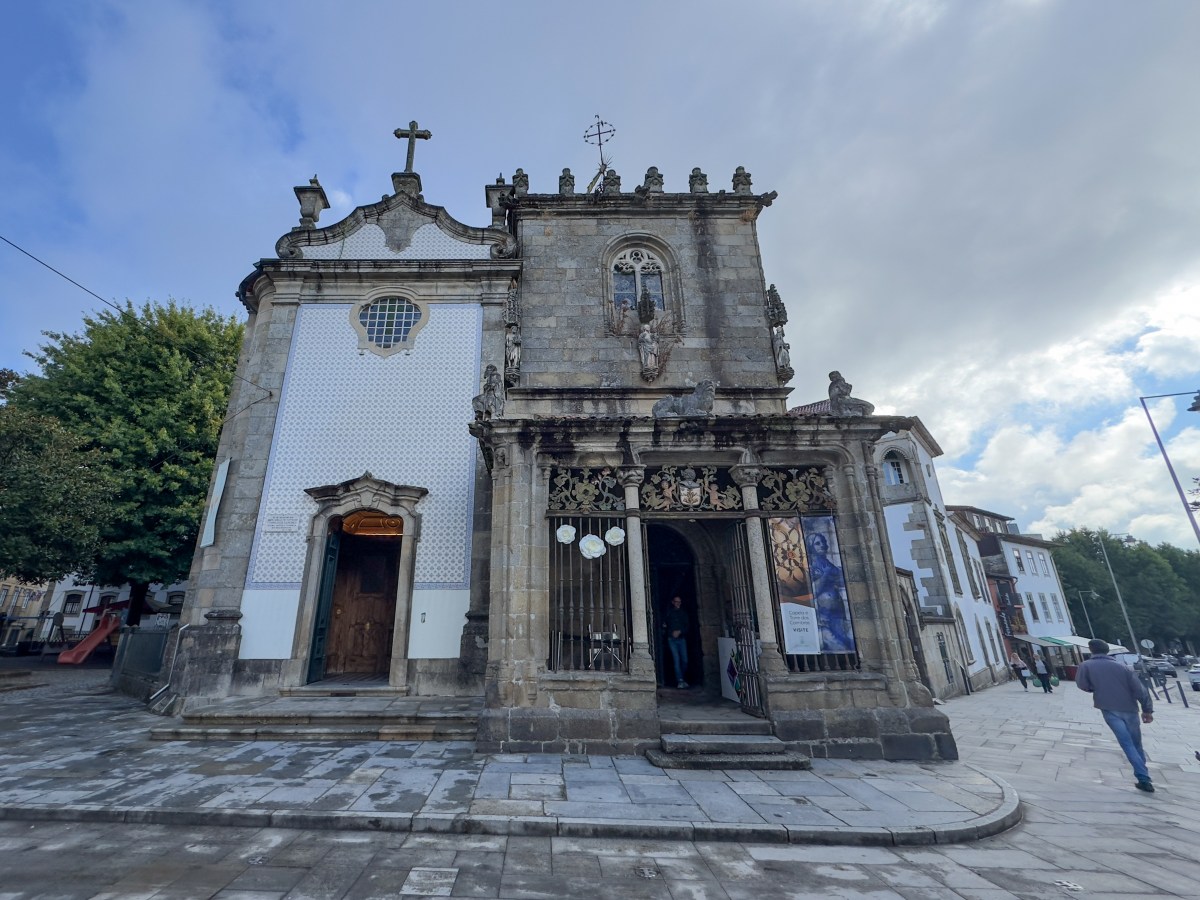
Holy Cross Church
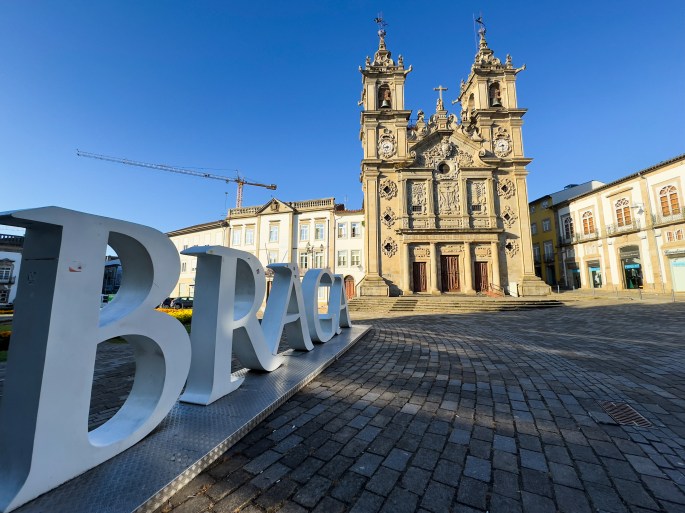
As you approach the Holy Cross Church (Igreja de Santa Cruz), you will be immediately captivated by its impressive façade, adorned with intricate baroque and neoclassical elements. The façade is characterized by its ornate stonework, elaborate statues, and a grand central portal that serves as the entrance to the church. Its exterior beauty is a testament to the skilled craftsmanship and artistic flair of the time. Look for the two roosters carved into the façade.
Stepping inside, you will be greeted by a breathtaking interior that exudes an atmosphere of tranquility and reverence. The church’s architecture combines various styles, including baroque, rococo, and neoclassical, resulting in a harmonious blend of decorative elements. The ornate altars, adorned with gold leaf and intricate woodwork, create a striking contrast against the richly painted ceilings and walls.
One of the highlights of the Holy Cross Church is its beautiful collection of religious artwork. Delicate sculptures, colorful frescoes, and exquisite paintings grace the walls, depicting scenes from the Bible and the lives of saints. These masterpieces are the work of talented artists who dedicated their skills to creating visual representations of faith and devotion.
As you explore the church further, you’ll notice the meticulously designed chapels that flank the nave. Each chapel offers a unique ambiance and is dedicated to a specific saint or religious theme. These intimate spaces invite visitors to reflect and find solace in their spiritual journey.
Additionally, the Holy Cross Church is home to a valuable collection of religious relics, including relics of saints and holy objects. These relics have been preserved and displayed for centuries, serving as tangible links to the past and inspiring visitors with a sense of awe and reverence.
Details
Largo Carlos Amarante 11, 4700-308 Braga, Portugal
Attraction opening days and times can change with no warning.
Always double-check information with the official website before making any plans
Photos


Braga
Braga, Portugal is a charming city located in the northwest part of the country. Known as the “Rome of Portugal,” Braga is deeply rooted in history and boasts a rich cultural heritage that dates back over 2,000 years. One of the first things you’ll notice when you arrive in Braga is its picturesque setting. Nestled…
Thanks for visiting! I hope you have a great trip.
-
Jardim de Santa Bárbara

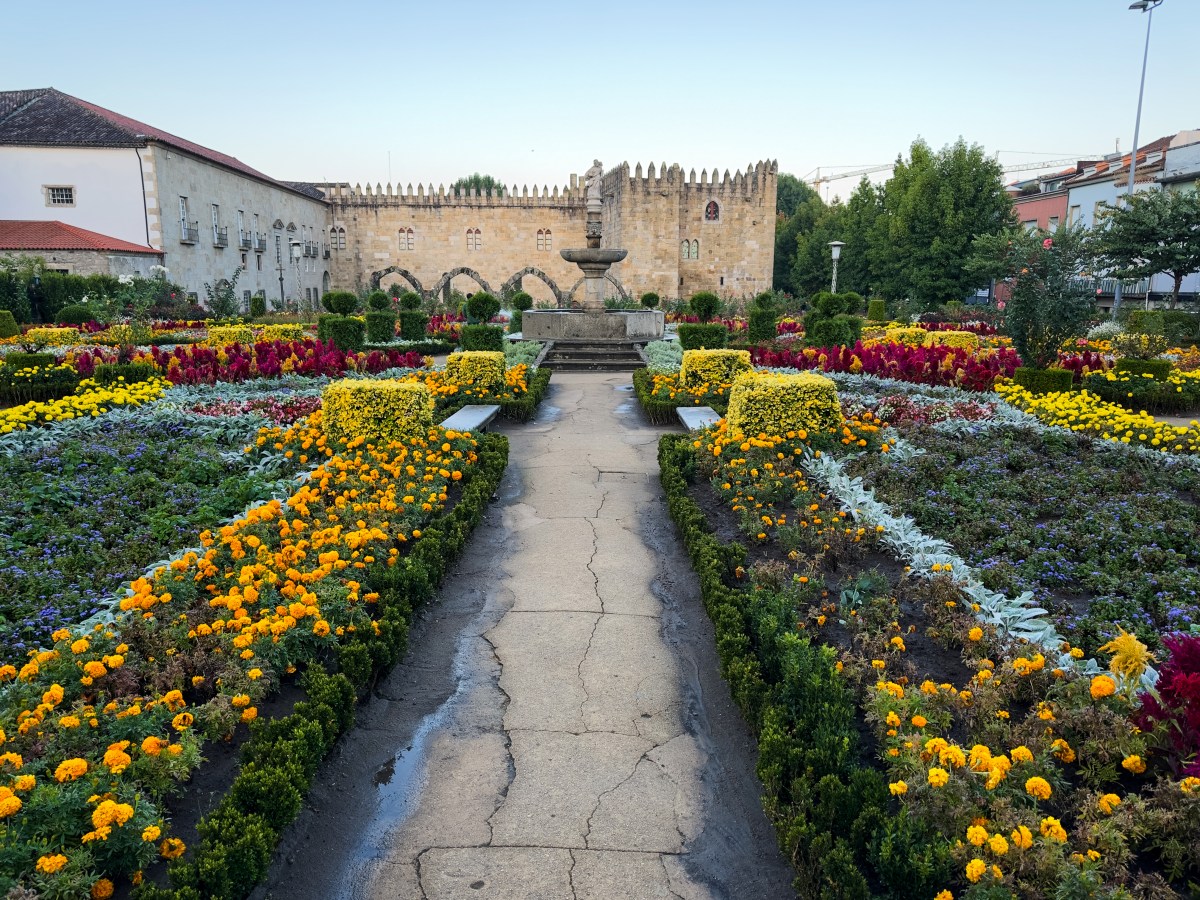
Jardim de Santa Bárbara, located in Braga, Portugal, is a charming and picturesque garden that offers a delightful escape from the bustling city life. It’s a place that captures the essence of tranquility and natural beauty, making it a perfect destination for anyone considering a visit.
The well-maintained paths wind their way through lush greenery, allowing you to explore the garden at your own pace. The garden is meticulously designed with a variety of colorful flowers, and ornamental shrubs, creating a visually stunning atmosphere that changes with the seasons.
One of the highlights of Jardim de Santa Bárbara is its central fountain. The soothing sound of water cascading down the ornate structure adds to the garden’s peaceful ambiance. It’s a wonderful spot to sit and relax, surrounded by nature’s beauty.
As you wander further into the garden, you’ll come across hidden benches and shaded areas where you can sit and enjoy a moment of solitude or perhaps indulge in a good book. The garden is also a popular spot for locals and visitors alike to have picnics or gather with friends and family.
If you’re interested in history, Jardim de Santa Bárbara has a fascinating past. It was once part of the Bishop’s Palace, and remnants of that era can still be seen throughout the garden. These historical elements, combined with the natural surroundings, create an intriguing blend of old and new.
Jardim de Santa Bárbara is conveniently located in the heart of Braga, making it easily accessible for tourists exploring the city. Its proximity to other popular attractions, such as the Braga Cathedral, makes it an ideal addition to your itinerary.
Visit Notes
If you’re visiting Braga, you’ll definitely want to stop here and admire the flowers, possibly with an ice cream. It’s especially peaceful first thing in the morning, when you may be able to watch the gardeners do their work.
Details
Garden of Santa Barbara, Rua Dr. Justino Cruz, 4700-317 Braga
Photos


Braga
Braga, Portugal is a charming city located in the northwest part of the country. Known as the “Rome of Portugal,” Braga is deeply rooted in history and boasts a rich cultural heritage that dates back over 2,000 years. One of the first things you’ll notice when you arrive in Braga is its picturesque setting. Nestled…
Thanks for visiting! I hope you have a great trip.
-
Convento do Pópulo

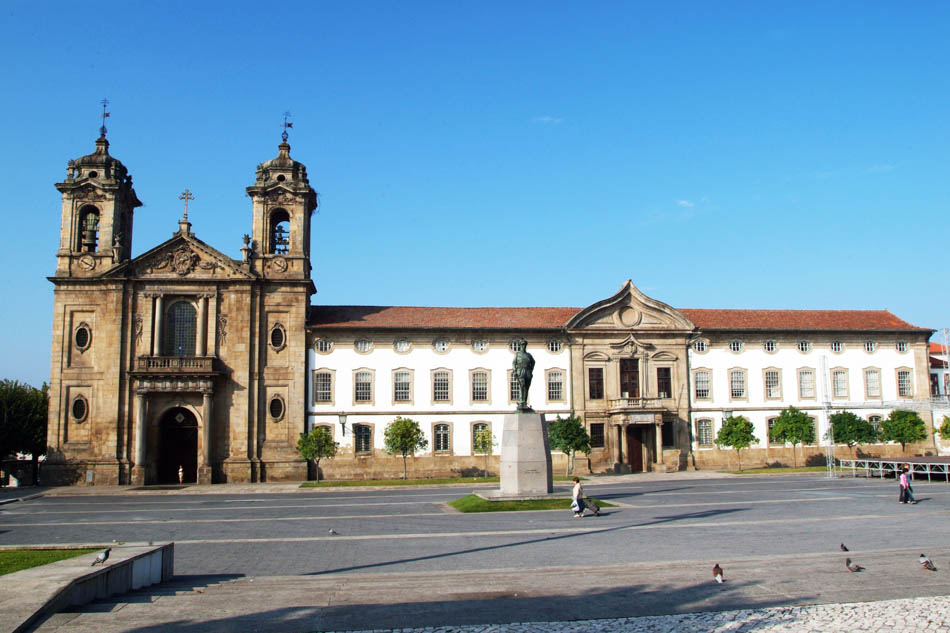
The Convento do Pópulo is a remarkable historical site located in the enchanting city of Braga, Portugal. It is an absolute must-visit for anyone interested in exploring the rich cultural heritage and architectural wonders of the region.
The convent dates back to the 16th century and is known for its stunning Manueline-style architecture, which is a unique blend of late Gothic and early Renaissance influences. As you approach the convent, you will be greeted by an awe-inspiring façade adorned with intricate carvings, ornamental motifs, and beautiful sculptural details. This architectural masterpiece is a testament to the skilled craftsmanship of the time.
Upon entering the Convento do Pópulo, you will find yourself immersed in a tranquil atmosphere that resonates with a sense of history and spirituality. The convent boasts an impressive cloister that exudes an aura of serenity, inviting visitors to take a leisurely stroll and admire the elegant arches and delicate columns that surround it. This cloister is a perfect spot to pause, reflect, and appreciate the architectural beauty that surrounds you.
One of the highlights of the Convento do Pópulo is the church, which houses a remarkable collection of religious art and artifacts. Inside, you will find stunning altarpieces, intricate woodwork, and beautiful tilework that will leave you in awe. The church is a testament to the devotion and artistic talents of the time, and it offers a glimpse into the religious and cultural traditions of Braga.
Exploring the Convento do Pópulo also provides an opportunity to learn about the history of Braga and its importance as a religious and cultural center in Portugal. The convent served as a hub for the Franciscan order, and its presence in the city played a significant role in shaping the local community.
Photos
© Portugal Travel 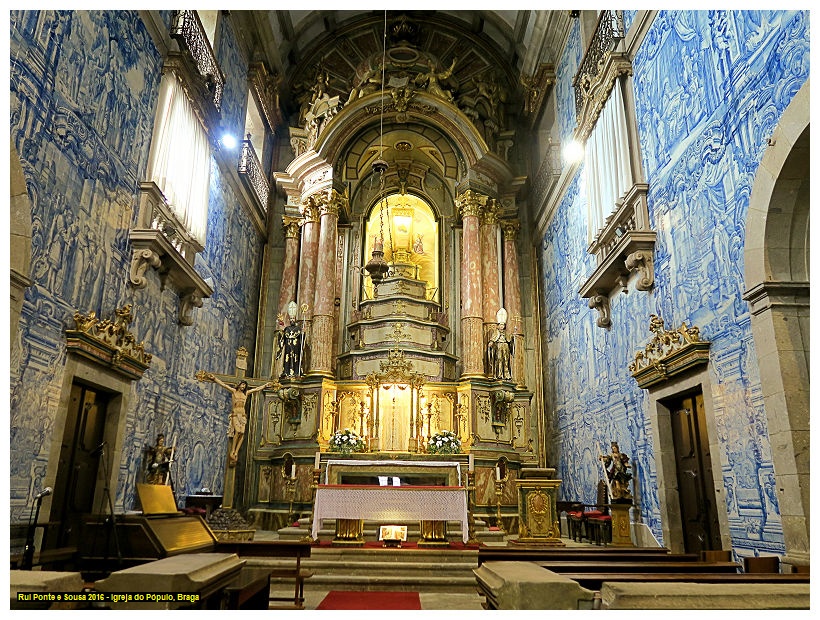
© Rui Ponte e Sousa 
Joseolgon, CC BY-SA 4.0 https://creativecommons.org/licenses/by-sa/4.0, via Wikimedia Commons Braga
Braga, Portugal is a charming city located in the northwest part of the country. Known as the “Rome of Portugal,” Braga is deeply rooted in history and boasts a rich cultural heritage that dates back over 2,000 years. One of the first things you’ll notice when you arrive in Braga is its picturesque setting. Nestled…
Thanks for visiting! I hope you have a great trip.







About Me
The sky is not completely dark at night. Were the sky absolutely dark, one would not be able to see the silhouette of an object against the sky.
Follow Me On
Subscribe To My Newsletter
Subscribe for new travel stories and exclusive content.
 Meticulous Meanderings
You must be logged in to post a comment.