
Hello, I’m Veronica
The sky is not completely dark at night. Were the sky absolutely dark, one would not be able to see the silhouette of an object against the sky.


-
Igreja de São Domingos

The Igreja de São Domingos in Lisbon is a church unlike any other, with a dramatic and haunting interior that tells a story of survival through centuries of disasters. Located near Rossio Square, this historic church was once one of the most important in Lisbon, serving as the site of royal weddings and significant events.
Originally built in 1241, the church has endured multiple catastrophes, including the 1755 earthquake, which severely damaged it, and a devastating fire in 1959, which destroyed much of its interior. Instead of fully restoring the church to its original state, the decision was made to preserve the fire-scarred walls and columns, giving the interior a unique, almost surreal appearance, with charred stone, cracked plaster, and faded frescoes.
Despite its battle-worn look, Igreja de São Domingos remains an active place of worship, with a peaceful yet powerful atmosphere that contrasts with the lively streets outside. Visitors often come to admire its resilient beauty, light candles, and reflect on its history of destruction and rebirth. Whether you’re interested in architecture, history, or simply a unique spiritual experience, this church is a must-see in Lisbon.
Visit Notes
I stopped into this church multiple times as it was on my way to and from the hotel. Sometimes it was roped off for prayer (even with no services going on) and sometimes it wasn’t.
It’s not the most beautiful church in Lisbon by any means, but the visible damage from previous disasters is interesting to witness. If you’re nearby, I recommend a visit.
Photos


Nearby
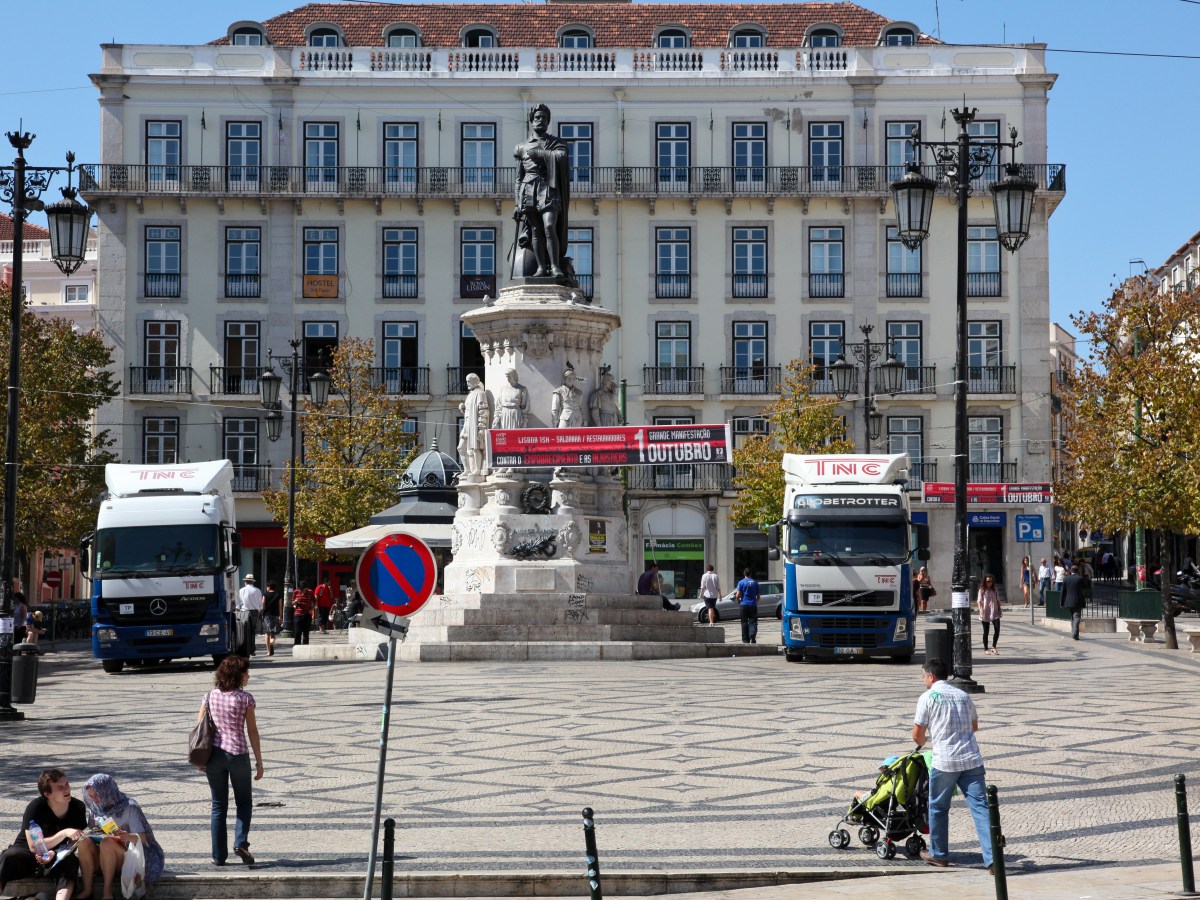
Dom Pedro IV Square
Also known as Rossio Square, the square is named after Dom Pedro IV, who was both the king of Portugal and the first emperor of Brazil. It has a rich historical significance and has been a central hub of activity for centuries. Its strategic location has made it a significant meeting point and a witness…
Praça da Figueira
The Praça da Figueira is a lively and historic square in the heart of Lisbon’s Baixa district, offering a mix of local charm, history, and city life. Once the site of Lisbon’s main hospital, which was destroyed in the 1755 earthquake, the square was later transformed into a bustling marketplace and today serves as a…
Santa Justa Elevator
The Santa Justa Elevator (Elevador de Santa Justa), located in Lisbon, Portugal, is a magnificent piece of engineering and a popular tourist attraction. It was designed by engineer Raoul Mesnier du Ponsard and opened to the public in 1902. The elevator is an impressive iron structure that connects the lower Baixa district with the higher…
Carmo Convent
The Carmo Convent, located in Lisbon, Portugal, is an interesting historical site that stands as a poignant reminder of the devastating earthquake that struck the city in 1755. The convent, originally built in the 14th century, was severely damaged during the earthquake, leaving its magnificent Gothic architecture in ruins. Today, the Carmo Convent stands as…
Other Sights
-
Museu do Dinheiro
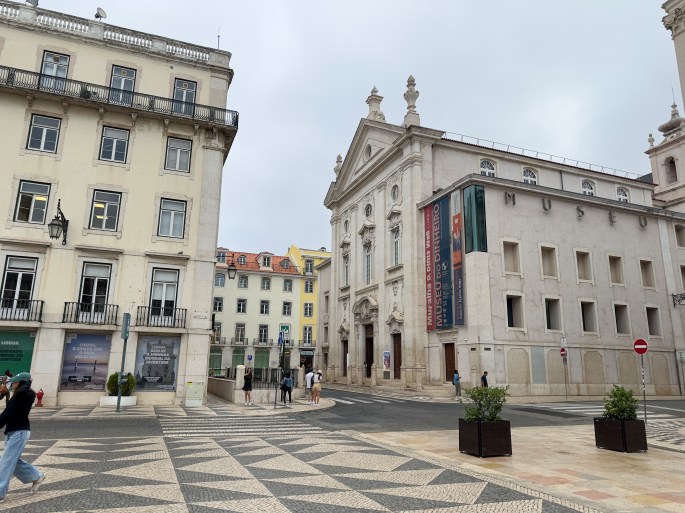
The Museu do Dinheiro (Money Museum) in Lisbon offers a fascinating and interactive exploration of the history and cultural significance of money, from its earliest forms to modern digital transactions. Housed in the beautifully restored former Church of São Julião, near the Praça do Comércio, the museum combines historical architecture with sleek, contemporary design.
Visitors can wander through well-organized exhibits detailing the origins of currency, the evolution of banking, the role of money in trade and empire-building, and how currencies have changed over time. The museum boasts an impressive collection of coins, banknotes, and other forms of currency from around the world, including some of the earliest known coins and rare, valuable specimens.
Interactive displays and multimedia installations make the experience engaging for visitors of all ages. Highlights include the opportunity to mint your own virtual coin, examine ancient coins up close, and even step inside a real bank vault. The museum also delves into the social and political implications of money, including topics like inflation, counterfeiting, and the future of digital currencies.
Admission is usually free, making it an excellent option for those seeking a high-quality, budget-friendly museum experience. Whether you’re a history buff, a numismatics enthusiast, or simply curious about the role of money in shaping the world, the Museu do Dinheiro provides a rich and educational experience in the heart of Lisbon.
Visit Notes
I had some time to kill, and the museum was free so I decided to take a look. It didn’t take me long to get through everything as I wasn’t terribly interested. If you have extra time and you’ve done everything else or you have a deep interest in currency through time, then it’s a worthwhile stop.
The most interesting part of the museum for me was the basement, where they had an archaeological exhibit about King Dinis’ Wall. The wall was built in 1294 and stretched beneath the museum. They found many artifacts during the restoration of the church and they are on display with an educational video.
Photos


Nearby
Rua Augusta
Rua Augusta is a vibrant and iconic street located in the heart of Lisbon, Portugal. It stretches from the majestic Praça do Comércio to the lively Rossio Square, making it a central hub for both locals and tourists alike. If you’re considering visiting Lisbon, Rua Augusta is definitely a must-see destination. As you step onto…
Arco da Rua Augusta
The Arco da Rua Augusta (Rua Augusta Arch) is a magnificent architectural landmark located in Lisbon, Portugal, and it’s definitely worth a visit if you’re considering exploring the city. Situated in the lively neighborhood of Baixa, this iconic triumphal arch stands at the end of Rua Augusta, one of Lisbon’s most famous and bustling pedestrian…
Praça do Comércio
The Praça do Comércio, also known as Terreiro do Paço, is one of Lisbon’s most iconic and grand public squares, situated right on the banks of the Tagus River. This vast, elegant square is framed by classical 18th-century yellow buildings with grand arcades, which house government offices, shops, cafés, and restaurants. Its open layout and…
Other Sights
-
Rua Augusta

Rua Augusta is a vibrant and iconic street located in the heart of Lisbon, Portugal. It stretches from the majestic Praça do Comércio to the lively Rossio Square, making it a central hub for both locals and tourists alike. If you’re considering visiting Lisbon, Rua Augusta is definitely a must-see destination.
As you step onto Rua Augusta, you’ll immediately be captivated by its lively atmosphere and beautiful architecture. The street is lined with grand buildings adorned with intricate facades, showcasing the city’s rich history and architectural heritage. The pedestrianized area allows you to leisurely explore the street without worrying about traffic, creating a pleasant and relaxed ambiance.
One of the highlights of Rua Augusta is its wide range of shops, boutiques, and souvenir stores. Whether you’re looking for fashion, accessories, traditional handicrafts, or simply browsing for unique gifts, this street has it all. You’ll find an abundance of options to satisfy your shopping desires, from international brands to local specialties.
While strolling along Rua Augusta, be sure to take in the lively street performers and musicians who add to the energetic atmosphere. You might come across talented buskers playing traditional Portuguese music or entertaining crowds with their artistic skills. Their performances infuse the street with a vibrant spirit, creating a unique experience that truly reflects the cultural fabric of Lisbon.
If you’re a food lover, Rua Augusta will delight your taste buds. The street is dotted with numerous restaurants, cafés, and pastry shops offering a variety of culinary delights. From traditional Portuguese cuisine to international flavors, you’ll find a wide range of dining options to suit all tastes and budgets. Don’t miss the opportunity to try the famous pastel de nata, a delicious custard tart that Lisbon is renowned for.
As you continue your walk along Rua Augusta, you’ll reach the majestic Arco da Rua Augusta, a triumphal arch that serves as a symbol of the city. Climb up to the top of the arch, and you’ll be rewarded with breathtaking panoramic views of Lisbon’s downtown area, the Tagus River, and beyond. It’s a perfect spot to capture memorable photographs and admire the city’s beauty from a different perspective.
Rua Augusta is not just a street, but a vibrant cultural and historical tapestry that embodies the essence of Lisbon. Whether you’re interested in shopping, dining, people-watching, or simply immersing yourself in the city’s lively atmosphere, this street offers an unforgettable experience for visitors. Prepare to be enchanted by the sights, sounds, and flavors that Rua Augusta has to offer as you explore the heart of Lisbon’s vibrant soul.
Visit Notes
There’s something on Rua Augusta for just about anyone. Shops, cafes, pastries, music, architecture… you name it. I recommend a stroll down Rua Augusta at least once during your trip, but like me, you may end up here multiple times.
Details
Photos


Nearby
Arco da Rua Augusta
The Arco da Rua Augusta (Rua Augusta Arch) is a magnificent architectural landmark located in Lisbon, Portugal, and it’s definitely worth a visit if you’re considering exploring the city. Situated in the lively neighborhood of Baixa, this iconic triumphal arch stands at the end of Rua Augusta, one of Lisbon’s most famous and bustling pedestrian…
Praça do Comércio
The Praça do Comércio, also known as Terreiro do Paço, is one of Lisbon’s most iconic and grand public squares, situated right on the banks of the Tagus River. This vast, elegant square is framed by classical 18th-century yellow buildings with grand arcades, which house government offices, shops, cafés, and restaurants. Its open layout and…
Museu do Dinheiro
The Museu do Dinheiro (Money Museum) in Lisbon offers a fascinating and interactive exploration of the history and cultural significance of money, from its earliest forms to modern digital transactions. Housed in the beautifully restored former Church of São Julião, near the Praça do Comércio, the museum combines historical architecture with sleek, contemporary design. Visitors…
Dom Pedro IV Square
Also known as Rossio Square, the square is named after Dom Pedro IV, who was both the king of Portugal and the first emperor of Brazil. It has a rich historical significance and has been a central hub of activity for centuries. Its strategic location has made it a significant meeting point and a witness…
Santa Justa Elevator
The Santa Justa Elevator (Elevador de Santa Justa), located in Lisbon, Portugal, is a magnificent piece of engineering and a popular tourist attraction. It was designed by engineer Raoul Mesnier du Ponsard and opened to the public in 1902. The elevator is an impressive iron structure that connects the lower Baixa district with the higher…
-
Arco da Rua Augusta
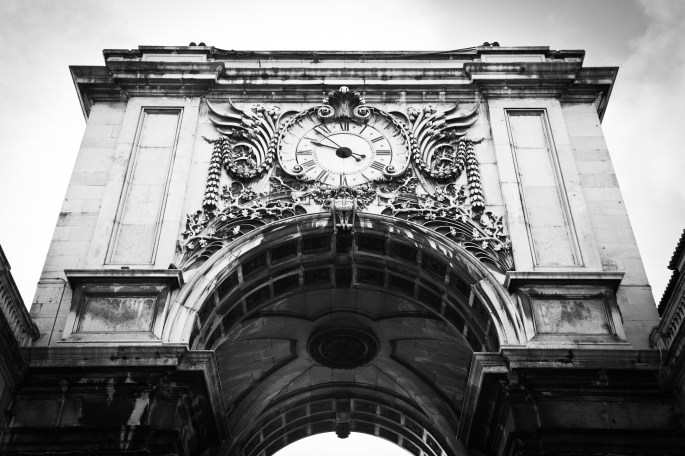
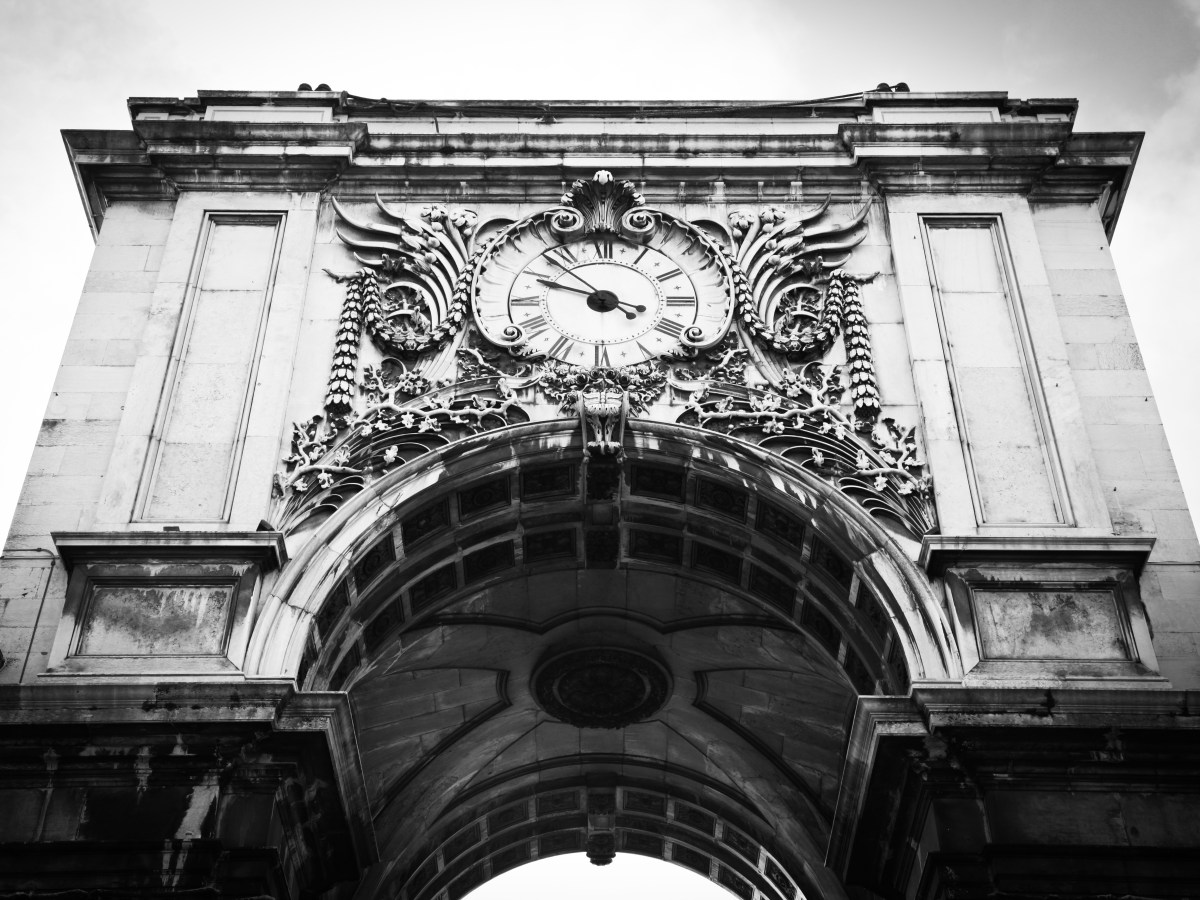
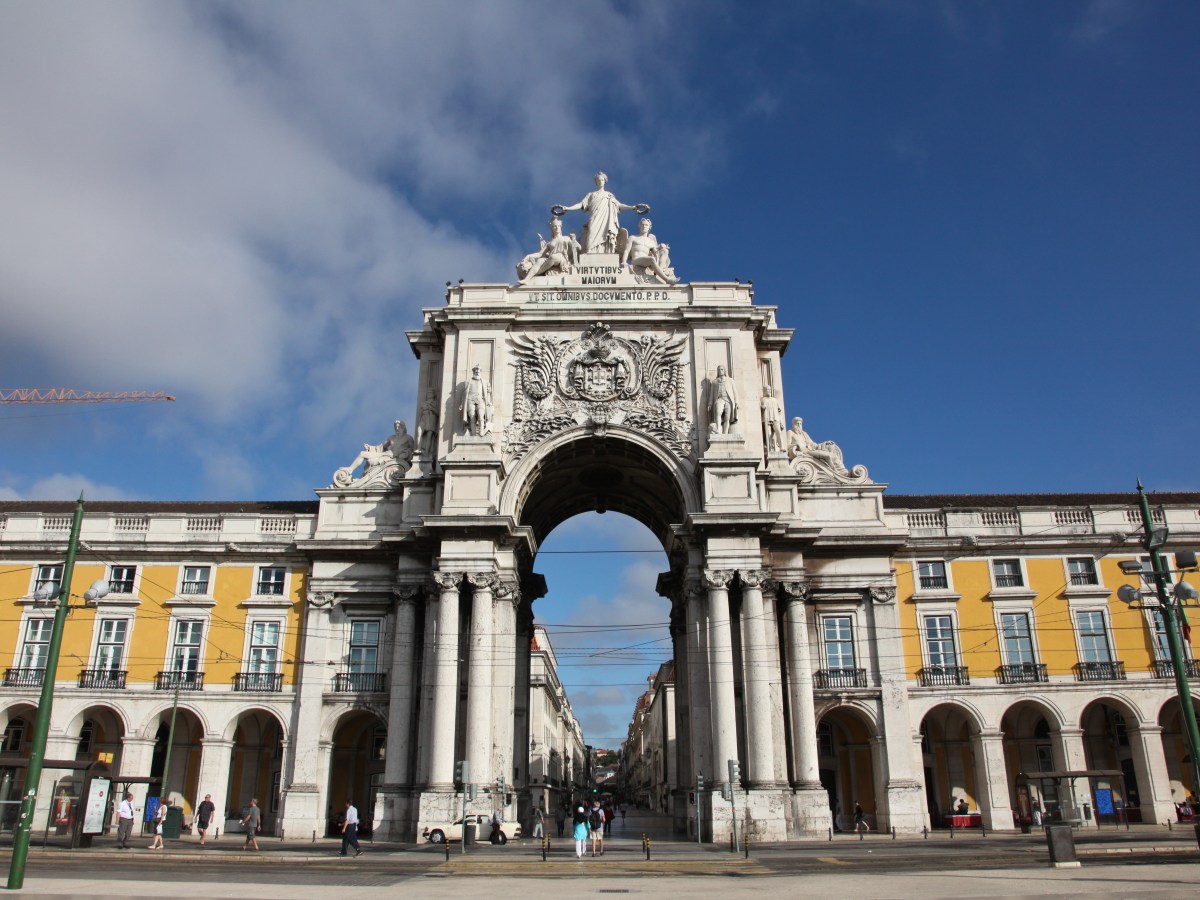
The Arco da Rua Augusta (Rua Augusta Arch) is a magnificent architectural landmark located in Lisbon, Portugal, and it’s definitely worth a visit if you’re considering exploring the city. Situated in the lively neighborhood of Baixa, this iconic triumphal arch stands at the end of Rua Augusta, one of Lisbon’s most famous and bustling pedestrian streets.
The arch itself is an impressive structure that serves as a symbolic gateway to the city. It was designed by Santos de Carvalho and built in the late 18th century as a commemoration of the city’s reconstruction after the devastating earthquake of 1755. The arch is adorned with intricate sculptures and ornate details that reflect the rich history and culture of Portugal.
As you approach the arch, you’ll notice the grandeur of its size and the meticulous craftsmanship that went into its construction. The arch is made of white limestone and features six columns, with statues representing important figures from Portuguese history atop each one. These statues depict personalities such as Vasco da Gama, Marquis of Pombal, and Viriatus.
Once you pass through the arch, you’ll find yourself in Praça do Comércio, one of Lisbon’s most beautiful and historic squares. This spacious plaza faces the Tagus River, providing stunning views and a pleasant atmosphere for leisurely strolls or simply sitting and soaking up the ambiance.
Besides its aesthetic appeal, the Arco da Rua Augusta also offers a unique experience for visitors. You can take an elevator or climb the stairs to reach the top of the arch, where a viewing platform awaits you. From there, you’ll be treated to breathtaking panoramic views of Lisbon’s cityscape, including landmarks like the Tagus River, São Jorge Castle, and the picturesque red rooftops that characterize the city.
Visit Notes
You can’t miss visiting this triumphal arch. There is quite a lot to see in the area, so you’ll be nearby anyway and it’s worth a stop. If you have a camera with zoom capabilities or a long lens, you’ll enjoy photographing all the details on the arch.
Visiting the top of the arch is a must-do. There’s an elevator that will take you most of the way up and the views from the top are to die for.
Photos


Nearby
Praça do Comércio
The Praça do Comércio, also known as Terreiro do Paço, is one of Lisbon’s most iconic and grand public squares, situated right on the banks of the Tagus River. This vast, elegant square is framed by classical 18th-century yellow buildings with grand arcades, which house government offices, shops, cafés, and restaurants. Its open layout and…
Rua Augusta
Rua Augusta is a vibrant and iconic street located in the heart of Lisbon, Portugal. It stretches from the majestic Praça do Comércio to the lively Rossio Square, making it a central hub for both locals and tourists alike. If you’re considering visiting Lisbon, Rua Augusta is definitely a must-see destination. As you step onto…
Lisboa Story Centre
The Lisboa Story Centre is a fascinating museum located in the heart of Lisbon, Portugal, that offers a unique and immersive experience into the city’s rich history and culture. If you’re thinking about visiting, prepare to embark on an unforgettable journey through time. As you enter the Lisboa Story Centre, you’ll be greeted with state-of-the-art…
Museu do Dinheiro
The Museu do Dinheiro (Money Museum) in Lisbon offers a fascinating and interactive exploration of the history and cultural significance of money, from its earliest forms to modern digital transactions. Housed in the beautifully restored former Church of São Julião, near the Praça do Comércio, the museum combines historical architecture with sleek, contemporary design. Visitors…
-
Convento de São Pedro de Alcântara

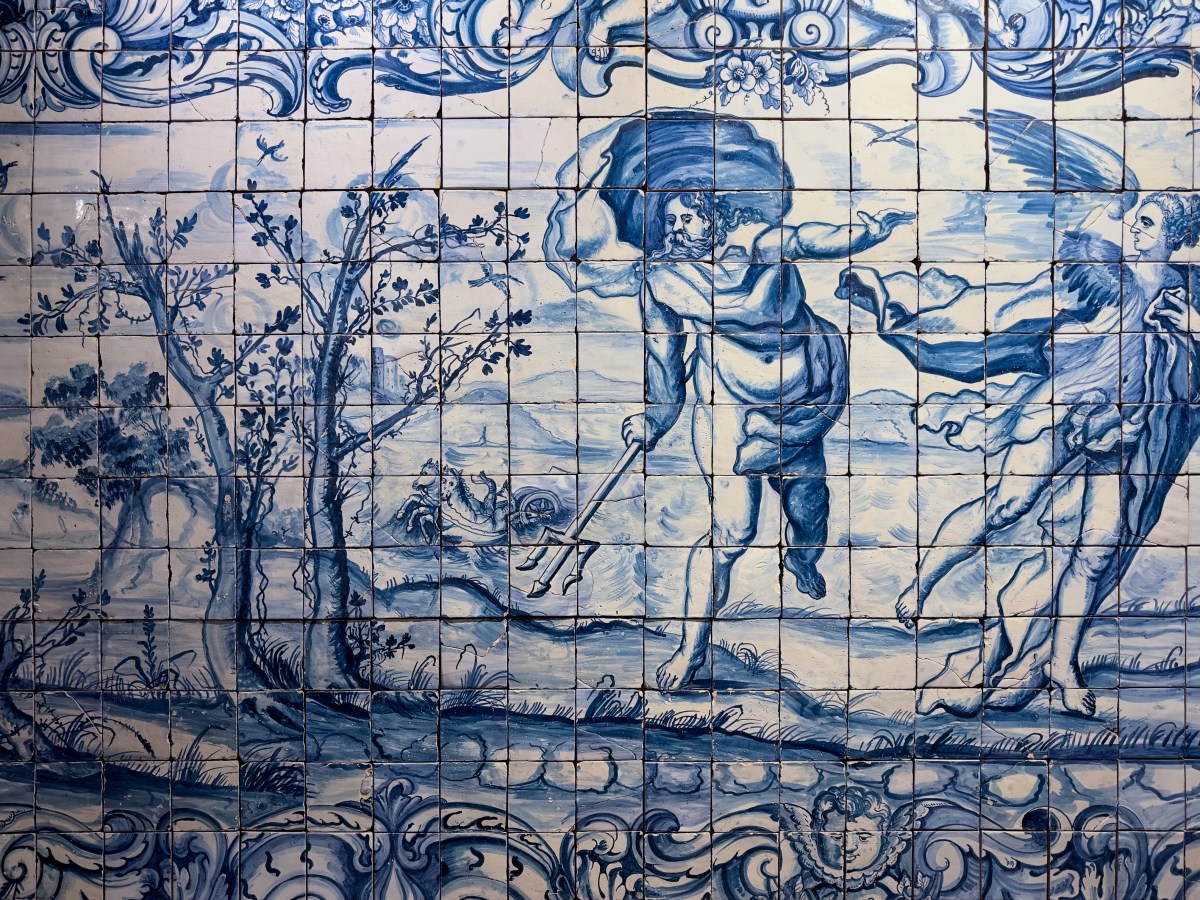
The Convento de São Pedro de Alcântara in Lisbon is a peaceful and historic site that offers visitors a glimpse into Portugal’s religious and artistic heritage. Founded in the 17th century by the Franciscan Order, this convent is best known for its beautiful church, which features stunning azulejo tile panels, intricate gilded woodwork, and impressive Baroque altars.
One of the highlights of the convent is its chapel, which is adorned with blue-and-white tile murals depicting scenes from the life of Saint Peter of Alcântara, the convent’s namesake. The convent also houses a small museum with religious artifacts, paintings, and historical pieces that provide insight into Lisbon’s ecclesiastical past.
Located near the Miradouro de São Pedro de Alcântara, one of Lisbon’s most famous viewpoints, the convent offers a serene escape from the city’s bustling streets. Whether you’re interested in religious history, Portuguese tilework, or simply looking for a quiet, reflective place, the Convento de São Pedro de Alcântara is well worth a visit.
Visit Notes
I loved this little convent. It didn’t take very long to visit and there was no one else here, bringing a needed respite from the crowds. The tile work is lovely and there are all kinds of little details to appreciate all around.
When you leave the convent, do yourself a favor and stop at the little sangria place across from the entrance if it’s still there. Grab a sangria and go sit in the Miradouro de São Pedro de Alcântara and enjoy the day.
Details
R. de São Pedro de Alcântara 85, 1200-089 Lisboa, Portugal
Photos


Nearby
Miradouro de São Pedro de Alcântara
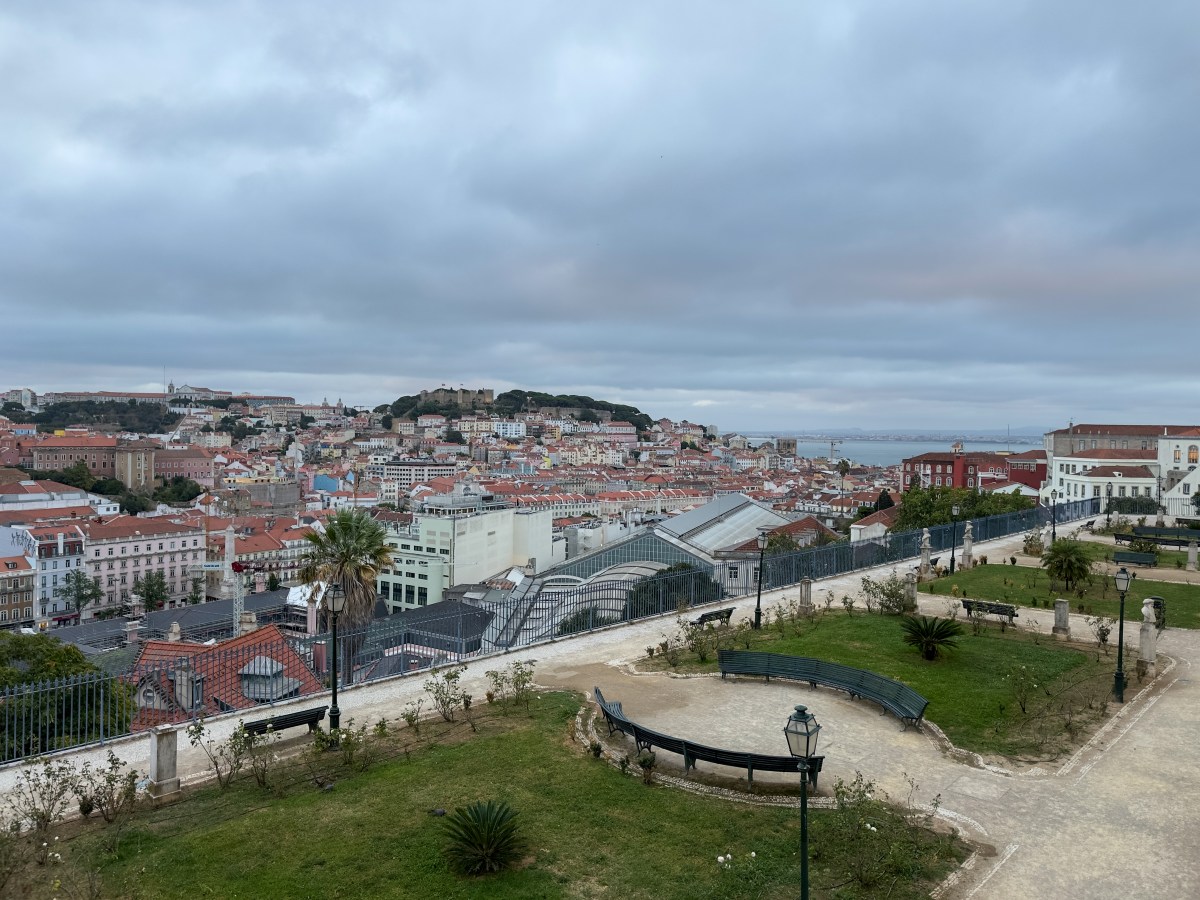
The Miradouro de São Pedro de Alcântara is one of Lisbon’s most stunning viewpoints, offering a panoramic view over the city’s historic center. Located in the Bairro Alto district, this elegant terrace garden is the perfect place to take in breathtaking sights of São Jorge Castle, the Tagus River, the Baixa district, and the rooftops…
Glória Funicular
The Glória Funicular is one of Lisbon’s most famous and historic funiculars, transporting passengers between the bustling Praça dos Restauradores and the scenic Miradouro de São Pedro de Alcântara in the Bairro Alto district. Opened in 1885, it’s the oldest of Lisbon’s funiculars and a charming relic of the city’s effort to make its steep…
Dom Pedro IV Square
Also known as Rossio Square, the square is named after Dom Pedro IV, who was both the king of Portugal and the first emperor of Brazil. It has a rich historical significance and has been a central hub of activity for centuries. Its strategic location has made it a significant meeting point and a witness…
Igreja de São Domingos
The Igreja de São Domingos in Lisbon is a church unlike any other, with a dramatic and haunting interior that tells a story of survival through centuries of disasters. Located near Rossio Square, this historic church was once one of the most important in Lisbon, serving as the site of royal weddings and significant events.…
Igreja de São Roque
The Igreja de São Roque in Lisbon is one of the most ornate and historically significant churches in Portugal, offering visitors an extraordinary display of Baroque art and craftsmanship. Built in the 16th century as one of the first Jesuit churches in the world, it has a relatively simple façade that contrasts sharply with its…




















About Me
The sky is not completely dark at night. Were the sky absolutely dark, one would not be able to see the silhouette of an object against the sky.
Follow Me On
Subscribe To My Newsletter
Subscribe for new travel stories and exclusive content.
 Meticulous Meanderings
You must be logged in to post a comment.