
Hello, I’m Veronica
The sky is not completely dark at night. Were the sky absolutely dark, one would not be able to see the silhouette of an object against the sky.


-
Glória Funicular
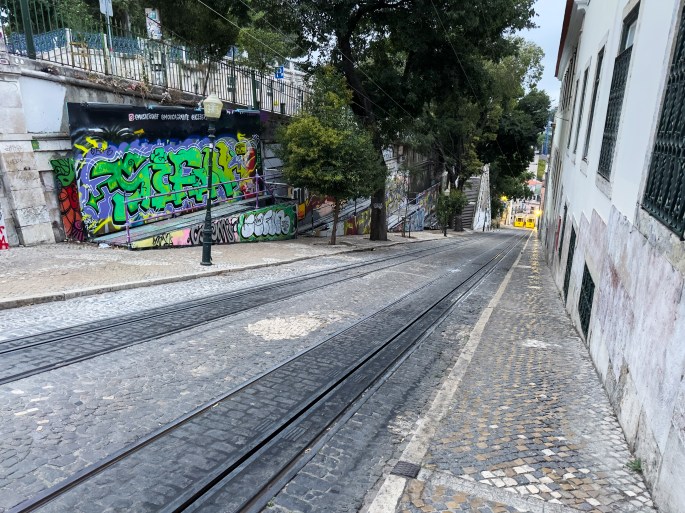
The Glória Funicular is one of Lisbon’s most famous and historic funiculars, transporting passengers between the bustling Praça dos Restauradores and the scenic Miradouro de São Pedro de Alcântara in the Bairro Alto district. Opened in 1885, it’s the oldest of Lisbon’s funiculars and a charming relic of the city’s effort to make its steep hills more accessible.
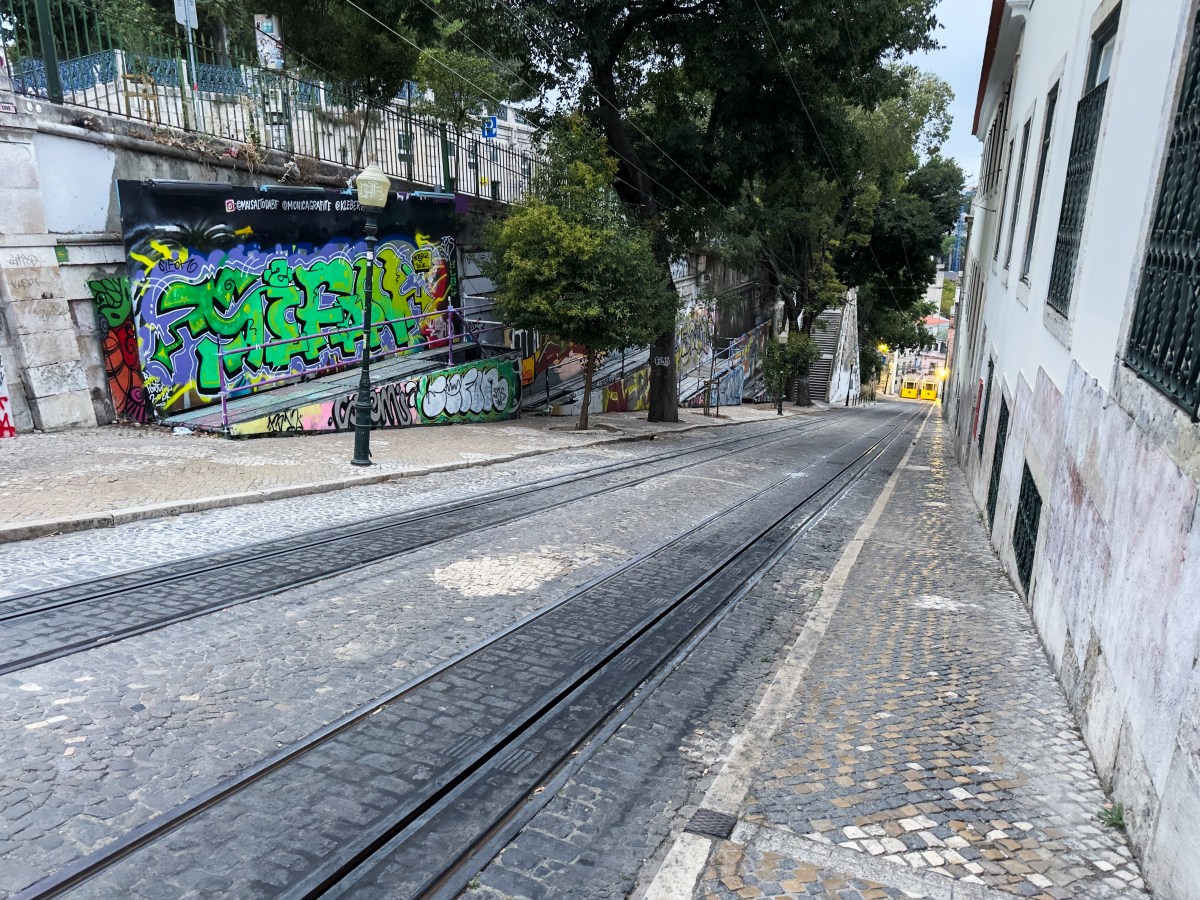
The funicular’s bright yellow tramcars climb a steep, cobblestone street lined with vibrant street art and graffiti, giving the ride a distinctly urban and artistic atmosphere. The journey is short but memorable, offering visitors a nostalgic glimpse of Lisbon’s past with the comforting rumble and creak of its old machinery. As you ascend, the tram provides a fascinating contrast between modern creativity and traditional architecture.
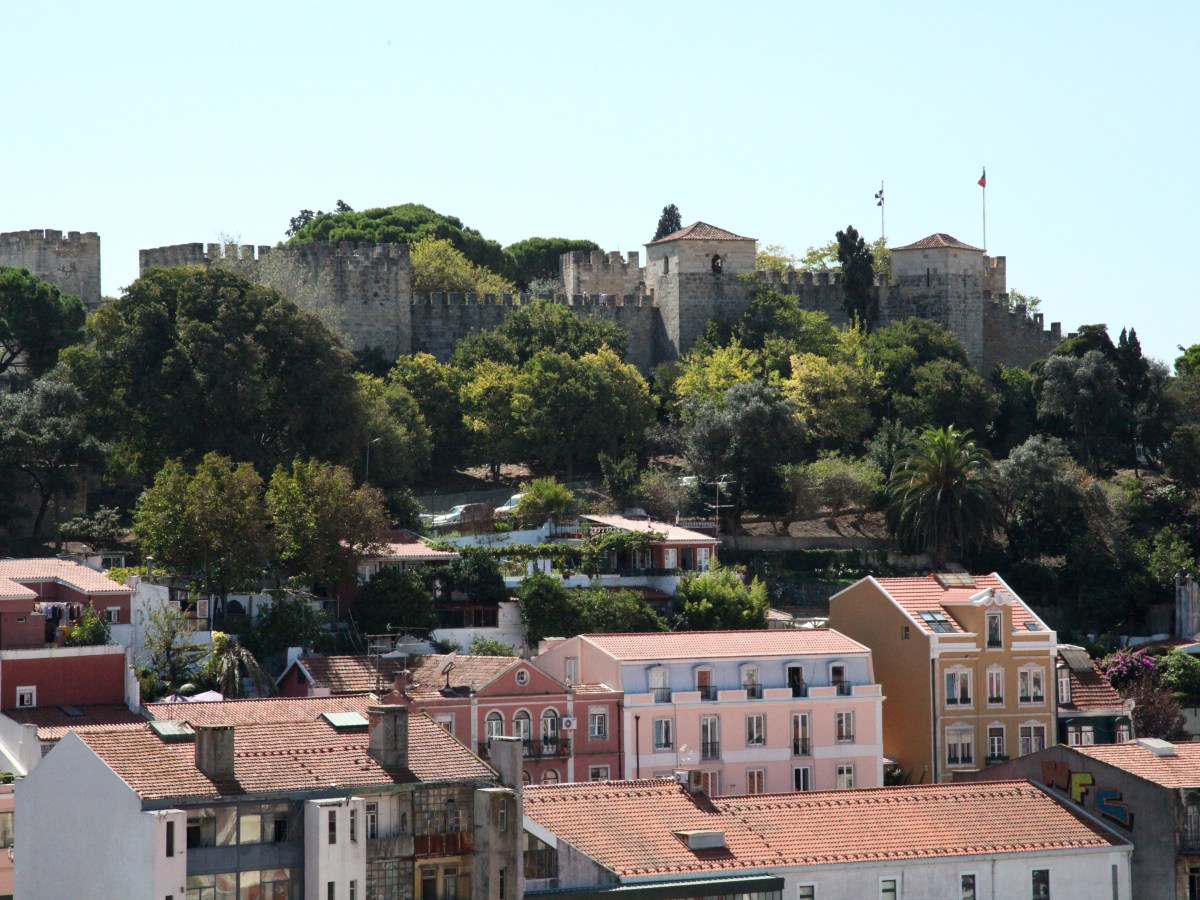
At the top, you’ll find the Miradouro de São Pedro de Alcântara, a landscaped terrace with panoramic views over Lisbon’s historic center, including the Castle of São Jorge and the Tagus River. It’s an excellent spot to relax, enjoy the view, or take photographs.
The Glória Funicular is also conveniently located near popular nightlife areas in Bairro Alto, making it a fun way to reach the lively bars and restaurants in the area. Whether you’re looking to experience a piece of Lisbon’s history or just want an easy way to scale one of its many hills, the Glória Funicular is definitely worth a ride.
Travel Notes
The funicular is fun to ride, but not really necessary to get up the hill. Unless you’re a local and need to transport your groceries or something. The street the funicular runs on is the home of the Calçada da Glória Outdoor Art Gallery, a designated place for street artists to showcase their works. Be sure to stop and enjoy the colorful pieces of art.
Details
Calçada da Glória 51, 1250-096 Lisboa, Portugal
Photos


Nearby
Miradouro de São Pedro de Alcântara
The Miradouro de São Pedro de Alcântara is one of Lisbon’s most stunning viewpoints, offering a panoramic view over the city’s historic center. Located in the Bairro Alto district, this elegant terrace garden is the perfect place to take in breathtaking sights of São Jorge Castle, the Tagus River, the Baixa district, and the rooftops…
Igreja de São Domingos
The Igreja de São Domingos in Lisbon is a church unlike any other, with a dramatic and haunting interior that tells a story of survival through centuries of disasters. Located near Rossio Square, this historic church was once one of the most important in Lisbon, serving as the site of royal weddings and significant events.…
Dom Pedro IV Square
Also known as Rossio Square, the square is named after Dom Pedro IV, who was both the king of Portugal and the first emperor of Brazil. It has a rich historical significance and has been a central hub of activity for centuries. Its strategic location has made it a significant meeting point and a witness…
Igreja de São Roque
The Igreja de São Roque in Lisbon is one of the most ornate and historically significant churches in Portugal, offering visitors an extraordinary display of Baroque art and craftsmanship. Built in the 16th century as one of the first Jesuit churches in the world, it has a relatively simple façade that contrasts sharply with its…
Convento de São Pedro de Alcântara
The Convento de São Pedro de Alcântara in Lisbon is a peaceful and historic site that offers visitors a glimpse into Portugal’s religious and artistic heritage. Founded in the 17th century by the Franciscan Order, this convent is best known for its beautiful church, which features stunning azulejo tile panels, intricate gilded woodwork, and impressive…
Other Sights
-
Elevador da Bica

The Elevador da Bica is one of Lisbon’s most charming and iconic funiculars, connecting the Rua de São Paulo with the Largo do Calhariz as it climbs the steep, narrow Bica de Duarte Belo street. Opened in 1892, this funicular was designed to help residents and visitors navigate the city’s hilly terrain with ease, and today it remains both a practical mode of transportation and a popular attraction.
What makes the Elevador da Bica so captivating is its picturesque setting. The yellow tramcar makes its way slowly up and down the hill, flanked by colorful, tightly-packed buildings adorned with wrought-iron balconies and vibrant street art. From the top of the funicular, you’re treated to a beautiful view over the Tagus River, especially if you visit at sunset when the light paints the city in warm hues.
The ride itself is short but memorable, offering a glimpse into everyday life in one of Lisbon’s most atmospheric neighborhoods. It’s especially beloved by photographers who come to capture the tram as it makes its way up the scenic, sloping street.
Located near the lively Bairro Alto and Cais do Sodré districts, the Elevador da Bica is easy to reach and a great addition to any walking tour of Lisbon. Whether you’re riding it for convenience or simply for the experience, it’s a delightful way to enjoy the city’s charm.
Visit Notes
I think it’s much more interesting to watch the Elevador trundle its way uphill than it is to ride it. I suppose if I lived there and I had to bring my groceries uphill I would feel differently.
Details
Rua de S. Paulo 234, 1200-109 Lisboa, Portugal
Photos


Nearby
Pink Street
Pink Street (Rua Nova do Carvalho) in Lisbon is one of the city’s most famous nightlife hotspots, known for its vibrant atmosphere, colorful aesthetics, and lively bars and clubs. What was once the city’s red-light district has been transformed into a trendy social hub, attracting both locals and tourists looking for a great night out.…
Praça Luís de Camões
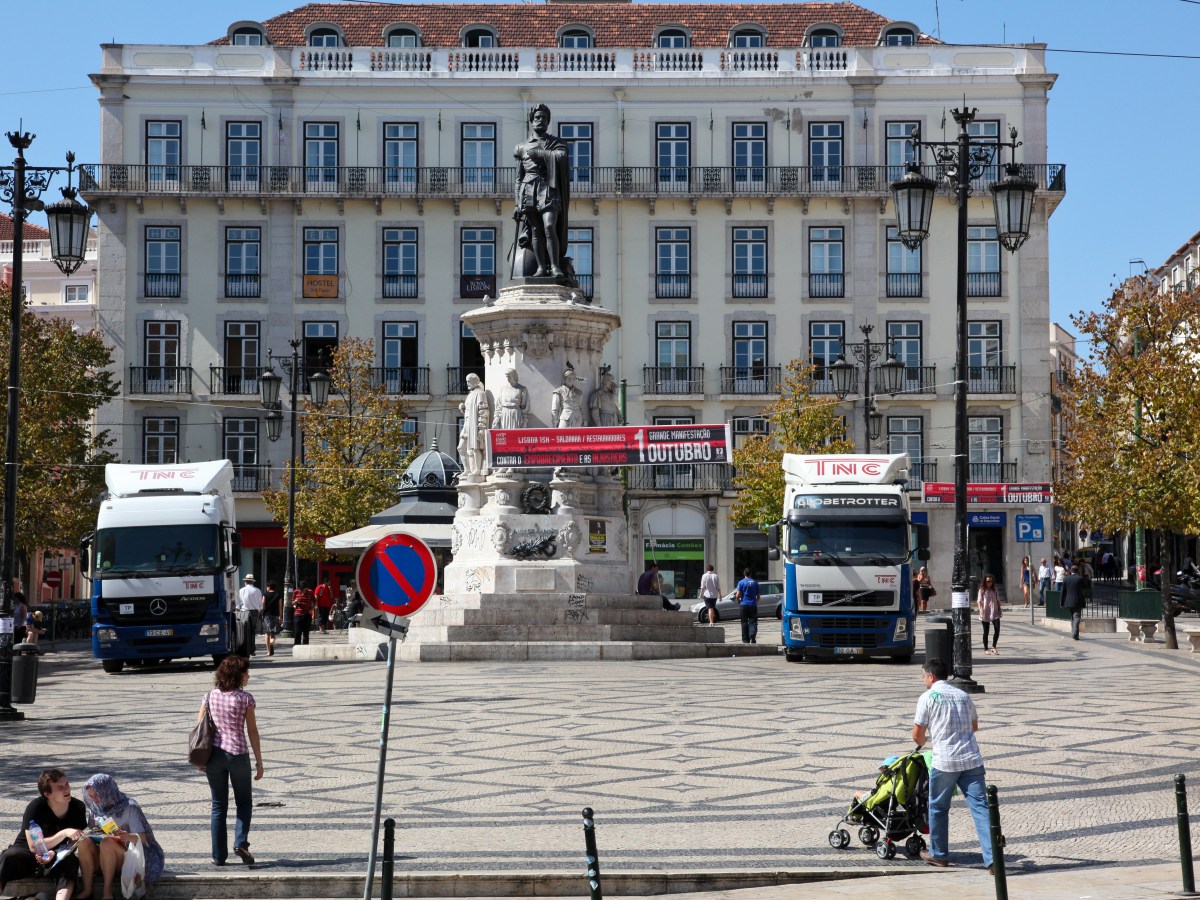
Praça Luís de Camões is one of Lisbon’s most iconic and lively squares, located at the intersection of the Chiado and Bairro Alto districts. Named after Luís de Camões, Portugal’s greatest poet, the square is dominated by an impressive statue of Camões surrounded by smaller sculptures of other famous Portuguese literary figures. The square is…
Igreja de Nossa Senhora do Loreto dos Italianos
The Igreja de Nossa Senhora do Loreto dos Italianos, often simply known as the Church of Our Lady of Loreto, is a magnificent Baroque-style church located in the bustling Chiado district of Lisbon, right on Largo do Chiado. Built in the late 16th century by the Italian community in Lisbon, it served as their main…
Igreja de Nossa Senhora da Encarnação
The Igreja de Nossa Senhora da Encarnação is a beautiful 18th-century Baroque and Neoclassical church located in the lively Chiado district of Lisbon, right on Largo do Chiado. Originally constructed in 1708, it was heavily damaged during the 1755 Lisbon Earthquake and subsequently rebuilt, reopening in 1784 with a more refined, elegant design. The church’s…
Other Sights
-
Igreja de Santa Catarina

The Igreja de Santa Catarina in Lisbon is a stunning Baroque church known for its breathtaking gilded interior and ornate ceiling frescoes. Located near the lively Bairro Alto district, this church may appear unassuming from the outside, but stepping inside reveals one of Lisbon’s most spectacularly decorated churches.
Built in the 16th century and later transformed in the 17th and 18th centuries, the church’s highlight is its exquisite rococo ceiling, adorned with intricate stucco work and a grand fresco depicting angels and heavenly figures. The main altar and side chapels are richly decorated with gilded wood carvings, making the space feel majestic and luminous. A notable feature is the pipe organ, considered one of the finest historical organs in Portugal.
Despite being lesser-known than some of Lisbon’s other churches, Igreja de Santa Catarina is a true hidden gem. It’s the perfect place for visitors who appreciate Baroque artistry, sacred spaces, and peaceful retreats away from the city’s bustling streets. Whether you stop by for a moment of reflection or to admire its ornate beauty, this church is well worth a visit.
Visit Notes
We happened to be staying near this church during my first visit to Lisbon. It had flown under the radar while I was formulating our list of places to visit, so I had no idea it existed. For days we passed by without walking in, then one day we had a few minutes and decided to peek inside. Wow! If you like gold, this church has you covered (as well as most surfaces in the building). Every surface is either gilt in gold or embellished with ornate plaster work. The bonus was that we had the entire place to ourselves. I highly recommend making your way to this church.
Photos


Nearby
Praça Luís de Camões
Praça Luís de Camões is one of Lisbon’s most iconic and lively squares, located at the intersection of the Chiado and Bairro Alto districts. Named after Luís de Camões, Portugal’s greatest poet, the square is dominated by an impressive statue of Camões surrounded by smaller sculptures of other famous Portuguese literary figures. The square is…
Igreja de Nossa Senhora do Loreto dos Italianos
The Igreja de Nossa Senhora do Loreto dos Italianos, often simply known as the Church of Our Lady of Loreto, is a magnificent Baroque-style church located in the bustling Chiado district of Lisbon, right on Largo do Chiado. Built in the late 16th century by the Italian community in Lisbon, it served as their main…
Igreja de Nossa Senhora da Encarnação
The Igreja de Nossa Senhora da Encarnação is a beautiful 18th-century Baroque and Neoclassical church located in the lively Chiado district of Lisbon, right on Largo do Chiado. Originally constructed in 1708, it was heavily damaged during the 1755 Lisbon Earthquake and subsequently rebuilt, reopening in 1784 with a more refined, elegant design. The church’s…
-
Igreja de São Roque
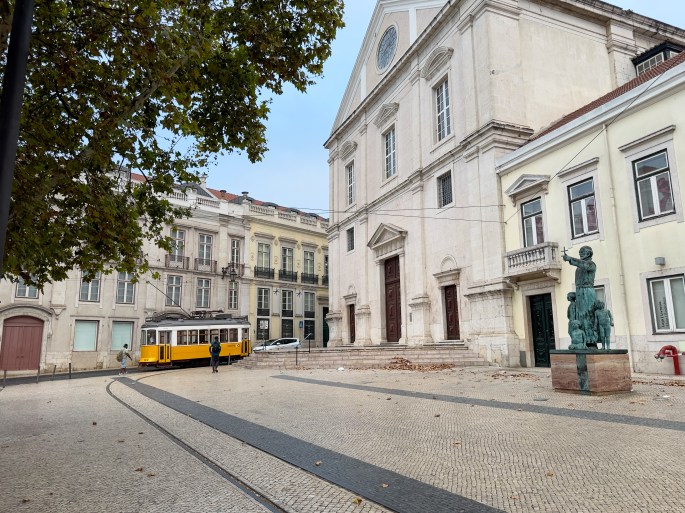
The Igreja de São Roque in Lisbon is one of the most ornate and historically significant churches in Portugal, offering visitors an extraordinary display of Baroque art and craftsmanship. Built in the 16th century as one of the first Jesuit churches in the world, it has a relatively simple façade that contrasts sharply with its lavishly decorated interior.
Inside, visitors will find richly gilded woodwork, intricate tile panels, colorful marble inlays, and beautifully painted ceilings. One of the highlights is the Chapel of St. John the Baptist, which was commissioned in Rome, built entirely with precious stones (lapis lazuli, agate, and amethyst), and then shipped to Lisbon in the 18th century—it is considered one of the most expensive chapels ever constructed.
Next to the church, the São Roque Museum houses religious artifacts, paintings, and sacred relics that provide insight into the church’s Jesuit and royal connections. Conveniently located in the Bairro Alto district, the Igreja de São Roque is a must-visit for those interested in history, art, and the grandeur of Portuguese religious heritage.
Visit Notes
If you like gold, this is the church for you, the place is dripping with it. There are enough details to admire here to keep you busy for hours if you wish. My one complaint is that I wish it were brighter inside.
You can buy a ticket to visit the museum attached to the church. I got a ticket while my travel companions went to the cafe and had some snacks. Unlike the church, I had the entire museum to myself as it’s not nearly as impressive. If you like religious art, you might want to spend the few extra Euros to enter. I didn’t regret spending the money to enter, but I know my companions would not have enjoyed it.
Photos


Nearby
Miradouro de São Pedro de Alcântara
The Miradouro de São Pedro de Alcântara is one of Lisbon’s most stunning viewpoints, offering a panoramic view over the city’s historic center. Located in the Bairro Alto district, this elegant terrace garden is the perfect place to take in breathtaking sights of São Jorge Castle, the Tagus River, the Baixa district, and the rooftops…
Convento de São Pedro de Alcântara
The Convento de São Pedro de Alcântara in Lisbon is a peaceful and historic site that offers visitors a glimpse into Portugal’s religious and artistic heritage. Founded in the 17th century by the Franciscan Order, this convent is best known for its beautiful church, which features stunning azulejo tile panels, intricate gilded woodwork, and impressive…
Carmo Convent
The Carmo Convent, located in Lisbon, Portugal, is an interesting historical site that stands as a poignant reminder of the devastating earthquake that struck the city in 1755. The convent, originally built in the 14th century, was severely damaged during the earthquake, leaving its magnificent Gothic architecture in ruins. Today, the Carmo Convent stands as…
Igreja do Santíssimo Sacramento
The Igreja do Santíssimo Sacramento, or the Church of the Most Holy Sacrament, is a magnificent religious site located in Lisbon, Portugal. It is definitely worth a visit for anyone interested in exploring the city’s rich historical and cultural heritage. Situated in the heart of Lisbon’s downtown area, the church stands as a beautiful example…
-
Miradouro de São Pedro de Alcântara

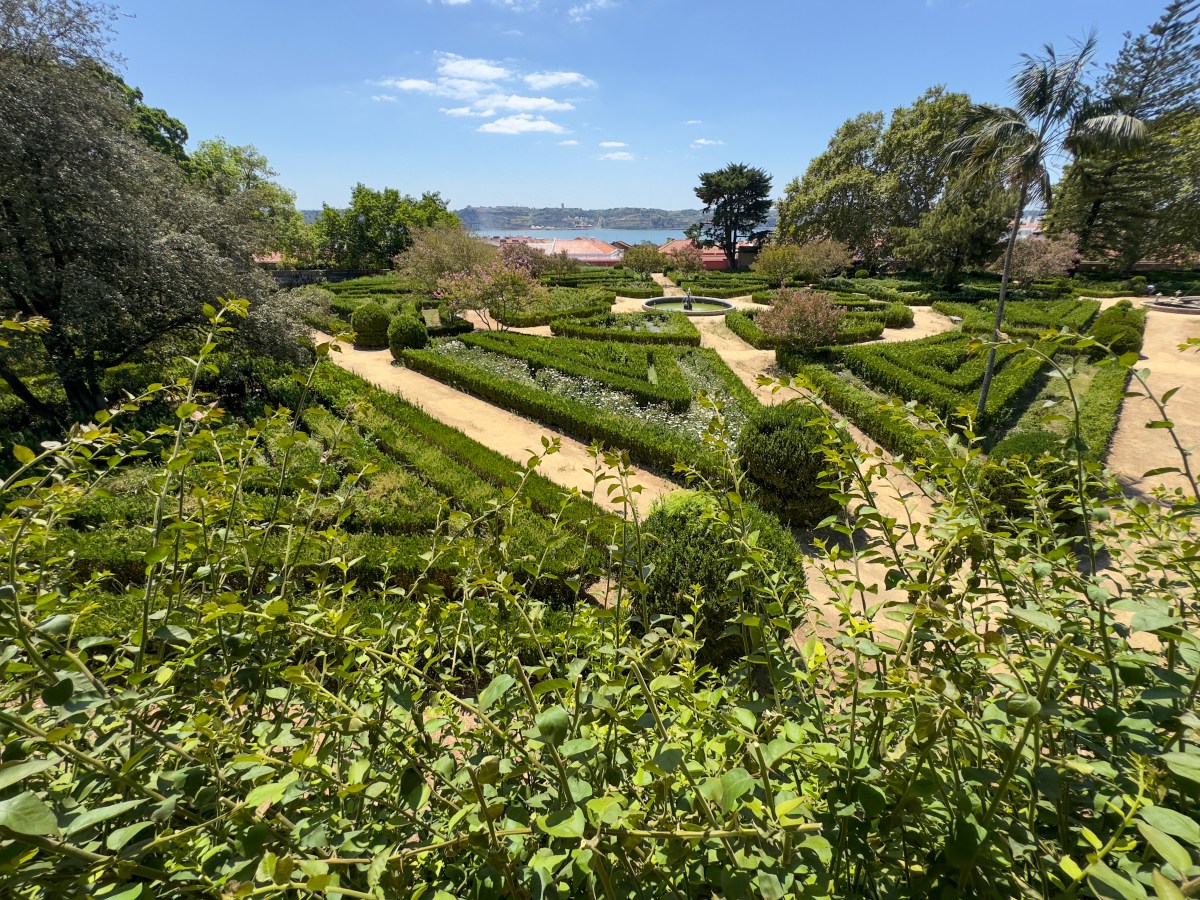
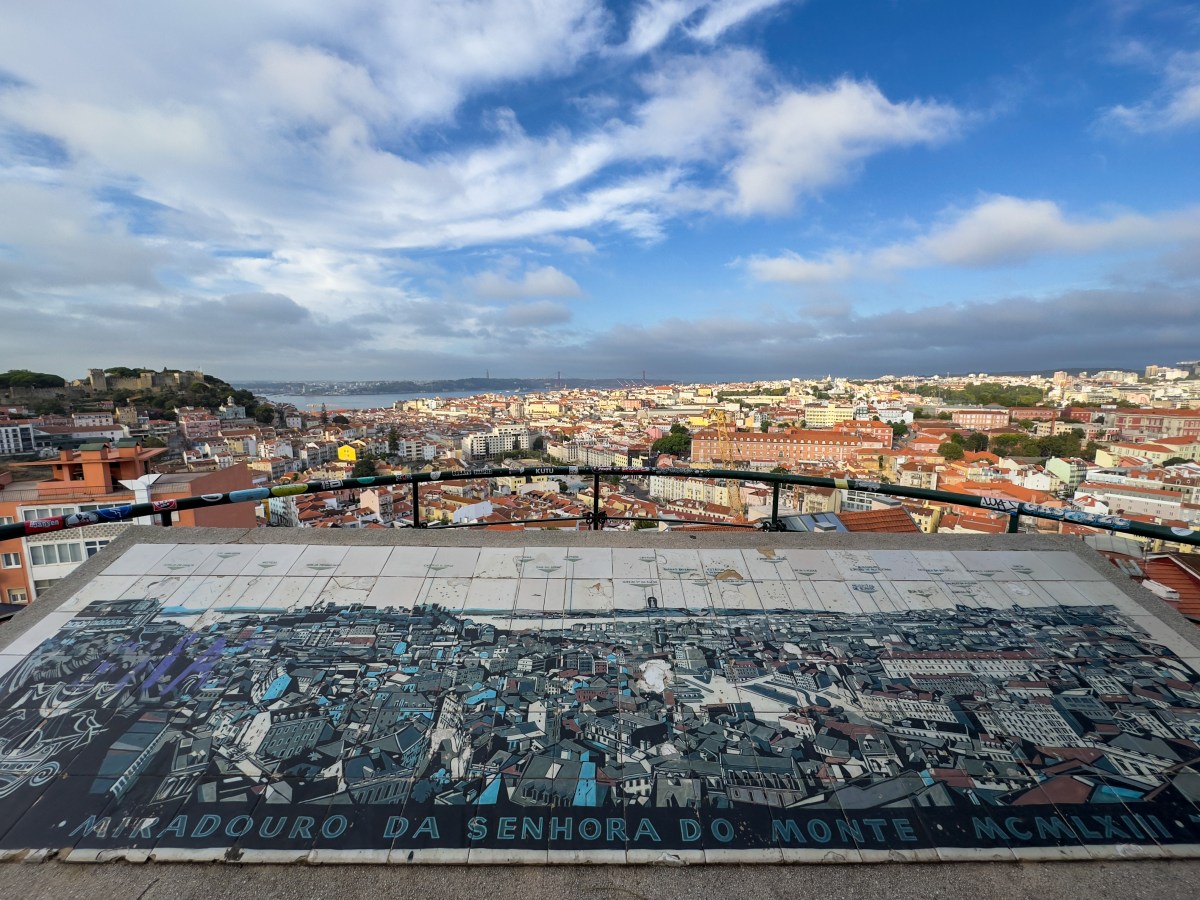
The Miradouro de São Pedro de Alcântara is one of Lisbon’s most stunning viewpoints, offering a panoramic view over the city’s historic center. Located in the Bairro Alto district, this elegant terrace garden is the perfect place to take in breathtaking sights of São Jorge Castle, the Tagus River, the Baixa district, and the rooftops of Lisbon.
The miradouro is designed as a two-level garden, with beautifully landscaped flower beds, statues of Portuguese historical figures, and a tile map that helps visitors identify key landmarks in the view. It’s an ideal spot to relax on a bench, enjoy a coffee from the nearby kiosks, or simply soak in the lively yet peaceful atmosphere.
By day, the viewpoint is a great stop for photographers and those looking to admire Lisbon’s unique skyline. In the evening, as the city lights up, it transforms into a romantic setting perfect for unwinding after a day of exploring. Whether you’re visiting for the history, the scenery, or just a quiet moment, the Miradouro de São Pedro de Alcântara is a must-see in Lisbon.
Details
R. de São Pedro de Alcântara, 1200-470 Lisboa, Portugal
Photos


Nearby
Convento de São Pedro de Alcântara
The Convento de São Pedro de Alcântara in Lisbon is a peaceful and historic site that offers visitors a glimpse into Portugal’s religious and artistic heritage. Founded in the 17th century by the Franciscan Order, this convent is best known for its beautiful church, which features stunning azulejo tile panels, intricate gilded woodwork, and impressive…
Glória Funicular
The Glória Funicular is one of Lisbon’s most famous and historic funiculars, transporting passengers between the bustling Praça dos Restauradores and the scenic Miradouro de São Pedro de Alcântara in the Bairro Alto district. Opened in 1885, it’s the oldest of Lisbon’s funiculars and a charming relic of the city’s effort to make its steep…
Igreja de São Roque
The Igreja de São Roque in Lisbon is one of the most ornate and historically significant churches in Portugal, offering visitors an extraordinary display of Baroque art and craftsmanship. Built in the 16th century as one of the first Jesuit churches in the world, it has a relatively simple façade that contrasts sharply with its…



















About Me
The sky is not completely dark at night. Were the sky absolutely dark, one would not be able to see the silhouette of an object against the sky.
Follow Me On
Subscribe To My Newsletter
Subscribe for new travel stories and exclusive content.
 Meticulous Meanderings
You must be logged in to post a comment.