

Hello, I’m Veronica
The sky is not completely dark at night. Were the sky absolutely dark, one would not be able to see the silhouette of an object against the sky.


-
New Jewish Cemetery

(AKA Nowy Cmentarz Żydowski)
The New Jewish Cemetery in Kraków, Poland, is a place of historical significance and cultural importance that you may find fascinating to visit.
The cemetery was established in 1800 to serve the growing Jewish community in Kraków. At that time, Kraków was part of the Austro-Hungarian Empire, and Jews played a significant role in the city’s economic and cultural life. The cemetery was intended to replace the older, overcrowded Jewish cemetery in the Kazimierz district.
The cemetery is known for its distinctive tombstones and mausoleums. The gravestones are often elaborately designed with intricate carvings and Hebrew inscriptions, reflecting the art and culture of the Jewish community in the 19th and early 20th centuries. Some of the tombs belong to prominent Jewish figures and community leaders, making the cemetery an important historical record of Kraków’s Jewish heritage.
During World War II, Kraków and its Jewish community suffered greatly under Nazi occupation. The cemetery also bore witness to these tragic events. The Nazis destroyed many tombstones and used the cemetery as a site for various atrocities. Visiting the cemetery is a somber reminder of this dark period in history.
After the war, the cemetery underwent restoration efforts to repair the damage caused during the Holocaust. It has since been maintained as a memorial and a symbol of remembrance for the Jewish community that once thrived in Kraków.
Today, the Nowy Cmentarz Żydowski serves as both a cemetery and a historical site. Visitors come from all over the world to pay their respects, learn about the rich Jewish heritage of Kraków, and reflect on the Holocaust’s tragic legacy.
Visiting the Nowy Cmentarz Żydowski in Kraków is not only a chance to explore a significant historical site but also an opportunity to honor the memory of the Jewish community that once thrived in the city. It serves as a reminder of the resilience and enduring legacy of Kraków’s Jewish heritage.
Visit Notes
There are two kinds of people in the world, those who visit cemeteries when visiting a new city and those who don’t. If you are one of the former, you will definitely want to make time to visit this amazing cemetery.
This beautiful, peaceful place allows you an opportunity to disconnect from the world and reflect about those who are buried here. I always find myself trying to imagine their lives in time that was so different from our own. I’m also endlessly fascinated by the different symbolism present on the gravestones.
This is a quick walk from the Kazimierz if you’re already there exploring Jewish history in Kraków.
Details
Miodowa 55, 33-332 Kraków, Poland
9:30 – 16:00
Closed Saturdays
Attraction opening days and times can change with no warning.
Always double-check information with the official website before making any plans
Photos


Other Sights
Kraków
Krakow, Poland is a city that seamlessly blends history, culture, and vibrant contemporary life, making it a fantastic destination for travelers. Krakow, often hailed as the “cultural capital” of Poland, is a city steeped in history and brimming with charm. Nestled in the southern part of the country, Krakow is a city that balances its…
Thanks for visiting! I hope you have a great trip.
-
Church of St. Catherine of Alexandria

(AKA Kościół pw. św. Katarzyny Aleksandryjskiej)
The Church of St. Catherine of Alexandria and the accompanying Augustinian Monastery in Kraków, Poland, are historically and architecturally significant landmarks that offer a glimpse into the city’s rich cultural and religious heritage.
History:
- Foundation: The Church of St. Catherine of Alexandria and the Augustinian Monastery were founded in the 13th century, with construction beginning in the late 1200s.
- Augustinian Order: The complex was established by the Augustinian friars, a religious order founded by St. Augustine of Hippo. The Augustinians played a crucial role in the spiritual and intellectual life of medieval Kraków.
- Cultural Center: Throughout its history, the Augustinian Monastery served as a center for learning, scholarship, and cultural activities. It housed a renowned library and attracted scholars and theologians.
- Reformation and Suppression: Like many religious institutions in Europe, the Augustinian Monastery faced challenges during the Reformation and later periods of political turmoil. It was suppressed during the partitions of Poland in the late 18th century but continued to function as a church.
- Restoration: In the 19th century, after Poland regained independence, efforts were made to restore the monastery and church to their former glory. This restoration work aimed to preserve their historical and architectural significance.
Architecture:
- Gothic Style: The Church of St. Catherine of Alexandria is primarily built in the Gothic architectural style, characterized by pointed arches, ribbed vaults, and buttresses. This style was popular during the medieval period.
- Exterior: The church’s exterior features impressive Gothic elements, including its façade with a large stained glass window and intricate stone carvings. The bell tower is also a notable feature, offering panoramic views of Kraków.
- Interior: Inside the church, you’ll find a beautiful Gothic nave with tall, slender columns and stained glass windows that filter colorful light into the space. The altar, pulpit, and other elements showcase rich Baroque and Rococo decorations from later periods.
- Monastery Complex: The Augustinian Monastery is connected to the church and includes a cloister with a tranquil garden. The cloister often serves as a peaceful escape from the bustling city streets.
- Art and Frescoes: Throughout the church and monastery, you can admire various works of religious art, including frescoes, sculptures, and paintings, which add to the historical and artistic significance of the complex.
Visit Notes
This is another bright and airy church where you can lose yourself in the little details all around you. We found a number of hallways and alcoves to explore, leading to artistic treasures to enjoy. It was also a very nice reprieve from the heat outside.
Details
Augustiańska 7, 31-064 Kraków, Poland
Attraction opening days and times can change with no warning.
Always double-check information with the official website before making any plans
Photos


Other Sights
Kraków
Krakow, Poland is a city that seamlessly blends history, culture, and vibrant contemporary life, making it a fantastic destination for travelers. Krakow, often hailed as the “cultural capital” of Poland, is a city steeped in history and brimming with charm. Nestled in the southern part of the country, Krakow is a city that balances its…
Thanks for visiting! I hope you have a great trip.
-
Corpus Christi Basilica
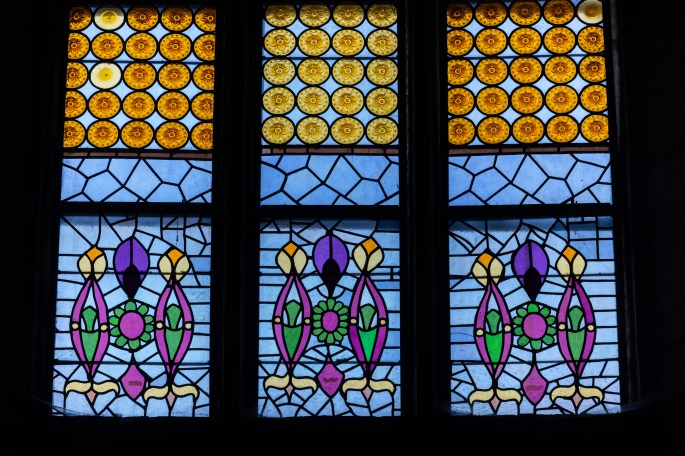
(AKA Bazylika Bożego Ciała w Krakowie)
The Corpus Christi Basilica is a historic church located in Kraków, Poland. It is a remarkable example of Gothic architecture and holds significant religious and cultural importance.
History:
- Foundation: The history of the Corpus Christi Basilica dates back to the late 14th century. It was founded by King Casimir III the Great, one of Poland’s most prominent medieval monarchs. The king wanted to create a grand place of worship in honor of the Eucharist, hence the name “Corpus Christi,” which means “Body of Christ” in Latin.
- Construction: Construction began in the late 14th century and continued for several centuries. The basilica underwent various architectural styles, including Gothic, Renaissance, and Baroque elements, making it a unique blend of architectural influences.
- Significance: The church gained prominence as a center of religious life and played a crucial role in the development of the Corpus Christi procession, a significant Catholic tradition that originated in Kraków. This procession is now celebrated in many cities worldwide.
- Restorations: Over the centuries, the basilica faced damage and destruction, especially during wars and fires. It underwent extensive renovations and restorations to maintain its architectural and historical significance.
Architecture:
- Gothic Style: The Corpus Christi Basilica is primarily built in the Gothic architectural style, characterized by its pointed arches, ribbed vaults, and buttresses. The exterior features intricate stone carvings and sculptures, showcasing the craftsmanship of the medieval artisans.
- Interior: Inside the basilica, visitors will be awed by the grandeur of its high vaulted ceilings, tall columns, and magnificent stained glass windows. The interior is adorned with beautiful frescoes, altarpieces, and religious art that spans various periods, reflecting the evolving tastes and styles of the centuries.
- Chapels: The basilica houses several chapels, each with its unique architectural and artistic elements, including the chapel of the Annunciation of the Blessed Virgin Mary and the chapel of St. Anna.
Visiting the Corpus Christi Basilica in Kraków offers not only a chance to admire its architectural beauty but also an opportunity to connect with the rich religious and cultural history of Poland. It’s a place where art, history, and spirituality converge, making it a memorable destination for travelers.
Visit Notes
My favorite thing about this church were the swallows flying around the tower. There had to be thousands of them out looking for bugs every time I walked by. We were staying half a block away, so I got to admire them every morning. Anyway…
The church is lovely and bright inside. There is a lot to look at in this church, and much of it is gilt in gold. All of the usual “old European church” things are here: stained glass, carved wood, paintings, statues, stone carvings… the list goes on. If you enjoy spending time in churches, you will not be disappointed.
Admission is free, so there’s no real reason not to check it out.
Details
Bożego Ciała 26, 31-059 Kraków, Poland
Attraction opening days and times can change with no warning.
Always double-check information with the official website before making any plans
Photos


Kraków
Krakow, Poland is a city that seamlessly blends history, culture, and vibrant contemporary life, making it a fantastic destination for travelers. Krakow, often hailed as the “cultural capital” of Poland, is a city steeped in history and brimming with charm. Nestled in the southern part of the country, Krakow is a city that balances its…
Thanks for visiting! I hope you have a great trip.
-
Basilica of St. Michael the Archangel

(AKA Bazylika św. Michała Archanioła i św. Stanisława w Krakowie, St. Michael and St. Stanislaus Basilica)
The Basilica of St. Michael the Archangel is a magnificent church located in Kraków, Poland. It holds a rich history and boasts a stunning architectural design that attracts visitors from all around the world.
The history of St. Michael and St. Stanislaus Basilica dates back to the early 17th century. The church was originally founded by King Sigismund III Vasa in 1597. However, it wasn’t until 1617 that the foundation stone was laid, and the construction of the church began in earnest. The basilica was built in the Baroque style, which was popular in Poland during the 17th century.
One of the most important moments in the basilica’s history occurred in 1733 when the church was elevated to the status of a basilica by Pope Clement XII. This was a significant recognition of its religious and historical importance.
During its long history, the basilica has undergone several renovations and restorations, including repairs after damage during World War II. It has been a place of worship, pilgrimage, and cultural significance for centuries and continues to be an essential part of Kraków’s cultural and religious heritage.
The architecture of St. Michael and St. Stanislaus Basilica is a prime example of the Baroque style, characterized by ornate decorations, grandeur, and a focus on dramatic and emotional impact. Some notable architectural features include:
- Facade: The basilica’s facade is adorned with intricate sculptures and statues of saints, angels, and other religious figures. It’s a stunning example of Baroque decorative art.
- Interior: The interior of the basilica is equally impressive, featuring lavish stucco work, frescoes, and gilded decorations. The high ceilings, ornate chapels, and richly adorned altars make it a feast for the eyes.
- Altar: The main altar, dedicated to St. Stanislaus, is particularly breathtaking. It is a masterpiece of Baroque art and craftsmanship, with a central painting depicting the saint’s martyrdom.
- Pipe Organ: The basilica houses a magnificent pipe organ, which is one of the largest in Poland. It is known for its exceptional sound quality and is often used for concerts and recitals.
- Chapels: There are numerous chapels within the basilica, each with its own unique design and dedicated to different saints and religious themes. The Chapel of the Holy Sepulchre is especially notable for its realism in depicting Christ’s tomb.
When you visit St. Michael and St. Stanislaus Basilica, take the time to admire the architectural details, soak in the spiritual atmosphere, and appreciate the centuries of history that have shaped this remarkable place of worship. It is not only a religious site but also a testament to the artistic and cultural heritage of Kraków and Poland.
Visit Notes
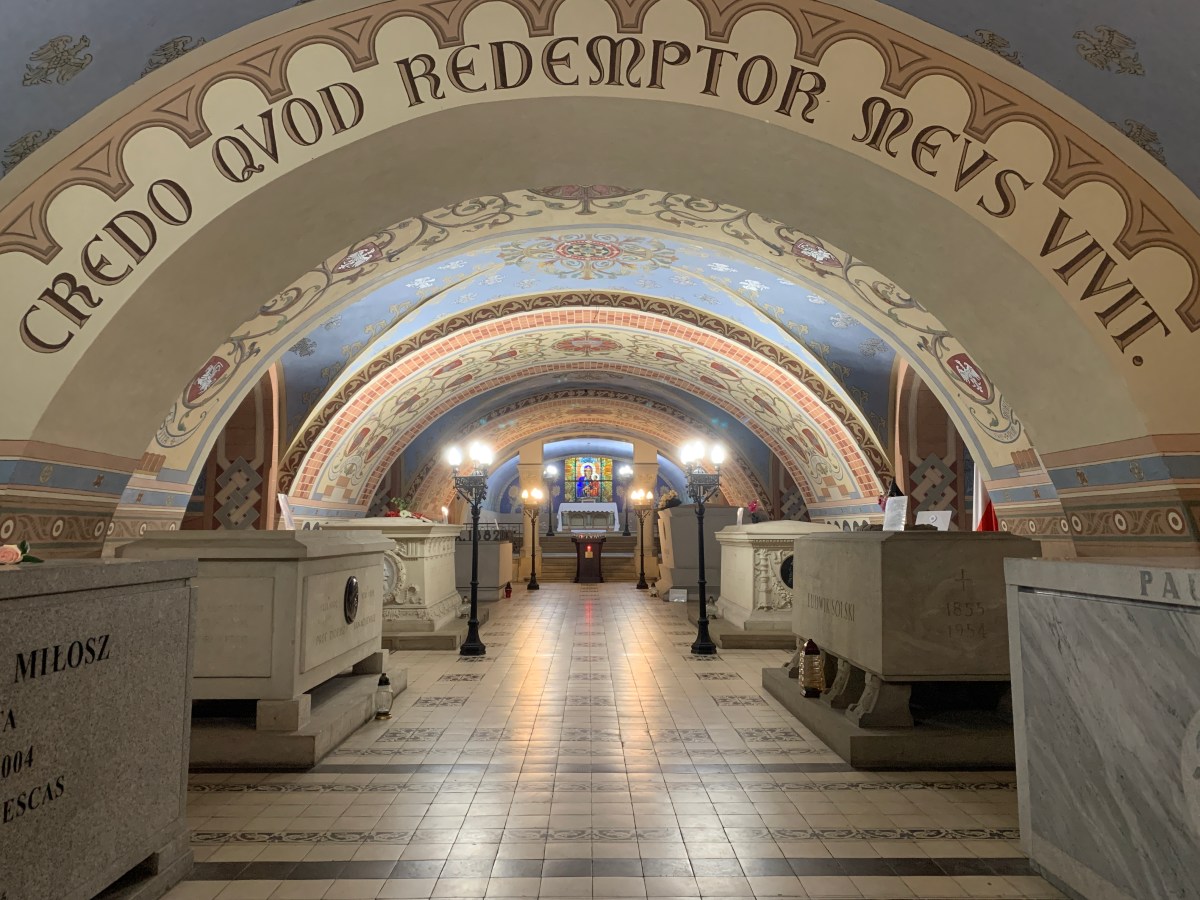
The grounds here are quite lovely, with some memorials and statues to admire. There is also a crypt to visit if you pay a small fee. Czesław Miłosz is interred here, who you will have heard of if you’ve seen Under the Tuscan Sun (or if you’re more cultured than me and like poetry).
Inside the church, you’ll find plenty of details to keep you busy for a while. There are several beautiful churches here in the Kazimierz, and it won’t take you long to visit them. I highly recommend them if you’re a fan of old, ornate churches.
Details
Skałeczna 15, 31-065 Kraków, Poland
Attraction opening days and times can change with no warning.
Always double-check information with the official website before making any plans
Photos


Kraków
Krakow, Poland is a city that seamlessly blends history, culture, and vibrant contemporary life, making it a fantastic destination for travelers. Krakow, often hailed as the “cultural capital” of Poland, is a city steeped in history and brimming with charm. Nestled in the southern part of the country, Krakow is a city that balances its…
Thanks for visiting! I hope you have a great trip.
-
Holy Trinity Church
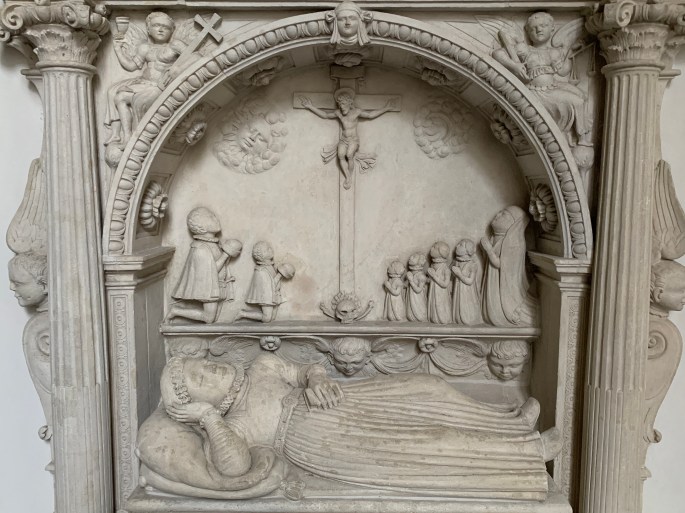
(AKA Bazylika Dominikanów pw. Świętej Trójcy w Krakowie, Dominican Basilica of the Holy Trinity)
This basilica is a prime example of Gothic architecture, and its construction dates back to the 13th century, making it one of the oldest churches in Kraków. As you approach the basilica, you’ll be struck by its impressive façade, adorned with intricate stone carvings and statues. The soaring spires and the majestic rose window create an awe-inspiring first impression.
The interior is a testament to the skill and artistry of the craftsmen who worked on it over the centuries. High vaulted ceilings, stained glass windows, and exquisite frescoes decorate the spacious nave. The main altar is a masterpiece, often bathed in golden light, and features a stunning representation of the Holy Trinity.
The Dominican Basilica holds immense religious significance in Kraków. It has been a center of Dominican spirituality for centuries and remains an active place of worship to this day. Visitors are welcome to attend Mass or simply sit quietly and contemplate in the peaceful ambiance.
The Holy Trinity Church in Kraków is not only a stunning architectural masterpiece but also a place of deep spirituality and historical significance. Whether you’re interested in art and architecture, religious history, or simply seeking a tranquil space for reflection, a visit to this basilica is sure to be a rewarding experience during your time in Kraków, Poland.
Visit Notes
It rained a couple of days while we were in Kraków, giving us a perfect excuse to duck into this church for a look. It’s a beautiful church that deserves a visit even if it isn’t raining.
Details
Stolarska 12, 31-043 Kraków, Poland
Attraction opening days and times can change with no warning.
Always double-check information with the official website before making any plans
Photos


Kraków
Krakow, Poland is a city that seamlessly blends history, culture, and vibrant contemporary life, making it a fantastic destination for travelers. Krakow, often hailed as the “cultural capital” of Poland, is a city steeped in history and brimming with charm. Nestled in the southern part of the country, Krakow is a city that balances its…
Thanks for visiting! I hope you have a great trip.









About Me
The sky is not completely dark at night. Were the sky absolutely dark, one would not be able to see the silhouette of an object against the sky.
Follow Me On
Subscribe To My Newsletter
Subscribe for new travel stories and exclusive content.
 Meticulous Meanderings
You must be logged in to post a comment.