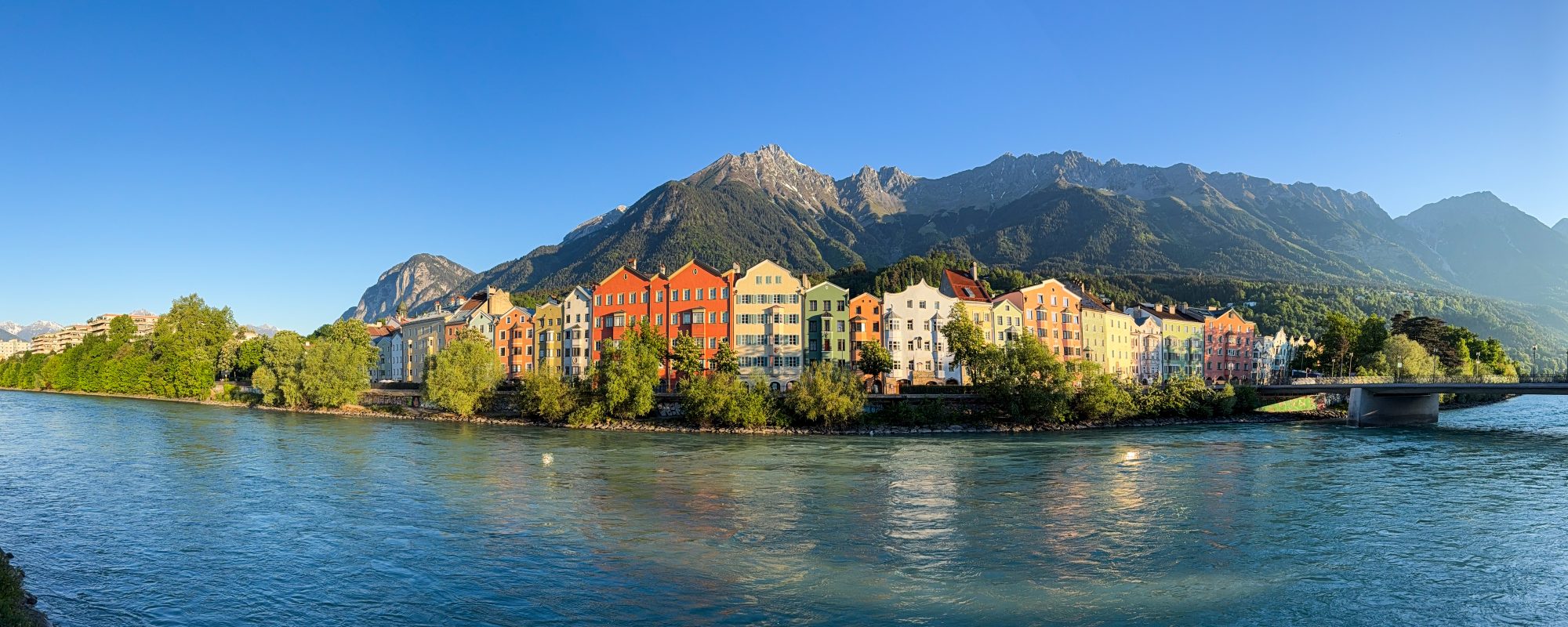
Hello, I’m Veronica
The sky is not completely dark at night. Were the sky absolutely dark, one would not be able to see the silhouette of an object against the sky.


-
Saints Peter and Paul Church

(AKA Kościół św. Apostołów Piotra i Pawła)
The Saints Peter and Paul Church is a magnificent and historically significant religious building located in the heart of Kraków, Poland.
The Church of Saints Peter and Paul is one of the most important Baroque-style churches in Kraków. It was constructed between the late 16th and early 17th centuries and has a rich history that spans several centuries.
This church is renowned for its stunning architecture. The façade is a masterpiece of the Baroque style, characterized by ornate decorations, intricate sculptures, and dramatic forms. The interior is equally impressive, with elaborately decorated altars, beautiful frescoes, and a magnificent organ.
The church was originally built by the Jesuit order, which is known for its contributions to art and education. This influence is evident in the church’s grandeur and the quality of its craftsmanship.
In summary, the Kościół św. Apostołów Piotra i Pawła in Kraków is a must-visit destination for anyone interested in history, architecture, or cultural experiences. Its stunning Baroque design, religious significance, and central location make it a top attraction in this beautiful Polish city. Whether you’re a history enthusiast, an architecture lover, or simply seeking a moment of serenity, this church has something to offer every visitor.
Visit Notes
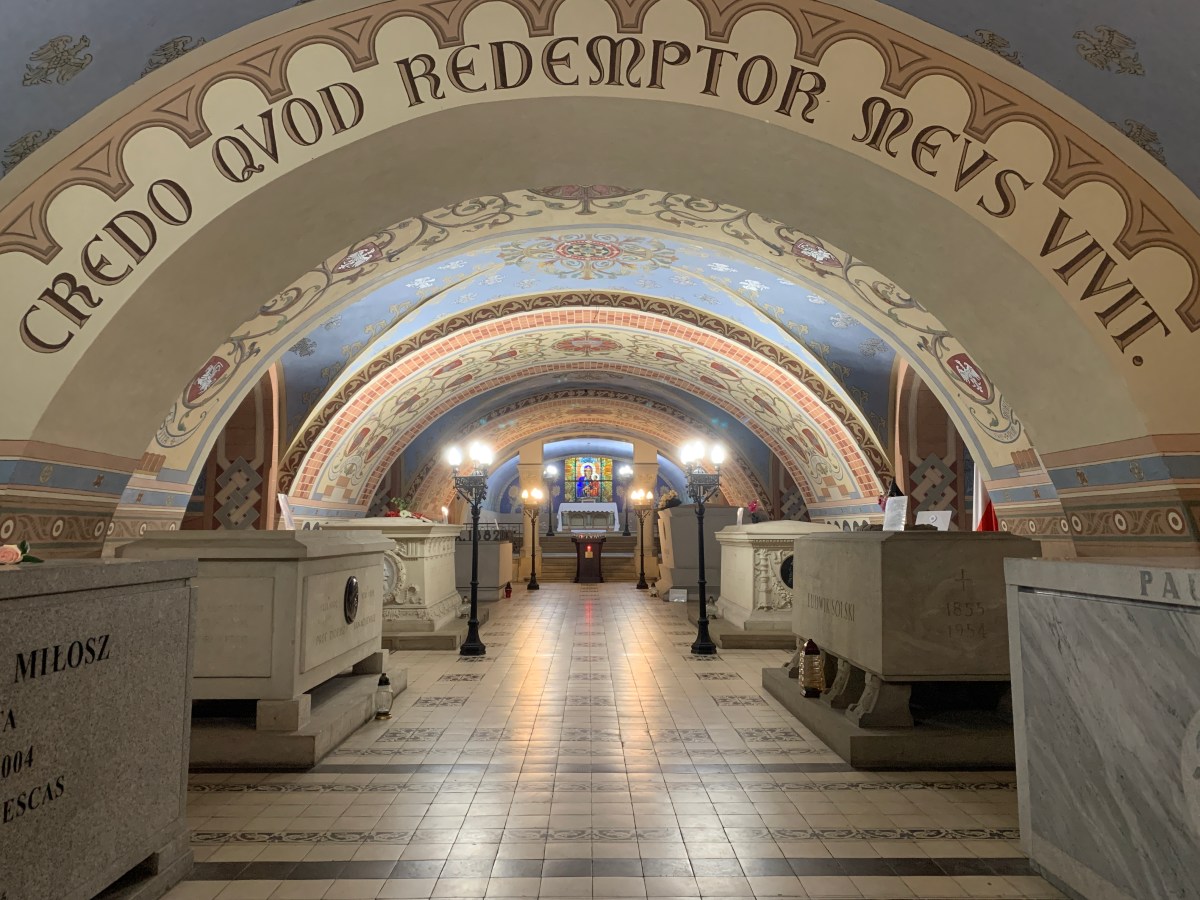
You can’t help but notice this church when you’re in the Kraków old town. The exterior is richly decorated and I found the statues that adorn the wall fascinating. I took far too many pictures of them. The interior is equally impressive, so I highly recommend stopping in to check it out. Admission to view the church is free, and don’t forget to visit the crypt while you’re in there!
The church hosts concerts most evenings, check one out if you have an evening available. We, unfortunately, did not.
Details
Grodzka 52A, 31-044 Kraków, Poland
Attraction opening days and times can change with no warning.
Always double-check information with the official website before making any plans
Photos


Other Sights
Kraków
Krakow, Poland is a city that seamlessly blends history, culture, and vibrant contemporary life, making it a fantastic destination for travelers. Krakow, often hailed as the “cultural capital” of Poland, is a city steeped in history and brimming with charm. Nestled in the southern part of the country, Krakow is a city that balances its…
Thanks for visiting! I hope you have a great trip.
-
Oskar Schindler’s Enamel Factory

(AKA Fabryka ‘Emalia’ Oskara Schindlera)
Oskar Schindler’s Enamel Factory, located in Kraków, Poland, is a historic site of immense significance, known for its role during World War II and as a symbol of hope and humanity in the face of the Holocaust.
Oskar Schindler’s Enamel Factory, originally known as Deutsche Emailwarenfabrik, was the workplace and sanctuary for hundreds of Jewish workers during the Holocaust. The factory is most famous for being the site where Oskar Schindler, a German businessman, saved the lives of over 1,000 Jewish people by employing them in his enamelware and ammunition factory, thereby protecting them from deportation to Nazi concentration camps.
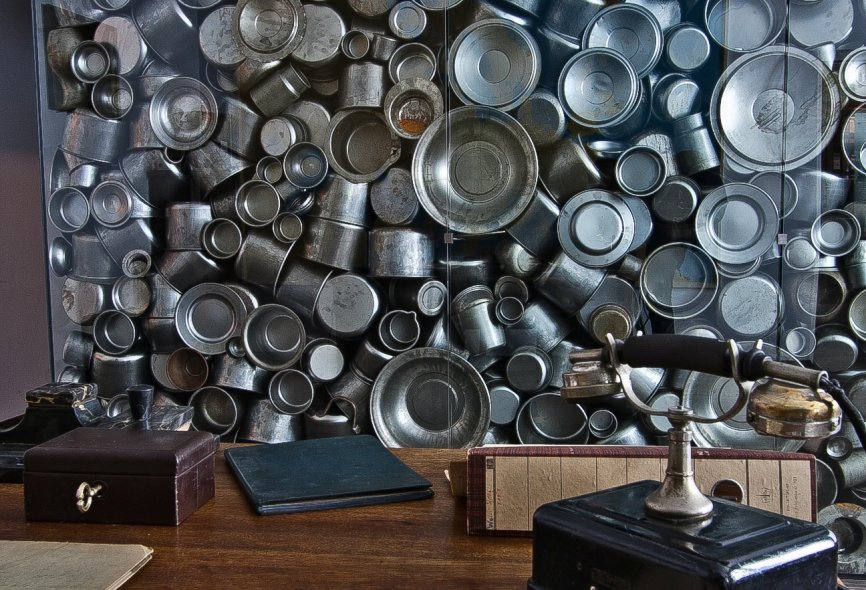
Today, the factory has been transformed into a museum known as the “Schindler’s Factory Museum” or “Muzeum Fabryka Schindlera” in Polish. The museum preserves the memory of the factory’s history and Oskar Schindler’s heroic actions. It offers a comprehensive exhibition that provides visitors with a deep understanding of life in Kraków during World War II, the horrors of the Holocaust, and Schindler’s efforts to save lives.
The museum features a collection of powerful exhibits, including photographs, personal testimonies, documents, and artifacts from the era. You’ll see authentic items from the factory, such as machines and tools, as well as personal belongings of the workers and the famous “Schindler’s List,” which documented the names of those he saved.
Visiting the museum is an educational and emotional experience. It provides insights into the atrocities of the Holocaust, the resilience of the Jewish people, and the actions of individuals who risked their lives to make a difference. The museum also delves into the broader historical context of Kraków during the war and its impact on the local population.
Oskar Schindler’s Enamel Factory in Kraków is a place of historical significance and remembrance that offers a profound and educational experience. It’s a must-visit for anyone interested in World War II history, the Holocaust, and the remarkable story of Oskar Schindler and the lives he saved.
Details
Lipowa 4, 30-702 Kraków, Poland
Mondays
10:00 – 14:00
Tuesday to Sunday
9:00 – 19:00
Closed the first Tuesday of the month
Attraction opening days and times can change with no warning.
Always double-check information with the official website before making any plans
Photos
© Oskar Schindler’s Enamel Factory 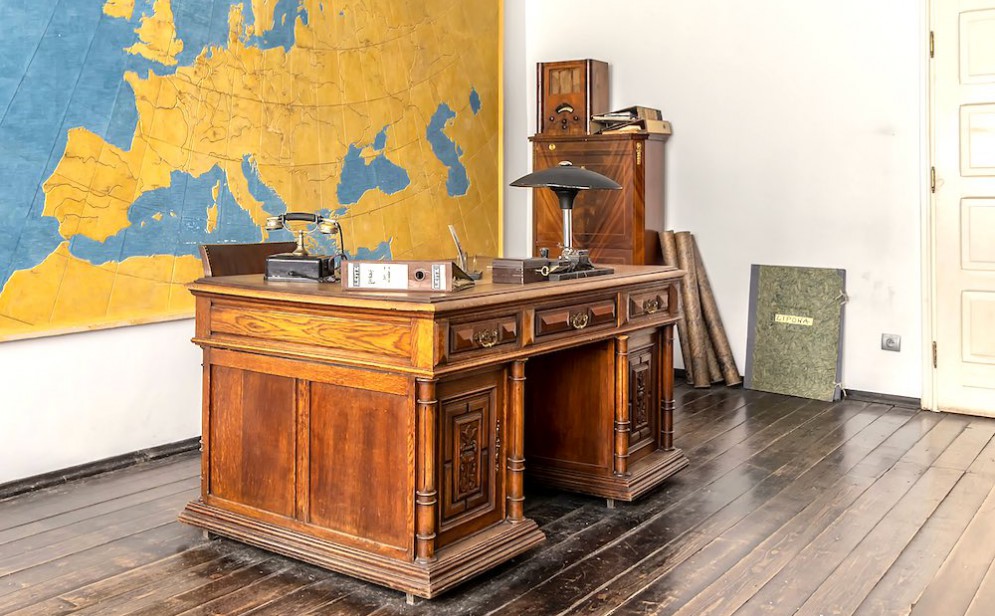
© Discover Cracow 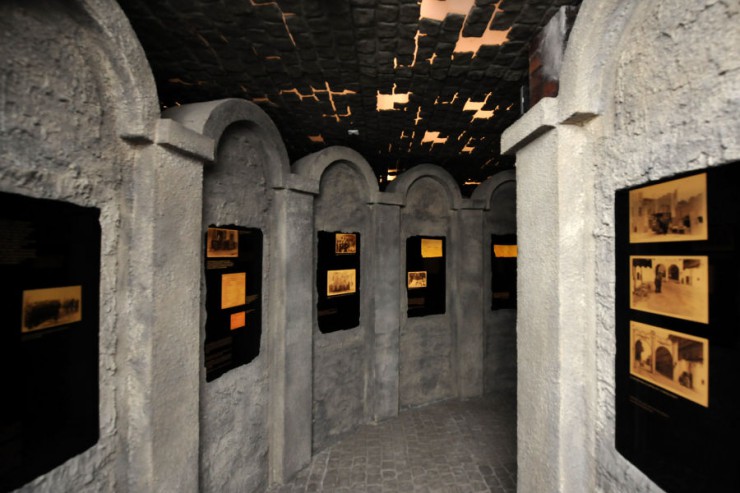
© Discover Cracow 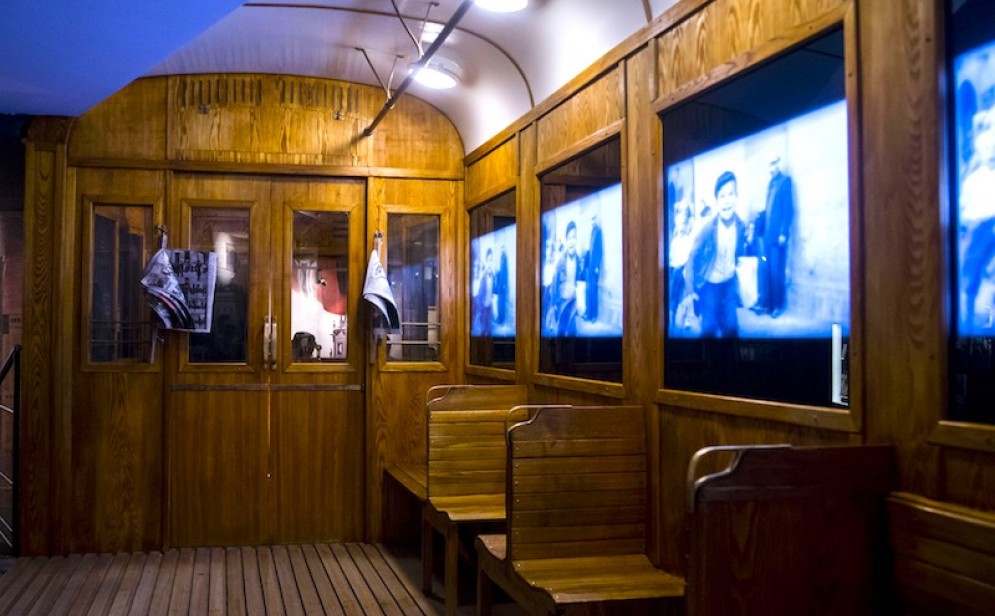
© Discover Cracow Other Sights
Kraków
Krakow, Poland is a city that seamlessly blends history, culture, and vibrant contemporary life, making it a fantastic destination for travelers. Krakow, often hailed as the “cultural capital” of Poland, is a city steeped in history and brimming with charm. Nestled in the southern part of the country, Krakow is a city that balances its…
Thanks for visiting! I hope you have a great trip.
-
Kazimierz
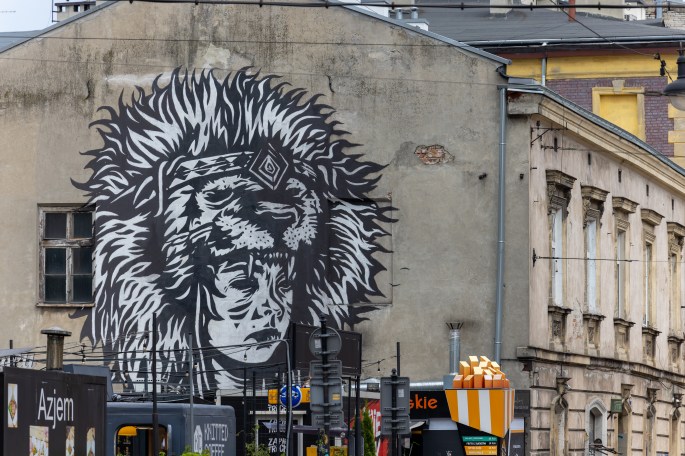
Kazimierz is a historic neighborhood in Krakow, Poland, that is steeped in culture, history, and a vibrant atmosphere. It’s a must-visit destination for anyone traveling to Krakow, especially if you have an interest in Jewish heritage and history.
Historical Significance: Kazimierz has a rich and complex history. It was once a separate town and the center of Jewish life in Krakow for centuries. The neighborhood’s history includes periods of prosperity, coexistence, and the tragic events of World War II. Today, it stands as a testament to the resilience and revival of Jewish culture in Krakow.
Jewish Heritage: Kazimierz is often referred to as the Jewish Quarter of Krakow. You can explore its narrow streets, visit historic synagogues, and learn about the Jewish community that once thrived here. Notable synagogues include the Old Synagogue, Remuh Synagogue, and Tempel Synagogue.
Cultural Hub: Beyond its Jewish heritage, Kazimierz has become a vibrant cultural hub. You’ll find art galleries, theaters, and cultural centers showcasing contemporary art and performances. The neighborhood’s creative energy attracts artists and musicians, making it a lively place to explore.
Cafes and Restaurants: Kazimierz is known for its diverse culinary scene. You can indulge in traditional Polish or Jewish dishes like pierogi, challah bread, and matzo ball soup. There are also numerous cafes, bars, and restaurants serving a wide range of international cuisines, making it a fantastic place to enjoy both local and global flavors.
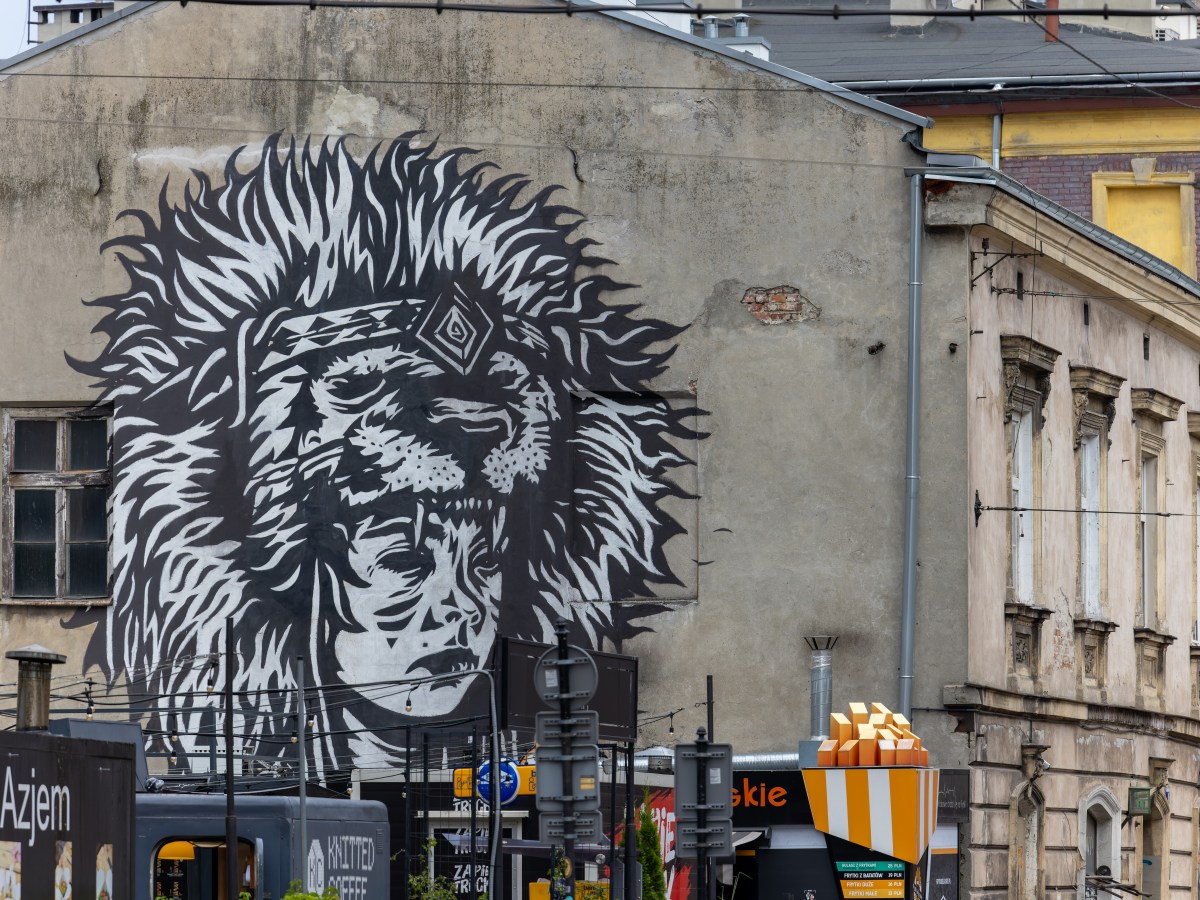
Street Art and Murals: One of the unique features of Kazimierz is its street art scene. You’ll find colorful murals and graffiti adorning many walls, adding to the neighborhood’s bohemian and artistic atmosphere. It’s a great place for urban art enthusiasts to explore.
Boutique Shops: Kazimierz is a great place for shopping, with a range of boutique stores selling unique fashion, jewelry, and crafts. You can find one-of-a-kind souvenirs and gifts to take home with you.
Nightlife: When the sun sets, Kazimierz comes alive with a thriving nightlife scene. There are plenty of bars and clubs where you can enjoy live music, dance to electronic beats, or simply relax with a drink in a cozy setting.
Plazas and Parks: The neighborhood offers charming squares and parks where you can relax and soak in the local atmosphere. Szeroka Square, with its historic buildings and outdoor seating, is a favorite spot for both locals and tourists.
Festivals and Events: Throughout the year, Kazimierz hosts various cultural festivals, including Jewish cultural events, music festivals, and art exhibitions. Check the local event calendar to see if your visit coincides with any of these exciting happenings.
Kazimierz is a neighborhood that seamlessly blends its historical significance with a contemporary and artistic vibe. It’s a place where history, culture, and creativity intersect, making it a captivating and memorable destination for visitors to Krakow.
Visit Notes
During our visit to Kraków, we stayed at an apartment in the Kazimierz neighborhood. It was a great area to have a home base. There is a huge array of restaurants to choose from, including a food truck court. Most everything you’ll want to see in Kraków is in easy walking distance, or you can hop on the tram.
You’ll find museums, churches, shady squares, and more if you wander around here. Walking along the river is a relaxing way to spend an evening and I particularly enjoyed the Bridge of Locks (Kładka Ojca Bernatka).
Whether you choose to stay in the neighborhood, or just spend a few hours here, you can’t go wrong with a visit to Kazimierz.
Details
Photos


Kraków
Krakow, Poland is a city that seamlessly blends history, culture, and vibrant contemporary life, making it a fantastic destination for travelers. Krakow, often hailed as the “cultural capital” of Poland, is a city steeped in history and brimming with charm. Nestled in the southern part of the country, Krakow is a city that balances its…
Thanks for visiting! I hope you have a great trip.
-
Auschwitz – Birkenau
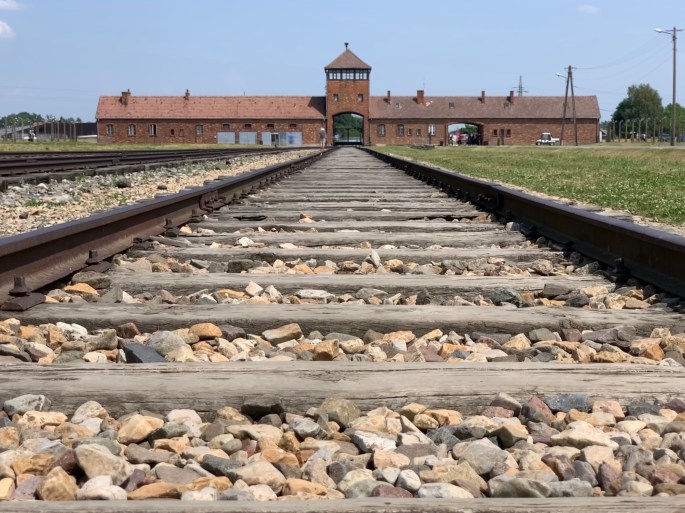
The Auschwitz II-Birkenau Memorial and Museum is a solemn and historically significant site located near the town of Oświęcim in Poland. It serves as a powerful testament to the horrors of the Holocaust and the atrocities committed by Nazi Germany during World War II. If someone is considering visiting this site, it’s important to be prepared for an emotionally challenging experience but also one that is deeply educational and important for understanding the dark chapters of human history.
Historical Significance: Auschwitz II-Birkenau was one of the largest and most notorious Nazi concentration and extermination camps during World War II. It played a central role in the Holocaust, where over a million innocent people, primarily Jews, but also Roma, Poles, Soviet prisoners of war, and others, were systematically murdered.
Layout: The memorial complex is divided into two main sections: Auschwitz I and Auschwitz II-Birkenau. Auschwitz I was the original concentration camp, while Auschwitz II-Birkenau was the larger extermination camp built to accommodate the mass murder of prisoners.
Guided Tours: Visitors are strongly encouraged to take guided tours to gain a deeper understanding of the history and significance of the camp. Knowledgeable guides provide insights into the camp’s history, its operations, and the experiences of the prisoners.
Barracks and Facilities: You’ll see the preserved barracks, watchtowers, and barbed wire fences that were part of the camp’s infrastructure. Visitors can also explore the remains of gas chambers and crematoria, which are haunting reminders of the horrors that took place here.
Exhibitions: There are various exhibitions within the museum complex that display personal belongings of the victims, including shoes, clothing, luggage, and other items confiscated from the prisoners. These exhibits humanize the victims and help convey the scale of the tragedy.
Memorial and Reflection: At the end of the tour, there is a memorial and reflection area where visitors can pay their respects, light candles, and take a moment to contemplate the significance of the site.
Emotional Impact: Visiting Auschwitz II-Birkenau can be emotionally challenging and deeply moving. It serves as a stark reminder of the need to remember the Holocaust and prevent such atrocities from happening again.
Reservations: It’s advisable to make reservations in advance, especially during peak tourist seasons, as there is a limit to the number of visitors allowed each day.
Respectful Attire: Visitors are expected to dress modestly and respectfully when visiting the memorial and museum, as it is a place of remembrance and reflection.
A visit to the Auschwitz II-Birkenau Memorial and Museum is a profoundly sobering and educational experience. It serves as a poignant reminder of the Holocaust’s horrors and the importance of never forgetting the atrocities committed during this dark period in history. It’s a place to pay tribute to the victims and to reflect on the lessons that must be learned to ensure that such events are never repeated.
Visit Notes
Let’s talk logistics. There is plenty of parking if you choose to drive here, however, we found it easier to book a ride here. Our driver picked us up in Kraków and drove us first to Birkenau and then met us later to transport us over to Auschwitz. On the way, he talked to us about the history of the site and WWII in general. He gave us some books to use during our visit with even more information about the site. I would 100% recommend using a service like this to get you to the site. It was nice to just sit back and relax and let someone else do the navigating. Then, on the way back we were able to shut our brains down after an emotionally draining day. Yes, this is a visit that will take the majority of the day.
Both Auschwitz and Birkenau are worth visiting, but if for some reason you are crunched for time then stick to the Auschwitz site, you will learn more from the exhibits there. Both sites require a bit of walking, but more so on the Birkenau side.
As for what you will see here, you will find exhibits that really bring home the sheer terror of the unfortunate people who met their end at this place. It’s impossible to really understand how many people were murdered here, but the piles of personal belongings give you a place to begin. You will be horrified, you will be outraged, you will despair for humanity. But you absolutely must visit.
I’m going to do something I hate and be a little preachy now: please, please, please, if you come here, leave the selfies at home. Dress appropriately. Act appropriately. I saw several people taking smiling selfies in front of places where this was deeply inappropriate and wrong. If you can’t treat this sacred place with respect then please go elsewhere.
Details
Hours are seasonal, check the website for details
Attraction opening days and times can change with no warning.
Always double-check information with the official website before making any plans
Photos


Kraków
Krakow, Poland is a city that seamlessly blends history, culture, and vibrant contemporary life, making it a fantastic destination for travelers. Krakow, often hailed as the “cultural capital” of Poland, is a city steeped in history and brimming with charm. Nestled in the southern part of the country, Krakow is a city that balances its…
Thanks for visiting! I hope you have a great trip.
-
Wieliczka Salt Mine

(AKA Kopalnia Soli Wieliczka)
The Wieliczka Salt Mine, located in Poland near the city of Krakow, is a fascinating and historic underground attraction that offers visitors a unique and memorable experience. Here’s a description to entice someone who is thinking about visiting:
The Wieliczka Salt Mine, often referred to as the “Underground Salt Cathedral of Poland,” is a UNESCO World Heritage site and one of the most remarkable underground mines in the world. It boasts a history spanning over 700 years, making it one of the oldest salt mines still in operation until the late 20th century.
Underground World: As you descend into the depths of the Earth, you’ll be transported to an otherworldly realm filled with intricate chambers, tunnels, and chapels carved entirely out of salt. The mine reaches a depth of 327 meters (1,073 feet) and extends over 287 kilometers (178 miles) of labyrinthine passages, showcasing the astonishing craftsmanship of the miners who worked here.
Stunning Salt Sculptures: One of the most astonishing aspects of the Wieliczka Salt Mine is the stunning salt sculptures and artworks that adorn its chambers. Skilled miners have carved intricate chandeliers, altarpieces, statues, and even entire chapels out of the salt rock. The highlight is undoubtedly the breathtaking St. Kinga’s Chapel, a subterranean masterpiece with walls, floors, and decorations all hewn from salt.
Historical and Cultural Significance: Throughout your visit, you’ll learn about the rich history of the mine, which has played a crucial role in Poland’s economy and culture for centuries. The mine also served as a place of worship and refuge during various historical periods, making it a testament to both human ingenuity and spirituality.
Health Benefits of Salt: The mine’s microclimate is believed to have health benefits due to its constant temperature and high humidity, making it a popular destination for those seeking respiratory relief. Many visitors with respiratory conditions come here for salt therapy, or “halotherapy,” as the air is rich in beneficial ions and minerals.
Interactive Tours: Guided tours are available at the mine, providing an informative and engaging experience. Knowledgeable guides will lead you through the underground wonderland, sharing stories, legends, and historical facts that bring the mine’s history to life.
Unique Souvenirs: Before leaving, don’t forget to visit the underground gift shops, where you can purchase various salt-based products, including edible salt, salt lamps, and other unique souvenirs to remember your visit.
Easy Access from Krakow: The Wieliczka Salt Mine is conveniently located just a short drive from Krakow, making it an excellent day trip or half-day excursion from the city. The accessibility makes it a must-visit destination for anyone exploring the Krakow region.
Visit Notes
You can drive to the salt mine, but we got an Uber and it was quick, easy, and inexpensive. To ensure that you get the tour time you want, purchase your tickets in advance online.
Once your tour starts, you’ll be guided down several set of stairs. We had a few people on our tour who had some trouble, both with the stairs, and all the standing involved. They do have some benches in the places where you’ll be stopped to listen to the guide, so you will have chances to rest. The tour lasts 2-3 hours and you walk about 3.5 km (2.2 miles), so be prepared. Also, if you are particularly tall, you’ll need to watch your head. One poor guy in our group bonked his head pretty good. The good news is that you’ll take an elevator back up to the surface.
If all the walking and stairs haven’t scared you off, then you definitely want to put this on your list of things to do in Kraków. It’s a unique and beautiful place that you really have to see to believe. The tour is interesting and informative, and the time just flies. Before you know it, you’re back out in the sun wishing the tour could have been longer.
By the way, you can get some ice cream in the charming town square of Wieliczka, a couple blocks away.
Details
Daniłowicza 10, 32-020 Wieliczka, Poland
Hours can vary by season, check the website for details
Attraction opening days and times can change with no warning.
Always double-check information with the official website before making any plans
Photos


Kraków
Krakow, Poland is a city that seamlessly blends history, culture, and vibrant contemporary life, making it a fantastic destination for travelers. Krakow, often hailed as the “cultural capital” of Poland, is a city steeped in history and brimming with charm. Nestled in the southern part of the country, Krakow is a city that balances its…
Thanks for visiting! I hope you have a great trip.









About Me
The sky is not completely dark at night. Were the sky absolutely dark, one would not be able to see the silhouette of an object against the sky.
Follow Me On
Subscribe To My Newsletter
Subscribe for new travel stories and exclusive content.
 Meticulous Meanderings
You must be logged in to post a comment.