
Hello, I’m Veronica
The sky is not completely dark at night. Were the sky absolutely dark, one would not be able to see the silhouette of an object against the sky.


-
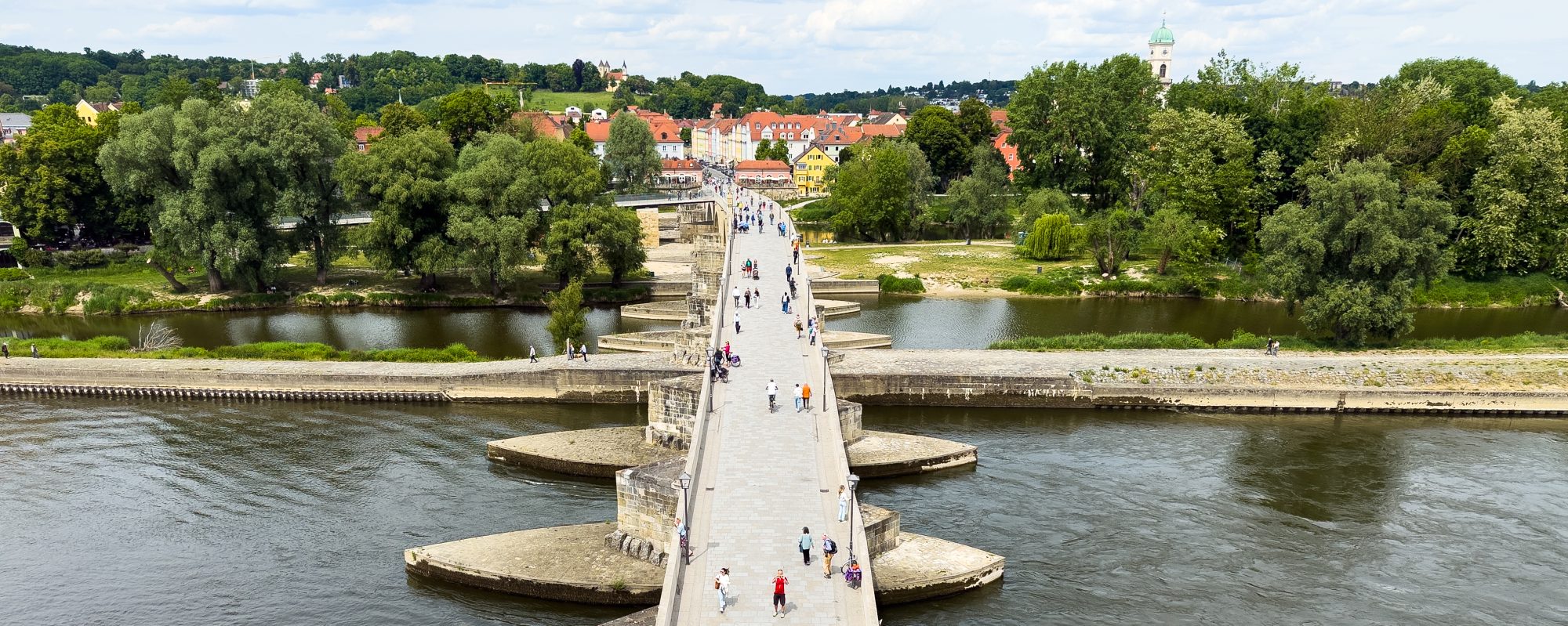
Puente de Alcántara
Puente de Alcántara is a historic bridge located in the enchanting city of Toledo, Spain. It is a remarkable structure with a fascinating history and unique architectural features that make it a must-visit destination for history and architecture enthusiasts like yourself.
The Puente de Alcántara was originally constructed by the ancient Romans in the 1st century AD, during the reign of Emperor Trajan. Its construction aimed to connect the Roman settlements on both sides of the Tagus River, which flows through Toledo. The bridge was part of the important Roman road, known as the Via Augusta, which connected the Roman cities of Emérita Augusta (modern-day Mérida) and Caesar Augusta (modern-day Zaragoza).
The name “Alcántara” has origins in the Arabic word “al-qanţarah” meaning “Arch”, as the bridge’s current form largely dates back to the 9th century when Toledo was under Islamic rule. The Moors, who held control of the region at that time, made significant repairs and modifications to the original Roman structure to adapt it to the architectural styles of their era.
The Puente de Alcántara is a remarkable display of ancient engineering and architectural prowess. The bridge is around 200 meters (approximately 656 feet) long and features two arches. The bridge is constructed using stone blocks and reflects the typical Roman construction techniques of the era. On one end of the bridge you’ll find a defensive tower, and on the other a decorative arch.
The Puente de Alcántara is a testament to the incredible craftsmanship of both the Romans and the Moors, showcasing the meeting of different civilizations and the evolution of architecture over the centuries.
Details
Photos


Other Sights
Thanks for visiting! I hope you have a great trip.
-
Museo del Greco
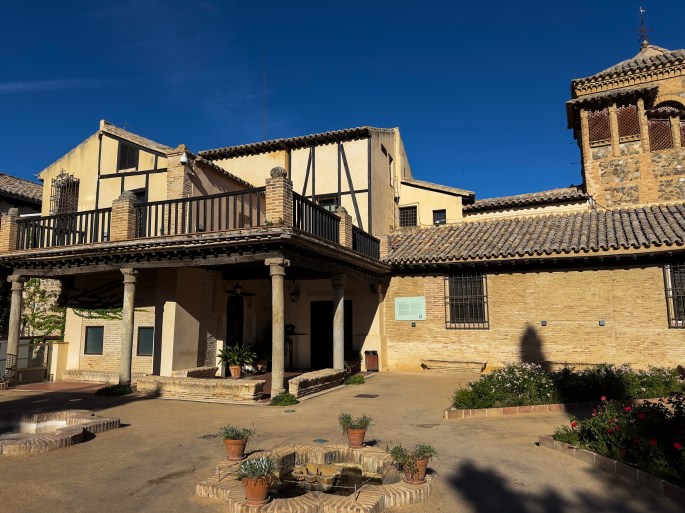
The Museo del Greco is a cultural gem located in the historic city of Toledo, Spain. The museum is dedicated to the renowned Greek artist Doménikos Theotokópoulos, better known as El Greco. El Greco lived and worked in Toledo during the late 16th century, creating some of his most iconic and influential works in this city. After his death in 1614, his art legacy remained cherished by many, and the Museo del Greco was established in his honor.
The building housing the museum is itself a piece of history. It was originally constructed during the 10th century and served as a Jewish house. Over the centuries, the building underwent several transformations and adaptations until it was eventually converted into a museum dedicated to preserving the works of El Greco.
The architecture of the Museo del Greco perfectly complements the historical charm of Toledo. The building reflects the diverse cultural influences that have shaped the city throughout its long history. With its mix of Islamic, Gothic, and Renaissance elements, the museum stands as a testament to Toledo’s rich past.
The façade of the museum is elegant and unassuming, which fits well with the overall medieval ambiance of the surrounding streets. As you step inside, you’ll find a peaceful courtyard with a well, characteristic of traditional Spanish architecture.
Once you venture further inside, you’ll discover a series of rooms and halls that exhibit the exquisite works of El Greco. The museum’s interior design carefully integrates modern exhibition techniques while preserving the historical essence of the building. The lighting and display arrangements are tastefully done, allowing visitors to appreciate El Greco’s art in an intimate and engaging setting.
Art Collection:
The Museo del Greco houses an impressive collection of works by the master himself, El Greco, as well as some pieces from his followers and contemporaries. You’ll have the opportunity to admire his distinctive style characterized by elongated figures, dramatic use of color, and religious and mythological themes.Key highlights of the collection include “The Tears of Saint Peter,” “The Annunciation,” “View and Plan of Toledo,” and “The Nobleman with his Hand on his Chest,” among many others. These paintings offer a glimpse into El Greco’s artistic brilliance and the profound impact he had on European art.
Photos


Other Sights
Thanks for visiting! I hope you have a great trip.
-
Monasterio de San Juan de los Reyes

The Monasterio de San Juan de los Reyes is a magnificent historical site located in Toledo, Spain. It has a rich history and unique architecture that makes it a must-visit destination for anyone interested in exploring Spain’s cultural and religious heritage.
The monastery was commissioned by King Ferdinand II of Aragon and Queen Isabella I of Castile to commemorate their victory over the Portuguese in the Battle of Toro in 1476. The construction of the monastery began in 1477 and was completed in 1504, making it one of the finest examples of the Spanish late Gothic style.
The name “San Juan de los Reyes” translates to “Saint John of the Kings,” referring to Saint John the Evangelist and the Catholic Monarchs. The Catholic Monarchs intended for the monastery to serve as their final resting place, which is why it was built with such grandeur and elegance.
The Monasterio de San Juan de los Reyes is a remarkable example of Gothic architecture, showcasing intricate details and impressive craftsmanship. The exterior facade of the monastery is adorned with beautiful Gothic tracery, pointed arches, and ornamental motifs. As you approach the entrance, you’ll notice the large coat of arms of the Catholic Monarchs, along with various religious symbols.
One of the most striking features of the monastery is the stunning cloister, surrounded by delicate stone tracery and decorated with intricate carvings. The cloister is a serene space, perfect for quiet contemplation and reflection.
Inside the monastery, you’ll find a richly decorated church with a soaring nave and beautifully crafted altarpieces. The high altar is particularly noteworthy, featuring intricate sculptures and religious scenes. The monastery also houses several chapels, each with its own unique artwork and historical significance.
As you explore the monastery, you’ll discover the elaborate tombs of King Ferdinand II, Queen Isabella I, and their daughter, Joanna of Castile, making it a significant site for Spanish royal history.
When planning your visit to the Monasterio de San Juan de los Reyes, keep in mind that it’s a popular tourist attraction, so it’s best to arrive early to avoid crowds. The site is easily accessible by foot from Toledo’s historic center, so it’s recommended to explore the surrounding area as well, as Toledo is a UNESCO World Heritage City with many other historical and architectural treasures to discover.

Admission is free with the
Details
C. de los Reyes Católicos, 17, 45002 Toledo, Spain
March 1 to October 15
10:00 – 18:45
October 16 to February 28
10:00 – 17:45
Attraction opening days and times can change with no warning.
Always double-check information with the official website before making any plans
Photos


Thanks for visiting! I hope you have a great trip.
-
Toledo Cathedral

The Santa Iglesia Catedral Primada de Toledo is a magnificent architectural marvel located in the historic city of Toledo, Spain. It is one of the most significant Gothic cathedrals in Europe and a UNESCO World Heritage site.
The history of the Toledo Cathedral dates back to the 6th century when a Visigothic church stood on the same site. However, the current structure that you see today was built over several centuries, combining various architectural styles and influences. Construction of the cathedral began in 1226 during the reign of Ferdinand III of Castile and was completed in 1493.
The architectural style of the Toledo Cathedral is predominantly Gothic, although it also incorporates elements of other styles such as Mudéjar, Renaissance, and Baroque. The exterior of the cathedral is characterized by its soaring spires, intricate stone carvings, and ornate decoration. The main entrance, known as the Puerta del Perdón, features a stunning Gothic façade adorned with sculptures and reliefs depicting biblical scenes.
As you enter the cathedral, you’ll be greeted by the awe-inspiring interior, which is equally impressive. The cathedral boasts a vast nave with soaring ribbed vaults and tall, slender columns that create a sense of verticality. The choir stalls, made of intricately carved wood, are a sight to behold. The High Altar, situated at the center of the cathedral, is an exquisite example of Spanish Renaissance artistry.
One of the most renowned features of the Toledo Cathedral is the Capilla Mayor, or the Main Chapel. This magnificent space houses the stunning Gothic retablo, a monumental altarpiece created by various artists over several centuries. The retablo is intricately carved and painted, depicting scenes from the life of Christ and the Virgin Mary.
Another highlight of the cathedral is the Sacristy, which is home to a vast collection of religious artifacts, including paintings, sculptures, and precious relics. Here, you can explore a treasure trove of artistic and historical wonders, showcasing the rich cultural heritage of Toledo.
The cathedral also houses the Museo del Tesoro, a museum that displays a wide range of religious artifacts and treasures, including gold and silverwork, illuminated manuscripts, and medieval vestments.
Visiting the Toledo Cathedral offers a unique opportunity to immerse yourself in the rich heritage and architectural grandeur of Spain. From its awe-inspiring Gothic design to its impressive collection of art and artifacts, the cathedral is a testament to the skill and craftsmanship of the artisans who contributed to its creation over the centuries.
Photos


Thanks for visiting! I hope you have a great trip.
-
Plaza Zocodover
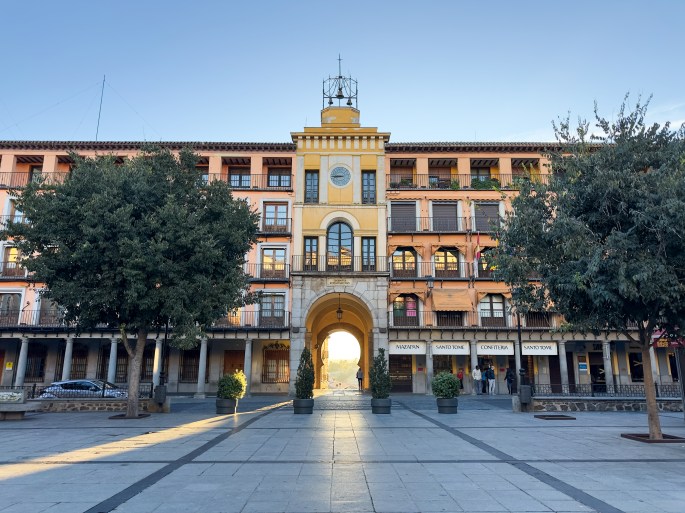
Plaza Zocodover is a historic square located in the heart of Toledo, Spain. Known as the main square of the city, it has a rich history that dates back several centuries and is an essential landmark for anyone visiting Toledo.
The origins of Plaza Zocodover can be traced back to the era of Islamic rule in Spain. The name “Zocodover” is derived from the Arabic word “suk al-duwar,” meaning “marketplace of the beasts.” During this period, the square served as a bustling marketplace where traders sold goods and livestock.
After the Christian conquest of Toledo in the 11th century, Plaza Zocodover underwent significant changes. The square became an important center for social and commercial activities, playing a vital role in the city’s life. It became a meeting point for locals, and numerous festivities, celebrations, and public gatherings were held here.
The architecture of Plaza Zocodover reflects the diverse influences that have shaped the city throughout its history. Surrounding the square, you will find buildings representing various architectural styles, including Moorish, Gothic, Renaissance, and Baroque.
The square itself is surrounded by a charming array of cafes, shops, and restaurants. It’s a wonderful place to relax, enjoy a cup of coffee, and immerse yourself in the vibrant atmosphere of Toledo.
When visiting Plaza Zocodover, take some time to explore the nearby streets and alleys. The square serves as a gateway to Toledo’s historic center, which is a UNESCO World Heritage Site. You’ll discover a wealth of architectural treasures, including the magnificent Toledo Cathedral, the Alcázar fortress, and numerous churches, synagogues, and mosques.
Details
Pl. Zocodover, s/n, 45001 Toledo, Spain
Photos


Thanks for visiting! I hope you have a great trip.








About Me
The sky is not completely dark at night. Were the sky absolutely dark, one would not be able to see the silhouette of an object against the sky.
Follow Me On
Subscribe To My Newsletter
Subscribe for new travel stories and exclusive content.
 Meticulous Meanderings
You must be logged in to post a comment.