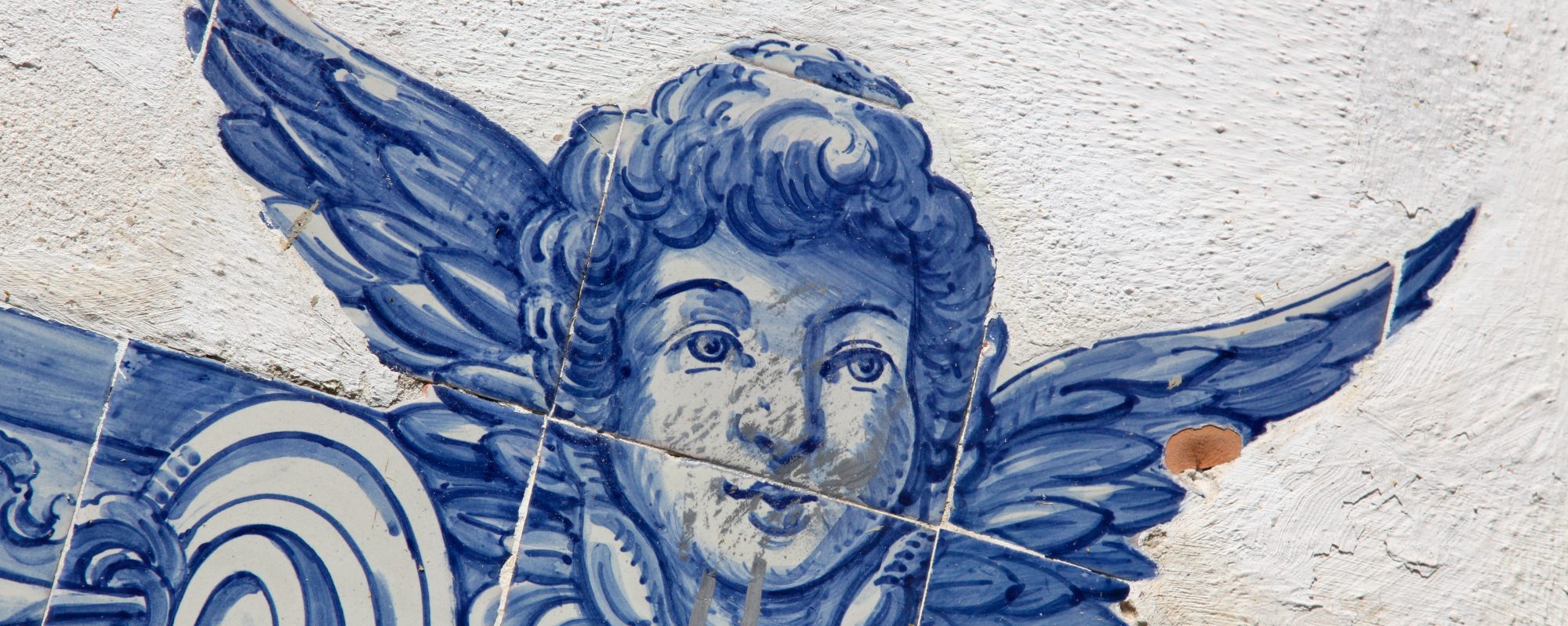

Hello, I’m Veronica
The sky is not completely dark at night. Were the sky absolutely dark, one would not be able to see the silhouette of an object against the sky.


-
Mezquita del Cristo de la Luz

The Mezquita del Cristo de la Luz is a historic mosque located in Toledo, Spain. It is a fascinating architectural gem that showcases the rich cultural and religious history of the region.
The mosque dates back to the 10th century when the Iberian Peninsula was under Muslim rule. Toledo was a major center of Islamic culture during this period, and numerous mosques were built to serve the Muslim community. The Mezquita del Cristo de la Luz is one of the few surviving mosques from that era.
Originally constructed in 999 AD, the mosque was initially known as the Mosque of Bab-al-Mardum. Its purpose was to serve as a place of worship for the growing Muslim population in Toledo. The mosque’s architecture follows the traditional Umayyad style of the time, which was characterized by the use of horseshoe arches, intricate stucco decorations, and geometric motifs.
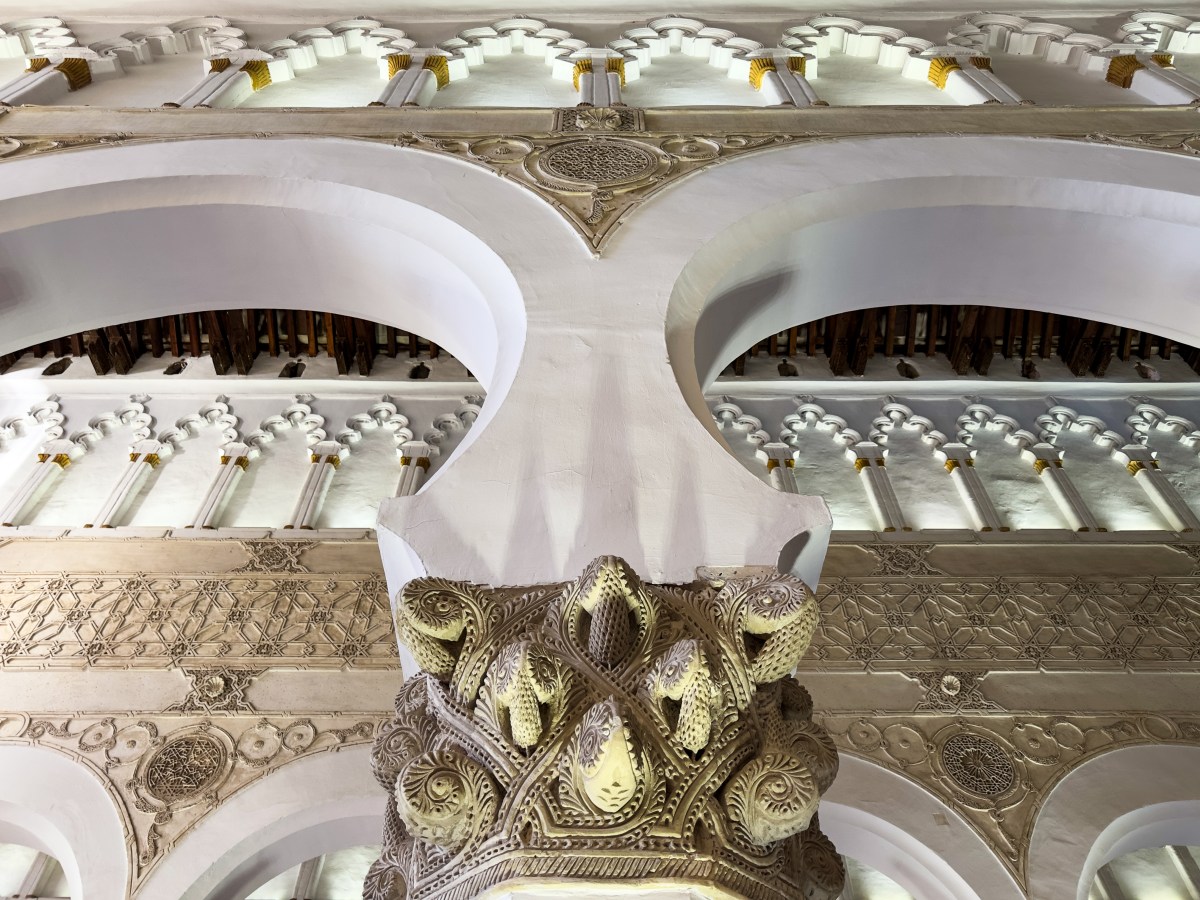
The mosque consists of a rectangular prayer hall with a central courtyard. The prayer hall features nine bays divided by horseshoe arches, supported by slender columns with ornate capitals. The arches are decorated with intricately carved stucco, showcasing Arabic calligraphy and geometric patterns. The qibla wall, facing Mecca, is adorned with a mihrab (prayer niche) featuring beautiful geometric and floral designs.
After the Christian reconquest of Toledo in the 11th century, the mosque was converted into a Christian church. An altar dedicated to Christ was added to the structure, giving it the name “Mosque of Christ of the Light.” Over the centuries, several modifications and additions were made, reflecting the evolving architectural styles of the time.
The most significant alteration occurred in the 12th century when a Mudéjar-style apse was added to the east end of the mosque, incorporating elements of Islamic and Christian architectural traditions. This addition reflects the coexistence and blending of cultures that characterized the medieval period in Spain.
Despite the modifications, the Mezquita del Cristo de la Luz still retains its original Moorish charm. Its architecture is a remarkable fusion of Islamic and Christian influences, making it a fascinating example of the cultural and religious history of Toledo.
Today, the Mezquita del Cristo de la Luz stands as a testament to the coexistence of different cultures and religions in Spain’s past. It serves as a popular tourist attraction, offering visitors a glimpse into the Islamic heritage of the region and the fascinating architectural legacy left behind.

Admission is free with the
Photos


Other Sights
Thanks for visiting! I hope you have a great trip.
-
Alcázar de Toledo

The Alcázar de Toledo is a historic fortress located in the city of Toledo, Spain. Its history dates back to the Roman period when Toledo was an important city in the Iberian Peninsula. However, the current structure primarily reflects its medieval and Renaissance construction.
The original Alcázar was built during the third century AD as a Roman palace. Over the centuries, it underwent numerous transformations under various ruling powers, including the Visigoths and the Moors. However, it was during the medieval period when Toledo became the capital of the Kingdom of Castile that the Alcázar gained its prominence.
In the 16th century, Emperor Charles V ordered the construction of a new royal residence within the fortress. The renowned Spanish architect Alonso de Covarrubias was commissioned for this project, and he designed an impressive Renaissance-style palace. The construction, however, was never completed, and only a portion of Covarrubias’ design was realized. Today, this part of the Alcázar is known as the “Old Alcázar.”
The Alcázar de Toledo witnessed significant historical events. One of the most notable episodes occurred during the Spanish Civil War in the 20th century. The Alcázar served as a nationalist stronghold and endured a three-month-long siege by Republican forces. The defenders held their ground until the Nationalist forces broke the siege, making the Alcázar a symbol of resistance and determination.
Architecturally, the Alcázar is a blend of different styles due to its long history and various additions. The exterior features a combination of medieval, Moorish, and Renaissance elements. The fortress sits on the highest point of Toledo, providing magnificent views of the surrounding city and the Tagus River.
The interior of the Alcázar houses several museums that showcase Toledo’s rich history and culture. Of particular note, the Army Museum (Museo del Ejército) displays an extensive collection of weapons, armor, and military artifacts.
Visiting the Alcázar de Toledo is like stepping into the past and experiencing the historical significance of the city. The fortress not only offers architectural beauty but also provides insights into Spain’s cultural heritage. Its commanding position, stunning views, and intriguing museums make it a must-visit attraction for history enthusiasts and anyone interested in exploring the rich history of Toledo.
Photos


Other Sights
Thanks for visiting! I hope you have a great trip.
-
Murallas de Segovia

The Murallas de Segovia are an impressive architectural monument located in the city of Segovia, Spain. They bear witness to the city’s rich history and offer a fascinating glimpse into its past.
The history of the Murallas de Segovia dates back to the Roman era, as Segovia was originally a Roman settlement known as Segovia Aqueductus. The city flourished under Roman rule, and its strategic location on a rocky hilltop made it an ideal location for fortifications. The construction of the walls began during the 11th century under Moorish rule, but it was the Christian kings who completed and expanded the fortifications over the following centuries.
The walls were primarily built for defensive purposes, serving to protect the city from potential invasions. They encircle Segovia’s historic center, stretching for approximately 3 kilometers (1.9 miles) and featuring several imposing gates, watchtowers, and battlements. The walls are made of stone and mortar, with some sections exhibiting Roman and Moorish architectural influences.
One of the most iconic features of the Murallas de Segovia is the Alcázar, a majestic castle located within the walls. It stands atop a rocky outcrop, providing a commanding view of the surrounding landscape. The Alcázar has served various purposes throughout history, including a royal palace, a military academy, and now a museum. Its unique design blends elements of Romanesque, Gothic, and Moorish architecture, showcasing the architectural evolution of the region over the centuries.
Another notable architectural feature of the walls is the Puerta de San Andrés, or the Gate of San Andrés. This gate serves as one of the main entrances to the walled city and features an impressive semicircular arch. It exemplifies the medieval defensive architecture prevalent during its construction.
Visiting the Murallas de Segovia allows you to experience the city’s storied past firsthand. As you walk along the walls, you can admire the panoramic views of the city, its historic center, and the surrounding countryside. The walls offer a unique perspective on the layout of Segovia, as well as insights into the architectural techniques and defensive strategies employed during different historical periods.
Photos


Other Sights
Segovia
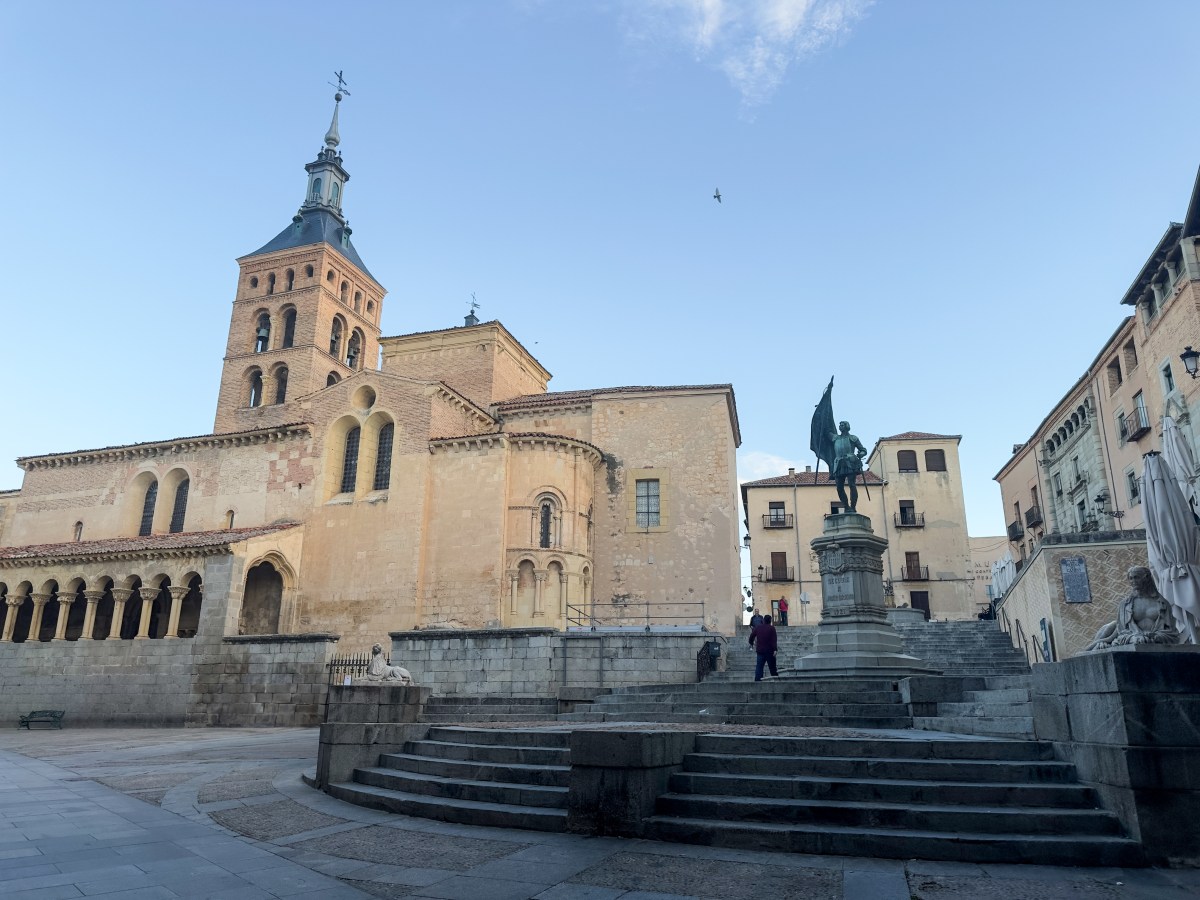
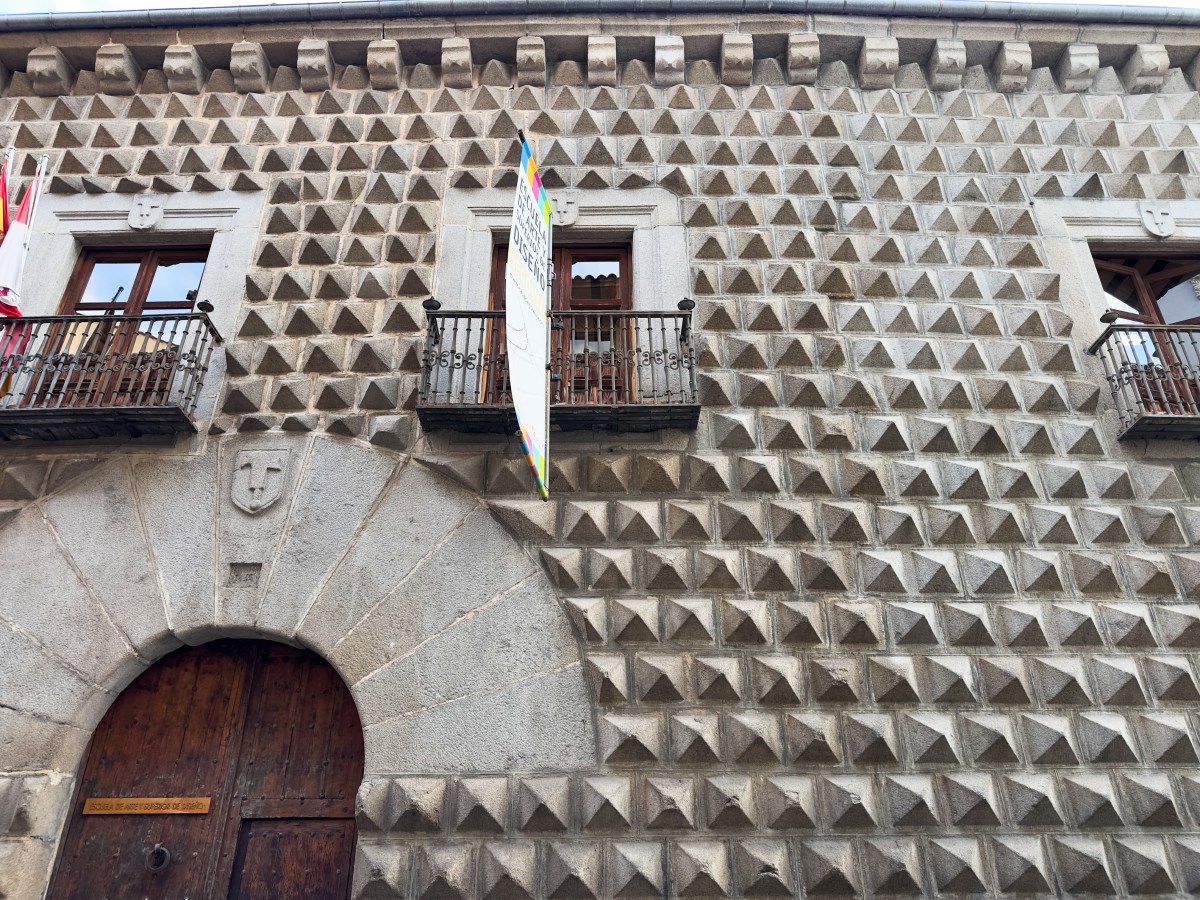
Segovia, Spain is located in the central part of the country, just north of Madrid. It is a place where history comes alive, boasting a rich heritage and architectural wonders that will leave you amazed. One of the most iconic landmarks in Segovia is its stunning Roman aqueduct, which dates back to the 1st century…
Thanks for visiting! I hope you have a great trip.
-
Museo de Segovia

The Museo de Segovia serves as a treasure trove of artifacts, artworks, and exhibits that tell the story of Segovia from its ancient past to the present day. Housed in a historic building, the museum itself is a work of art, blending seamlessly with the surrounding architecture of the city. As you step inside, you’ll be greeted by a sense of stepping back in time.
The collections of the Museo de Segovia cover a wide range of topics, allowing visitors to delve into the various aspects of Segovia’s history. From prehistoric times to the Roman era, medieval period, and beyond, the museum presents a comprehensive overview of the city’s evolution.
One of the museum’s highlights is its Roman collection, which showcases the remnants of the Roman past in Segovia. You can marvel at beautifully preserved mosaics, sculptures, pottery, and other artifacts that shed light on the daily life and culture of the Roman inhabitants.
Another notable section of the museum is dedicated to the medieval era, displaying exquisite religious art, including sculptures and paintings from churches and monasteries in the region. These artworks offer a glimpse into the spiritual and artistic traditions of Segovia during that time.
Additionally, the museum houses a diverse range of exhibits that explore Segovia’s cultural heritage, including traditional crafts, folk art, and local traditions. Through these displays, visitors can gain a deeper understanding of the customs and way of life that have shaped the city and its people.
The Museo de Segovia also frequently hosts temporary exhibitions, offering visitors a chance to discover new perspectives and themes. These special exhibitions often showcase contemporary art or delve into specific historical events, adding a dynamic element to the museum’s offerings.
Photos


Other Sights
Segovia
Segovia, Spain is located in the central part of the country, just north of Madrid. It is a place where history comes alive, boasting a rich heritage and architectural wonders that will leave you amazed. One of the most iconic landmarks in Segovia is its stunning Roman aqueduct, which dates back to the 1st century…
Thanks for visiting! I hope you have a great trip.
-
Colección de Títeres Francisco Peralta

The Colección de Títeres Francisco Peralta is a fascinating museum located in Segovia, Spain, that showcases a rich history of puppetry and marionettes.
The origins of the museum can be traced back to Francisco Peralta, a renowned Spanish puppeteer and collector. Peralta dedicated his life to the art of puppetry and developed a deep passion for preserving and promoting this traditional form of entertainment. Over the years, he amassed an impressive collection of puppets, marionettes, and related artifacts from all over the world.
In 2003, Peralta decided to share his remarkable collection with the public and established the Colección de Títeres Francisco Peralta in Segovia. The museum is housed in a beautiful historic building that adds to its charm and creates a perfect setting for displaying the exquisite puppets.
The collection itself is a treasure trove for puppetry enthusiasts and curious visitors alike. It features an extensive array of puppets from different eras, countries, and styles. You’ll find traditional string puppets, hand puppets, rod puppets, and even large-scale marionettes. These puppets showcase the diversity of puppetry techniques and materials used across cultures and time periods.
As you explore the museum, you’ll have the opportunity to witness the craftsmanship and artistry involved in creating these intricate puppets. The collection includes pieces made from wood, cloth, ceramics, and other materials, each with its own unique characteristics and cultural significance.
One of the highlights of the Colección de Títeres Francisco Peralta is its dedication to preserving the history and heritage of Spanish puppetry. The museum features a significant number of Spanish puppets, some of which are traditional characters from popular puppet shows that have entertained generations. These puppets offer a glimpse into the rich folklore and storytelling traditions of Spain.
In addition to the permanent collection, the museum often hosts temporary exhibitions, workshops, and puppet performances, providing a dynamic and interactive experience for visitors. These activities allow visitors to not only admire the puppets but also learn about the different puppetry techniques and even try their hand at operating some of the puppets.
Photos


Segovia
Segovia, Spain is located in the central part of the country, just north of Madrid. It is a place where history comes alive, boasting a rich heritage and architectural wonders that will leave you amazed. One of the most iconic landmarks in Segovia is its stunning Roman aqueduct, which dates back to the 1st century…
Thanks for visiting! I hope you have a great trip.










About Me
The sky is not completely dark at night. Were the sky absolutely dark, one would not be able to see the silhouette of an object against the sky.
Follow Me On
Subscribe To My Newsletter
Subscribe for new travel stories and exclusive content.
 Meticulous Meanderings
You must be logged in to post a comment.