
Hello, I’m Veronica
The sky is not completely dark at night. Were the sky absolutely dark, one would not be able to see the silhouette of an object against the sky.


-
Museo Real Casa de Moneda de Segovia
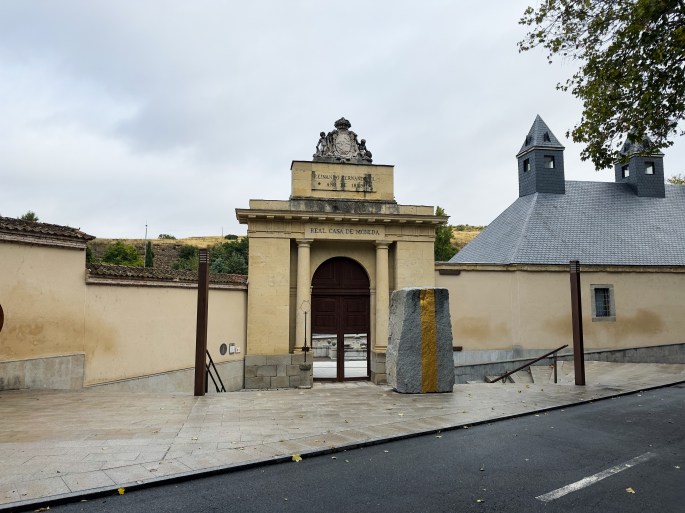
The Museo Real Casa de Moneda de Segovia (Royal Mint Museum of Segovia) is a fascinating museum located in the historic city of Segovia, Spain.
The Royal Mint of Segovia has a rich history (ha ha, get it?) that dates back to the late 15th century. It was established in 1583 by King Philip II of Spain, who recognized the importance of having a central mint to produce and regulate the currency of the realm. Segovia was chosen as the site for the mint due to its strategic location and its skilled metalworkers and craftsmen.
For centuries, the Royal Mint played a vital role in the Spanish economy. It produced coins and medals, including the famous Spanish pieces of eight, which were widely used in international trade during the Spanish Empire’s heyday. The mint operated continuously until 1868 when it was relocated to Madrid.
The architecture of the Museo Real Casa de Moneda is a remarkable blend of different styles reflecting the building’s evolution over the centuries. It combines elements of Gothic, Renaissance, and Neoclassical architecture.
The museum’s exhibition halls are located in the old minting workshops, which were added to the complex over time. These spaces were adapted and renovated to create modern exhibition areas while preserving the historic character of the building. The museum’s architects skillfully integrated contemporary design elements with the original structures, providing visitors with an immersive experience.
The Museo Real Casa de Moneda offers a fascinating journey into the world of numismatics (the study of coins and currency). Its extensive collection showcases the history of Spanish currency, the coin minting process, and the evolution of money through different periods. You’ll have the opportunity to see ancient coins, intricate medals, and impressive coin-making machinery.
The museum’s exhibits are carefully curated to provide insights into the cultural, economic, and historical contexts behind the coins. You’ll gain a deeper understanding of Spain’s past and its influence on global economies. Interactive displays and multimedia presentations enhance the experience, making it engaging and informative for visitors of all ages.
In addition to its numismatic exhibits, the museum often hosts temporary exhibitions that explore various aspects of art, history, and culture. These exhibits add a dynamic element to the museum’s offerings, ensuring there’s always something new to discover.
Photos


Other Sights
Segovia
Segovia, Spain is located in the central part of the country, just north of Madrid. It is a place where history comes alive, boasting a rich heritage and architectural wonders that will leave you amazed. One of the most iconic landmarks in Segovia is its stunning Roman aqueduct, which dates back to the 1st century…
Thanks for visiting! I hope you have a great trip.
-
Palacio Episcopal
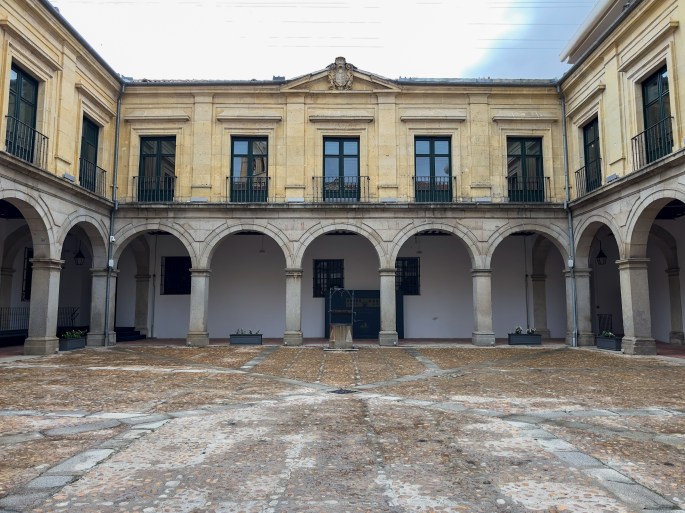
The Palacio Episcopal (Episcopal Palace) is a remarkable architectural gem located in the historic city of Segovia, Spain.
The construction of the Palacio Episcopal dates back to the late 18th century, with the initial work being commissioned by the Bishop Agustín Rubín de Ceballos. The palace was intended to serve as the residence for the bishops of Segovia, combining both residential and administrative functions.
The Palacio Episcopal exhibits a unique blend of architectural styles, predominantly showcasing the Neoclassical and Baroque influences that were prevalent during its construction. The building was designed by the renowned architect Pedro de Asensio, who infused it with grandeur and elegance.
The facade of the palace is characterized by a composition of symmetrical lines. The use of local golden sandstone, known as “pinar de Segovia,” gives the building a warm and inviting appearance.
The central section of the palace features a prominent pediment supported by Corinthian columns, adding a touch of classical grandeur. Look closely, and you’ll notice delicate details such as sculptures, reliefs, and decorative motifs that adorn the facade, showcasing the mastery of the craftsmen involved in its creation.
Step inside the Palacio Episcopal, and you’ll be greeted by a series of rooms that showcase the opulence and refinement of the era. The interior spaces are designed with a sense of grandeur, featuring high ceilings, intricate moldings, and sumptuous decorations.
The palace houses a remarkable collection of artworks, including paintings, sculptures, and religious artifacts, many of which are displayed in the various rooms. If you’re feeling especially competitive, you can book a reservation in their escape room (purchase on their website).
Photos


Other Sights
Segovia
Segovia, Spain is located in the central part of the country, just north of Madrid. It is a place where history comes alive, boasting a rich heritage and architectural wonders that will leave you amazed. One of the most iconic landmarks in Segovia is its stunning Roman aqueduct, which dates back to the 1st century…
Thanks for visiting! I hope you have a great trip.
-
Plaza Mayor

The Plaza Mayor in Segovia, Spain is a historic and picturesque square that holds a significant place in the city’s history. Situated in the heart of the old town, it is a vibrant and bustling space that has been the focal point of civic and social activities for centuries.
The origins of the Plaza Mayor can be traced back to the medieval period when it served as a market square. Over time, it evolved into a central gathering place for the community, where various events, festivals, bullfights, and even public executions took place. The square was a hub of activity and an important meeting point for locals and visitors alike.
One of the most striking features of the Plaza Mayor is its unique architecture. The square is surrounded by beautiful buildings with characteristic arcades, creating a harmonious and visually appealing atmosphere. The most prominent structures are the Catedral de Segovia and the Ayuntamiento, or City Hall, which dominates one side of the square. The City Hall is a stunning example of Gothic and Renaissance architecture, adorned with ornate decorations and intricate details.
As you explore the Plaza Mayor, take a moment to admire the intricate facades, wrought iron balconies, and colorful awnings that adorn the buildings. The square exudes an old-world charm and provides a captivating backdrop for leisurely strolls, people-watching, or enjoying a cup of coffee at one of the numerous cafes.
The Plaza Mayor has witnessed several significant historical events throughout the years. It served as a rallying point during the Spanish Civil War and was the scene of intense fighting. The scars of the conflict have since been healed, but the Plaza Mayor stands as a reminder of the city’s resilience and the endurance of its people.
Today, the Plaza Mayor continues to be a vibrant hub of activity. It hosts various cultural events, markets, and festivals throughout the year. From the bustling Christmas market to the lively summer concerts, there’s always something happening that adds to the charm and liveliness of the square.
Details
Pl. Mayor, s/n, 40006 Segovia, Spain
Photos


Segovia
Segovia, Spain is located in the central part of the country, just north of Madrid. It is a place where history comes alive, boasting a rich heritage and architectural wonders that will leave you amazed. One of the most iconic landmarks in Segovia is its stunning Roman aqueduct, which dates back to the 1st century…
Thanks for visiting! I hope you have a great trip.
-
Royal Palace of La Granja of San Ildefonso

The Royal Palace of La Granja of San Ildefonso is a magnificent royal residence located in the town of San Ildefonso, near Segovia, Spain. It is one of the most impressive examples of Spanish Baroque architecture and is surrounded by beautiful gardens and stunning natural landscapes.
The history of La Granja Palace dates back to the 16th century when a hunting lodge was built on the site. However, it wasn’t until the 18th century, during the reign of King Philip V, that the palace was transformed into a grand residence. Inspired by the Palace of Versailles in France, Philip V aimed to create a royal retreat that reflected the magnificence and elegance of the French court.
Construction of the palace began in 1721 and took over 25 years to complete. The palace was designed by a team of prominent architects, including Teodoro Ardemans and René Carlier, who blended various architectural styles, primarily Baroque and French Rococo, to create a unique and opulent masterpiece.
The palace consists of a central body with two symmetrical wings, forming a U-shaped layout. The facade is adorned with beautiful stone carvings and decorative elements. Elaborate sculptures, busts, and intricate wrought iron balconies further enhance the exterior. The central section of the palace features a prominent dome, providing a majestic focal point.
As you step inside the palace, you’ll be greeted by a series of lavishly decorated rooms that showcase the opulence and grandeur of the Spanish monarchy. The interior is adorned with exquisite tapestries, intricate woodwork, ornate mirrors, and stunning frescoes created by renowned artists like Jacopo Amigoni. The palace also houses a remarkable collection of art, including paintings, sculptures, and porcelain.
One of the most famous attractions within the palace is the Royal Chapel, a beautifully designed space where the Spanish monarchs attended religious ceremonies. The chapel is adorned with stunning frescoes by renowned artist Bartolomé Rusca, depicting scenes from the life of Saint Ildefonso.
Beyond the palace itself, the extensive gardens of La Granja are a sight to behold. The gardens are laid out in a formal French style and feature meticulously manicured hedges, fountains, statues, and flower beds. As you stroll through the gardens, you’ll come across various pavilions, such as the Casita de las Conchas (Shell Cottage) and the Casa de los Oficios (House of Trades), which served as retreats for the royal family.
The Royal Palace of La Granja of San Ildefonso is a remarkable testament to the grandeur and artistic richness of Spanish architecture. With its stunning Baroque and Rococo elements, opulent interiors, and breathtaking gardens, it offers a captivating glimpse into the royal history of Spain. A visit to La Granja Palace is sure to leave you awe-inspired and enchanted by its beauty and historical significance.
Photos


Segovia
Segovia, Spain is located in the central part of the country, just north of Madrid. It is a place where history comes alive, boasting a rich heritage and architectural wonders that will leave you amazed. One of the most iconic landmarks in Segovia is its stunning Roman aqueduct, which dates back to the 1st century…
Thanks for visiting! I hope you have a great trip.
-
Plaza de Medina del Campo

The Plaza de Medina del Campo is lined with well-preserved medieval buildings, many of which have been converted into quaint shops, cafes, and restaurants. The facades of these buildings feature intricate details and traditional Spanish architectural elements, adding to the overall enchanting atmosphere of the place.
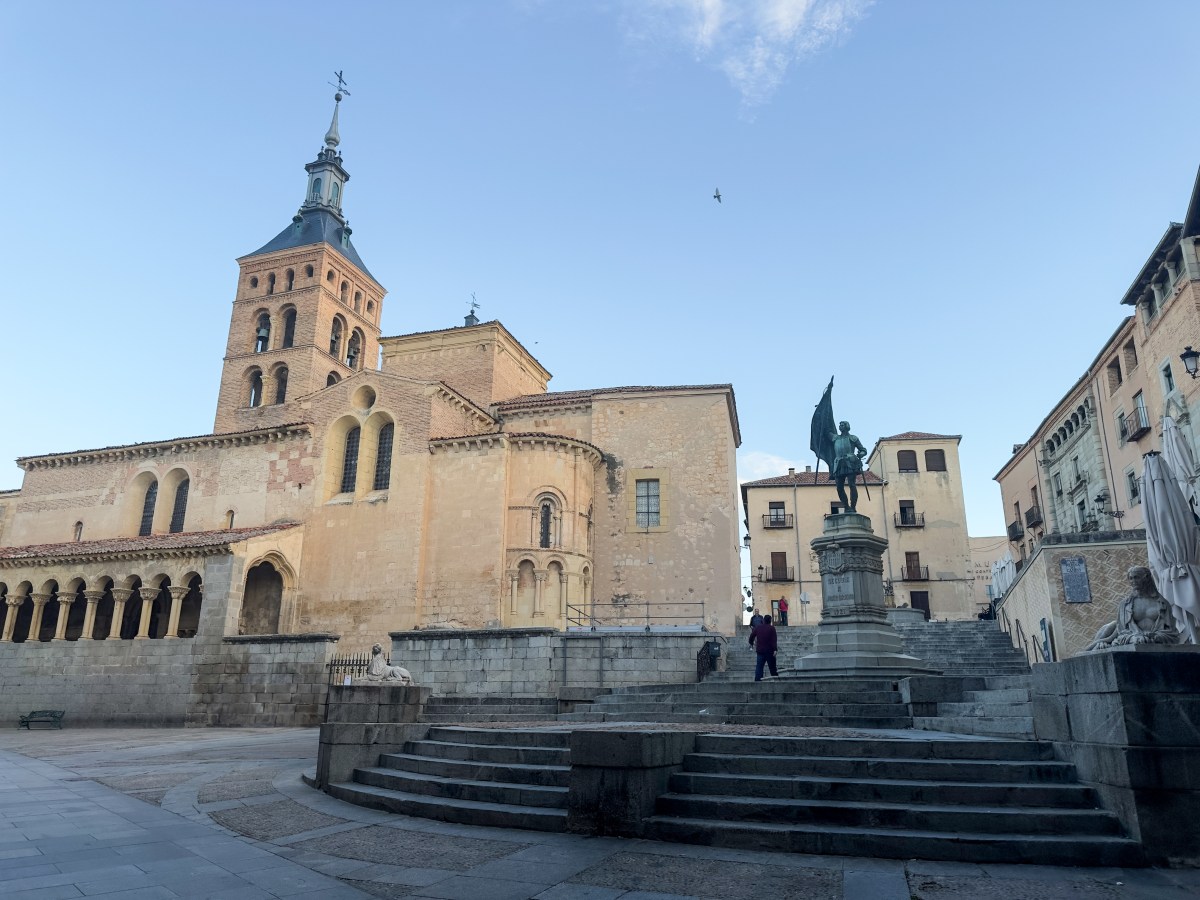
One of the main attractions of the Plaza de Medina del Campo is the Church of San Martín, an impressive Romanesque-style church that dates back to the 12th century. Its sturdy stone walls, elegant bell tower, and intricate carvings make it a sight to behold. The church’s interior is equally captivating, with its beautiful stained glass windows and serene atmosphere.
As you explore the plaza, you’ll also come across various shops and boutiques offering local crafts, souvenirs, and traditional products. This is a great place to pick up some unique mementos of your visit or indulge in delicious Spanish delicacies at the nearby cafes and restaurants.
The Plaza de Medina del Campo is not only a picturesque square but also a vibrant social hub. Locals and tourists alike gather here to relax, socialize, and enjoy the lively atmosphere. During certain times of the year, the plaza hosts cultural events, markets, and festivals, adding an extra dose of excitement to your visit.
Details
Pl. Medina del Campo, 40001 Segovia, Spain
Photos


Segovia
Segovia, Spain is located in the central part of the country, just north of Madrid. It is a place where history comes alive, boasting a rich heritage and architectural wonders that will leave you amazed. One of the most iconic landmarks in Segovia is its stunning Roman aqueduct, which dates back to the 1st century…
Thanks for visiting! I hope you have a great trip.




About Me
The sky is not completely dark at night. Were the sky absolutely dark, one would not be able to see the silhouette of an object against the sky.
Follow Me On
Subscribe To My Newsletter
Subscribe for new travel stories and exclusive content.
 Meticulous Meanderings
You must be logged in to post a comment.