
The site started as a 15th‑century church for the Archconfraternity of the Gonfalone, and in 1586 it passed to Father Camillo de Lellis to serve as a place of hospitality and prayer for his growing order. Major rebuilding began after Camillo’s death (1614) with designs by Carlo Fontana and Antonio de Rossi, and the church’s present form—largely from work finished in the late 1600s and consecrated in 1727—is a fine example of Roman Baroque‑Rococo; the façade by Giuseppe Sardi (1735) mixes architectural elements and stucco in dramatic, chiaroscuro effects.
Inside it’s basically one big, elongated octagonal space leading to the high altar and apse, where light plays a huge role—filling the dome and upper surfaces to make the polychrome decoration and gilding glow while lower, dimmer areas invite quiet prayer. The six niches along the nave hold statues representing confession-related virtues (Humilis, Secreta, Simplex, Verecunda, Fidelis, Lacrymabilis). You’ll also see original 1762 walnut confessionals carved by Giuseppe Palma with delicate inlays showing St. Mary Magdalene, St. Camillus, and New Testament scenes; other furnishings are later replacements. Above the door, under the Camillian cross, an inscription promises a perpetual plenary indulgence linked to the presence of the “Miraculous” frame of the Madonna Salute degli Infirmi and the body of St. Camillus.
Photos


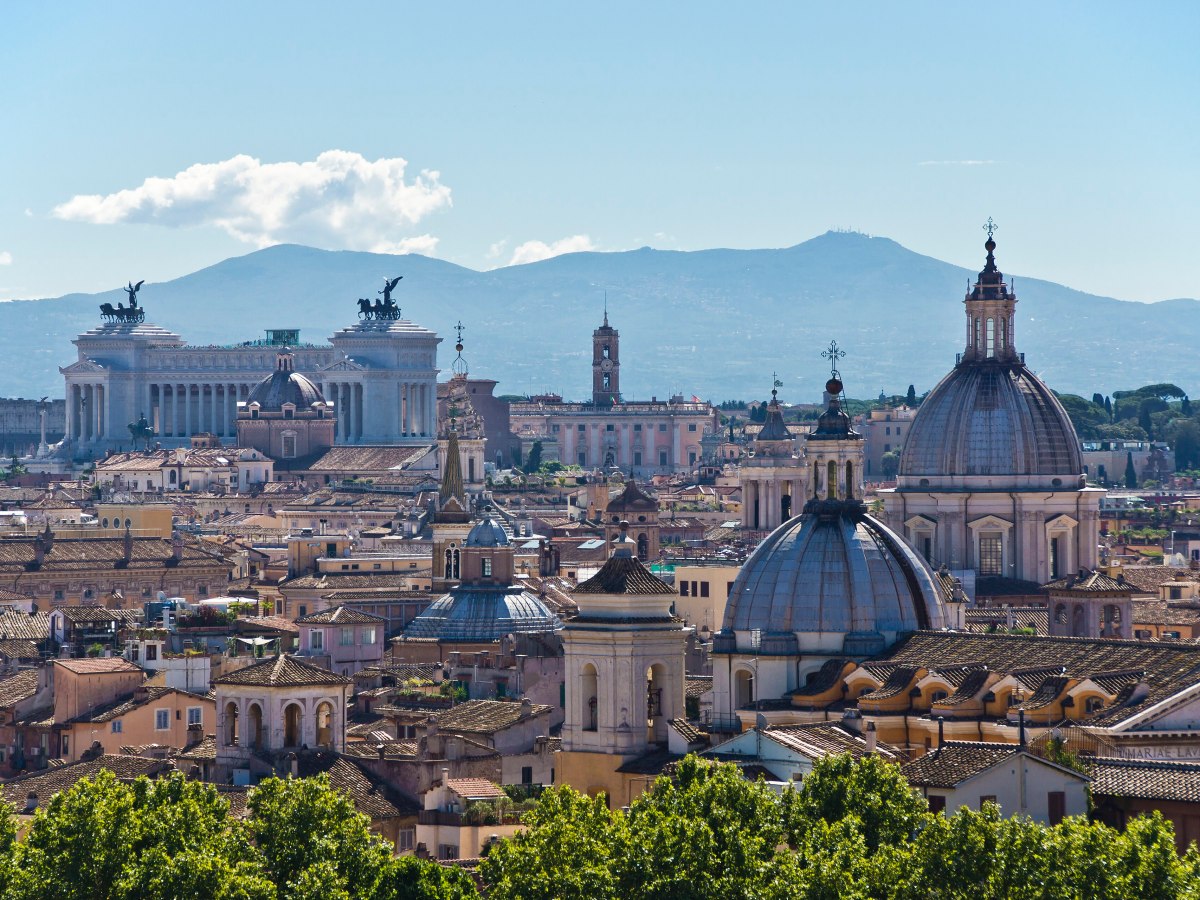
Rome
Rome is a city where every street feels like a short history lesson. Walk around and you’ll stumble on ruins, fountains, and churches all squeezed together — the Colosseum and Roman Forum sit near busy modern neighborhoods, while ancient columns pop up outside trendy cafés. It’s easy to soak up the past just by wandering:…
Thanks for visiting! I hope you have a great trip.

