Hello, I’m Veronica
The sky is not completely dark at night. Were the sky absolutely dark, one would not be able to see the silhouette of an object against the sky.


-
Basilica dei Santi Cosma e Damiano

The Basilica dei Santi Cosma e Damiano is a small church right next to the Roman Forum, built in the 6th century when an old pair of Roman buildings was turned into a Christian church. From the outside you see thick ancient brick walls and columns that once belonged to the old temples; the church feels like a quiet, historic spot tucked among huge ruins. Its location on Via dei Fori Imperiali makes it easy to spot while walking through the heart of ancient Rome.
Inside, the church is distinguished by one of Rome’s finest early medieval mosaics in the apse, dating to the 6th century, which portrays Christ enthroned flanked by saints and imperial donors, reflecting the continuity between Roman imperial and Christian iconography. The basilica also houses ancient sarcophagi and chapels containing art from later periods, and it functions both as a place of worship and a museum-like site where visitors can observe the interplay of antiquity and Christianity in Rome’s urban fabric.
Photos


Rome
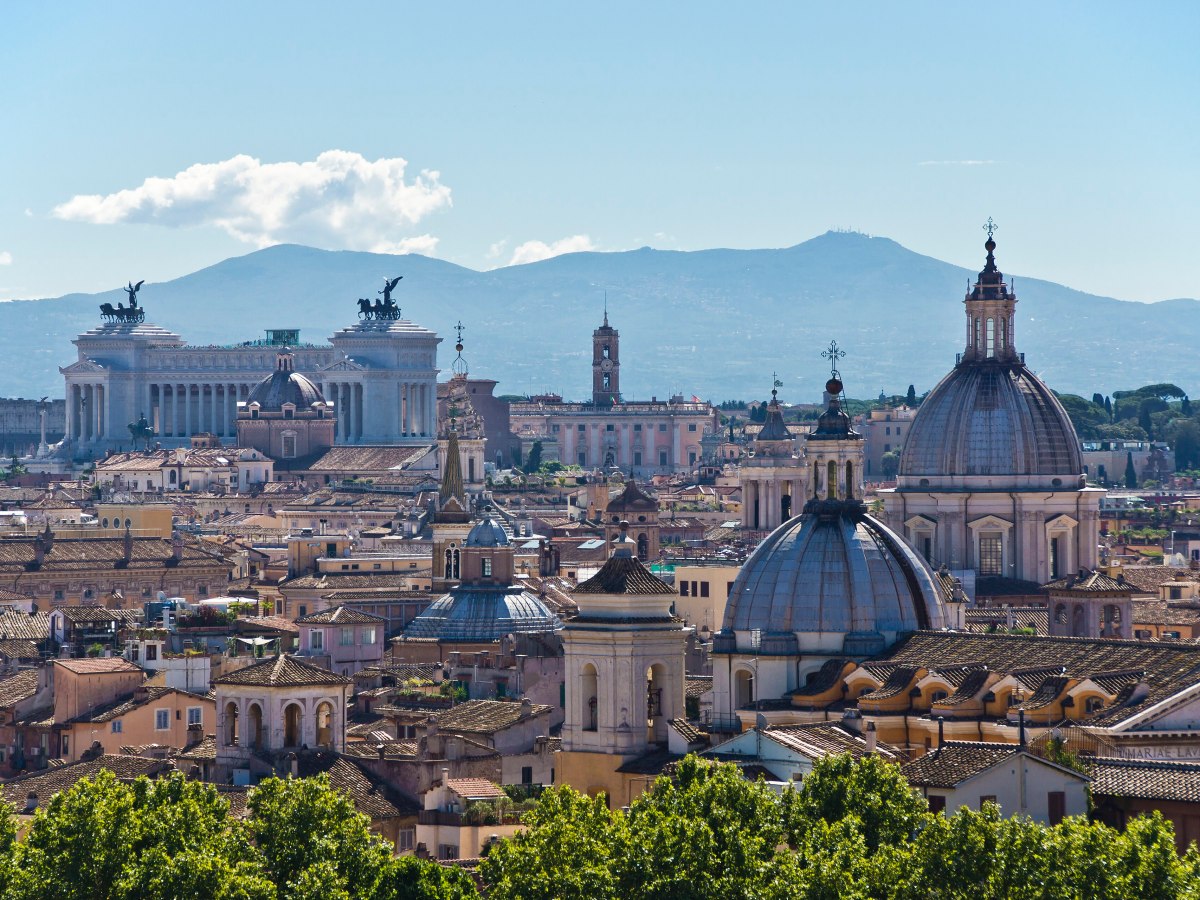
Rome is a city where every street feels like a short history lesson. Walk around and you’ll stumble on ruins, fountains, and churches all squeezed together — the Colosseum and Roman Forum sit near busy modern neighborhoods, while ancient columns pop up outside trendy cafés. It’s easy to soak up the past just by wandering:…
Thanks for visiting! I hope you have a great trip.
-
Chiesa di Santa Maria dell’Orazione e Morte
Chiesa di Santa Maria dell’Orazione e Morte, tucked on Via Giulia, is a small Baroque church built in the early 17th century for a confraternity dedicated to praying for the dead and assisting condemned prisoners. Its unassuming façade leads into an intimate, single-nave interior characterized by restrained Baroque ornament—stucco work, frescoed lunettes, and a solemn altar—whose atmosphere reflects the confraternity’s focus on mortality, charity, and spiritual aid. The chapel layout and decorative program emphasize contemplative devotion rather than grand spectacle, fitting the church’s charitable mission.
The church is notable for its macabre iconography and funerary symbolism: emblems of death, hourglasses, skulls, and inscriptions on the walls remind visitors of life’s transience and the confraternity’s work for souls in purgatory. It historically served as a place where members prepared burial rites and offered prayers for the dying and executed, giving the building a distinctive role in Rome’s social-religious practices; today it remains a poignant, lesser-known example of Counter-Reformation piety and Baroque sacred art along Via Giulia.
Photos


Rome
Rome is a city where every street feels like a short history lesson. Walk around and you’ll stumble on ruins, fountains, and churches all squeezed together — the Colosseum and Roman Forum sit near busy modern neighborhoods, while ancient columns pop up outside trendy cafés. It’s easy to soak up the past just by wandering:…
Thanks for visiting! I hope you have a great trip.
-
Basilica di Santa Croce in Gerusalemme
Basilica di Santa Croce in Gerusalemme is an ancient Roman basilica traditionally credited to the 4th-century Empress Helena, who brought numerous Passion relics from the Holy Land to Rome; the church stands on one of the Seven Pilgrim Churches of Rome and has been a notable pilgrimage destination since late antiquity. Architecturally, the basilica preserves a layered history: its medieval and Baroque restorations sit atop an earlier Roman-era foundation, producing a richly textured interior with a nave flanked by aisles, marble columns, and Baroque altars. The façade is relatively restrained, leading into a luminous interior where ornate chapels and frescoes display successive artistic interventions over the centuries.
The basilica’s chief importance lies in its collection of relics associated with Christ’s Passion—fragments of the True Cross, nails, and other items—housed historically in reliquaries and chapels that drew pilgrims and shaped devotional practice in Rome. Today it functions both as an active parish church and a site of historical and religious interest, offering visitors a tangible link to early Christian pilgrimage, medieval devotion, and Baroque artistic patronage within the urban fabric of eastern Rome.
Photos


Rome
Rome is a city where every street feels like a short history lesson. Walk around and you’ll stumble on ruins, fountains, and churches all squeezed together — the Colosseum and Roman Forum sit near busy modern neighborhoods, while ancient columns pop up outside trendy cafés. It’s easy to soak up the past just by wandering:…
Thanks for visiting! I hope you have a great trip.
-
Great Synagogue of Rome
The Great Synagogue of Rome, situated near the historic Jewish Ghetto, is the chief house of worship for Rome’s Jewish community and a striking architectural landmark on the Tiber’s banks. Completed in 1904, its eclectic design blends Assyrian-Babylonian revival motifs with Art Nouveau and classical elements: a massive central dome flanked by smaller domes, a richly decorated façade of travertine and brick, and ornate interior details including mosaics, stained glass, and a large, elevated ark for the Torah. The building’s scale and stylistic mix reflect both the community’s emancipation in the 19th century and its intent to assert a visible, modern civic presence after centuries of confinement to the nearby ghetto.
Beyond its architectural importance, the synagogue serves as a cultural and communal center—hosting religious services, educational programs, and commemorations of Jewish life in Italy. It also houses a Jewish museum and monuments honoring the victims of the Holocaust, underscoring Rome’s long and complex Jewish history that includes periods of flourishing scholarship as well as persecution. The Great Synagogue remains both an active place of worship and a prominent symbol of Jewish continuity and resilience in Rome.
Photos


Rome
Rome is a city where every street feels like a short history lesson. Walk around and you’ll stumble on ruins, fountains, and churches all squeezed together — the Colosseum and Roman Forum sit near busy modern neighborhoods, while ancient columns pop up outside trendy cafés. It’s easy to soak up the past just by wandering:…
Thanks for visiting! I hope you have a great trip.
-
Museo di Castelvecchio
The Museo di Castelvecchio, housed within the red-brick Scaliger fortress that overlooks the Adige River, is both an imposing medieval building and one of Verona’s foremost art museums. Rebuilt and reimagined in the 20th century, the castle’s battlements, defensive towers, and the long ponte scaligero set a dramatic stage for walking between fortified rooms and courtyards; the architecture itself—robust, atmospheric, and restored with careful attention to medieval forms—is a key part of the visit.
The museum’s collection focuses on Veronese medieval and Renaissance art, with standout works including sculpture, fresco fragments, altarpieces, painted panels, and arms and armor drawn from local churches and civic collections. Paintings by artists such as Pisanello, Andrea Mantegna (notably the fragmentary St. George), and local masters sit alongside Gothic sculpture and decorative arts, arranged to highlight stylistic development and local patronage; temporary exhibitions and the castle’s evocative setting further underline the connection between Verona’s artistic heritage and its medieval urban power.
Photos


Other Sights
Verona
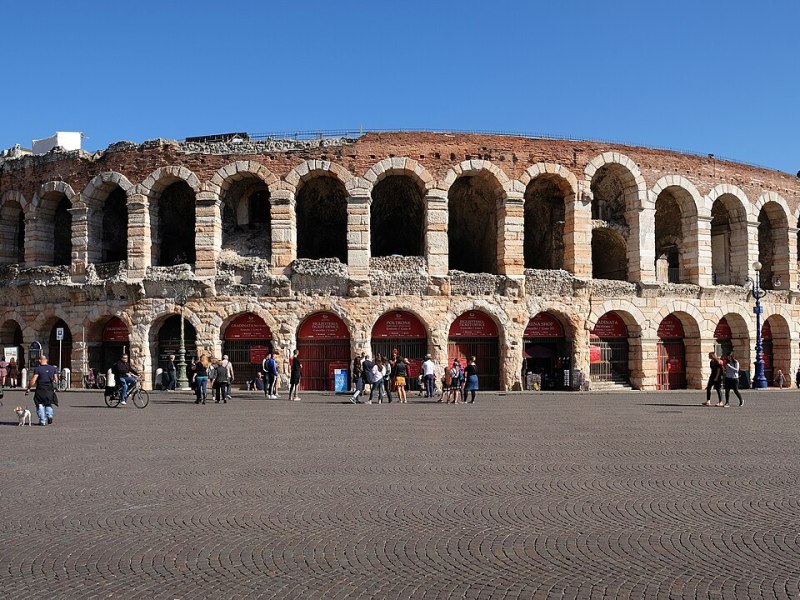
Verona feels like a storybook town where Roman stones and medieval towers sit comfortably beside lively cafés and modern boutiques. Start at the Arena, a remarkably well-preserved Roman amphitheater that still hosts operas and concerts in summer—there’s something magical about hearing music under the open sky with the old stone glowing at sunset. Wander out…
Thanks for visiting! I hope you have a great trip.




.jpg)
_-_interior.jpg)
.jpg)

.jpg)
.jpeg)


About Me
The sky is not completely dark at night. Were the sky absolutely dark, one would not be able to see the silhouette of an object against the sky.
Follow Me On
Subscribe To My Newsletter
Subscribe for new travel stories and exclusive content.


You must be logged in to post a comment.